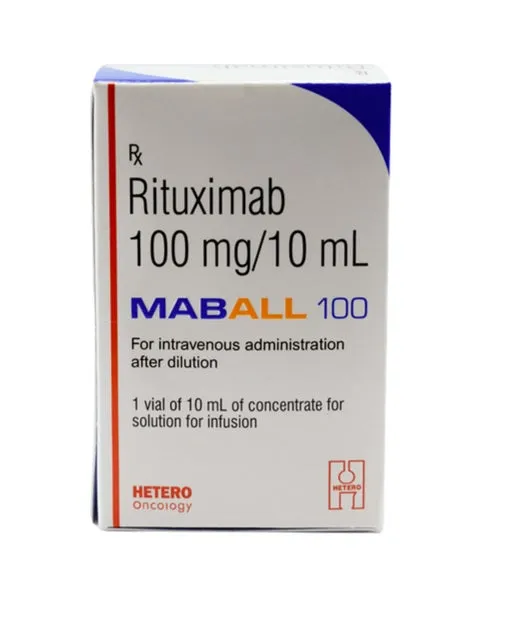


Comprehensive Introduction to Rituxan (Rituximab)
Rituxan (generic name: rituximab) is a breakthrough chimeric monoclonal antibody that has revolutionized the management of various hematologic malignancies and autoimmune disorders. As a targeted biologic therapy, it specifically binds to the CD20 antigen found on the surface of pre-B and mature B lymphocytes. By depleting these B cells, Rituxan halts the progression of diseases driven by B-cell overactivity or malignancy.
Since its FDA approval in 1997, Rituxan has become a cornerstone in the treatment protocols for Non-Hodgkin’s Lymphoma (NHL), Chronic Lymphocytic Leukemia (CLL), and several inflammatory conditions, including Rheumatoid Arthritis (RA) and ANCA-associated vasculitis. This guide provides a deep dive into the pharmacology, clinical application, and safety profiles necessary for healthcare providers and informed patients.
Mechanism of Action: How Rituxan Works
At the molecular level, Rituxan is an IgG1-kappa immunoglobulin. Its mechanism is multifaceted, involving three primary pathways to eliminate CD20-positive B cells:
- Complement-Dependent Cytotoxicity (CDC): Rituxan binding to CD20 recruits complement proteins, leading to the formation of the membrane attack complex and subsequent cell lysis.
- Antibody-Dependent Cellular Cytotoxicity (ADCC): The Fc portion of the Rituxan molecule binds to Fc receptors on natural killer (NK) cells, macrophages, and neutrophils, triggering them to destroy the tagged B cells.
- Induction of Apoptosis: Direct signaling through the CD20 antigen upon rituximab binding can trigger programmed cell death (apoptosis) within the B cell.
Pharmacokinetics Profile
- Half-life: Approximately 18 to 22 days following multiple infusions.
- Metabolism: Primarily cleared through reticuloendothelial system sequestration and catabolism.
- Distribution: Primarily restricted to the vascular compartment; minimal penetration into the cerebrospinal fluid.
Clinical Indications and Usage
Rituxan is indicated for a wide array of conditions. Its versatility stems from its ability to modulate the immune system by transiently depleting the B-cell population.
| Indication | Description |
|---|---|
| Non-Hodgkin’s Lymphoma (NHL) | Used for follicular and diffuse large B-cell lymphoma (DLBCL). |
| Chronic Lymphocytic Leukemia (CLL) | Often combined with chemotherapy (e.g., fludarabine/cyclophosphamide). |
| Rheumatoid Arthritis (RA) | Indicated for moderate-to-severe active RA in combination with methotrexate. |
| Granulomatosis with Polyangiitis (GPA) | Used in combination with glucocorticoids for active vasculitis. |
| Pemphigus Vulgaris | Indicated for moderate-to-severe cases in adult patients. |
Dosage Guidelines
Dosage varies significantly based on the diagnosis.
* For Oncology: Usually administered as an intravenous (IV) infusion at 375 mg/m² weekly for 4 to 8 doses.
* For Rheumatoid Arthritis: Administered as two 1000 mg IV infusions separated by 14 days, repeated every 24 weeks.
* Pre-medication: Patients should always receive premedication (acetaminophen, antihistamines, and sometimes corticosteroids) 30 minutes prior to infusion to reduce the risk of infusion-related reactions.
Risks, Side Effects, and Contraindications
While highly effective, Rituxan carries significant risks, primarily due to its immunosuppressive nature.
Black Box Warnings
- Infusion-Related Reactions: Can be severe or fatal. Most occur within 24 hours of the first infusion.
- Severe Mucocutaneous Reactions: Rare but potentially fatal cases of Stevens-Johnson syndrome and toxic epidermal necrolysis.
- Hepatitis B Virus (HBV) Reactivation: Can lead to fulminant hepatitis, hepatic failure, and death. Screening for HBsAg and anti-HBc is mandatory before initiation.
- Progressive Multifocal Leukoencephalopathy (PML): A rare, fatal brain infection caused by the JC virus in immunocompromised patients.
Common Side Effects
- Fever and chills
- Fatigue and asthenia
- Nausea and vomiting
- Infections (upper respiratory tract, urinary tract)
- Headache and dizziness
Drug Interactions and Special Populations
Drug Interactions
There are no formal pharmacokinetic drug-drug interaction studies for Rituxan. However, caution is advised when combining with other immunosuppressants or live vaccines. The administration of live virus vaccines is strictly contraindicated during and for several months after therapy, as the immune response will be blunted.
Pregnancy and Lactation
- Pregnancy: Rituxan crosses the placenta. It can cause B-cell depletion in the fetus. It should only be used if the potential benefit justifies the potential risk to the fetus.
- Lactation: It is unknown if rituximab is excreted in human milk. Due to potential risks, breastfeeding is generally discouraged during therapy and for six months following the last dose.
Overdose Management
There is no known antidote for Rituxan overdose. In the event of an overdose, the infusion should be stopped or the rate reduced immediately. Patients should be monitored closely for signs of infusion reactions or severe immunosuppression.
Frequently Asked Questions (FAQ)
1. How long does it take for Rituxan to start working?
In rheumatoid arthritis, patients may start to see improvement within 8 to 16 weeks, though it may take longer for full therapeutic effect. In oncology, the response is often monitored via imaging after several cycles.
2. Can I receive vaccines while on Rituxan?
No. You should avoid live vaccines (like MMR, varicella, or shingles) during treatment. Consult your physician regarding inactivated vaccines, although their effectiveness may be reduced.
3. Is Rituxan chemotherapy?
Technically, it is a targeted immunotherapy (a monoclonal antibody). While it is used to treat cancer, it does not work like traditional cytotoxic chemotherapy, which kills all rapidly dividing cells.
4. What should I do if I miss a dose?
Contact your healthcare provider immediately to reschedule. Missing doses can lead to a return of disease symptoms or allow the cancer to progress.
5. Why do I need to be screened for Hepatitis B?
Rituxan suppresses the immune system, which can cause dormant Hepatitis B viruses to "wake up" and multiply, leading to severe liver damage.
6. Can I drink alcohol while taking Rituxan?
There is no direct interaction, but alcohol can exacerbate fatigue and liver stress. Always consult your rheumatologist or oncologist.
7. What are the symptoms of PML?
PML symptoms include confusion, dizziness, loss of balance, difficulty talking or walking, and vision changes. Seek immediate medical attention if these occur.
8. How is the infusion administered?
It is administered via an IV drip. The first infusion is given slowly to monitor for reactions. Subsequent infusions may be given more quickly if the first is tolerated well.
9. Does Rituxan cause hair loss?
Unlike many traditional chemotherapy agents, Rituxan itself typically does not cause hair loss. If you are receiving it in combination with other chemotherapy drugs, those drugs may be the cause of hair loss.
10. How long does the B-cell depletion last?
B-cell levels typically remain low for several months after treatment, usually beginning to recover 6 to 9 months after the final infusion.
Conclusion
Rituxan (rituximab) remains a vital tool in modern medicine, offering targeted efficacy for complex diseases. However, its potency necessitates rigorous clinical oversight, particularly regarding infection risk and infusion monitoring. Patients must remain vigilant for signs of adverse reactions and maintain open communication with their medical team throughout the duration of their treatment plan.
Disclaimer: This guide is for informational purposes only and does not constitute medical advice, diagnosis, or treatment. Always seek the advice of your physician or other qualified health provider with any questions you may have regarding a medical condition or medication.