
Understanding Rivarox: A Comprehensive Clinical Overview
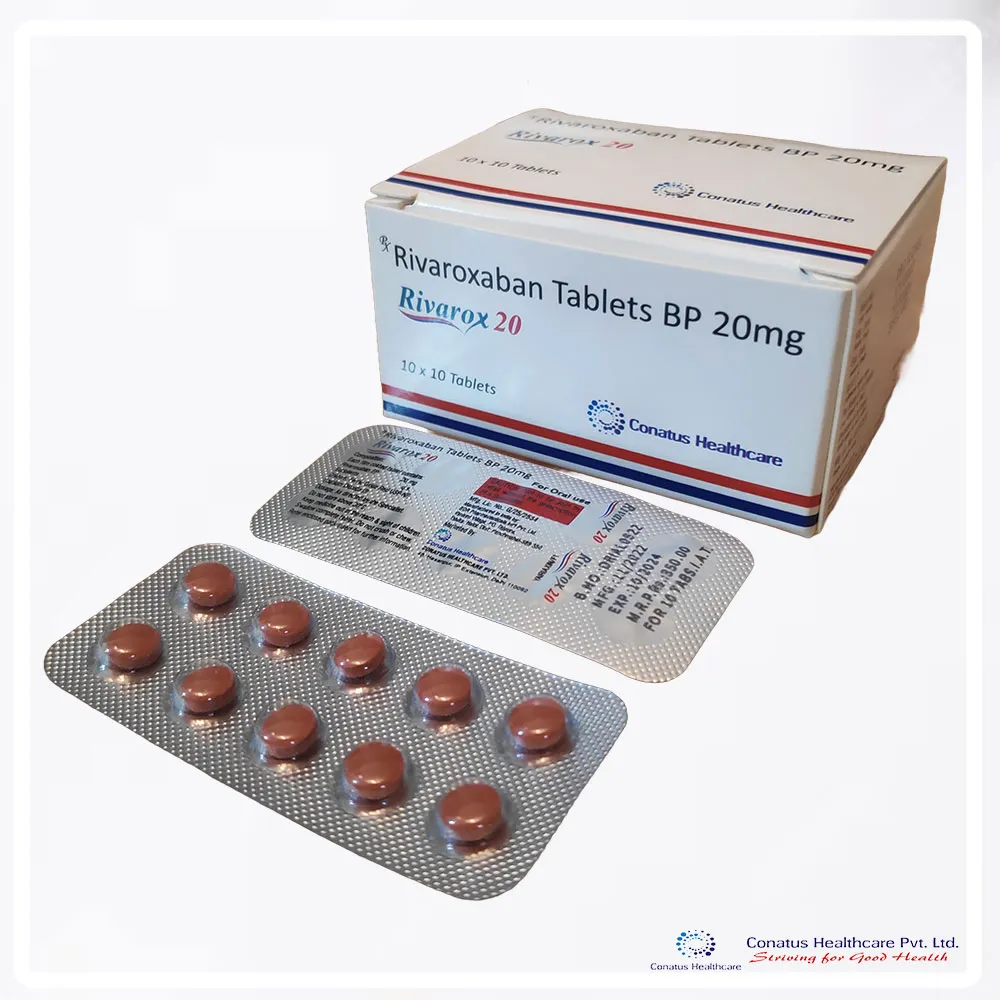
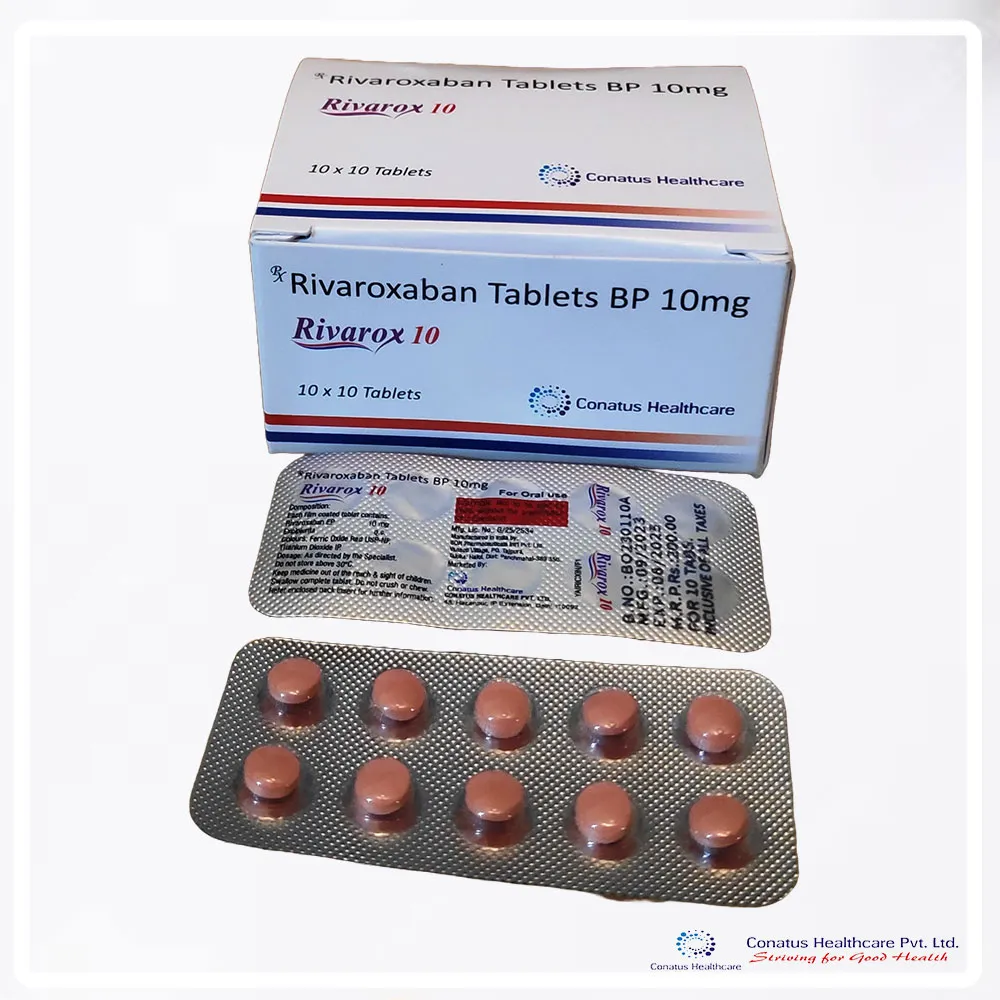
Rivarox (generic name: Rivaroxaban) represents a cornerstone in modern hematology and orthopedics. As a direct oral anticoagulant (DOAC), it functions as a highly selective inhibitor of Factor Xa. In the context of orthopedic surgery—particularly total hip and knee arthroplasty—Rivarox has revolutionized the management of venous thromboembolism (VTE) prophylaxis, providing a predictable pharmacological profile that eliminates the need for routine coagulation monitoring.
This guide provides an exhaustive analysis of Rivarox, designed for healthcare professionals and patients seeking a deep understanding of its pharmacological properties, clinical utility, and safety parameters.
Technical Specifications and Mechanism of Action
Molecular Pharmacology
Rivarox is a small-molecule, oral anticoagulant that exerts its effect by binding directly to the active site of Factor Xa. Factor Xa is the rate-limiting step in the coagulation cascade, acting as the nexus between the intrinsic and extrinsic pathways. By inhibiting Factor Xa, Rivarox effectively prevents the conversion of prothrombin to thrombin, thereby inhibiting fibrin clot formation and thrombus development.
Pharmacokinetics Profile
Understanding the absorption and elimination of Rivarox is critical for maintaining therapeutic efficacy and minimizing bleeding risks.
| Parameter | Clinical Characteristic |
|---|---|
| Bioavailability | High (80–100%) for 10mg doses |
| Peak Plasma Time | 2 to 4 hours post-ingestion |
| Half-Life | 5–9 hours (young) / 11–13 hours (elderly) |
| Metabolism | Hepatic (CYP3A4/2J2 pathways) |
| Excretion | Renal (66%) and Fecal (33%) |
The drug exhibits dose-dependent absorption. While the 10mg dose can be taken without regard to food, higher doses (15mg and 20mg) should be taken with food to ensure complete absorption.
Clinical Indications and Usage
Rivarox is indicated for a variety of thromboembolic conditions. Its utility in orthopedic surgery is particularly noteworthy due to the high risk of VTE following major joint replacement procedures.
Primary Indications
- VTE Prophylaxis: Prevention of deep vein thrombosis (DVT) and pulmonary embolism (PE) in adults undergoing elective hip or knee replacement surgery.
- Stroke Prevention: Reduction of risk of stroke and systemic embolism in patients with non-valvular atrial fibrillation (NVAF).
- Treatment of DVT/PE: Acute treatment and secondary prevention of recurrent DVT and PE.
- Coronary Artery Disease (CAD): Used in combination with aspirin to reduce the risk of major cardiovascular events in patients with chronic CAD or PAD.
Dosage Guidelines
Dosage must be strictly individualized based on the patient's indication, renal function, and bleeding risk profile.
- Post-Orthopedic Surgery: Typically 10mg once daily. Treatment duration usually ranges from 12 days (knee) to 35 days (hip).
- Atrial Fibrillation: Standard dose is 20mg once daily with the evening meal. Dose reduction to 15mg is required for patients with moderate renal impairment (CrCl 15–50 mL/min).
- Acute DVT/PE Treatment: 15mg twice daily for the first 21 days, followed by 20mg once daily for maintenance.
Contraindications and Safety Warnings
While Rivarox is highly effective, its potency necessitates careful patient selection.
Absolute Contraindications
- Active Bleeding: Patients with clinically significant active bleeding.
- Hypersensitivity: Known history of severe allergic reaction to Rivaroxaban or its excipients.
- Mechanical Heart Valves: Rivarox is strictly contraindicated in patients with prosthetic heart valves, as clinical trials showed increased failure rates compared to warfarin.
- Severe Hepatic Impairment: Patients with Child-Pugh B or C cirrhosis.
Drug-Drug Interactions
Rivarox is a substrate of both CYP3A4 and P-glycoprotein (P-gp). Concurrent use with strong inhibitors or inducers of these pathways can lead to toxic plasma levels or therapeutic failure.
- Avoid: Ketoconazole, ritonavir, and systemic rifampicin.
- Caution: NSAIDs and antiplatelets (e.g., clopidogrel) increase the risk of major hemorrhage.
Pregnancy and Lactation
Rivarox is classified as Pregnancy Category C. It crosses the placental barrier and has demonstrated reproductive toxicity in animal studies. It is generally avoided during pregnancy. Furthermore, due to the potential for adverse effects in the nursing infant, breastfeeding is not recommended during Rivarox therapy.
Managing Overdose and Bleeding Complications
In the event of an overdose or life-threatening hemorrhage, immediate intervention is required.
- Discontinuation: Stop the drug immediately.
- Reversal Agents: The specific reversal agent for Factor Xa inhibitors is Andexanet alfa. This recombinant protein acts as a decoy to bind Rivarox, neutralizing its anticoagulant effects.
- Supportive Care: Administration of activated charcoal (if ingestion occurred within 2-4 hours), mechanical compression, and fluid resuscitation.
- Prothrombin Complex Concentrates (PCC): In the absence of specific reversal agents, 4-factor PCC may be used off-label to manage severe bleeding.
Frequently Asked Questions (FAQ)
1. Does Rivarox require routine blood tests?
No. Unlike warfarin (Coumadin), Rivarox does not require routine INR monitoring due to its predictable pharmacokinetics.
2. What should I do if I miss a dose?
If you are on the 10mg or 20mg once-daily regimen, take the missed dose as soon as you remember on the same day. Do not take two doses to make up for a missed dose.
3. Can I take Rivarox with food?
For the 10mg dose, food does not matter. However, for doses of 15mg or 20mg, it is strongly recommended to take the medication with a meal to ensure proper absorption.
4. Is Rivarox safe for patients with kidney disease?
Safety in renal impairment depends on the severity. It is contraindicated in patients with CrCl < 15 mL/min. Dose adjustments are required for moderate impairment.
5. How long before surgery should I stop Rivarox?
Typically, Rivarox should be discontinued at least 24 to 48 hours before elective surgery to minimize the risk of intraoperative bleeding. Consult your surgeon for specific protocols.
6. Does Rivarox interact with over-the-counter supplements?
Yes. Supplements like St. John’s Wort can decrease the effectiveness of Rivarox, while high doses of Vitamin E or fish oil may increase bleeding risk. Always consult your doctor.
7. What are the common side effects?
The most common side effect is bleeding (e.g., bruising, epistaxis, or gingival bleeding). Other side effects may include nausea, fatigue, or back pain.
8. Can I switch from Warfarin to Rivarox?
Yes, but this is a delicate clinical process. Your doctor will monitor your INR and initiate Rivarox once the INR falls below a specific threshold (usually 2.5 or 3.0).
9. Does Rivarox cause hair loss?
Hair loss is not a frequently reported side effect of Rivarox, though individual patient responses can vary. Consult your physician if you experience unexplained hair loss.
10. How should Rivarox be stored?
Store at room temperature, away from moisture and heat. Keep the medication in its original packaging until consumption.
Clinical Conclusion
Rivarox remains a gold-standard therapeutic agent for the prevention and treatment of thromboembolic diseases. By adhering to standardized dosage protocols and maintaining awareness of drug-drug interactions, clinicians can effectively mitigate the risks of venous thromboembolism in orthopedic and cardiovascular patients. Always prioritize patient education regarding signs of bleeding, and ensure that a clear plan for surgical interruption is communicated prior to any invasive procedures.
Disclaimer: This content is for educational purposes only and does not constitute medical advice. Always consult with a licensed healthcare professional or orthopedic specialist before beginning or altering any medication regimen.