
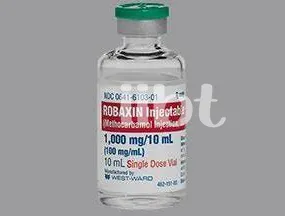


Comprehensive Guide to Robaxin (Methocarbamol)
Robaxin, known generically as methocarbamol, is a central nervous system (CNS) depressant widely utilized in the management of musculoskeletal pain and discomfort. As an orthopedic specialist, I frequently encounter patients suffering from acute muscle spasms resulting from strains, sprains, or trauma. Understanding the pharmacological profile of Robaxin is essential for both clinicians and patients to ensure safe and effective therapeutic outcomes.
This guide provides an exhaustive review of methocarbamol, exploring its mechanism of action, clinical applications, and essential safety protocols.
Technical Specifications and Mechanism of Action
Methocarbamol is a carbamate derivative of guaifenesin. Unlike other muscle relaxants that act directly on the contractile mechanism of the striated muscle or at the motor endplate, methocarbamol exerts its effects through generalized central nervous system depression.
Pharmacodynamics
The exact mechanism of action for methocarbamol is not fully elucidated; however, it is believed that the drug produces skeletal muscle relaxation through general CNS depression. It does not possess a direct action on the contractile mechanism of striated muscle, the motor endplate, or the nerve fiber. Instead, it appears to inhibit polysynaptic reflex pathways at the level of the spinal cord and subcortical areas of the brain.
Pharmacokinetics
The efficacy of Robaxin is dictated by its rapid absorption and metabolic pathway:
* Absorption: Rapidly and almost completely absorbed from the gastrointestinal tract.
* Onset of Action: Typically occurs within 30 minutes of oral administration.
* Metabolism: Primarily metabolized in the liver via dealkylation and hydroxylation.
* Excretion: Excreted in the urine, predominantly as metabolites, with negligible amounts of unchanged drug.
* Half-life: The elimination half-life ranges from 0.9 to 1.8 hours.
Clinical Indications and Usage
Robaxin is indicated as an adjunct to rest, physical therapy, and other measures for the relief of discomfort associated with acute, painful musculoskeletal conditions. It is not intended for the treatment of chronic neurological conditions or spasticity resulting from upper motor neuron lesions.
Typical Clinical Applications
| Condition | Clinical Context |
|---|---|
| Acute Lower Back Pain | Adjunctive therapy for lumbar strain |
| Muscle Sprains | Support during the initial recovery phase |
| Cervical Strain | Relieving neck tension and associated spasms |
| Post-Orthopedic Surgery | Short-term management of muscle guarding |
Dosage Guidelines
Dosage must be individualized based on the severity of the condition and the patient’s clinical response.
- Adults: The initial oral dose is typically 1,500 mg four times a day for the first 48 to 72 hours. For severe conditions, up to 8 grams daily may be administered.
- Maintenance: Once adequate relief is achieved, the dosage may be reduced to 1,000 mg four times a day, 750 mg every 4 hours, or 1,500 mg twice daily.
- Pediatric Use: Safety and effectiveness in pediatric patients below the age of 16 have not been established.
Risks, Side Effects, and Contraindications
While Robaxin is generally well-tolerated, it carries a profile of potential adverse effects primarily linked to its CNS-depressant properties.
Common Side Effects
- Dizziness and lightheadedness
- Drowsiness or somnolence
- Nausea and gastrointestinal upset
- Blurred vision
- Headache
Serious Risks
- Allergic Reactions: Urticaria, pruritus, or anaphylactic reactions.
- CNS Depression: Impairment of physical or mental abilities required for driving or operating heavy machinery.
- Bradycardia: Rare instances of heart rate reduction.
Contraindications
- Hypersensitivity: Known allergy to methocarbamol or any component of the formulation.
- Renal Impairment: Due to the polyethylene glycol vehicle in injectable forms, caution is advised in patients with known or suspected renal pathology.
Pregnancy and Lactation
- Pregnancy: Methocarbamol should be used during pregnancy only if the potential benefit justifies the potential risk to the fetus. It is categorized as Pregnancy Category C.
- Lactation: It is unknown whether methocarbamol is excreted in human milk. Caution should be exercised when administered to a nursing woman.
Drug Interactions
Patients must be cautioned regarding the concomitant use of other CNS depressants. The interaction between Robaxin and the following substances can lead to additive impairment:
- Alcohol: Significantly increases the sedative effects of methocarbamol.
- Opioid Analgesics: May lead to profound sedation, respiratory depression, and hypotension.
- Benzodiazepines: Increases the risk of cognitive impairment and sedation.
- Antihistamines: Additive drowsiness.
Overdose Management
An overdose of Robaxin is rarely fatal if managed promptly. Symptoms often include nausea, drowsiness, blurred vision, hypotension, and seizures.
Management Protocol
- Supportive Care: Maintain a patent airway and monitor vital signs.
- Gastric Decontamination: If the ingestion is recent, consider activated charcoal or gastric lavage.
- Symptomatic Treatment: There is no specific antidote for methocarbamol. Dialysis may be considered in cases of extreme overdose, though its effectiveness is limited due to the drug's protein binding and distribution.
Frequently Asked Questions (FAQ)
1. How long does it take for Robaxin to start working?
Robaxin typically begins to provide relief within 30 minutes of oral ingestion, with peak plasma concentrations reached shortly thereafter.
2. Can I consume alcohol while taking Robaxin?
No. Alcohol intensifies the CNS-depressant effects of Robaxin, which can lead to dangerous levels of sedation, impaired coordination, and slowed reaction times.
3. Is Robaxin addictive?
Methocarbamol is generally considered to have a lower potential for abuse compared to other muscle relaxants like carisoprodol. However, it should only be used as prescribed.
4. Can I drive while on this medication?
It is strongly advised to avoid driving or operating heavy machinery until you know how the medication affects you, as it frequently causes drowsiness or dizziness.
5. What should I do if I miss a dose?
Take the missed dose as soon as you remember. If it is nearly time for your next dose, skip the missed one. Do not double your dose to make up for a missed one.
6. Does Robaxin interact with my blood pressure medication?
While it does not have a direct interaction with most antihypertensives, the combination can sometimes lead to an additive effect on dizziness or hypotension. Consult your physician.
7. Is Robaxin safe for long-term use?
Robaxin is intended for short-term use (typically 2–3 weeks). Long-term safety for chronic pain management has not been established.
8. Why is it used for back pain?
It helps break the pain-spasm-pain cycle by acting on the central nervous system to reduce the intensity of muscle spasms, allowing for better physical therapy performance.
9. Can I take Robaxin with Tylenol or Advil?
Yes, it is often prescribed in combination with acetaminophen (Tylenol) or NSAIDs (like ibuprofen) to provide a multi-modal approach to pain relief.
10. Does it cause weight gain?
Weight gain is not a documented side effect of methocarbamol. If you experience unexpected weight changes, consult your healthcare provider.
Final Clinical Perspective
Robaxin remains a staple in the orthopedic toolkit for treating acute, painful musculoskeletal conditions. Its efficacy in providing symptomatic relief makes it an ideal candidate for short-term treatment plans. However, due to its sedative properties, patient education regarding safety—specifically regarding driving and alcohol consumption—is paramount. Always ensure that the medication is used as part of a comprehensive recovery strategy that includes physical therapy, proper ergonomics, and rest.
Disclaimer: This guide is for informational purposes only and does not constitute medical advice, diagnosis, or treatment. Always seek the advice of your physician or other qualified health provider with any questions you may have regarding a medical condition or medication.