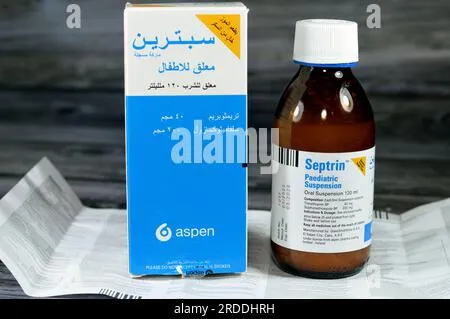
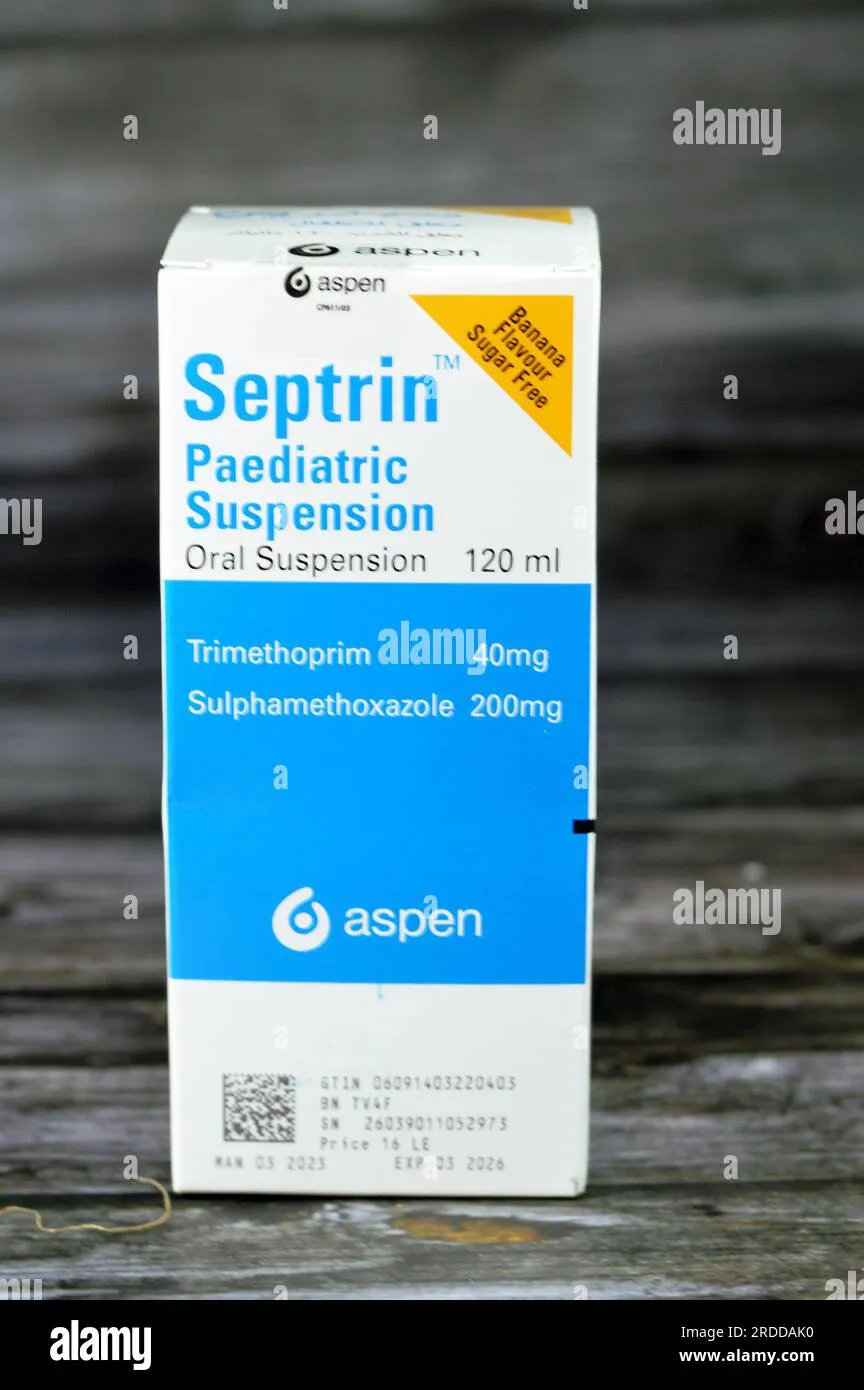
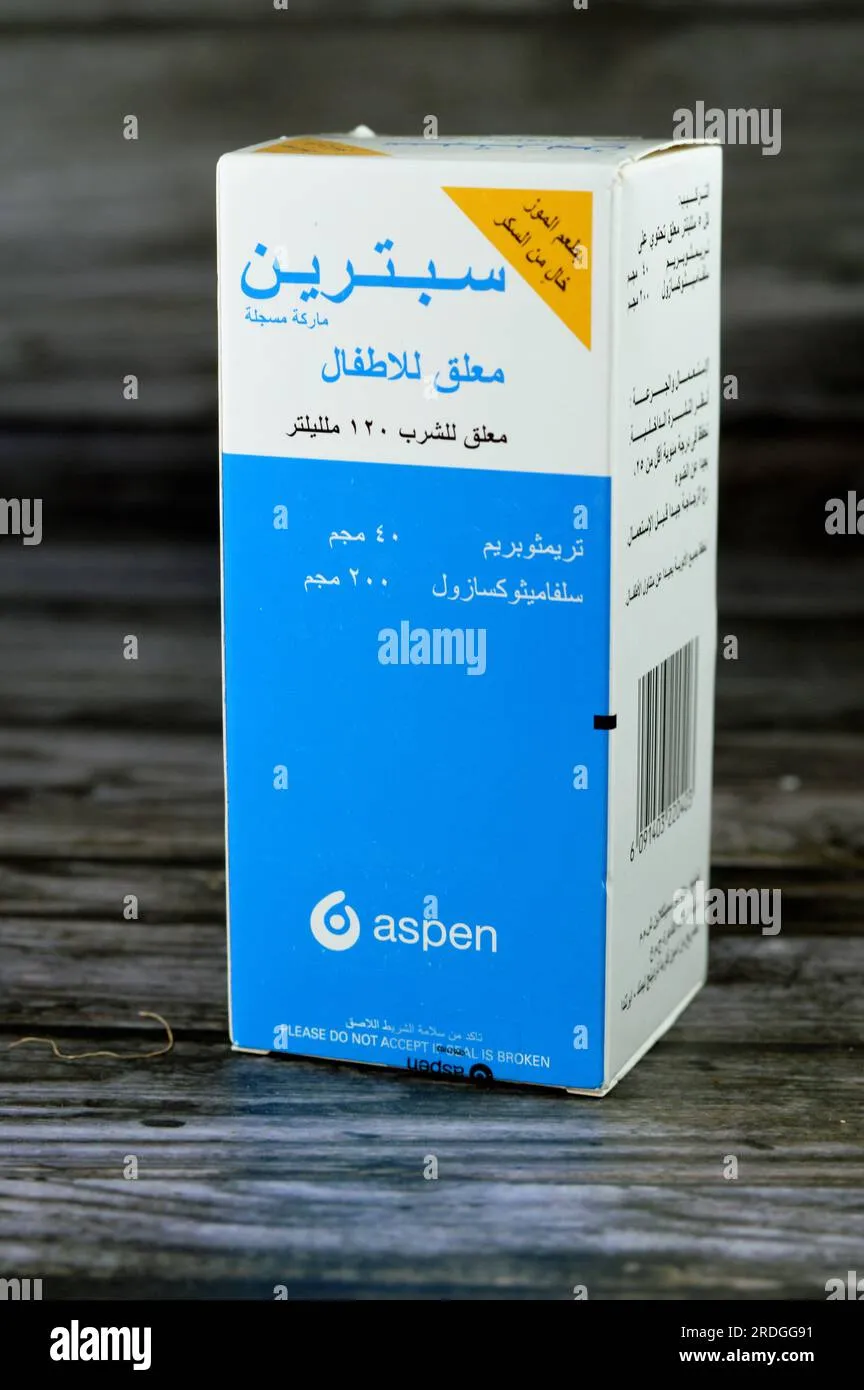

Introduction to Septrin (Co-trimoxazole)
Septrin, scientifically known as Co-trimoxazole, is a potent combination antibiotic consisting of two active pharmaceutical ingredients: Sulfamethoxazole and Trimethoprim. It belongs to the sulfonamide class of antibiotics and has been a cornerstone in clinical medicine for decades. By inhibiting the synthesis of bacterial folic acid, Septrin serves as a broad-spectrum agent effective against a wide array of Gram-positive and Gram-negative bacteria.
In the orthopedic and general medical landscape, Septrin is frequently utilized for its unique ability to penetrate deep tissues, making it an essential tool for managing complicated infections. This guide provides an exhaustive review of the pharmacological properties, clinical applications, and safety protocols necessary for healthcare professionals and patients alike.
Technical Specifications and Mechanism of Action
The synergy between Sulfamethoxazole and Trimethoprim is what makes Septrin uniquely effective. Unlike many antibiotics that target bacterial cell walls, Septrin disrupts the metabolic pathway of microorganisms.
The Synergistic Pathway
Bacteria require folic acid for the synthesis of DNA and proteins. Humans obtain folate through diet, but bacteria must synthesize it de novo. Septrin acts as a "double-blockade" agent:
- Sulfamethoxazole: Competitively inhibits the enzyme dihydropteroate synthase, which is responsible for the incorporation of para-aminobenzoic acid (PABA) into the folic acid precursor.
- Trimethoprim: Inhibits dihydrofolate reductase, the enzyme that converts dihydrofolic acid into tetrahydrofolic acid (the active form of folate).
By blocking these two sequential steps, Septrin effectively starves the bacteria of essential growth factors, leading to bacteriostatic action that often becomes bactericidal at therapeutic concentrations.
Pharmacokinetics
- Absorption: Rapidly and well-absorbed after oral administration.
- Distribution: Widely distributed into body tissues and fluids, including the prostate, middle ear, and cerebrospinal fluid.
- Metabolism: Primarily hepatic metabolism.
- Excretion: Primarily renal, through both glomerular filtration and tubular secretion.
Clinical Indications and Usage
Septrin is indicated for various infections where the pathogen is susceptible to the dual action of the medication.
| Infection Type | Clinical Application |
|---|---|
| Respiratory | Exacerbations of chronic bronchitis, community-acquired pneumonia. |
| Urinary Tract | Acute uncomplicated cystitis, pyelonephritis, and chronic UTIs. |
| Gastrointestinal | Shigellosis, traveler’s diarrhea, and typhoid fever. |
| Skin/Soft Tissue | Infections caused by MRSA (Methicillin-resistant Staphylococcus aureus). |
| Opportunistic | Treatment and prophylaxis of Pneumocystis jirovecii pneumonia (PJP). |
Orthopedic Context
In orthopedics, Septrin is sometimes employed in the management of osteomyelitis or septic arthritis when standard first-line therapies are ineffective or when dealing with multi-drug resistant organisms. Its high tissue penetration makes it a valuable asset in managing deep-seated bone infections.
Dosage Guidelines
Dosage must be individualized based on the infection severity, the patient's renal function, and body weight.
Standard Adult Dosing
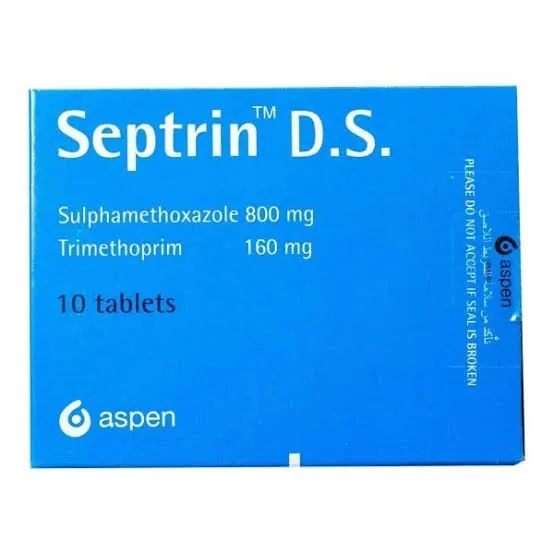
- Standard Infection: 960 mg (800 mg Sulfamethoxazole / 160 mg Trimethoprim) every 12 hours.
- Severe Infection: 1440 mg every 12 hours.
- Pneumocystis jirovecii treatment: Based on weight, typically 15–20 mg/kg/day (based on the trimethoprim component) divided into three or four doses.
Pediatric Dosing
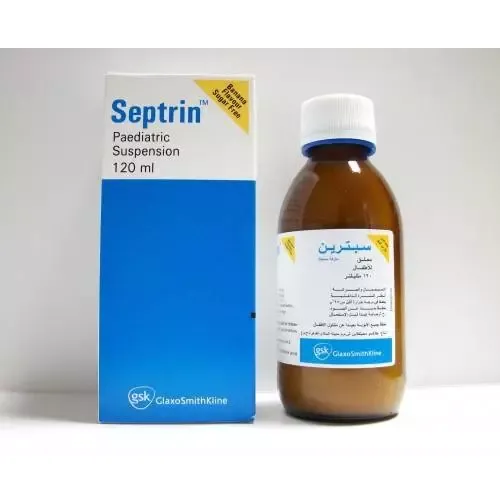
Dosing for children is generally calculated based on the trimethoprim component, typically 6-12 mg/kg per day in divided doses every 12 hours.
Risks, Contraindications, and Interactions
Contraindications
- Hypersensitivity: Known allergy to sulfonamides or trimethoprim.
- Hepatic Damage: Severe impairment of liver function.
- Renal Failure: Severe renal insufficiency where monitoring of plasma concentrations is not possible.
- Hematologic Disorders: Megaloblastic anemia due to folate deficiency.
- Pregnancy: Specifically contraindicated in the third trimester (risk of kernicterus).
Drug-Drug Interactions
| Interacting Drug | Potential Consequence |
|---|---|
| Warfarin | Increased anticoagulant effect (bleeding risk). |
| Phenytoin | Increased serum levels of phenytoin (toxicity). |
| Methotrexate | Increased risk of bone marrow suppression. |
| Diuretics (Thiazides) | Increased risk of thrombocytopenia in elderly patients. |
Pregnancy and Lactation
- Pregnancy: Sulfonamides can cause kernicterus in the newborn if administered near term. Use only if the potential benefit justifies the potential risk to the fetus.
- Lactation: Septrin is excreted in breast milk. It should be avoided in mothers breastfeeding preterm infants or those with jaundice.
Overdose Management
Acute overdose of Septrin can lead to anorexia, nausea, vomiting, dizziness, and headache. In severe cases, hematuria, crystalluria, and bone marrow depression may occur.
- Management: Gastric lavage or emesis may be performed if the overdose is recent.
- Supportive Care: Maintain adequate fluid intake to prevent crystalluria.
- Monitoring: Monitor renal function, electrolytes, and complete blood counts. Hemodialysis may be required if renal function is significantly impaired.
Frequently Asked Questions (FAQ)
1. What should I do if I miss a dose of Septrin?
Take the missed dose as soon as you remember. If it is almost time for your next scheduled dose, skip the missed one. Do not take a double dose to make up for the one you missed.
2. Can I consume alcohol while taking Septrin?
While there is no direct interaction, alcohol can exacerbate side effects like nausea and dizziness. It is generally recommended to avoid alcohol during the course of antibiotic treatment.
3. Does Septrin cause photosensitivity?
Yes, sulfonamides are known to cause increased sensitivity to sunlight. It is advisable to use sunscreen and protective clothing while outdoors.
4. Why is it important to drink plenty of water with Septrin?
Drinking water helps prevent the formation of crystals in the urine (crystalluria), which is a rare but potential side effect of the sulfonamide component.
5. Can Septrin treat viral infections like the flu?
No. Septrin is an antibiotic and is only effective against bacterial infections. It has no effect on viruses.
6. Is Septrin safe for patients with G6PD deficiency?
No. Patients with Glucose-6-Phosphate Dehydrogenase (G6PD) deficiency are at high risk of hemolytic anemia when taking sulfonamides.
7. How long does it take for Septrin to work?
Most patients begin to feel symptomatic relief within 48 to 72 hours, but it is critical to complete the full course of therapy prescribed by your physician to ensure the infection is completely eradicated.
8. What are the most common side effects?
The most frequent side effects include nausea, vomiting, diarrhea, and skin rashes. If a rash develops, stop the medication and contact your doctor immediately, as it may signal a severe allergic reaction.
9. Can Septrin affect my blood sugar levels?
In rare instances, Septrin can cause hypoglycemia (low blood sugar), particularly in patients with underlying renal or hepatic impairment.
10. Do I need to take probiotics with Septrin?
While not strictly required, some patients find that taking probiotics helps maintain gut health and reduces the incidence of antibiotic-associated diarrhea. Consult your pharmacist for recommendations.
Conclusion
Septrin remains an indispensable clinical asset in the modern pharmacopoeia. Its unique mechanism of action provides a robust defense against a wide spectrum of pathogens. However, its effectiveness is balanced by the necessity for careful patient selection, monitoring for potential hematologic and renal effects, and strict adherence to dosage guidelines. Always consult with a qualified healthcare provider before initiating or adjusting treatment with this medication.