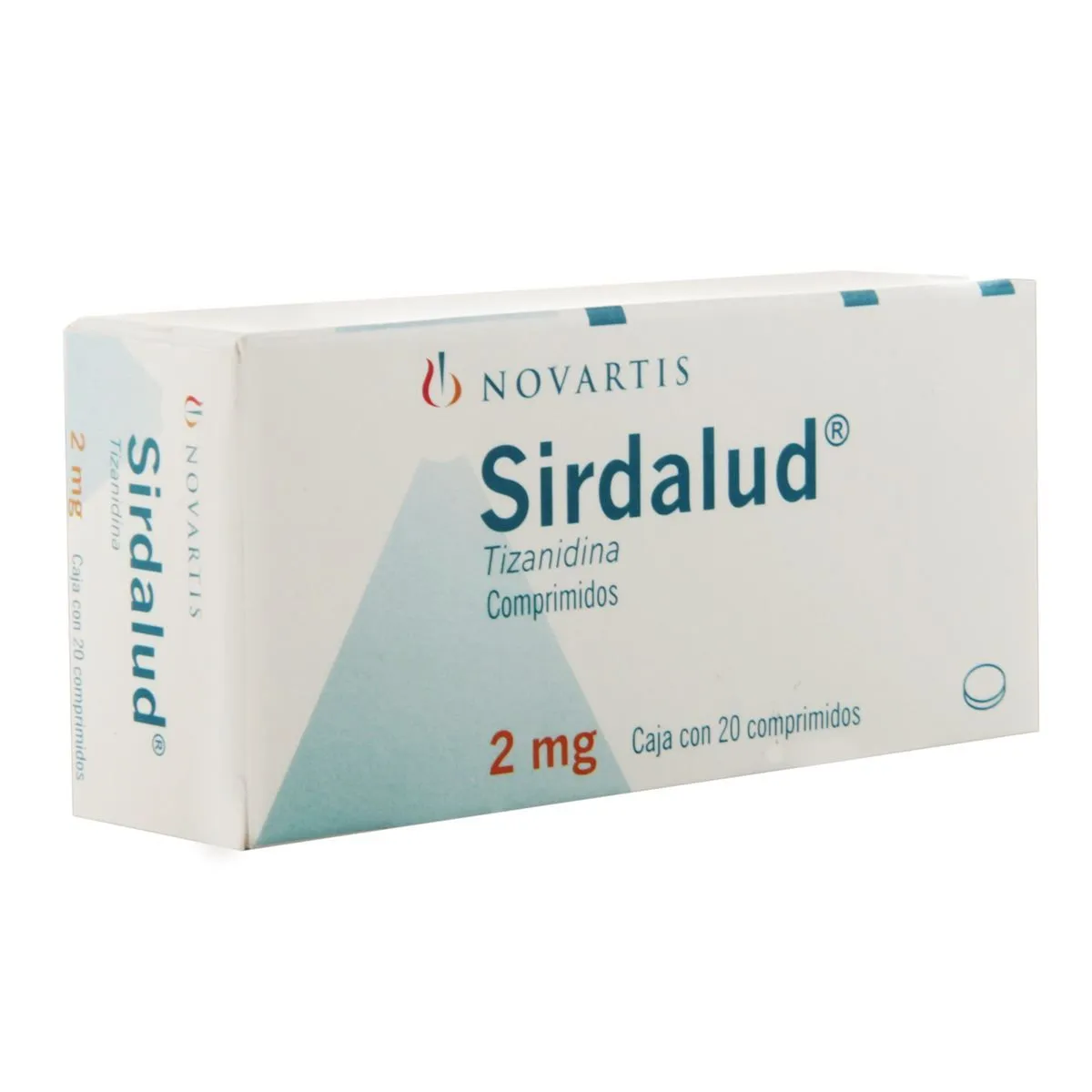
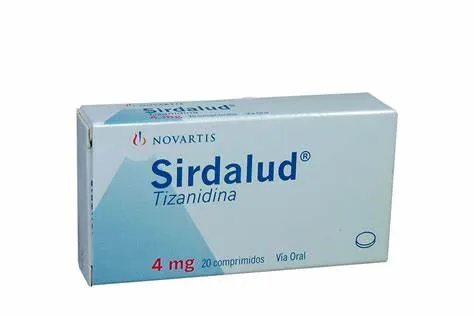
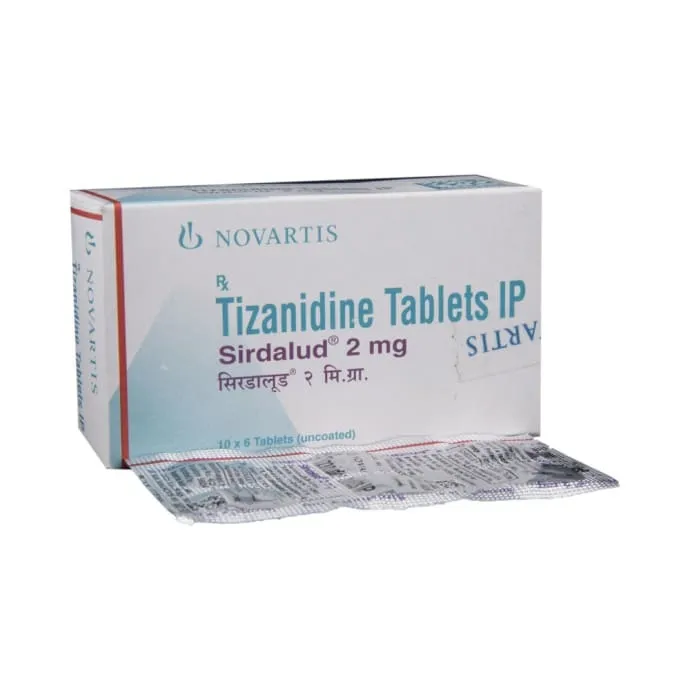

Comprehensive Guide to Sirdalud (Tizanidine): Clinical Overview
Sirdalud, known generically as Tizanidine, is a centrally acting skeletal muscle relaxant primarily utilized for the management of spasticity and musculoskeletal pain. As an α2-adrenergic agonist, it plays a critical role in orthopedic and neurological medicine by modulating spinal motor neuron activity. This guide provides an exhaustive clinical breakdown for healthcare providers and patients seeking authoritative information on its pharmacological profile.
1. Mechanism of Action and Pharmacokinetics
Mechanism of Action
Sirdalud functions as an agonist at α2-adrenergic receptors in the central nervous system. Its primary therapeutic effect is the inhibition of excitatory interneurons within the spinal cord. By increasing presynaptic inhibition of motor neurons, it reduces the excessive muscle tone associated with spasticity. Unlike other muscle relaxants that may act broadly on the CNS, Tizanidine’s specific action on spinal pathways allows for muscle relaxation with a relatively lower risk of systemic sedative effects compared to benzodiazepines.
Pharmacokinetics
Understanding the metabolic pathway of Sirdalud is vital for clinical dosing:
- Absorption: Rapidly absorbed after oral administration. Peak plasma concentrations are reached within 1 to 2 hours.
- Bioavailability: Approximately 40% due to significant first-pass hepatic metabolism.
- Distribution: Widely distributed in the body with a volume of distribution of approximately 2.4 L/kg.
- Metabolism: Primarily metabolized in the liver by the cytochrome P450 1A2 (CYP1A2) isoenzyme.
- Elimination: Primarily excreted via the kidneys (60%) and feces (20%). The terminal half-life is approximately 2.5 hours.
2. Clinical Indications and Usage
Sirdalud is indicated for the short-term management of muscle spasticity associated with various neurological or orthopedic conditions.
| Indication Type | Clinical Context |
|---|---|
| Neurological Spasticity | Multiple Sclerosis, spinal cord injury, or chronic myelopathy. |
| Orthopedic Pain | Acute, painful muscle spasms associated with static or functional disorders of the spine (e.g., cervical/lumbar syndrome). |
| Post-Surgical Spasm | Relief of muscle tension following orthopedic surgical procedures. |
3. Dosage Guidelines
Dosage must be individualized based on the patient’s clinical response and tolerability.
General Dosing Strategy
- Initial Dose: 2 mg orally, three times daily.
- Titration: The dose can be increased by 2 mg to 4 mg at intervals of 3 to 7 days, depending on the patient’s response.
- Maximum Daily Dose: Usually 36 mg per day. It is critical not to exceed this to avoid severe hypotension or sedation.
Important Administration Notes
- Food Effect: The bioavailability of Sirdalud tablets can be influenced by food. Patients should be consistent regarding whether they take the medication with or without food to maintain steady plasma levels.
- Renal Impairment: In patients with severe renal impairment (creatinine clearance < 25 mL/min), the starting dose should be reduced, and the patient should be monitored closely for hypotension.
4. Risks, Side Effects, and Contraindications
Contraindications
- Hypersensitivity: Known allergy to Tizanidine or any component of the formulation.
- Hepatic Impairment: Due to its primary metabolism in the liver, Sirdalud is contraindicated in patients with severe hepatic impairment.
- Drug Combinations: Concomitant use with potent CYP1A2 inhibitors (e.g., fluvoxamine, ciprofloxacin) is strictly contraindicated due to the risk of extreme hypotension and profound sedation.
Common Adverse Effects
- Central Nervous System: Drowsiness, dizziness, fatigue, and dry mouth.
- Cardiovascular: Hypotension and bradycardia.
- Gastrointestinal: Nausea and constipation.
- Hepatic: Potential for elevated liver transaminases (ALT/AST). Periodic liver function tests (LFTs) are recommended during the first few months of therapy.
Pregnancy and Lactation
- Pregnancy: Classified as Pregnancy Category C. It should only be used if the potential benefit justifies the potential risk to the fetus.
- Lactation: It is unknown if Tizanidine is excreted in human milk. Caution should be exercised when administering to nursing mothers.
5. Drug Interactions
Tizanidine’s reliance on the CYP1A2 pathway makes it highly susceptible to drug-drug interactions.
| Interacting Drug Class | Examples | Clinical Result |
|---|---|---|
| CYP1A2 Inhibitors | Fluvoxamine, Ciprofloxacin | Massive increase in Tizanidine levels; risk of toxicity. |
| Antihypertensives | Beta-blockers, Diuretics | Additive hypotensive effect. |
| CNS Depressants | Alcohol, Benzodiazepines | Enhanced sedation and cognitive impairment. |
| Oral Contraceptives | Ethinyl estradiol | May decrease Tizanidine clearance, increasing side effects. |
6. Overdose Management
An overdose of Sirdalud can lead to severe clinical manifestations, including respiratory depression, bradycardia, hypotension, and coma.
Management Protocol:
1. Airway/Breathing: Ensure a patent airway and provide mechanical ventilation if respiratory depression is present.
2. Gastric Decontamination: Consider activated charcoal if the ingestion was recent.
3. Supportive Care: Monitor hemodynamic status closely. IV fluids and vasopressors may be required for severe hypotension.
4. Observation: Continue monitoring until the patient is asymptomatic, as the drug has a relatively short half-life but can cause delayed cardiovascular instability.
7. Frequently Asked Questions (FAQ)
1. Is Sirdalud a narcotic or an opioid?
No, Sirdalud is not a narcotic or an opioid. It is a centrally acting alpha-2 adrenergic agonist used for muscle relaxation.
2. Can I consume alcohol while taking Sirdalud?
It is strongly advised to avoid alcohol. Alcohol intensifies the sedative and hypotensive effects of Sirdalud, which can lead to dangerous levels of impairment.
3. How long does it take for Sirdalud to work?
Typically, patients begin to feel the onset of action within 1 to 2 hours of oral administration.
4. Why do I need liver function tests while on this medication?
Sirdalud can occasionally cause elevated liver enzymes. LFTs are a standard safety precaution to ensure the drug is not causing hepatotoxicity.
5. Can I drive while taking Sirdalud?
Due to the common side effect of drowsiness and dizziness, you should avoid driving or operating heavy machinery until you know how the medication affects you.
6. What should I do if I miss a dose?
Take the missed dose as soon as you remember. If it is almost time for your next dose, skip the missed one. Do not take two doses at once.
7. Does Sirdalud cause weight gain?
Weight gain is not a common side effect of Sirdalud. If you notice unexplained weight changes, consult your physician.
8. Can elderly patients take Sirdalud?
Elderly patients are more susceptible to the hypotensive and sedative effects. A lower starting dose and cautious titration are required.
9. Is Sirdalud addictive?
While it is not a controlled substance in many jurisdictions, it can produce sedative effects that may lead to psychological dependence in some individuals. It should be used strictly as prescribed.
10. Can I take Sirdalud with other pain relievers like Ibuprofen?
Yes, Sirdalud is often prescribed alongside NSAIDs (like Ibuprofen) for orthopedic pain. However, always consult your doctor to ensure there are no specific contraindications for your health profile.
Clinical Conclusion
Sirdalud (Tizanidine) remains a potent tool in the orthopedic and neurological armamentarium for managing spasticity. Its efficacy in modulating spinal reflexes provides significant relief for patients suffering from acute muscle tension. However, its narrow therapeutic window, potential for hypotension, and interaction with the CYP1A2 pathway mandate that it be prescribed with careful monitoring and patient education. Always consult with a licensed healthcare professional before initiating or modifying a treatment regimen involving Sirdalud.
Disclaimer: This content is for educational purposes only and does not constitute medical advice, diagnosis, or treatment. Always seek the advice of your physician or other qualified health provider with any questions you may have regarding a medical condition or medication.