
Comprehensive Guide to Solpadeine: Clinical Pharmacology and Therapeutic Use
Solpadeine is a widely recognized analgesic formulation often utilized in clinical settings for the management of acute, moderate pain that has proven unresponsive to simpler analgesics like paracetamol or ibuprofen alone. As an orthopedic-focused resource, this guide explores the pharmacological profile, therapeutic utility, and safety parameters of this combination medication.
What is Solpadeine?
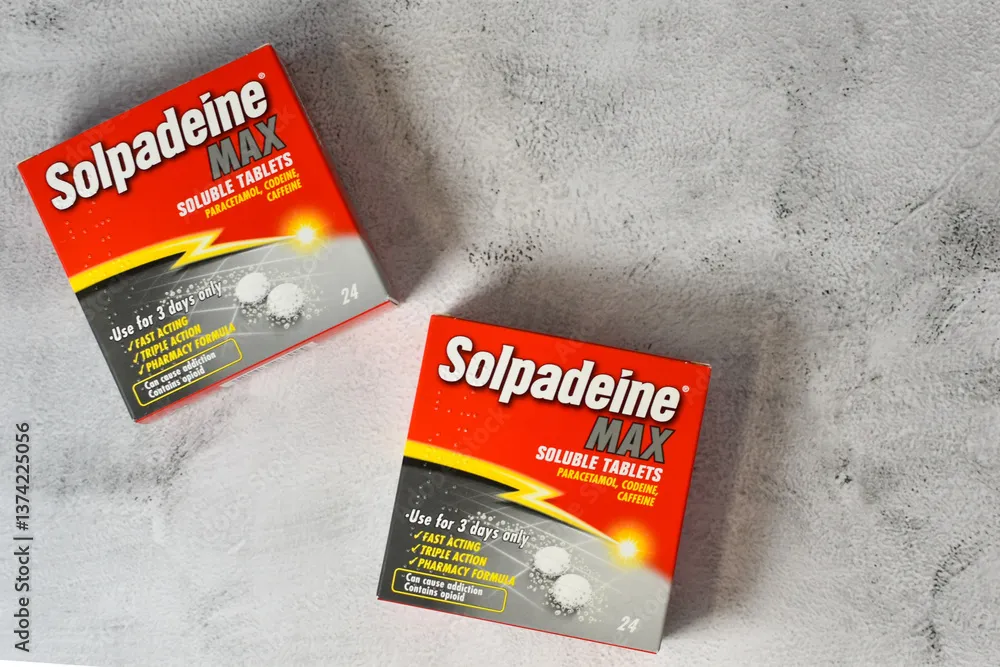
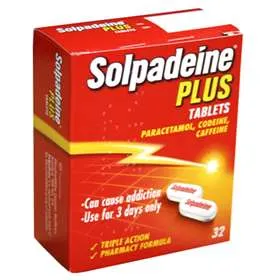
Solpadeine is a combination drug that typically integrates three active ingredients to provide a synergistic effect on pain relief:
- Paracetamol (Acetaminophen): An analgesic and antipyretic.
- Codeine Phosphate: A centrally acting opioid analgesic.
- Caffeine: A central nervous system (CNS) stimulant that enhances the analgesic efficacy of the other components.
By combining these agents, Solpadeine targets pain through multiple pathways, making it particularly effective for musculoskeletal injuries, postoperative recovery, and severe headaches.
Technical Specifications and Mechanisms of Action
To understand why Solpadeine is effective, one must analyze the individual contributions of its components and how they interact within the human physiological system.
1. Paracetamol (Acetaminophen)
Paracetamol acts primarily by inhibiting prostaglandin synthesis in the central nervous system. Unlike Non-Steroidal Anti-Inflammatory Drugs (NSAIDs), it has negligible peripheral anti-inflammatory activity. It is the backbone of the formulation, providing foundational pain relief and fever reduction.
2. Codeine Phosphate
Codeine is a prodrug of morphine. Upon ingestion, it undergoes O-demethylation in the liver via the cytochrome P450 enzyme CYP2D6 to form morphine. Morphine then binds to mu-opioid receptors in the central nervous system, altering the perception of and emotional response to pain.
3. Caffeine
Caffeine acts as an adjuvant in this formulation. It induces vasoconstriction of cerebral blood vessels (which helps in tension-type headaches) and enhances the analgesic effect of paracetamol and codeine, potentially allowing for lower doses of opioids to achieve the same therapeutic outcome.
Pharmacokinetics Table
| Feature | Paracetamol | Codeine | Caffeine |
|---|---|---|---|
| Absorption | Rapid, complete | Well absorbed | Rapid, complete |
| Metabolism | Hepatic (glucuronidation) | Hepatic (CYP2D6) | Hepatic (CYP1A2) |
| Excretion | Renal | Renal | Renal |
| Half-Life | 1–4 hours | 2–4 hours | 3–7 hours |
Clinical Indications and Dosage Guidelines
Solpadeine is indicated for the short-term treatment of acute, moderate pain which is not relieved by paracetamol, ibuprofen, or aspirin alone.
Common Orthopedic Indications
- Post-operative pain: Management following minor orthopedic procedures.
- Acute Musculoskeletal Trauma: Sprains, strains, and fractures.
- Severe Back Pain: When muscle relaxation and analgesia are both required.
- Dental Pain: Post-extraction recovery.
Dosage Considerations
Dosage must be strictly managed to avoid hepatotoxicity (from paracetamol) and opioid dependence (from codeine).
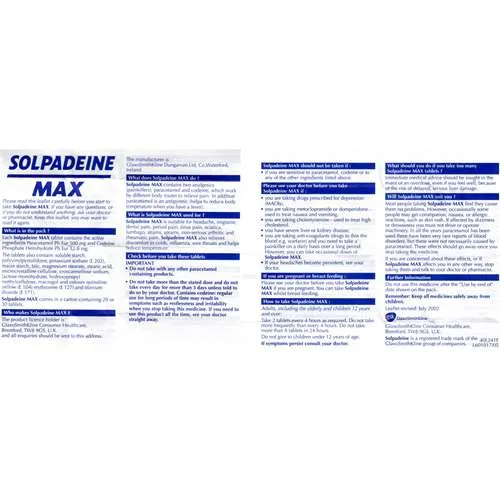
- Adults: Usually 1–2 tablets or capsules every 4 to 6 hours as needed.
- Maximum Dose: Do not exceed 8 tablets in a 24-hour period.
- Duration: Use should be limited to 3 days. If pain persists, medical consultation is mandatory to rule out underlying pathologies.
Risks, Side Effects, and Contraindications
While effective, Solpadeine carries significant risks that necessitate professional medical oversight.
Common Adverse Effects
- Gastrointestinal: Nausea, vomiting, and constipation (a hallmark side effect of codeine).
- Neurological: Dizziness, drowsiness, and lightheadedness.
- Dermatological: Rare skin rashes or allergic reactions.
Contraindications
Solpadeine should be avoided in patients with:
* Hypersensitivity: Known allergy to paracetamol, codeine, or caffeine.
* Respiratory Depression: Patients with asthma or COPD should use caution.
* Liver Impairment: Due to the risk of paracetamol-induced hepatotoxicity.
* Alcoholism: Chronic alcohol consumption increases the risk of liver damage when taking paracetamol.
* Ultra-rapid Metabolizers: Individuals who carry specific gene variants (CYP2D6) that convert codeine to morphine too quickly, leading to opioid toxicity.
Pregnancy and Lactation
- Pregnancy: Solpadeine is generally not recommended during pregnancy unless the benefits outweigh the risks. Codeine use near term may cause respiratory depression in the neonate.
- Lactation: Codeine passes into breast milk. It is not recommended for nursing mothers as it may cause sedation or respiratory issues in the infant.
Overdose Management
An overdose of Solpadeine is a medical emergency due to the dual toxicity of paracetamol and codeine.
- Paracetamol Toxicity: Leads to acute liver failure. N-acetylcysteine (NAC) is the specific antidote and must be administered as soon as possible.
- Codeine Toxicity: Leads to respiratory depression and coma. Naloxone is the specific opioid antagonist used to reverse the effects of codeine-derived morphine.
If an overdose is suspected, seek immediate emergency medical care.
Frequently Asked Questions (FAQ)
1. Can I take Solpadeine with other paracetamol products?
No. Solpadeine contains paracetamol. Taking additional paracetamol products simultaneously significantly increases the risk of severe liver damage.
2. Why does Solpadeine cause constipation?
Codeine is an opioid that slows down intestinal motility, which frequently leads to constipation. Increasing fiber intake and hydration is often recommended.
3. Is Solpadeine addictive?
Yes. Because it contains codeine, prolonged use can lead to physical and psychological dependence. It should only be used for the shortest duration necessary.
4. Can I drive while taking Solpadeine?
Solpadeine can cause drowsiness and dizziness. You should not drive or operate heavy machinery until you know how the medication affects you.
5. What should I do if I miss a dose?
Take the dose as soon as you remember, unless it is near the time for your next scheduled dose. Do not take a double dose to make up for a missed one.
6. Can children take Solpadeine?
Generally, Solpadeine is not indicated for children under 12 years of age. Always consult a pediatrician regarding pain management for children.
7. Does Solpadeine interact with antidepressants?
Yes, certain antidepressants (like SSRIs or MAOIs) can interact with codeine, potentially leading to serotonin syndrome or increased sedation. Always disclose all medications to your doctor.
8. How long does it take for Solpadeine to work?
Typically, the analgesic effects begin within 30 to 60 minutes of oral administration.
9. Why is caffeine included in the formula?
Caffeine acts as an adjuvant that helps the body absorb the pain-relieving components faster and increases their overall efficacy.
10. Can I drink alcohol while taking Solpadeine?
It is strongly advised to avoid alcohol. Alcohol increases the sedative effects of codeine and significantly elevates the risk of liver damage from the paracetamol component.
Conclusion
Solpadeine is a powerful tool in the orthopedic and general medicine arsenal for managing acute, short-term pain. However, its efficacy is balanced by the necessity for strict adherence to dosage guidelines. Patients must be educated on the risks of opioid dependence and the dangers of exceeding daily paracetamol limits. Always consult with a licensed healthcare provider to determine if Solpadeine is the appropriate clinical choice for your specific condition.
Disclaimer: This guide is for educational purposes only and does not constitute medical advice. Always seek the advice of your physician or other qualified health provider with any questions you may have regarding a medical condition or medication.