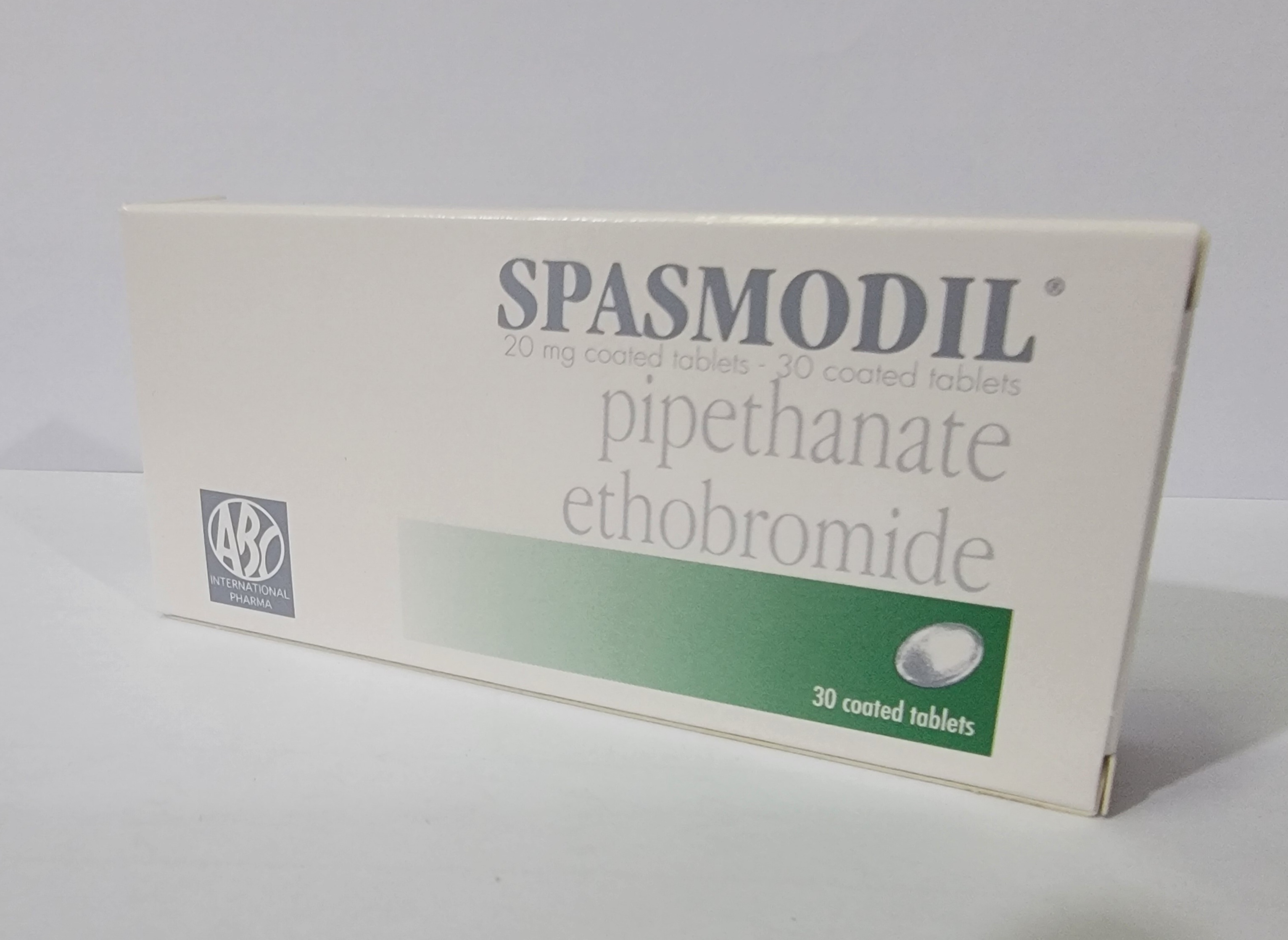

Comprehensive Guide to Spasmodil Tablet: Clinical Overview
Spasmodil is a widely recognized pharmacological agent primarily utilized for the management of smooth muscle spasms. In the realm of orthopedic and internal medicine, managing involuntary muscular contractions—whether they arise from gastrointestinal distress, biliary colic, or musculoskeletal tension—is critical for patient comfort and recovery. This guide provides an exhaustive analysis of Spasmodil, its pharmacodynamics, and its clinical applications.
What is Spasmodil?
Spasmodil is an antispasmodic medication designed to relax smooth muscles. While formulations may vary by region, the core constituents typically involve an anticholinergic/antispasmodic agent combined with an analgesic (such as Paracetamol or Diclofenac) to provide dual-action relief: stopping the spasm and mitigating the associated pain.
Technical Specifications and Mechanism of Action
To understand how Spasmodil functions, one must examine the physiological pathway of smooth muscle contraction.
Pharmacodynamics (Mechanism of Action)
The efficacy of Spasmodil stems from its ability to antagonize receptors that trigger muscle contraction.
* Anticholinergic Activity: It acts by blocking muscarinic acetylcholine receptors. Acetylcholine is the primary neurotransmitter responsible for stimulating smooth muscle contraction. By inhibiting this, the drug prevents the "spasm" signal from reaching the target tissue.
* Direct Myotropic Effect: Beyond receptor inhibition, components of the tablet often exert a direct relaxant effect on the smooth muscle cells by modulating calcium influx, thereby preventing the actin-myosin cross-bridge formation necessary for contraction.
* Analgesic Synergy: The inclusion of non-steroidal anti-inflammatory drugs (NSAIDs) or analgesics inhibits the synthesis of prostaglandins—lipid compounds that sensitize nerve endings to pain.
Pharmacokinetics
- Absorption: The tablet is designed for oral administration, typically achieving peak plasma concentration (Tmax) within 60 to 120 minutes post-ingestion.
- Distribution: Spasmodil components are generally well-distributed throughout the extracellular fluid.
- Metabolism: Primarily processed in the hepatic system via glucuronidation and oxidation pathways.
- Elimination: Excretion occurs predominantly through the renal system. Patients with impaired renal function require dosage adjustments to prevent toxicity.
Clinical Indications and Therapeutic Usage
Spasmodil is indicated for conditions characterized by involuntary, painful contractions of the smooth muscles.
| Condition Category | Specific Indication |
|---|---|
| Gastrointestinal | Irritable Bowel Syndrome (IBS), abdominal cramps, gastroenteritis |
| Biliary | Biliary colic, cholecystitis-related spasms |
| Renal/Urological | Renal colic, ureteric spasms, bladder irritability |
| Gynecological | Primary dysmenorrhea (menstrual cramps) |
| Musculoskeletal | Adjunctive therapy for muscle spasms associated with orthopedic injuries |
Clinical Application Guidelines
Healthcare providers typically prescribe Spasmodil as a short-term intervention. It is not intended for long-term chronic management without medical supervision, as the underlying cause of the spasm (e.g., an obstruction or infection) must be addressed concurrently.
Dosage Guidelines and Administration
Dosage is highly dependent on the severity of the symptoms and the patient's underlying health profile.
- Standard Adult Dosage: 1 tablet taken orally every 8 to 12 hours as needed.
- Maximum Daily Limit: Do not exceed the maximum daily dose prescribed by your physician, as exceeding this can lead to systemic toxicity, particularly if the tablet contains Paracetamol (risk of hepatotoxicity).
- Administration: It is recommended to take the tablet with a full glass of water. If the patient suffers from gastric sensitivity, taking the medication with food can mitigate potential stomach upset.
Risks, Side Effects, and Contraindications
While effective, Spasmodil carries a profile of potential side effects that patients and clinicians must monitor.
Common Side Effects
- Dry Mouth (Xerostomia): A common result of anticholinergic activity.
- Blurred Vision: Due to mild cycloplegia (temporary paralysis of the ciliary muscle).
- Drowsiness/Dizziness: Patients should exercise caution when operating heavy machinery.
- Constipation: Reduced peristalsis as a secondary effect of smooth muscle relaxation.
Contraindications
Spasmodil should be avoided or used with extreme caution in patients with:
1. Glaucoma: Specifically narrow-angle glaucoma, as anticholinergics can increase intraocular pressure.
2. Prostatic Hypertrophy: It may exacerbate urinary retention.
3. Gastrointestinal Obstruction: Relaxing the gut in the presence of a mechanical blockage can be dangerous.
4. Severe Hepatic or Renal Impairment: Requires dose titration.
5. Hypersensitivity: Known allergy to the active ingredients.
Pregnancy and Lactation
- Pregnancy: Category C. Use only if the potential benefit justifies the potential risk to the fetus. Avoid in the third trimester unless strictly indicated.
- Lactation: Components may be excreted in breast milk. Consult an obstetrician before use.
Drug Interactions
Spasmodil may interact with:
* Other Anticholinergics: Increases the risk of additive side effects like urinary retention and confusion.
* CNS Depressants: Enhances sedation (e.g., alcohol, benzodiazepines).
* Antacids: May reduce the absorption rate of the tablet.
Overdose Management
An overdose of Spasmodil is a medical emergency.
* Symptoms: Tachycardia, severe dry mouth, dilated pupils, confusion, hallucinations, and in severe cases, seizures or coma.
* Management: Immediate gastric lavage or administration of activated charcoal may be required if the ingestion is recent. Supportive care, including monitoring of vital signs and hydration, is essential. Physostigmine may be used as an antidote in confirmed cases of severe anticholinergic toxicity under strict hospital supervision.
Frequently Asked Questions (FAQ)
1. Is Spasmodil a painkiller?
Yes, most Spasmodil formulations contain an analgesic component, making it effective for both the spasm and the resulting pain.
2. Can I take Spasmodil on an empty stomach?
While it is generally safe, taking it with food is recommended to reduce the risk of gastrointestinal irritation.
3. How quickly does Spasmodil work?
Most patients experience relief within 30 to 60 minutes of oral administration.
4. Can I drive after taking this tablet?
Due to potential side effects like dizziness or blurred vision, it is advised to avoid driving or operating machinery until you know how the medication affects you.
5. Does Spasmodil cause addiction?
Spasmodil is not classified as an addictive substance, but it should only be used for the duration of the symptoms as directed by a doctor.
6. Can children take Spasmodil?
Pediatric use must be strictly determined by a pediatrician based on weight and age. Never administer adult doses to children.
7. What should I do if I miss a dose?
Take it as soon as you remember. If it is nearly time for your next dose, skip the missed one. Do not double the dose.
8. Is it safe for the elderly?
The elderly are more prone to anticholinergic side effects (e.g., urinary retention, confusion). Use with extreme caution.
9. Can I drink alcohol while on this medication?
Alcohol can increase the sedative effects of the medication and may exacerbate the gastrointestinal irritation the drug is trying to treat.
10. Does Spasmodil interact with blood pressure medication?
Some interactions may occur. Always provide your doctor with a full list of your current medications before starting Spasmodil.
Final Clinical Advisory
This guide is for informational purposes only and does not replace professional medical advice. Always consult with a licensed healthcare provider before initiating any new medication regimen. If you experience severe allergic reactions, such as swelling of the face or difficulty breathing, seek emergency medical assistance immediately.