
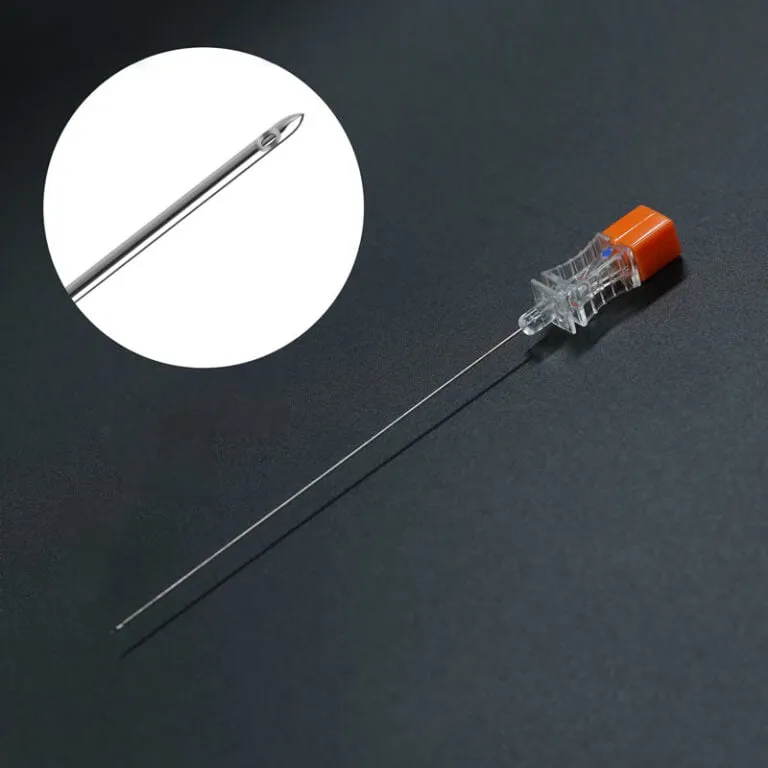

Introduction to Spinal Needles: The Standard of Care
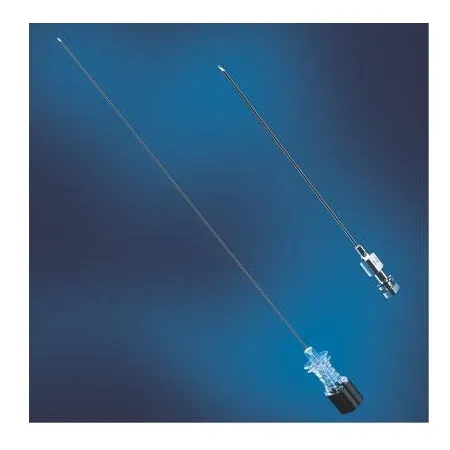
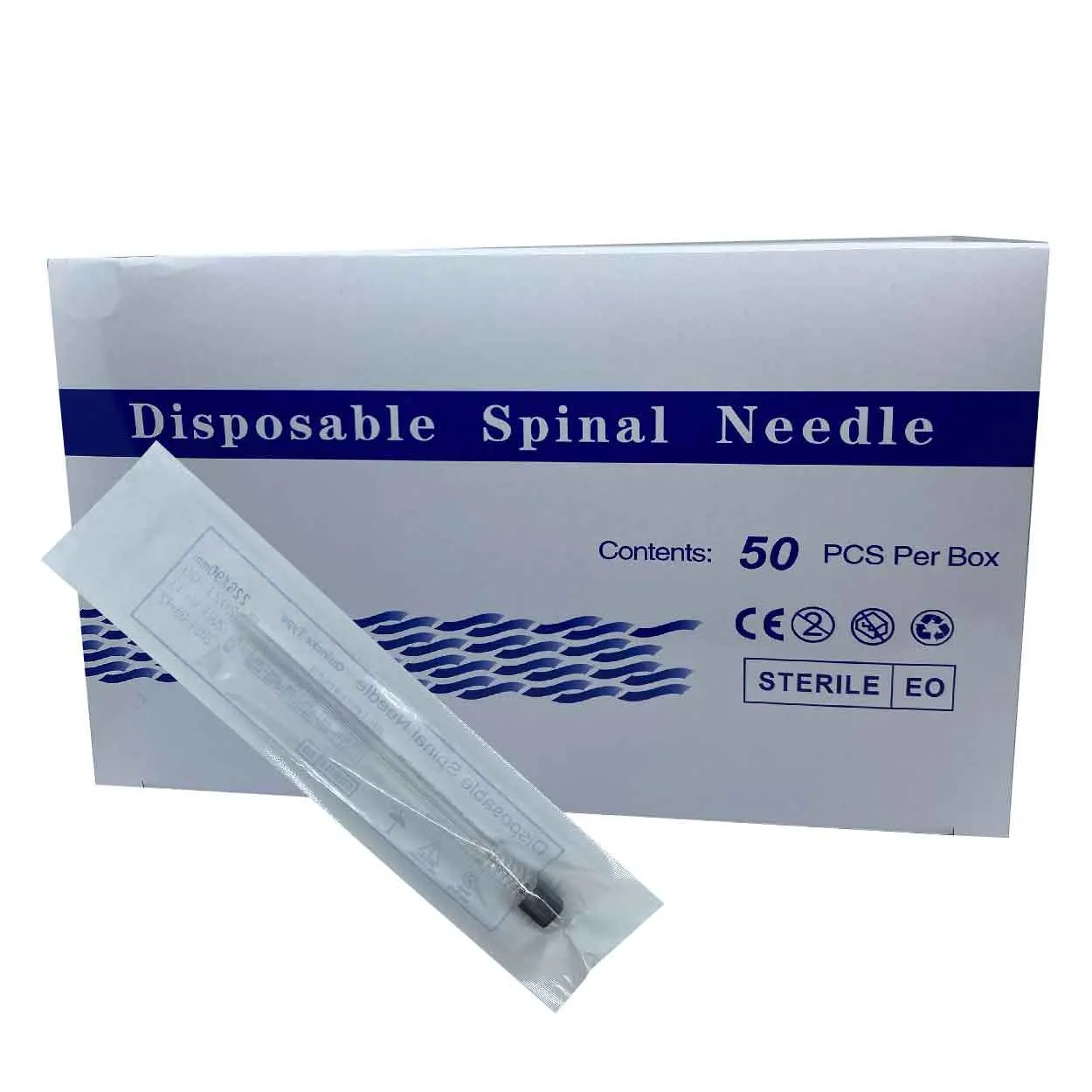
The spinal needle is a specialized medical device engineered for the precise delivery of anesthetic agents, diagnostic sampling, or therapeutic interventions into the subarachnoid space. In the realm of anesthesiology and pain management, the spinal needle is the quintessential instrument for subarachnoid blocks (SAB). Its design evolution—from the traditional Quincke (cutting) needle to the modern Pencil-Point (atraumatic) needle—represents a significant advancement in reducing complications such as Post-Dural Puncture Headache (PDPH).
This guide provides an exhaustive clinical overview of spinal needle technology, procedural applications, and safety protocols essential for orthopedic and anesthesiology specialists.
Technical Specifications and Mechanism of Action
The function of a spinal needle is defined by its geometry, gauge, and tip configuration. Unlike standard hypodermic needles, spinal needles are designed to navigate the ligamentous structures of the spine while minimizing trauma to the dura mater.
Needle Tip Designs
| Tip Type | Mechanism | Clinical Advantage |
|---|---|---|
| Quincke | Cutting edge; pierces fibers. | Easier insertion due to sharpness. |
| Whitacre | Pencil-point; separates fibers. | Significant reduction in PDPH rates. |
| Sprotte | Pencil-point; side-port opening. | Improved flow dynamics; reduced nerve trauma. |
Gauge and Flow Dynamics
The gauge (diameter) of the needle is inversely proportional to its size. In clinical practice, smaller gauges (e.g., 25G to 27G) are preferred to minimize the dural hole size, thereby reducing the risk of cerebrospinal fluid (CSF) leakage.
- 20G–22G: Often used for diagnostic lumbar punctures.
- 25G–27G: Standard for spinal anesthesia, balancing flow rate with safety.
- 29G+: Primarily used for specialized procedures where minimal dural trauma is the absolute priority.
Detailed Clinical Indications
Spinal needles are indicated for a range of diagnostic and therapeutic procedures. The primary goal is the introduction of pharmacologic agents into the intrathecal space or the extraction of CSF.
1. Spinal Anesthesia
The most common application. Used for lower abdominal, pelvic, and lower extremity surgeries.
* Orthopedic applications: Total knee arthroplasty (TKA), hip fracture repairs, and foot/ankle surgeries.
* Obstetrics: Cesarean sections and labor analgesia.
2. Diagnostic Lumbar Puncture
Used to obtain CSF samples to diagnose:
* Meningitis or encephalitis.
* Multiple sclerosis (oligoclonal bands).
* Subarachnoid hemorrhage.
* Normal pressure hydrocephalus.
3. Therapeutic Interventions
- Intrathecal Chemotherapy: Delivery of medications directly to the CNS for leukemia or lymphoma.
- Pain Management: Administration of opioids or local anesthetics for chronic pain syndromes.
Pharmacokinetics and Drug Delivery
While the needle itself is a device, its performance is intrinsically linked to the pharmacokinetics of the agents delivered through it.
- Absorption: Intrathecal agents bypass the blood-brain barrier, leading to rapid onset.
- Distribution: Medication distributes via CSF circulation. The baricity of the solution (hyperbaric, isobaric, or hypobaric) determines the spread of the anesthetic block.
- Elimination: Agents are cleared via venous absorption or redistribution into systemic circulation.
Dosage Guidelines (General Reference)
Dosage is highly dependent on the patient’s height, weight, and the specific agent used.
| Agent | Typical Concentration | Common Dose (Adult) |
|---|---|---|
| Bupivacaine (Hyperbaric) | 0.5% | 7.5 mg – 15 mg |
| Lidocaine (Isobaric) | 2% – 5% | 40 mg – 60 mg |
| Fentanyl (Adjunct) | 50 mcg/mL | 10 mcg – 25 mcg |
Contraindications and Risks
Absolute Contraindications
- Patient Refusal: Informed consent is mandatory.
- Infection: Local skin infection at the site of needle insertion (e.g., cellulitis, herpes zoster).
- Coagulopathy: Uncorrected severe bleeding disorders or therapeutic anticoagulation (risk of epidural hematoma).
- Increased Intracranial Pressure (ICP): Risk of brain herniation during CSF withdrawal.
Potential Risks and Complications
- Post-Dural Puncture Headache (PDPH): Caused by persistent CSF leak.
- Transient Neurologic Symptoms (TNS): Pain or dysesthesia in the lower extremities.
- Spinal Hematoma: A surgical emergency requiring rapid decompression.
- Infection: Meningitis or epidural abscess due to breach of sterile technique.
Pregnancy and Lactation Warnings
- Pregnancy: Spinal anesthesia is often the preferred method for cesarean section due to reduced neonatal drug exposure compared to general anesthesia. However, physiological changes in pregnancy (e.g., engorgement of epidural veins) necessitate careful needle placement to avoid accidental vessel puncture.
- Lactation: Most local anesthetics used during spinal procedures have a low transfer rate into breast milk and are generally considered compatible with breastfeeding.
Overdose and Management
In the event of an accidental overdose of intrathecal medication:
1. Airway Management: High spinal anesthesia can lead to respiratory paralysis; immediate intubation and mechanical ventilation may be required.
2. Hemodynamic Support: Vasopressors (e.g., phenylephrine, ephedrine) are indicated for hypotension resulting from sympathetic blockade.
3. Fluid Resuscitation: Aggressive crystalloid administration to maintain preload.
Frequently Asked Questions (FAQ)
1. What is the difference between a Quincke and a Whitacre needle?
The Quincke needle has a cutting tip that severs dural fibers, whereas the Whitacre needle has a pencil-point design that spreads the fibers, leading to faster healing and lower PDPH risk.
2. Why do spinal needles have a stylet?
The stylet prevents the coring of tissue (skin or fat) into the subarachnoid space, which could lead to an epidermoid tumor or infection.
3. How do I know if I have reached the subarachnoid space?
The primary indicator is the presence of clear CSF flow at the hub of the needle.
4. What is the cause of "Post-Dural Puncture Headache"?
It is caused by a persistent leak of CSF, which reduces intracranial pressure and causes traction on pain-sensitive meningeal structures.
5. Can a spinal needle be reused?
No. Spinal needles are single-use, sterile devices. Reuse increases the risk of infection and structural failure.
6. What is the significance of "baricity"?
Baricity refers to the density of the anesthetic solution relative to CSF. It determines how the medication moves within the spinal canal once injected.
7. How long does a spinal block typically last?
Depending on the agent and dose, duration can range from 60 minutes to over 4 hours.
8. Is spinal anesthesia safe for elderly patients?
Yes, it is often preferred for orthopedic surgeries in the elderly to reduce the risk of cognitive dysfunction associated with general anesthesia.
9. What should I do if I encounter a "bloody tap"?
Remove the needle, apply pressure, and consider re-attempting at a different interspace or switching to an alternative anesthesia method.
10. Are spinal needles used for epidurals?
No. Epidural needles (e.g., Tuohy needles) are blunt and curved to allow for the threading of a catheter, whereas spinal needles are designed for direct injection.
Conclusion
The spinal needle remains a cornerstone of modern medicine. By understanding the mechanical nuances, clinical indications, and safety profiles outlined in this guide, clinicians can ensure optimal patient outcomes while minimizing the risk of procedural complications. Always adhere to strict aseptic technique and remain vigilant for signs of neurological or systemic adverse events.