

Comprehensive Guide to Bactrim (Sulfamethoxazole and Trimethoprim)
Bactrim, a combination antibiotic consisting of Sulfamethoxazole and Trimethoprim (often abbreviated as SMZ-TMP or co-trimoxazole), stands as a cornerstone in the pharmacological management of various bacterial infections. Since its clinical introduction, it has remained a vital tool for clinicians, particularly in treating urinary tract infections (UTIs), respiratory tract infections, and emerging skin infections like Methicillin-resistant Staphylococcus aureus (MRSA).
This guide provides an exhaustive clinical overview of Bactrim, intended for educational purposes for healthcare providers and informed patients.
Mechanism of Action: The Dual-Blockade Approach
The efficacy of Bactrim is rooted in its synergistic mechanism of action. Unlike many antibiotics that target only one pathway, Bactrim inhibits two sequential steps in the bacterial synthesis of folic acid, which is essential for DNA and protein synthesis in bacteria.
Step 1: Sulfamethoxazole (The Dihydropteroate Synthase Inhibitor)
Sulfamethoxazole is a sulfonamide that acts as a structural analog of para-aminobenzoic acid (PABA). It competitively inhibits the enzyme dihydropteroate synthase, preventing the incorporation of PABA into dihydrofolic acid.
Step 2: Trimethoprim (The Dihydrofolate Reductase Inhibitor)
Trimethoprim binds to and reversibly inhibits the enzyme dihydrofolate reductase (DHFR). This prevents the reduction of dihydrofolate to tetrahydrofolate, the active form of folic acid.
By inhibiting these two enzymes, Bactrim effectively starves the bacteria of the nucleotides required for replication, resulting in a bactericidal effect rather than a simple bacteriostatic one.
Pharmacokinetics
Understanding the movement of the drug through the body is essential for dosage optimization.
| Parameter | Sulfamethoxazole | Trimethoprim |
|---|---|---|
| Absorption | Rapid/Well absorbed | Rapid/Well absorbed |
| Protein Binding | Approx. 70% | Approx. 44% |
| Metabolism | Hepatic (Acetylation) | Hepatic |
| Half-life | 10–12 hours | 8–10 hours |
| Excretion | Renal | Renal |
Clinical Indications and Usage
Bactrim is indicated for a broad spectrum of infections. Its use should always be guided by local susceptibility patterns and clinical judgment.
Primary Indications:
- Urinary Tract Infections (UTIs): Highly effective against E. coli, Klebsiella, and Enterobacter species.
- Acute Otitis Media: Often used in pediatric populations where first-line therapies have failed.
- Acute Exacerbations of Chronic Bronchitis: Specifically for Streptococcus pneumoniae or Haemophilus influenzae.
- Pneumocystis jirovecii Pneumonia (PJP/PCP): The gold standard for both treatment and prophylaxis in immunocompromised patients (e.g., HIV/AIDS).
- Skin and Soft Tissue Infections: Particularly effective against community-acquired MRSA (CA-MRSA).
- Traveler’s Diarrhea: Used in specific regions where susceptibility remains high.
Dosage Guidelines
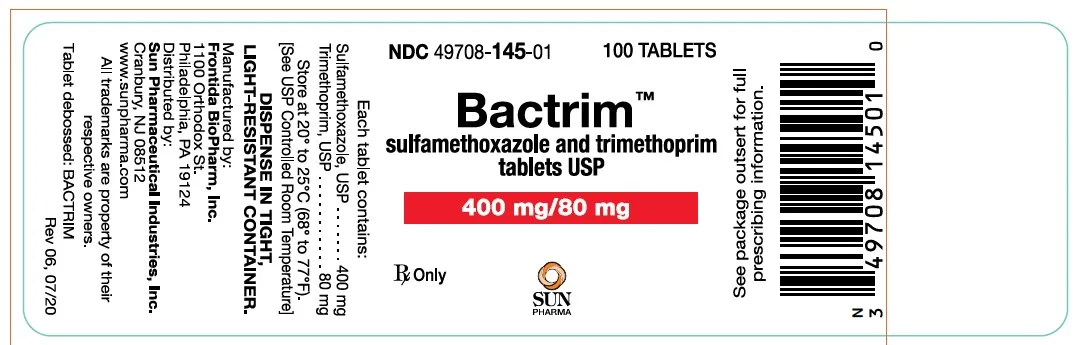
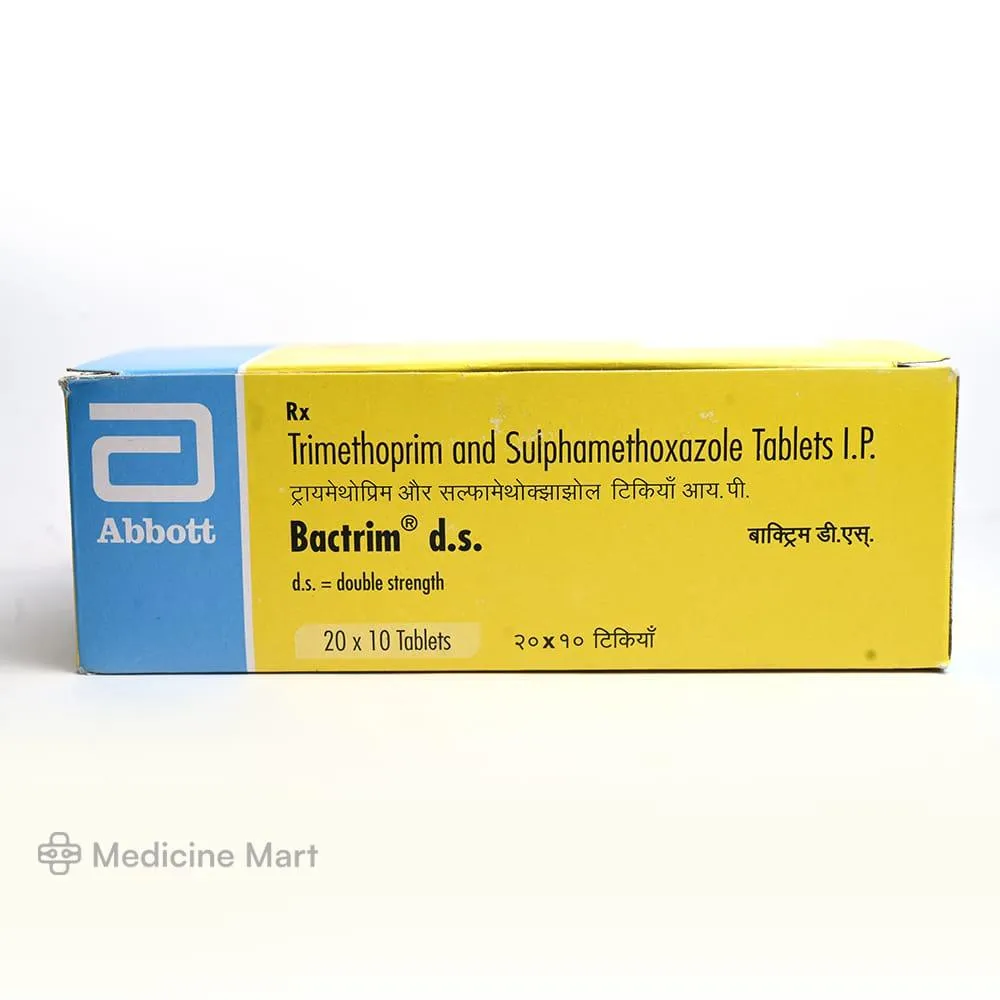
Dosage is typically expressed in terms of the Sulfamethoxazole component. The standard ratio in a tablet is 5:1 (e.g., 400 mg SMZ / 80 mg TMP for a "Single Strength" tablet, or 800 mg SMZ / 160 mg TMP for a "Double Strength" tablet).
Standard Dosing Examples
- Uncomplicated UTI: 160 mg TMP / 800 mg SMZ every 12 hours for 3 days.
- PCP Treatment: 15–20 mg/kg/day (based on the TMP component) divided into 3–4 doses for 14–21 days.
- Renal Impairment: Dosage must be adjusted based on creatinine clearance (CrCl). If CrCl is <15 mL/min, use is generally not recommended.
Risks, Side Effects, and Contraindications
While Bactrim is highly effective, it carries a profile of risks that require monitoring.
Common Side Effects
- Gastrointestinal distress (nausea, vomiting, diarrhea).
- Skin rashes or pruritus.
- Photosensitivity (patients should be advised to wear sunscreen).
Serious Adverse Reactions
- Severe Cutaneous Adverse Reactions (SCARs): Stevens-Johnson Syndrome (SJS) and Toxic Epidermal Necrolysis (TEN). Immediate discontinuation is required if a rash appears.
- Hematologic Issues: Agranulocytosis, aplastic anemia, and thrombocytopenia.
- Hyperkalemia: Particularly in patients on ACE inhibitors or those with renal insufficiency.
- Crystalluria: Risk of kidney stones; patients must maintain adequate hydration.
Contraindications
- Known hypersensitivity to sulfonamides or trimethoprim.
- History of drug-induced immune thrombocytopenia.
- Megaloblastic anemia due to folate deficiency.
- Pregnancy at term (due to the risk of kernicterus in the newborn).
- Patients with documented hepatic or severe renal impairment.
Drug Interactions
Bactrim is a known inhibitor of the CYP2C9 enzyme, which leads to significant interactions with several classes of drugs:
- Warfarin: Increases the anticoagulant effect, significantly raising the risk of bleeding. INR monitoring is mandatory.
- Methotrexate: Increases the risk of bone marrow suppression.
- ACE Inhibitors/ARBs: Increases the risk of hyperkalemia.
- Cyclosporine: May increase nephrotoxicity.
- Sulfonylureas: May potentiate the hypoglycemic effect.
Pregnancy and Lactation Warnings
- Pregnancy: Bactrim should be avoided during the first trimester if possible, as it may interfere with folate metabolism, which is critical for fetal development. It is contraindicated near term due to the risk of kernicterus (bilirubin-induced brain damage) in the neonate.
- Lactation: Both components are excreted in breast milk. It should be used with caution in nursing mothers, especially if the infant is premature or has jaundice.
Overdose Management
Acute overdose of Bactrim can lead to symptoms such as dizziness, headache, nausea, and in severe cases, hematuria or bone marrow depression.
Management:
1. Gastric Lavage/Emesis: If the ingestion is recent.
2. Forced Diuresis: Increases renal excretion of the drug.
3. Folinic Acid: If signs of bone marrow depression occur, administer 5–15 mg/day of leucovorin (folinic acid) to counteract the effects of trimethoprim on human DHFR.
4. Hemodialysis: Moderately effective in removing both components from the blood.
Frequently Asked Questions (FAQ)
1. What is the difference between Single Strength and Double Strength?
Single Strength (SS) contains 400 mg SMZ / 80 mg TMP. Double Strength (DS) contains 800 mg SMZ / 160 mg TMP. Always verify the strength prescribed by your physician.
2. Should I take Bactrim with food?
Taking Bactrim with a full glass of water and food can help reduce the potential for stomach upset.
3. What if I miss a dose?
Take the missed dose as soon as you remember. However, if it is almost time for your next dose, skip the missed one. Do not double up to catch up.
4. Can I drink alcohol while on Bactrim?
While there is no direct chemical interaction, alcohol can exacerbate dehydration and nausea, and may potentially affect liver function. It is generally advised to avoid alcohol while fighting an infection.
5. Why is hydration important?
Bactrim can form crystals in the urine (crystalluria). Drinking at least 6–8 glasses of water daily helps prevent kidney stones and kidney damage.
6. Is Bactrim safe for children?
Bactrim is generally not recommended for infants under two months of age due to the risk of kernicterus. For older children, it is used under strict physician supervision.
7. How long does it take for Bactrim to work?
Most patients begin to feel better within 48 to 72 hours. However, it is vital to finish the full course of antibiotics to prevent the development of antibiotic resistance.
8. What should I do if I develop a rash?
Stop taking the medication immediately and contact your healthcare provider. A rash can be the first sign of a life-threatening allergic reaction like SJS/TEN.
9. Can Bactrim cause a false positive on drug tests?
While rare, certain laboratory tests for blood sugar or thyroid function may be affected by the presence of sulfonamides. Always inform your lab technician that you are taking this medication.
10. Does Bactrim affect birth control?
There is limited evidence suggesting that some antibiotics can decrease the efficacy of oral contraceptives. It is recommended to use a backup barrier method (like condoms) while taking this medication.
Disclaimer: This guide is for informational purposes only and does not constitute medical advice. Always consult with a licensed physician or pharmacist regarding your specific health needs, dosages, and potential drug interactions.