
Comprehensive Introduction to Suboxone
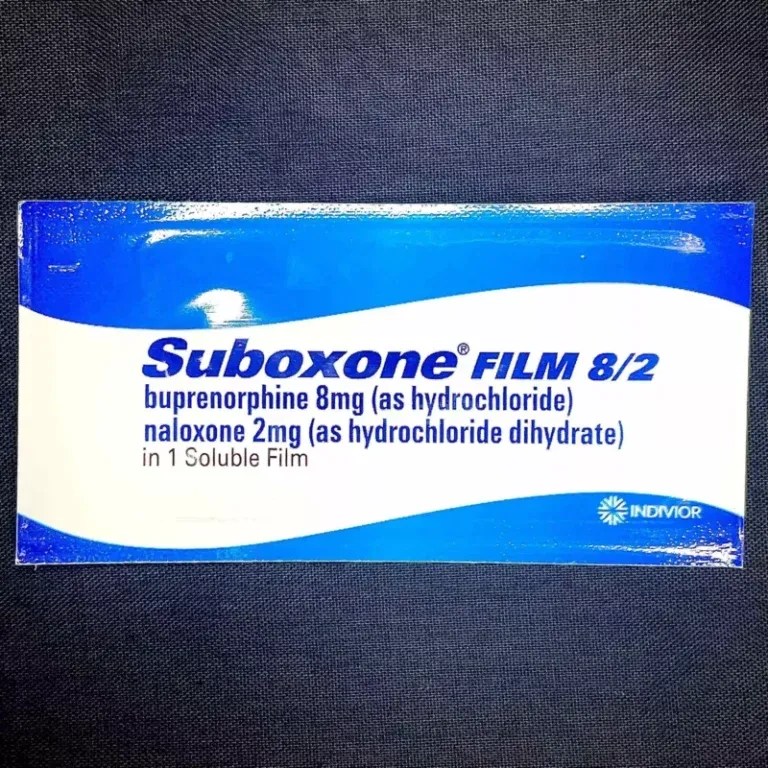
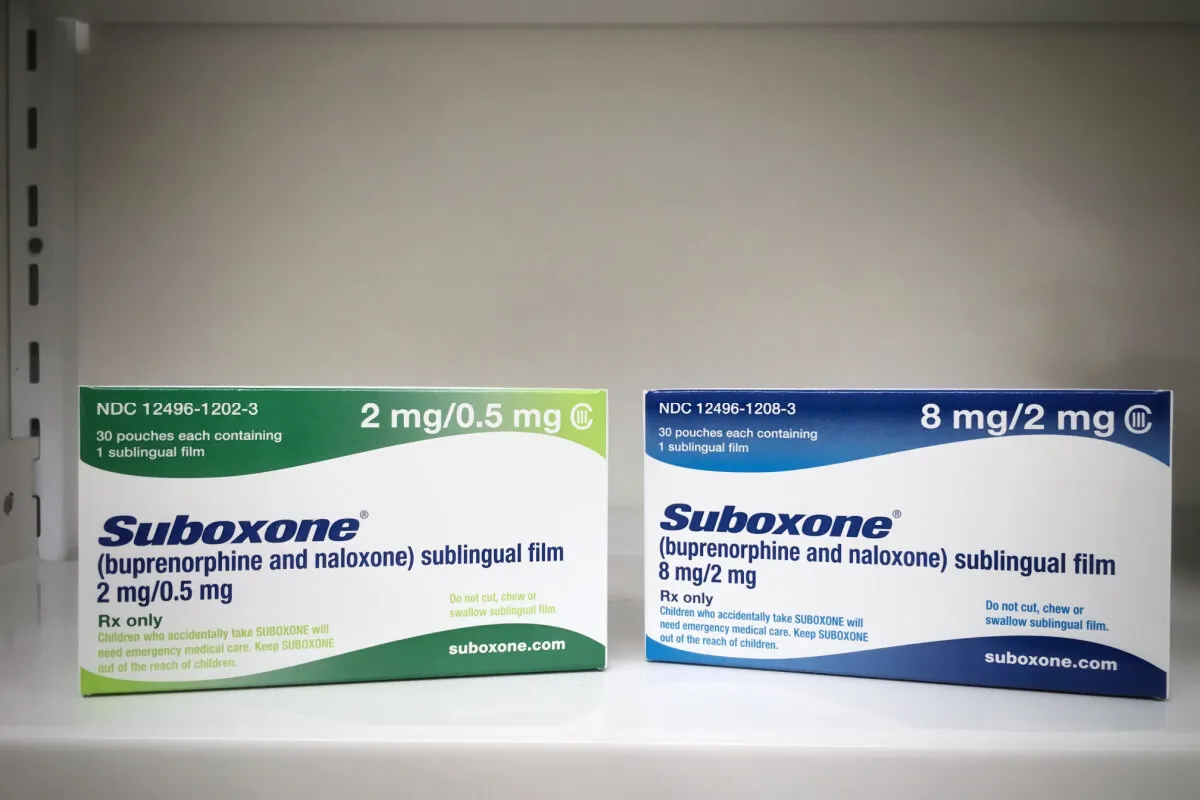
Suboxone is a prescription medication primarily used in the treatment of opioid use disorder (OUD). It is a fixed-dose combination product containing two active ingredients: buprenorphine and naloxone. By combining a partial opioid agonist with an opioid antagonist, Suboxone is designed to suppress opioid cravings and withdrawal symptoms while minimizing the potential for misuse.
As an essential component of Medication-Assisted Treatment (MAT), Suboxone plays a critical role in stabilizing patients, reducing the risk of relapse, and facilitating long-term recovery. This guide provides an exhaustive clinical overview of its pharmacological profile, indications, and safety protocols.
Mechanism of Action and Pharmacokinetics
Understanding how Suboxone functions requires a deep dive into its two distinct components and their interaction with the central nervous system (CNS).
The Dual-Action Mechanism
- Buprenorphine (Partial Opioid Agonist): Buprenorphine binds to the mu-opioid receptors in the brain. Unlike full agonists (like heroin or oxycodone), it acts as a partial agonist, meaning it produces a "ceiling effect." It provides enough stimulation to suppress cravings and withdrawal symptoms without inducing the same level of euphoria or respiratory depression.
- Naloxone (Opioid Antagonist): Naloxone is included to deter intravenous misuse. When taken sublingually as prescribed, naloxone has very low bioavailability and minimal effect. However, if the medication is crushed and injected, the naloxone blocks the mu-opioid receptors, precipitating immediate withdrawal in opioid-dependent individuals.
Pharmacokinetics
- Absorption: Suboxone is administered via sublingual film or tablet. It is not orally bioavailable due to extensive first-pass metabolism.
- Metabolism: Primarily metabolized in the liver via the CYP3A4 isoenzyme system to norbuprenorphine.
- Half-life: Buprenorphine has a long half-life (approximately 24–42 hours), which allows for once-daily dosing.
- Excretion: Primarily excreted in the feces (biliary excretion) and to a lesser extent in the urine.
Clinical Indications and Usage
Suboxone is indicated for the maintenance treatment of opioid dependence. It should be used as part of a complete treatment plan that includes counseling and psychosocial support.
Dosage Guidelines
Dosing is highly individualized and must be managed by a certified healthcare professional.
| Phase | Dosage Guideline |
|---|---|
| Induction | Typically 2 mg to 8 mg, administered once the patient shows signs of mild-to-moderate withdrawal. |
| Stabilization | Dose is titrated based on patient response; usually ranges from 8 mg to 16 mg daily. |
| Maintenance | Long-term titration to the lowest effective dose that prevents cravings and withdrawal. |
Note: Patients must be in a state of mild-to-moderate opioid withdrawal before the first dose is administered to avoid "precipitated withdrawal."
Risks, Side Effects, and Contraindications
Common Side Effects
While generally well-tolerated, patients may experience:
* Nausea and vomiting
* Constipation
* Headache
* Insomnia
* Sweating (diaphoresis)
* Oral hypoesthesia (numbness in the mouth)
Serious Risks
- Respiratory Depression: While the risk is lower than with full agonists, it remains a significant danger, especially when combined with benzodiazepines, alcohol, or other CNS depressants.
- Hepatotoxicity: Rare cases of liver injury have been reported.
- Dependency: Suboxone itself is an opioid and carries the risk of physical dependence.
Contraindications
- Hypersensitivity: Known allergy to buprenorphine or naloxone.
- Severe Respiratory Impairment: Due to the risk of exacerbating breathing difficulties.
- Concurrent Use of Sedatives: Avoid combination with benzodiazepines unless strictly supervised by a specialist.
Pregnancy and Lactation Warnings
The use of Suboxone during pregnancy requires a careful risk-benefit analysis.
* Pregnancy: Buprenorphine is often preferred over methadone in some clinical settings due to a lower risk of Neonatal Abstinence Syndrome (NAS). However, neonates exposed to opioids during pregnancy should be monitored for withdrawal symptoms.
* Lactation: Buprenorphine passes into breast milk. While generally considered compatible with breastfeeding, the infant must be monitored for signs of sedation or respiratory issues.
Overdose Management
An overdose of Suboxone is rare but possible, particularly in opioid-naive individuals or children.
* Symptoms: Pinpoint pupils, sedation, hypotension, and respiratory depression.
* Treatment: The primary treatment is airway management and respiratory support. Because buprenorphine binds tightly to the mu-receptor, standard naloxone (Narcan) reversal may require higher or repeated doses.
Frequently Asked Questions (FAQ)
1. How is Suboxone different from Methadone?
Suboxone is a partial agonist with a ceiling effect, whereas methadone is a full agonist. Suboxone is often considered safer for take-home use, while methadone typically requires daily clinic visits.
2. Can I drink alcohol while taking Suboxone?
No. Combining alcohol with Suboxone significantly increases the risk of dangerous respiratory depression and sedation.
3. What is "precipitated withdrawal"?
This occurs if you take Suboxone while full-agonist opioids are still attached to your receptors. The buprenorphine displaces them, causing sudden, severe withdrawal symptoms.
4. How long do I need to be on Suboxone?
There is no "one size fits all" duration. Some patients remain on maintenance for months, while others stay on it for years to prevent relapse.
5. Does Suboxone show up on a standard drug test?
Standard drug screens often do not detect buprenorphine. A specific "buprenorphine panel" is required to confirm its presence.
6. Can I drive while taking Suboxone?
Patients should avoid driving or operating heavy machinery until they know how the medication affects them, as it can cause drowsiness.
7. What happens if I miss a dose?
Take the dose as soon as you remember. If it is almost time for your next dose, skip the missed one. Never double up on doses.
8. Is Suboxone addictive?
Suboxone can lead to physical dependence, meaning your body adapts to the drug. However, it is used to treat the addiction (the behavioral and compulsive aspects of opioid use).
9. Can I take other medications with Suboxone?
Always disclose all medications to your doctor. Certain drugs, such as antifungals (ketoconazole) or antibiotics (erythromycin), can interact with the metabolism of Suboxone.
10. How do I store Suboxone?
Store the film or tablets in a cool, dry place, out of the reach of children. Accidental ingestion by a child can be fatal.
Conclusion
Suboxone is a powerful clinical tool that, when used correctly, provides a lifeline for individuals struggling with opioid use disorder. By suppressing cravings and stabilizing neurochemistry, it allows patients to engage in the necessary psychological work required for long-term recovery. As with any potent medication, it requires strict adherence to medical guidance, consistent monitoring by a physician, and a comprehensive commitment to a healthy lifestyle.
Disclaimer: This guide is for informational purposes only and does not constitute medical advice. Always seek the advice of your physician or other qualified health provider with any questions you may have regarding a medical condition or treatment.