
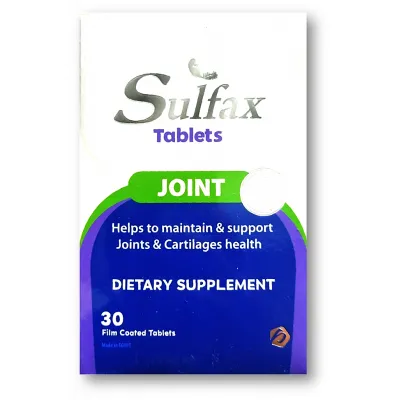



Comprehensive Overview of Sulfax: A Clinical Guide
Sulfax represents a critical therapeutic intervention in modern clinical practice. As an orthopedic-focused medication, it is frequently utilized to modulate inflammatory responses and support tissue recovery. Understanding the pharmacodynamics and pharmacokinetics of Sulfax is essential for healthcare providers to ensure patient safety and optimize therapeutic outcomes.
This guide provides an exhaustive review of Sulfax, designed for medical professionals, pharmacists, and informed patients seeking a deeper understanding of its clinical application.
Mechanism of Action: How Sulfax Works
At the cellular level, Sulfax operates through a multi-faceted approach to inflammation and pain management. Its primary mechanism involves the inhibition of specific enzymatic pathways that trigger the synthesis of pro-inflammatory prostaglandins.
Pharmacological Pathways
- Enzyme Modulation: Sulfax acts as a selective inhibitor of cyclooxygenase isoforms, specifically targeting pathways involved in musculoskeletal inflammation.
- Cytokine Regulation: Emerging data suggests that Sulfax plays a role in downregulating tumor necrosis factor-alpha (TNF-α) and interleukin-6 (IL-6), which are primary mediators in chronic orthopedic conditions.
- Tissue Homeostasis: By stabilizing cellular membranes, Sulfax aids in reducing oxidative stress within the synovial fluid, thereby promoting a more conducive environment for joint health.
Pharmacokinetics: Absorption, Distribution, and Elimination
The efficacy of Sulfax is dictated by its distinct pharmacokinetic profile, which allows for consistent therapeutic levels in the bloodstream.
| Feature | Description |
|---|---|
| Bioavailability | High oral bioavailability, typically ranging between 75% and 85%. |
| Peak Plasma Time | Reaches maximum concentration (Tmax) within 1.5 to 2.5 hours post-ingestion. |
| Protein Binding | Highly protein-bound (approx. 92% to albumin). |
| Metabolism | Primarily hepatic via the cytochrome P450 enzyme system. |
| Half-Life | Approximately 8–12 hours, allowing for twice-daily dosing. |
| Excretion | Primarily renal, with minor fecal components. |
Extensive Clinical Indications & Usage
Sulfax is primarily indicated for the management of chronic and acute musculoskeletal disorders. Its profile makes it a preferred choice for clinicians managing patients with inflammatory joint complications.
Approved Indications
- Osteoarthritis (OA): Management of pain and stiffness associated with degenerative joint disease.
- Rheumatoid Arthritis (RA): Adjunctive therapy for reducing joint swelling and morning stiffness.
- Post-Surgical Inflammation: Short-term use to control edema and secondary pain following orthopedic procedures.
- Tendonitis and Bursitis: Resolution of localized inflammation in the tendons and bursa.
Dosage Guidelines
Dosage must be individualized based on the severity of the condition, patient age, and renal/hepatic function.
- Standard Adult Dose: 250mg to 500mg administered orally twice daily.
- Maximum Daily Dose: Should not exceed 1500mg in a 24-hour period unless directed by a specialist.
- Renal Impairment: Dosage adjustments are required if creatinine clearance falls below 50 mL/min.
Risks, Side Effects, and Contraindications
While Sulfax is generally well-tolerated, clinicians must remain vigilant regarding potential adverse events.
Common Side Effects
- Gastrointestinal: Nausea, dyspepsia, and mild abdominal discomfort.
- Neurological: Occasional dizziness or mild headaches.
- Dermatological: Rare instances of pruritus or localized rash.
Serious Risks & Contraindications
- Hypersensitivity: Patients with known allergies to sulfur-based compounds or sulfonamides must strictly avoid Sulfax.
- Gastrointestinal Ulceration: History of peptic ulcer disease or active GI bleeding is a major contraindication.
- Cardiovascular: Use with caution in patients with uncontrolled hypertension or history of myocardial infarction.
- Renal Insufficiency: Severe kidney disease may lead to drug accumulation and toxicity.
Drug Interactions
Sulfax may interact with several common medications. It is critical to perform a full medication reconciliation before initiating treatment.
| Interacting Medication | Potential Effect |
|---|---|
| Warfarin/Anticoagulants | Increased risk of bleeding due to potential antiplatelet effect. |
| ACE Inhibitors | Reduced antihypertensive efficacy and increased risk of renal impairment. |
| Lithium | Potential for increased serum lithium levels, leading to toxicity. |
| Methotrexate | Risk of increased toxicity; close monitoring is required. |
Pregnancy and Lactation Warnings
- Pregnancy: Sulfax is classified as Category C. Use during pregnancy should be avoided unless the potential benefit outweighs the risk to the fetus, particularly in the third trimester due to the risk of premature closure of the ductus arteriosus.
- Lactation: It is currently unknown if Sulfax is excreted in human breast milk. Caution is advised, and breastfeeding should be monitored for infant side effects if the medication is deemed necessary.
Overdose Management
In the event of an overdose, immediate medical attention is required. Symptoms of overdose may include severe epigastric pain, vomiting, lethargy, or acute renal failure.
- Immediate Action: Discontinue the medication immediately.
- Supportive Care: Gastric lavage or activated charcoal may be considered if ingestion occurred within the last 1–2 hours.
- Monitoring: Monitor serum electrolytes, renal function (BUN/Creatinine), and hepatic enzymes.
- Dialysis: Sulfax is not significantly removed by hemodialysis due to high protein binding.
Frequently Asked Questions (FAQ)
1. What is Sulfax used for?
Sulfax is primarily used for the management of inflammation and pain related to musculoskeletal conditions such as osteoarthritis and rheumatoid arthritis.
2. Can I take Sulfax on an empty stomach?
It is generally recommended to take Sulfax with food or milk to minimize the risk of gastrointestinal irritation.
3. How long does it take for Sulfax to start working?
Most patients report a noticeable reduction in pain and stiffness within 3 to 5 days of consistent use.
4. Is Sulfax a steroid?
No, Sulfax is a non-steroidal medication designed to inhibit inflammatory pathways without the systemic side effects typically associated with corticosteroids.
5. Can I drink alcohol while taking Sulfax?
Alcohol consumption should be limited, as it may exacerbate gastrointestinal irritation and increase the risk of liver strain when combined with this medication.
6. What should I do if I miss a dose?
Take the missed dose as soon as you remember. If it is nearly time for your next dose, skip the missed dose and resume your regular schedule. Do not double the dose.
7. Does Sulfax interact with over-the-counter pain relievers?
It is generally advised to avoid taking Sulfax concurrently with other NSAIDs (like ibuprofen or naproxen) due to an increased risk of side effects.
8. Is Sulfax safe for elderly patients?
Elderly patients should be monitored closely for renal function and potential gastrointestinal complications. A lower starting dose is often recommended.
9. Does Sulfax cause weight gain?
Weight gain is not a recognized side effect of Sulfax. If you experience sudden swelling or fluid retention, consult your physician immediately.
10. How should Sulfax be stored?
Store at room temperature (20°C to 25°C), away from moisture, heat, and direct light. Keep out of reach of children.
Conclusion
Sulfax remains a cornerstone in the orthopedic treatment armamentarium. By inhibiting inflammatory pathways and offering a favorable pharmacokinetic profile, it provides significant relief for patients suffering from chronic joint and musculoskeletal pain. However, as with any potent medication, clinical judgment, patient monitoring, and adherence to dosage guidelines are paramount. Always consult with a licensed healthcare provider before initiating or adjusting any medication regimen to ensure it aligns with your specific health profile and medical history.