
Comprehensive Guide to Synvisc (Hylan G-F 20)
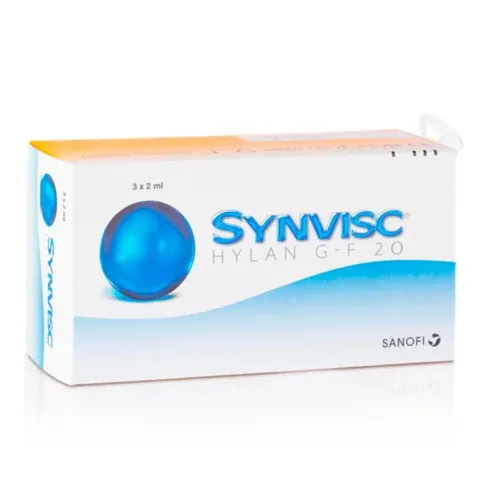
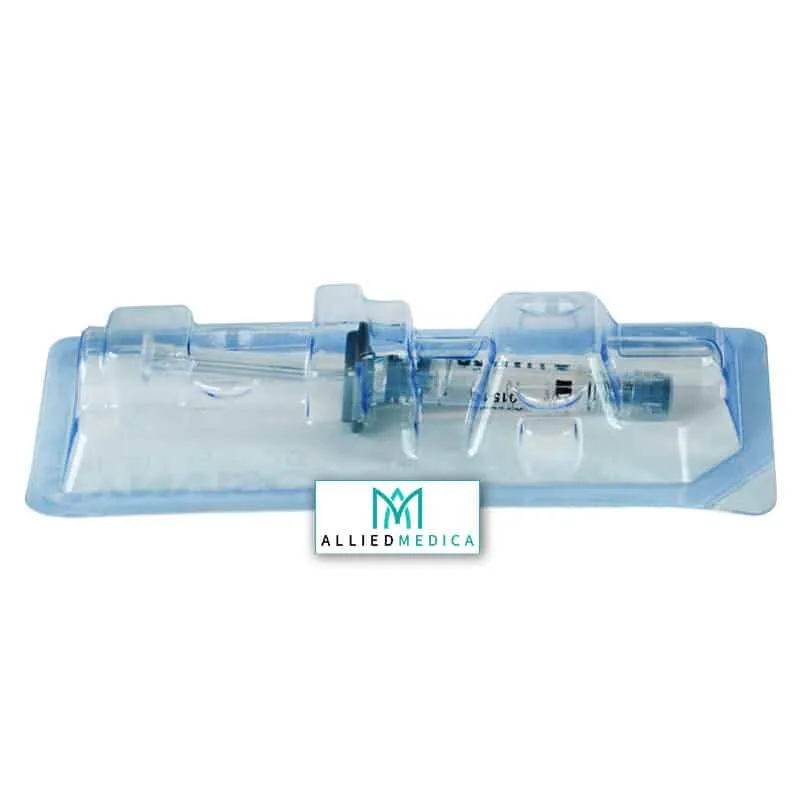
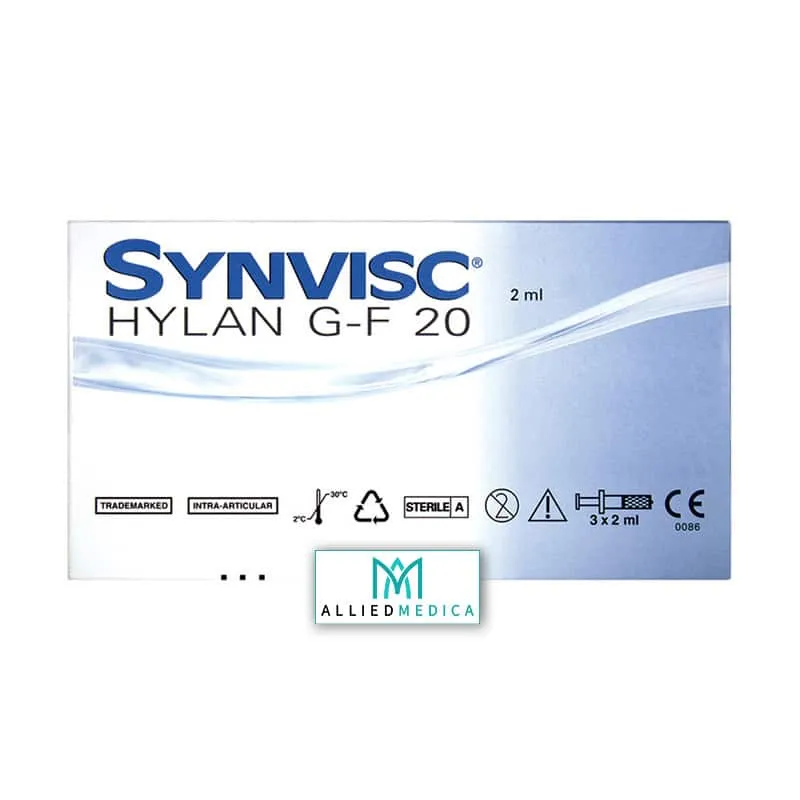
Synvisc, known generically as hylan G-F 20, is a specialized injectable medication categorized as a viscosupplement. It is primarily utilized in the management of osteoarthritis (OA) of the knee. For patients suffering from chronic joint pain that has failed to respond to conservative treatments like physical therapy or simple analgesics, Synvisc offers a pharmacological intervention designed to restore the lubricating properties of the synovial fluid.
Understanding the Mechanism of Action
To understand how Synvisc works, one must first look at the pathology of osteoarthritis. In a healthy joint, synovial fluid acts as a lubricant and a shock absorber, primarily due to the presence of high-molecular-weight hyaluronic acid. In an osteoarthritic joint, the concentration and molecular weight of endogenous hyaluronic acid are significantly reduced, leading to increased friction, cartilage degradation, and pain.
The Role of Hylan G-F 20
Synvisc is a sterile, viscoelastic mixture of hylan A and hylan B fluids. Hylan is a derivative of hyaluronan (sodium hyaluronate) extracted from chicken combs.
- Viscosupplementation: By injecting Synvisc into the intra-articular space, the medication mimics the natural synovial fluid. It provides immediate lubrication and mechanical cushioning.
- Mechanotransduction: The presence of hylan G-F 20 promotes the production of endogenous hyaluronan by the synoviocytes. This is often referred to as the "visco-induction" effect.
- Anti-inflammatory properties: While not a steroid, Synvisc helps modulate the intra-articular environment, potentially reducing the expression of inflammatory cytokines that contribute to cartilage breakdown.
Clinical Indications and Usage
Synvisc is FDA-approved specifically for the treatment of pain associated with osteoarthritis of the knee in patients who have failed to respond adequately to conservative non-pharmacologic therapy and simple analgesics (e.g., acetaminophen).
Administration Guidelines
The administration of Synvisc must be performed by a licensed orthopedic specialist or rheumatologist under strict aseptic conditions.
| Phase | Dosage | Frequency |
|---|---|---|
| Standard Course | 2 mL (16 mg hylan) | Once weekly for 3 weeks |
| Synvisc-One | 6 mL (48 mg hylan) | Single injection |
Note: The choice between Synvisc and Synvisc-One is determined by the clinician based on the severity of the OA and patient preference.
Pharmacokinetics and Physiological Impact
Upon intra-articular injection, hylan G-F 20 remains within the joint space for a limited duration. The hylan molecules are gradually degraded by hyaluronidase enzymes and cleared through the lymphatic system.
- Metabolism: The degradation products are metabolized in the liver and excreted via the kidneys.
- Duration of Effect: Patients typically report symptomatic relief ranging from 6 to 12 months, depending on the degree of joint degeneration.
Contraindications and Safety Profile
While Synvisc is generally well-tolerated, specific clinical precautions are mandatory to ensure patient safety.
Absolute Contraindications
- Hypersensitivity: Patients with known allergies to hyaluronan (sodium hyaluronate) products or avian (bird) proteins, feathers, or egg products.
- Infection: Do not inject Synvisc if there is an active skin infection or joint infection (septic arthritis) at the site of injection.
- Venous Stasis: Patients with stasis or lymphatic stasis in the leg should avoid intra-articular injections in that limb.
Warnings and Precautions
- Post-Injection Flare: Some patients experience acute local pain, swelling, or effusion within 24–48 hours post-injection. This is typically managed with ice and rest.
- Weight-Bearing: It is advised to avoid strenuous activities (e.g., jogging, heavy lifting) for 48 hours following the procedure.
Pregnancy and Lactation
Data regarding the use of Synvisc in pregnant or lactating women is limited. As a precaution, the risk-to-benefit ratio should be carefully evaluated by an obstetrician and the orthopedic specialist. Because it is a localized injection with minimal systemic absorption, the risk to the fetus is considered low, but clinical data remains insufficient to confirm total safety.
Drug Interactions
There are no significant systemic drug interactions reported with Synvisc because it is not administered systemically. However, patients should inform their physician if they are on anticoagulants, as the injection process itself carries a minor risk of intra-articular bleeding.
Overdose Management
Due to the nature of the administration (intra-articular injection) and the restricted volume (2 mL or 6 mL), systemic overdose is virtually impossible. In the event of an accidental "overdose" of volume within the joint space, the patient may experience significant joint distension and pain. This is managed by arthrocentesis (aspirating the excess fluid from the joint).
Frequently Asked Questions (FAQ)
1. Is Synvisc a steroid injection?
No. Synvisc is a viscosupplement, not a corticosteroid. It does not provide the same rapid, potent anti-inflammatory effects as cortisone, but it often provides longer-lasting symptomatic relief.
2. How long does it take for Synvisc to work?
While some patients feel immediate relief from the lubrication effect, the full therapeutic benefit is usually experienced 3 to 6 weeks after the final injection.
3. Can Synvisc cure my osteoarthritis?
No, Synvisc does not reverse cartilage damage or "cure" arthritis. It is a palliative treatment designed to manage pain and improve joint function.
4. Are there risks of infection?
As with any injection into the joint, there is a small risk of septic arthritis. This is why strict aseptic technique is required during the procedure.
5. Can I get a Synvisc injection in my shoulder or hip?
While Synvisc is FDA-approved for the knee, some specialists may use it "off-label" for other joints. Discuss this possibility with your orthopedic surgeon.
6. What should I do if my knee swells after the shot?
Apply an ice pack for 15–20 minutes several times a day. If the swelling is severe or accompanied by fever, contact your doctor immediately.
7. How often can I repeat the Synvisc treatment?
Most clinical protocols suggest repeating the treatment every 6 to 12 months, based on the return of symptoms.
8. Does insurance usually cover Synvisc?
Most private insurance plans and Medicare cover Synvisc for knee osteoarthritis when conservative therapies have failed. Always verify coverage with your provider first.
9. Will I be able to drive after the injection?
Most patients are able to drive immediately after the injection, but it is recommended to have someone accompany you for the first visit to see how your joint reacts.
10. Is Synvisc derived from animals?
Yes, the hylan G-F 20 in Synvisc is derived from avian (chicken) sources. Patients with severe allergies to poultry or eggs should avoid this product.
Summary of Clinical Best Practices
For the best outcomes, Synvisc should be viewed as part of a comprehensive "multimodal" treatment plan. This includes:
* Physical Therapy: To strengthen the quadriceps and hamstring muscles, which reduces the load on the knee joint.
* Weight Management: Reducing body mass significantly decreases the mechanical stress on the knee.
* Activity Modification: Transitioning from high-impact activities to low-impact exercises like swimming or cycling.
Conclusion
Synvisc represents a cornerstone of non-surgical orthopedic care for knee osteoarthritis. By understanding its mechanism as a viscosupplement and adhering to the strict contraindications and administration protocols, clinicians can provide significant pain relief and improved quality of life to patients who are not yet candidates for total knee arthroplasty (TKA). As with any medical procedure, thorough patient education regarding expectations and potential side effects remains the most critical component of successful treatment.
Disclaimer: This guide is for educational purposes only and does not constitute professional medical advice, diagnosis, or treatment. Always seek the advice of your physician or other qualified health provider with any questions you may have regarding a medical condition or treatment.