
Comprehensive Introduction to Synvisc-One
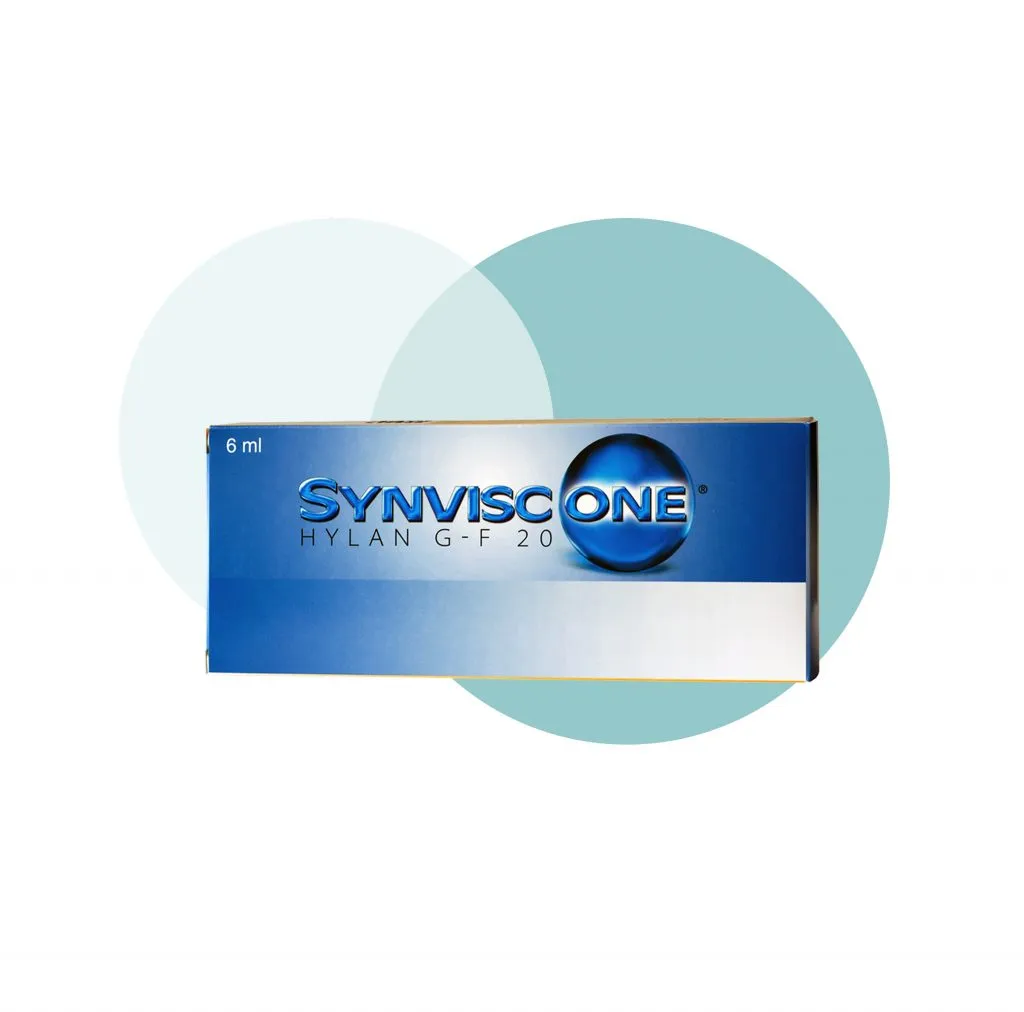
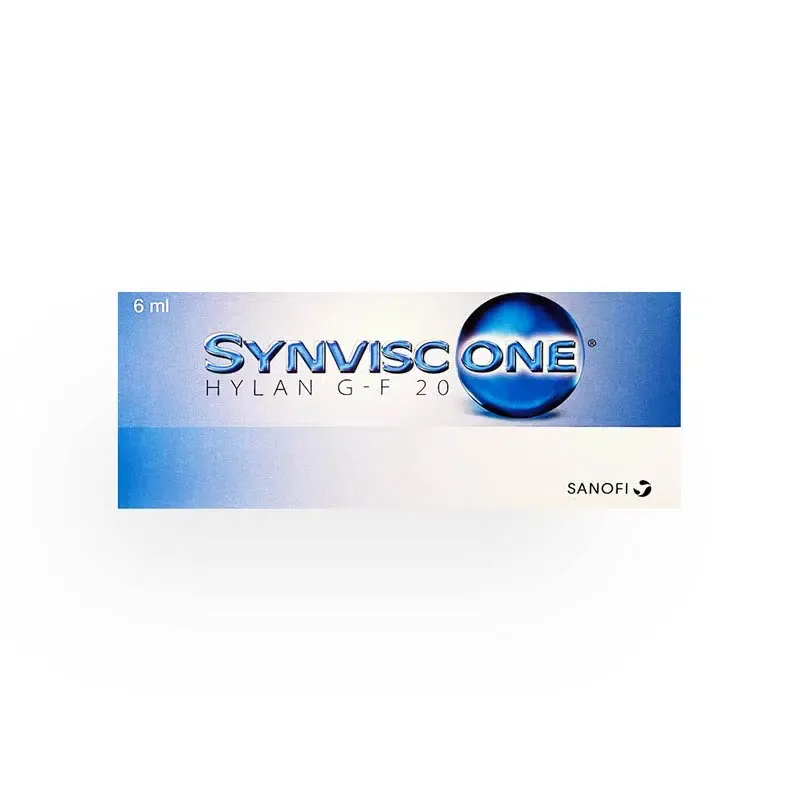
Synvisc-One (hylan G-F 20) represents a significant advancement in the management of osteoarthritis (OA) of the knee. As a viscosupplement, it serves as a therapeutic intervention designed to restore the viscoelastic properties of the synovial fluid in patients who have failed to respond adequately to conservative non-pharmacologic therapy or simple analgesics.
Osteoarthritis is characterized by the progressive degradation of articular cartilage and the thinning of synovial fluid, leading to increased friction, joint pain, and reduced mobility. Synvisc-One addresses these issues by providing a high-molecular-weight hyaluronan derivative that mimics the natural lubricant of the healthy joint.
Deep-Dive: Mechanism of Action and Technical Specifications
What is Hylan G-F 20?
Synvisc-One is a sterile, pyrogen-free, viscoelastic fluid containing hylan A and hylan B polymers. Hylan A is a hydrated gel, and hylan B is a hydrated gel linked to hylan A. These are derived from highly purified avian-source hyaluronan.
Mechanism of Action
The therapeutic efficacy of Synvisc-One is rooted in two primary physiological processes:
- Viscosupplementation: By injecting the high-molecular-weight hylan G-F 20 into the intra-articular space, the joint’s natural lubrication is restored. This reduces mechanical friction between the femoral and tibial condyles, effectively "cushioning" the joint during ambulation.
- Biological Modulation: Research suggests that exogenous hyaluronan may stimulate the endogenous synthesis of hyaluronan by synoviocytes. Furthermore, it exhibits anti-inflammatory properties by inhibiting the migration of inflammatory cells and potentially suppressing the expression of pro-inflammatory cytokines such as IL-1β and TNF-α.
Pharmacokinetics
Following intra-articular injection, Synvisc-One remains in the joint space, where it is slowly metabolized. The hylan polymers are degraded by hyaluronidases in the body and subsequently excreted via the renal system. The residence time of Synvisc-One in the joint is typically 6 to 8 months, which aligns with the duration of clinical symptom relief.
Extensive Clinical Indications and Usage
Approved Indications
Synvisc-One is strictly indicated for the treatment of pain associated with osteoarthritis of the knee in patients who have failed to respond adequately to conservative non-pharmacological therapy or simple analgesics (e.g., acetaminophen).
Dosage and Administration Guidelines
| Parameter | Specification |
|---|---|
| Volume | 6 mL (single injection) |
| Route | Intra-articular (knee joint) |
| Frequency | Once every 6 months |
| Preparation | Aseptic technique is mandatory |
Administration Protocol:
* Preparation: The skin at the injection site must be thoroughly cleaned with an antiseptic.
* Aspiration: If an effusion is present in the knee, it must be aspirated prior to the injection of Synvisc-One.
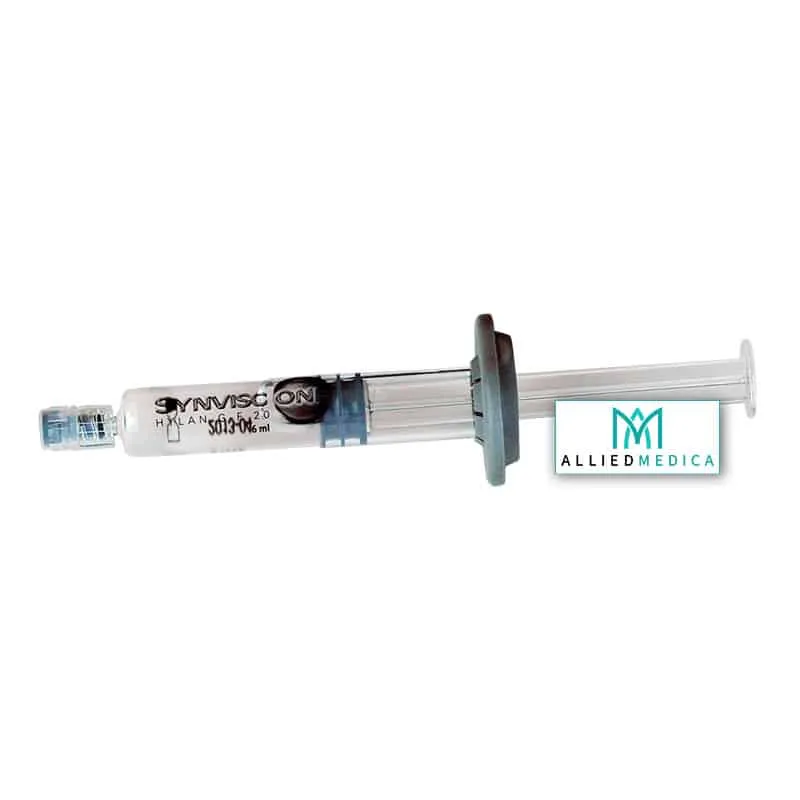
* Injection: The 6 mL dose is administered into the synovial space using a sterile needle (typically 18-22 gauge).
* Post-Injection Advice: Patients should be advised to avoid strenuous activities, weight-bearing exercise, or prolonged standing for 48 hours following the procedure to minimize the risk of post-injection flare.
Risks, Side Effects, and Contraindications
Contraindications
Synvisc-One should not be used in the following scenarios:
* Known Hypersensitivity: Patients with known hypersensitivity to hyaluronan products or avian proteins (due to the source of the raw material).
* Infections: Patients with active infections in the knee joint or skin diseases/infections in the area of the injection site.
* Systemic Disorders: Patients with known systemic bleeding disorders.
Common Side Effects
Most adverse reactions are local and transient. These include:
* Transient pain at the injection site.
* Joint swelling or effusion.
* Local redness (erythema).
* Stiffness immediately following the injection.
Serious Adverse Events
While rare, serious events may include:
* Septic arthritis (requires immediate medical intervention).
* Pseudoseptic reaction (a severe inflammatory response that mimics infection but is sterile).
* Anaphylactoid reactions.
Pregnancy and Lactation
There are no adequate and well-controlled studies of Synvisc-One in pregnant or lactating women. It should be used during pregnancy only if the potential benefit justifies the potential risk to the fetus. It is unknown if hylan G-F 20 is excreted in human milk.
Overdose Management
Due to the localized nature of the administration (intra-articular) and the volume constraints of the human knee joint, systemic overdose is clinically improbable. In the event of an excessive volume injection causing significant joint distension, the clinician should aspirate the excess fluid to relieve pressure and pain.
Frequently Asked Questions (FAQ)
1. How long does it take for Synvisc-One to start working?
Patients often report initial relief within a few weeks, with peak therapeutic benefits generally observed between 8 to 12 weeks post-injection.
2. Is Synvisc-One a permanent cure for arthritis?
No. Synvisc-One is a symptomatic treatment. It does not reverse cartilage damage or "cure" osteoarthritis; it manages the pain and improves joint function for a temporary period.
3. Can I have Synvisc-One injected into both knees?
Yes, Synvisc-One can be administered in both knees, provided the physician determines it is clinically appropriate. Each knee requires its own 6 mL syringe.
4. What should I do if I have a reaction after the injection?
Mild swelling is common. However, if you experience severe pain, heat, redness, or fever, contact your orthopedic surgeon immediately to rule out an infection.
5. Are there any activities I must avoid after the injection?
For the first 48 hours, avoid high-impact sports, heavy lifting, or prolonged standing. Gentle movement is encouraged, but avoid overexertion.
6. Can I take pain medication while using Synvisc-One?
Yes. You may continue to use oral analgesics or NSAIDs as directed by your physician during the period that Synvisc-One is taking effect.
7. Does Synvisc-One contain steroids?
No. Synvisc-One is a viscosupplement (hyaluronic acid derivative) and is not a corticosteroid. It does not carry the same metabolic risks as long-term steroid use.
8. How often can I repeat the treatment?
The standard protocol is one injection every 6 months. Frequent, early re-injection is generally not recommended unless specifically advised by a specialist.
9. Who should avoid Synvisc-One?
Individuals with allergies to chicken or bird products, those with active knee infections, or those with skin infections at the site of injection should avoid this treatment.
10. Does insurance cover Synvisc-One?
Coverage varies significantly by provider and health plan. It is typically classified as a medical benefit rather than a pharmacy benefit. Patients should verify coverage with their insurance provider prior to the procedure.
Conclusion
Synvisc-One remains a gold-standard treatment for knee osteoarthritis, offering a non-surgical avenue for pain management and improved mobility. By supplementing the synovial fluid, it provides a functional bridge for patients looking to maintain an active lifestyle while managing the challenges of joint degeneration. Always consult with a board-certified orthopedic specialist to determine if this therapy is the right choice for your specific clinical presentation.
Disclaimer: This guide is for educational purposes only and does not constitute medical advice, diagnosis, or treatment. Always seek the advice of your physician or other qualified health provider with any questions regarding a medical condition.