
Comprehensive Introduction to Tacrolimus
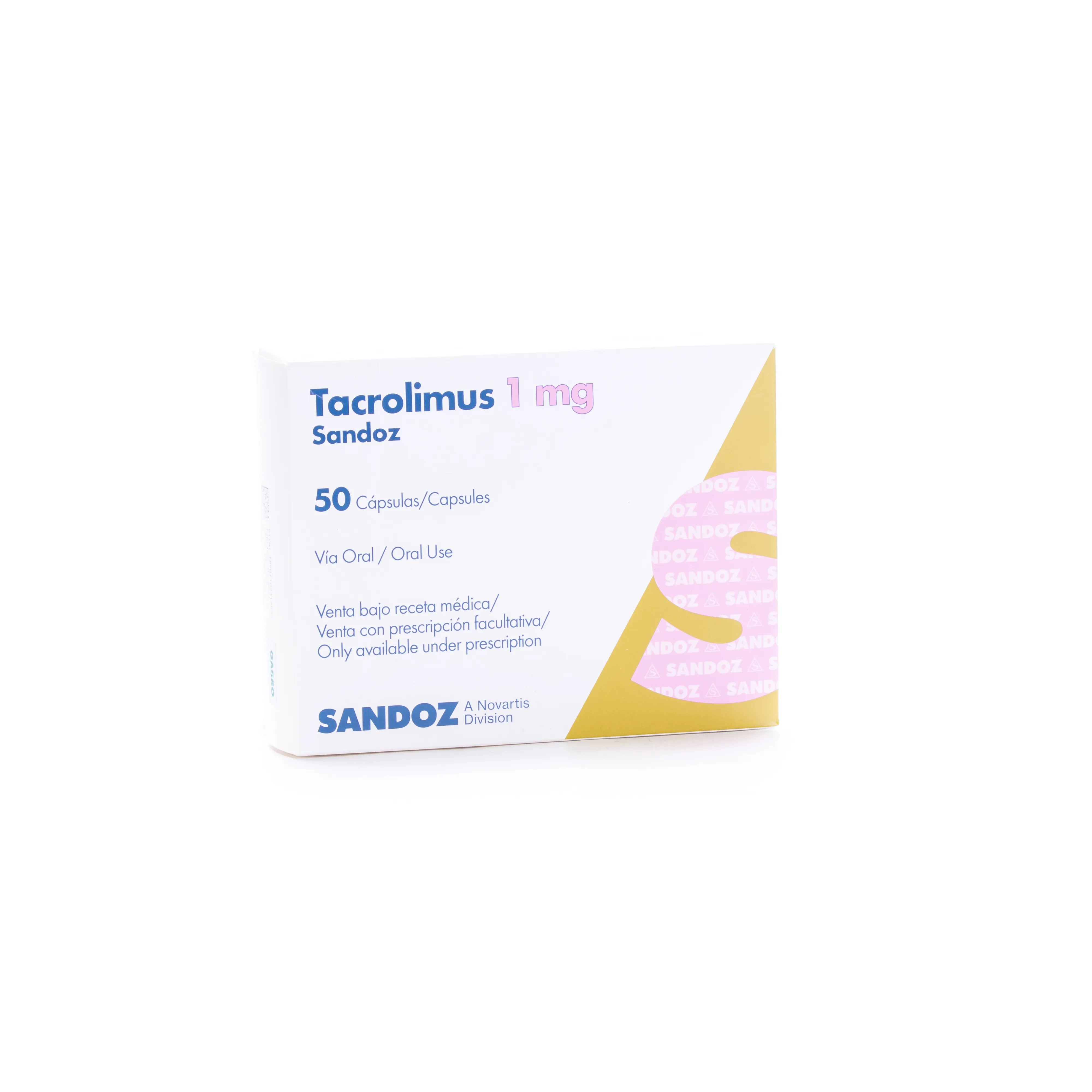
Tacrolimus, also known by the trade names Prograf, Advagraf, and Envarsus XR, is a potent immunosuppressive agent belonging to the class of calcineurin inhibitors. Originally isolated from the soil fungus Streptomyces tsukubaensis, this macrolide antibiotic has revolutionized the field of transplant medicine and dermatology.
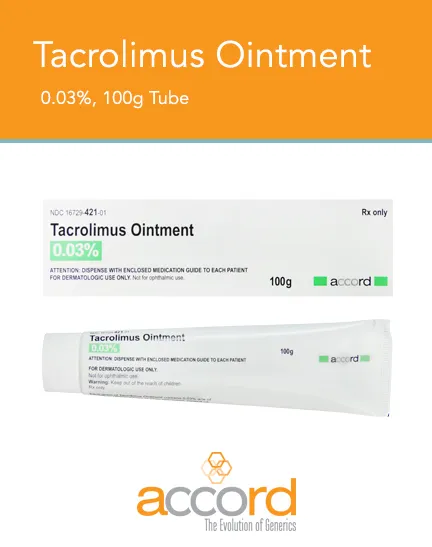
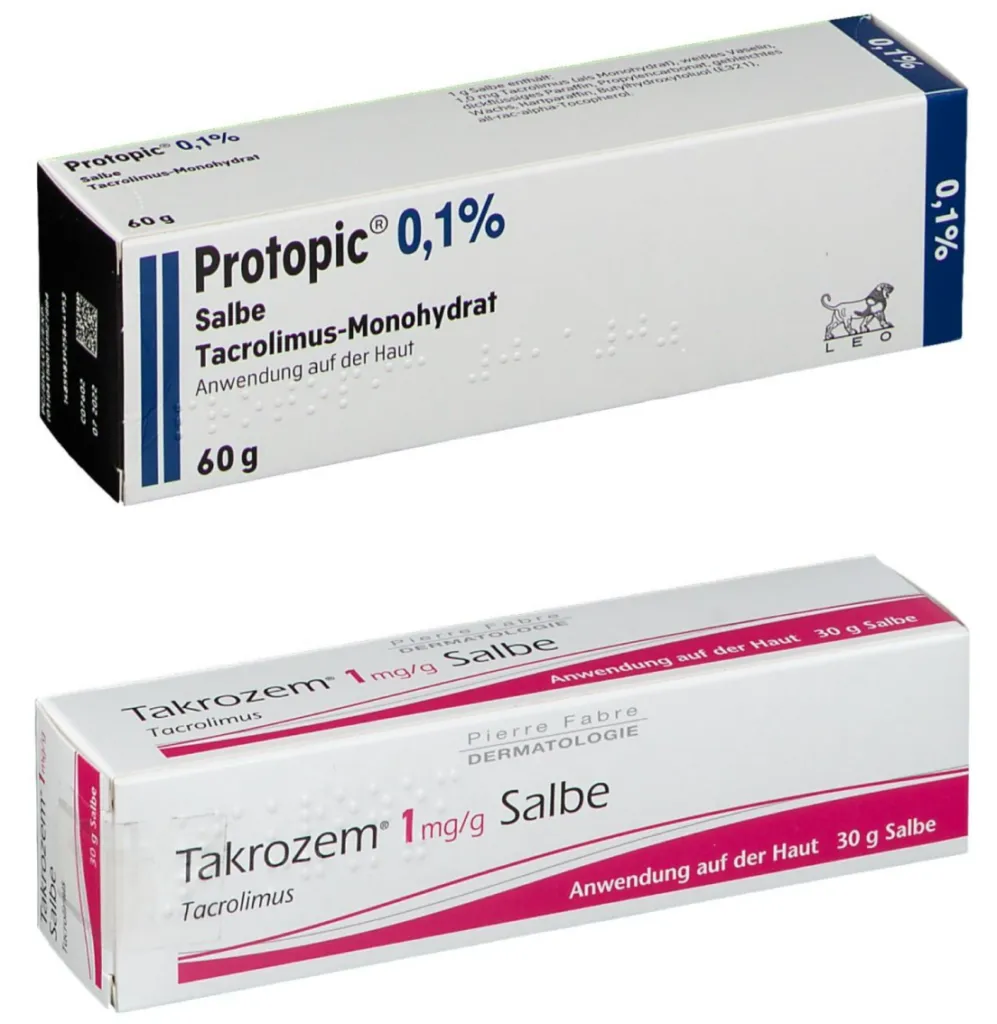
By suppressing the body’s immune response, tacrolimus plays a critical role in preventing organ rejection in patients undergoing kidney, liver, heart, and lung transplants. Furthermore, its topical formulation (Protopic) has become a gold-standard treatment for moderate-to-severe atopic dermatitis (eczema) where traditional corticosteroid therapy has proven insufficient or contraindicated.
Deep-Dive: Mechanism of Action and Pharmacokinetics
Mechanism of Action
The therapeutic efficacy of tacrolimus lies in its ability to inhibit T-lymphocyte activation. The molecular pathway is as follows:
- Binding: Tacrolimus enters the T-cell and binds to the intracellular protein FK-binding protein 12 (FKBP-12).
- Inhibition: The resulting tacrolimus-FKBP-12 complex binds to and inhibits calcineurin, a calcium-dependent phosphatase.
- Transcription Blockade: Under normal conditions, calcineurin dephosphorylates the nuclear factor of activated T-cells (NF-AT), allowing it to enter the nucleus. By inhibiting calcineurin, tacrolimus prevents the translocation of NF-AT, thereby blocking the transcription of genes responsible for the production of interleukin-2 (IL-2) and other pro-inflammatory cytokines.
- Outcome: Without IL-2, T-cell proliferation and the subsequent immune response are significantly suppressed.
Pharmacokinetics
Understanding the pharmacokinetics of tacrolimus is essential due to its narrow therapeutic index:
| Parameter | Description |
|---|---|
| Absorption | Variable; oral bioavailability is approximately 20–25%. Food decreases both the rate and extent of absorption. |
| Distribution | Extensive binding to erythrocytes; plasma protein binding (mostly albumin and alpha-1-acid glycoprotein) is 75–99%. |
| Metabolism | Primarily hepatic via the Cytochrome P450 system (CYP3A4 and CYP3A5). |
| Elimination | Primarily biliary (fecal). Renal excretion is minimal (<1%). |
| Half-life | Highly variable; average is 8.7 to 11.3 hours in healthy volunteers, but can be longer in transplant patients. |
Extensive Clinical Indications & Usage
Tacrolimus is indicated for both systemic immunosuppression and localized dermatological therapy.
Systemic Use (Oral/IV)
- Prophylaxis of Organ Rejection: Used in combination with other immunosuppressants (such as mycophenolate mofetil or corticosteroids) for patients receiving allogeneic liver, kidney, or heart transplants.
- Off-Label Indications: Used in various autoimmune conditions, including refractory rheumatoid arthritis, myasthenia gravis, and interstitial lung disease, though these are typically reserved for cases unresponsive to first-line therapies.
Topical Use (Ointment)
- Atopic Dermatitis: Indicated as second-line therapy for the short-term and intermittent long-term treatment of moderate to severe atopic dermatitis in patients who are not immunocompromised.
Dosage Guidelines (General Principles)
Dosage must be individualized based on trough blood concentration monitoring, clinical response, and the presence of side effects.
- Oral (Immediate Release): Starting doses vary by organ type, typically ranging from 0.1 mg/kg/day to 0.3 mg/kg/day in two divided doses.
- Target Trough Levels: Typically maintained between 5–20 ng/mL depending on the time post-transplant and the specific organ transplanted.
- Topical: Applied as a thin layer to the affected skin areas twice daily. Treatment should be discontinued once signs and symptoms resolve.
Risks, Side Effects, and Contraindications
Common Adverse Effects
Because tacrolimus suppresses the immune system, it carries a broad profile of potential side effects:
- Nephrotoxicity: Dose-related reduction in GFR; requires vigilant monitoring of serum creatinine.
- Neurotoxicity: Tremors, headaches, and in severe cases, seizures or posterior reversible encephalopathy syndrome (PRES).
- Metabolic Abnormalities: Hyperglycemia (new-onset diabetes after transplantation), hyperkalemia, and hypomagnesemia.
- Infection Risk: Increased susceptibility to opportunistic infections (e.g., CMV, BK virus, fungal infections).
- Malignancy: Increased risk of lymphoproliferative disorders and skin cancers due to chronic immunosuppression.
Contraindications
- Hypersensitivity: Known hypersensitivity to tacrolimus or any component of the formulation.
- Lactation: Tacrolimus is excreted in breast milk; breastfeeding is generally discouraged during therapy.
- Pregnancy: Use only if the potential benefit justifies the potential risk to the fetus. Tacrolimus crosses the placenta and has been associated with hyperkalemia and renal dysfunction in newborns.
Critical Drug Interactions
Tacrolimus is a major substrate of CYP3A4. Consequently, drugs that inhibit or induce this enzyme significantly alter tacrolimus blood levels:
- Inhibitors (Increase Levels): Ketoconazole, clarithromycin, grapefruit juice, diltiazem, verapamil. (Risk of toxicity).
- Inducers (Decrease Levels): Rifampin, phenytoin, St. John’s Wort. (Risk of organ rejection).
Massive FAQ Section
1. Is tacrolimus a steroid?
No, tacrolimus is a calcineurin inhibitor, not a corticosteroid. It acts through a completely different biological pathway to suppress the immune system.
2. Why do I need regular blood tests while on tacrolimus?
Tacrolimus has a "narrow therapeutic index," meaning the difference between a therapeutic dose and a toxic dose is small. Blood tests ensure your levels are high enough to prevent rejection but low enough to avoid toxicity.
3. Can I eat grapefruit while taking tacrolimus?
No. Grapefruit and grapefruit juice inhibit the CYP3A4 enzyme, which slows the metabolism of tacrolimus, potentially leading to dangerous, toxic levels in your bloodstream.
4. Does tacrolimus cause hair loss?
While not as common as with some chemotherapy drugs, some patients report thinning hair (alopecia) while on long-term tacrolimus therapy.
5. How long does it take for topical tacrolimus to work for eczema?
Patients typically see improvement within the first week of treatment, but it may take several weeks to achieve full therapeutic effect.
6. Is tacrolimus safe during pregnancy?
Tacrolimus is categorized as Pregnancy Category C. It should only be used if the potential benefit justifies the risk to the fetus, and patients should be closely monitored for renal issues.
7. Can I drink alcohol while taking tacrolimus?
Moderate alcohol consumption is generally not contraindicated, but it is advised to discuss this with your transplant team, as alcohol can affect liver function and medication metabolism.
8. What should I do if I miss a dose?
If you miss a dose, take it as soon as you remember. However, if it is almost time for your next dose, skip the missed dose. Do not take two doses at once.
9. Can tacrolimus cause diabetes?
Yes. Tacrolimus can affect insulin secretion and sensitivity, which may lead to "new-onset diabetes after transplantation" (NODAT). Regular monitoring of blood glucose is standard care.
10. Why is my tacrolimus dose different from someone else’s?
Dosing is highly individualized based on your age, weight, liver/kidney function, the type of transplant, and your specific blood trough levels. Never share or adjust your dose without medical supervision.
Summary for Patients and Providers
Tacrolimus is a life-saving medication that requires a high level of clinical oversight. Whether managing a transplant patient or treating dermatological conditions, the focus must remain on therapeutic drug monitoring and the mitigation of long-term side effects. Always consult with a qualified specialist before making adjustments to a tacrolimus regimen.
Disclaimer: This guide is for educational purposes only and does not constitute professional medical advice, diagnosis, or treatment. Always seek the advice of your physician or other qualified health provider with any questions you may have regarding a medical condition or medication.