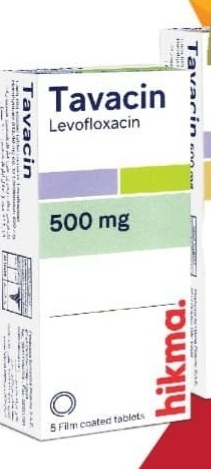
Understanding Tavacin (Levofloxacin): A Comprehensive Medical Guide
Tavacin, a brand-name formulation of the potent fluoroquinolone antibiotic Levofloxacin, stands as a cornerstone in modern antimicrobial therapy. As an orthopedic specialist, I frequently encounter Levofloxacin in the treatment of complex musculoskeletal infections, including osteomyelitis and prosthetic joint infections, due to its superior tissue penetration and broad-spectrum efficacy. This guide provides a deep-dive analysis of its pharmacology, clinical applications, and safety protocols.
1. Mechanism of Action: How Levofloxacin Works
Levofloxacin is the L-isomer of the racemic drug ofloxacin. It exerts its bactericidal effect by targeting two essential bacterial enzymes: DNA gyrase (topoisomerase II) and topoisomerase IV.
- DNA Gyrase Inhibition: By inhibiting this enzyme, Levofloxacin prevents the supercoiling of bacterial DNA, which is necessary for DNA replication and transcription.
- Topoisomerase IV Inhibition: This enzyme is responsible for the separation of replicated chromosomal DNA into daughter cells. Inhibition leads to the cessation of bacterial cell division.
Because these enzymes are structurally distinct from human topoisomerases, Levofloxacin exhibits high selectivity for bacterial cells, resulting in a potent concentration-dependent killing effect.
2. Pharmacokinetics and Pharmacodynamics
Levofloxacin is highly valued in clinical settings for its near-complete oral bioavailability, which is equivalent to its intravenous formulation.
| Feature | Description |
|---|---|
| Bioavailability | Approximately 99% (oral administration) |
| Protein Binding | 24% to 38% |
| Half-life | 6 to 8 hours |
| Metabolism | Minimally hepatic; primarily excreted unchanged |
| Excretion | Renal (87% via urine) |
The drug exhibits significant tissue distribution, achieving high concentrations in the lungs, prostate, skin, and bone—making it an ideal candidate for orthopedic infections where deep tissue penetration is required.
3. Clinical Indications and Usage
Levofloxacin is indicated for a wide array of bacterial infections caused by susceptible organisms. Its broad-spectrum activity includes both Gram-positive and Gram-negative bacteria, as well as atypical pathogens.
Common Indications
- Acute Bacterial Sinusitis: Typically reserved for cases where other options are not viable.
- Community-Acquired Pneumonia (CAP): A first-line respiratory fluoroquinolone.
- Complicated Skin and Skin Structure Infections (cSSSI): Including deep tissue infections.
- Chronic Bacterial Prostatitis: Due to high penetration into prostatic tissue.
- Orthopedic Infections: Used in the management of osteomyelitis when causative pathogens are susceptible.
- Urinary Tract Infections (UTI): Complicated and uncomplicated pyelonephritis.
- Anthrax (Post-exposure): Prophylaxis and treatment for inhalation anthrax.
4. Dosage Guidelines
Dosage must be strictly individualized based on the infection site, severity, and the patient's renal function.
Standard Adult Dosing Table
| Condition | Dosage | Duration |
|---|---|---|
| CAP | 500 mg q24h | 7–14 days |
| Acute Sinusitis | 500 mg q24h | 10–14 days |
| Uncomplicated UTI | 250 mg q24h | 3 days |
| Complicated UTI | 250 mg q24h | 10 days |
| Osteomyelitis | 500–750 mg q24h | 6+ weeks |
Note: Dosage adjustment is mandatory for patients with a creatinine clearance (CrCl) of less than 50 mL/min.
5. Risks, Side Effects, and Contraindications
While highly effective, fluoroquinolones like Tavacin carry a "Black Box Warning" from regulatory bodies regarding serious adverse reactions.
Warnings and Precautions
- Tendonitis and Tendon Rupture: Risk is increased in patients over 60, those taking corticosteroids, or those with organ transplants.
- Peripheral Neuropathy: Sensory or sensorimotor axonal polyneuropathy may occur rapidly.
- Central Nervous System Effects: Including tremors, restlessness, anxiety, and, rarely, seizures or psychosis.
- QT Interval Prolongation: Caution is advised in patients with pre-existing cardiac arrhythmias or electrolyte imbalances.
- Clostridioides difficile-associated diarrhea: Can range from mild diarrhea to fatal colitis.
Contraindications
- Known hypersensitivity to Levofloxacin or other fluoroquinolones.
- History of myasthenia gravis (may exacerbate muscle weakness).
- Patients with a history of tendon disorders related to fluoroquinolone use.
6. Pregnancy and Lactation
- Pregnancy (Category C): Levofloxacin should be used during pregnancy only if the potential benefit justifies the potential risk to the fetus. Animal studies have shown arthropathy in immature animals.
- Lactation: Levofloxacin is excreted in human milk. Due to the potential for serious adverse reactions in nursing infants, a decision should be made to either discontinue nursing or discontinue the drug.
7. Drug Interactions
Levofloxacin interacts with several common medications, necessitating careful medication reconciliation:
- Antacids/Multivitamins: Cations such as aluminum, magnesium, iron, and zinc can chelate with Levofloxacin, significantly reducing its absorption. Administer at least 2 hours before or after these agents.
- Warfarin: Fluoroquinolones may enhance the effects of oral anticoagulants. Monitor INR closely.
- NSAIDs: Concomitant use may increase the risk of CNS stimulation and convulsive seizures.
- Antidiabetic Agents: May cause disturbances in blood glucose (hypoglycemia or hyperglycemia).
8. Overdose Management
In the event of an acute overdose, the patient should be observed, and appropriate hydration maintained. Levofloxacin is not effectively removed by hemodialysis or peritoneal dialysis. Gastric lavage may be considered if ingestion is recent, followed by supportive measures to manage potential CNS excitation or cardiac rhythm disturbances.
9. Frequently Asked Questions (FAQ)
1. Is Tavacin the same as Levofloxacin?
Yes, Tavacin is a brand name for the generic drug Levofloxacin. They share the same active ingredient and clinical efficacy.
2. Can I take Tavacin with food?
Tavacin can be taken with or without food. However, avoid taking it with dairy products or supplements containing calcium, magnesium, or iron, as these can interfere with absorption.
3. What should I do if I miss a dose?
Take the missed dose as soon as you remember. If it is almost time for your next dose, skip the missed dose and resume your regular schedule. Do not take two doses at once.
4. Why is Tavacin labeled with a "Black Box Warning"?
The warning highlights the risk of serious side effects, including tendon rupture, permanent nerve damage (peripheral neuropathy), and central nervous system effects.
5. Can children take Levofloxacin?
Generally, fluoroquinolones are not recommended for pediatric use due to potential risks to developing cartilage, unless the benefit outweighs the risk (e.g., anthrax or plague).
6. Does Levofloxacin interact with alcohol?
While there is no direct chemical interaction, alcohol can exacerbate the dizziness and CNS side effects associated with the medication. It is best to avoid alcohol during treatment.
7. How long does it take for Tavacin to work?
Many patients feel improvement within 48 to 72 hours, but it is critical to complete the full course of antibiotics as prescribed to prevent resistance.
8. Can I drive while on Tavacin?
Use caution. Levofloxacin may cause dizziness, lightheadedness, or impaired alertness in some patients.
9. What is the most common side effect?
The most commonly reported side effects include nausea, diarrhea, and headache.
10. Should I stop the medication if I feel better?
No. You must complete the full prescribed course. Stopping early can lead to the survival of resistant bacteria and the recurrence of the infection.
Disclaimer: This guide is for educational purposes only and does not constitute formal medical advice. Always consult with your physician or an orthopedic specialist before starting, stopping, or modifying any medication regimen.