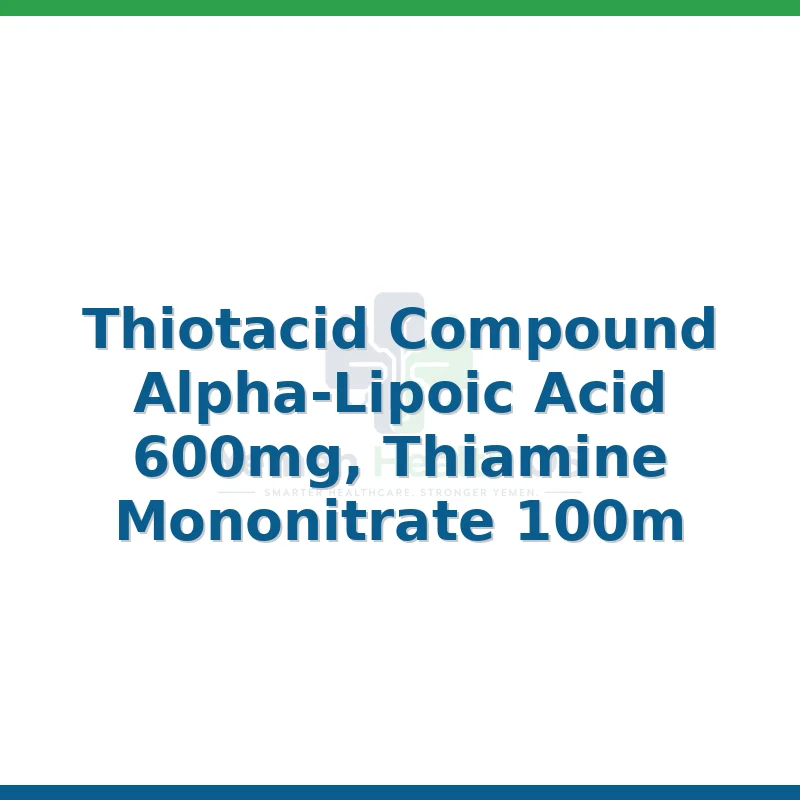


Introduction to Thiotacid Compound
Thiotacid Compound is a specialized pharmaceutical formulation primarily utilized in the management of peripheral neuropathies and metabolic disorders related to oxidative stress. As an orthopedic and neurological adjunct, it is frequently prescribed to alleviate the symptoms of diabetic neuropathy, including burning sensations, numbness, and tingling.
The primary active ingredient in Thiotacid Compound is Alpha-Lipoic Acid (ALA), a potent antioxidant that functions in both aqueous and lipid environments. By combining this with other essential micronutrients or synergistic compounds, the medication serves as a foundational therapy for patients suffering from nerve damage due to metabolic syndrome or chronic glycemic instability.
Deep-Dive: Mechanism of Action and Pharmacokinetics
The Biochemistry of Alpha-Lipoic Acid
Thiotacid Compound works primarily through the multifaceted action of Alpha-Lipoic Acid (also known as thioctic acid). Unlike many other antioxidants, ALA is unique because it is both water-soluble and fat-soluble.
- Mitochondrial Support: ALA acts as a vital co-factor for mitochondrial enzyme complexes, specifically the pyruvate dehydrogenase and alpha-ketoglutarate dehydrogenase complexes. This enhances cellular energy production (ATP) and improves metabolic efficiency.
- Redox Regulation: It regenerates other essential antioxidants, such as Vitamin C, Vitamin E, and glutathione, effectively neutralizing free radicals that contribute to nerve cell degradation.
- Insulin Sensitivity: Thiotacid Compound improves glucose uptake in skeletal muscle, which is critical for patients whose neuropathy is triggered by insulin resistance.
Pharmacokinetics
- Absorption: Rapidly absorbed from the gastrointestinal tract. Bioavailability is reduced when taken with food; therefore, clinical guidelines suggest administration on an empty stomach.
- Distribution: Widely distributed throughout body tissues. Due to its lipophilic nature, it easily crosses the blood-brain barrier.
- Metabolism: Primarily metabolized in the liver via beta-oxidation and S-methylation.
- Excretion: Primarily excreted via the kidneys in the form of metabolites.
Clinical Indications and Usage
Thiotacid Compound is indicated for the symptomatic treatment of various conditions involving oxidative stress and nerve dysfunction.
| Indication | Clinical Goal |
|---|---|
| Diabetic Polyneuropathy | Reduction of paresthesia, burning, and pain. |
| Metabolic Syndrome | Improvement of insulin sensitivity and metabolic markers. |
| Oxidative Stress | Mitigation of damage caused by reactive oxygen species (ROS). |
| Adjuvant Therapy | Support for nerve regeneration in post-surgical orthopedic cases. |
Dosage Guidelines
Dosage must be strictly individualized based on the patient's renal function, glycemic control, and the severity of neurological symptoms.
- Standard Adult Dosage: Typically 600 mg daily, administered as a single dose.
- Administration: It is highly recommended to take the medication 30 minutes before the first meal of the day with a full glass of water.
- Duration: Therapy is often chronic, though periodic reassessment by a neurologist or endocrinologist is necessary to monitor nerve conduction velocities and symptom progression.
Risks, Side Effects, and Contraindications
While Thiotacid Compound is generally well-tolerated, clinicians and patients must be aware of potential adverse events.
Common Side Effects
- Gastrointestinal Distress: Nausea, vomiting, and abdominal pain are the most commonly reported symptoms.
- Dermatological: Rare instances of allergic skin reactions, such as urticaria or pruritus.
- Hypoglycemia: Because the medication enhances insulin sensitivity, patients on hypoglycemic agents (like metformin or insulin) may experience a drop in blood glucose levels.
Contraindications
- Hypersensitivity: Known allergy to Alpha-Lipoic Acid or any excipients in the compound.
- Pediatric Use: Insufficient safety data exists for use in children; therefore, it is generally avoided.
- Severe Hepatic/Renal Impairment: Requires dose adjustment or avoidance under strict medical supervision.
Pregnancy and Lactation
- Pregnancy: There is limited data regarding the safety of Thiotacid Compound during pregnancy. It should only be used if the potential benefit justifies the risk to the fetus.
- Lactation: It is unknown whether ALA is excreted in human breast milk. Caution is advised, and breastfeeding should be discussed with a healthcare provider.
Drug Interactions
Thiotacid Compound can interact with several common medications:
1. Chemotherapy Agents: ALA may interfere with the efficacy of certain oncology drugs.
2. Thyroid Medication: It may decrease the absorption of levothyroxine; separate doses by at least 4 hours.
3. Diabetes Medications: The synergistic effect may cause hypoglycemia, necessitating a potential reduction in the dose of insulin or oral hypoglycemics.
Overdose Management
In the event of an overdose, signs may include confusion, agitation, and, in severe cases, generalized seizures or lactic acidosis.
* Treatment: Immediate gastric lavage and administration of activated charcoal.
* Supportive Care: Intensive monitoring of blood glucose levels and electrolyte balance is mandatory. There is no specific antidote; management is purely symptomatic.
Frequently Asked Questions (FAQ)
1. What is the best time of day to take Thiotacid Compound?
It is best taken on an empty stomach, at least 30 minutes before breakfast, to ensure maximum bioavailability.
2. Can I take Thiotacid Compound if I am not diabetic?
Yes, it is sometimes prescribed for other conditions involving nerve pain or oxidative stress, but always under the guidance of a physician.
3. Does Thiotacid Compound interact with alcohol?
Excessive alcohol consumption can worsen neuropathy and may reduce the efficacy of the medication. It is recommended to limit alcohol intake.
4. How long does it take to see results?
Symptomatic relief of neuropathic pain may take 2 to 4 weeks of consistent daily usage.
5. Can I stop taking the medication once my pain goes away?
Consult your doctor first. Nerve damage is often a chronic condition, and stopping the medication may lead to the return of symptoms.
6. Is Thiotacid Compound a vitamin?
It is not a vitamin, but rather a naturally occurring fatty acid that acts as a potent antioxidant.
7. Does it cause weight loss?
Some studies suggest that ALA may assist in modest weight management by improving metabolic rate, though it is not a weight-loss drug.
8. Are there any dietary restrictions while on this medication?
No specific dietary restrictions exist, but a balanced diet low in processed sugars is recommended to manage the underlying cause of neuropathy.
9. Can I take this with other supplements?
Generally, yes, but you should inform your doctor of all supplements to avoid potential interactions, especially with iron or mineral-heavy supplements.
10. What should I do if I miss a dose?
Take the missed dose as soon as you remember, unless it is close to your next scheduled dose. Do not double the dose.
Clinical Summary and Conclusion
Thiotacid Compound represents an essential component in the management of peripheral neuropathy and oxidative-related cellular damage. By optimizing mitochondrial function and enhancing insulin sensitivity, it provides a dual-action approach that addresses both the symptoms and some of the underlying metabolic drivers of nerve damage.
Patients are strongly advised to adhere to strict dosage protocols, maintain open communication with their healthcare providers regarding side effects, and ensure that their overall glycemic health is monitored concurrently. As with all pharmacological interventions, the efficacy of Thiotacid Compound is maximized when combined with a healthy lifestyle, including regular physical activity and a balanced diet.
Disclaimer: This guide is for informational purposes only and does not constitute medical advice. Always consult with a licensed physician before starting or altering any medication regimen.