
Comprehensive Introduction to the TLSO Brace
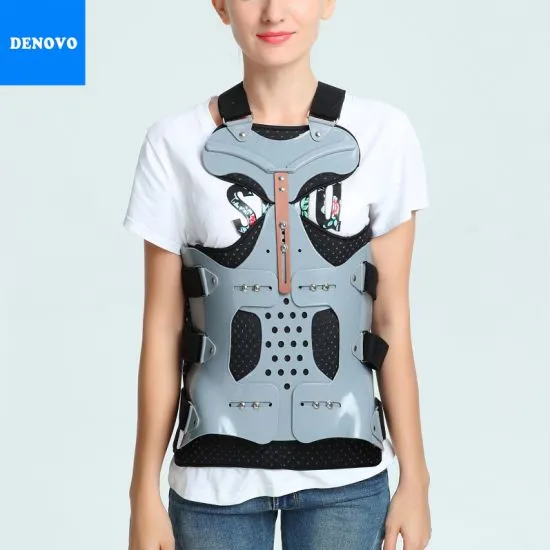
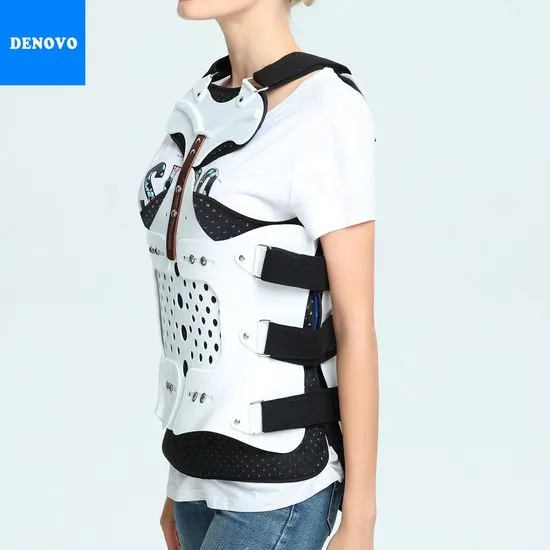
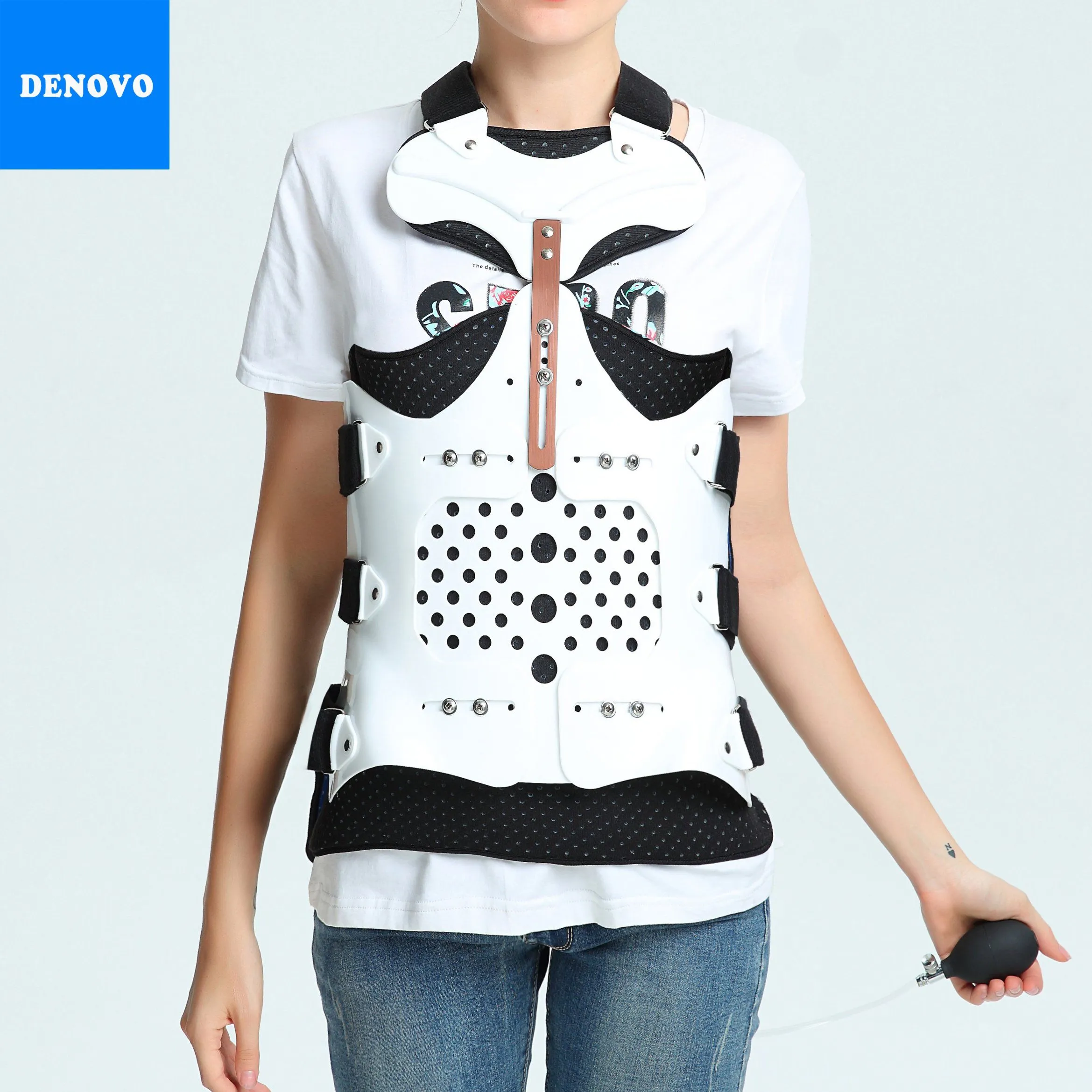
The Thoracolumbosacral Orthosis (TLSO) brace represents a cornerstone in non-surgical orthopedic spinal management. As a custom-molded or prefabricated medical device, the TLSO is engineered to provide stabilization, immobilization, and corrective force to the thoracic, lumbar, and sacral regions of the vertebral column.
Unlike pharmacological interventions, the "mechanism of action" for a TLSO is purely mechanical—utilizing the principles of three-point pressure systems to restrict motion, unload spinal segments, and provide postural support. Whether prescribed for post-operative recovery, scoliosis management, or acute trauma, the TLSO is a vital tool for preventing further spinal degradation and promoting anatomical healing.
Technical Specifications and Mechanism of Action
The TLSO functions by creating a rigid internal environment that offloads the axial load from the spinal column to the abdominal cavity and the surrounding pelvic girdle.
Biomechanical Principles
- Three-Point Pressure System: The brace applies force at three distinct points to counteract spinal curvature or instability. This stabilizes the segment by pushing against the deformity while providing counter-pressure at the top and bottom.
- Intra-abdominal Pressure: By compressing the abdominal wall, the TLSO increases intra-abdominal pressure, which acts as a hydraulic support system, reducing the load on the lumbar intervertebral discs.
- Kinematic Restriction: It restricts flexion, extension, lateral bending, and axial rotation, effectively "splinting" the spine to allow for bone fusion or soft tissue repair.
Technical Composition
| Component | Material | Function |
|---|---|---|
| Outer Shell | Thermoplastic (Polypropylene) | Rigid structural support |
| Lining | Closed-cell foam | Skin protection and hygiene |
| Closure System | Velcro/Ratchet straps | Adjustable compression |
| Reinforcements | Carbon fiber/Steel stays | Structural integrity |
Clinical Indications and Usage
The TLSO is indicated for a wide array of spinal pathologies. Because this is a physical intervention, "dosage" refers to the prescribed wear schedule rather than chemical concentration.
Primary Indications
- Adolescent Idiopathic Scoliosis (AIS): Used to prevent the progression of Cobb angles in growing patients.
- Post-Surgical Stabilization: Used following spinal fusion, laminectomy, or discectomy to protect hardware and graft sites.
- Traumatic Fractures: Provides stability for stable compression fractures (e.g., T10-L2 fractures).
- Degenerative Disc Disease: Used to manage chronic instability and alleviate nerve root compression.
- Scheuermann’s Kyphosis: Used to correct thoracic hyperkyphosis in pediatric populations.
Usage Guidelines (The "Dosage")
The "dosage" of a TLSO is highly individualized.
* Full-Time Wear: Typically 18–23 hours per day for scoliosis management.
* Part-Time/Night-Time Wear: 8–10 hours during sleep for specific corrective protocols.
* Activity-Specific: Worn only during heavy lifting or high-impact activities for chronic instability.
Contraindications and Safety Warnings
While the TLSO is a life-changing device, it is not without risks. Improper use or patient non-compliance can lead to secondary complications.
Absolute and Relative Contraindications
- Severe Respiratory Compromise: In patients with significantly reduced lung capacity, the rigid shell may further restrict diaphragmatic movement.
- Skin Integrity Issues: Severe dermatitis, pressure ulcers, or open wounds in the brace contact area.
- Unstable Fractures: A TLSO is often insufficient for unstable, multi-column spinal fractures requiring surgical intervention (ORIF).
Potential Side Effects
- Muscle Atrophy: Prolonged immobilization can lead to the weakening of core paraspinal muscles. Physical therapy is mandatory during the weaning phase.
- Skin Breakdown: Pressure sores caused by improper fit or lack of hygiene.
- Psychological Distress: Especially in adolescents, the visibility of the brace can impact body image.
Pregnancy and Lactation
The TLSO is generally contraindicated during pregnancy due to the expansion of the abdominal cavity. If spinal support is required during pregnancy, a specialized maternity-specific orthosis must be utilized.
Overdose Management (Improper Usage)
In the context of orthotics, "overdose" refers to over-bracing. Wearing a TLSO longer than prescribed or with excessive compression can lead to:
1. Respiratory distress: Shallow breathing due to chest wall restriction.
2. Gastrointestinal issues: Bloating, acid reflux, or constipation due to excessive abdominal compression.
3. Severe Muscular Deconditioning: The "dependency effect," where the spine loses the ability to support itself without the brace.
Management: If these symptoms occur, the patient must immediately contact their Orthotist or Surgeon to adjust the fit or modify the wear schedule.
Detailed FAQ: Frequently Asked Questions
1. How long do I need to wear my TLSO brace?
The duration depends on your diagnosis. Scoliosis patients often wear it until skeletal maturity, while post-surgical patients usually wear it for 3–6 months.
2. Can I sleep in my TLSO brace?
Yes, if your doctor has prescribed it for night-time wear. If it is a full-time brace, you must wear it while sleeping unless otherwise instructed.
3. Will the brace cause my muscles to atrophy?
Yes, long-term use can lead to muscle weakness. This is why physical therapy exercises are almost always prescribed alongside the brace.
4. How do I clean my TLSO?
Use a damp cloth with mild soap to wipe the interior foam lining. Ensure it is completely dry before wearing it again to prevent skin irritation.
5. Can I wear the brace directly against my skin?
It is highly recommended to wear a thin, moisture-wicking cotton t-shirt under the brace to prevent chafing and absorb sweat.
6. What should I do if the brace causes pain?
Minor pressure is normal as the brace works, but sharp, shooting pain or skin redness that doesn't disappear after 20 minutes indicates a poor fit. See your orthotist immediately.
7. Can I shower with the TLSO?
Most TLSOs are not waterproof. You should remove the brace for bathing, keeping your spine neutral and avoiding twisting or bending.
8. How tight should the straps be?
The brace should be snug enough to provide support but not so tight that it restricts your ability to take a full breath.
9. Will the TLSO correct my scoliosis permanently?
In adolescents, the TLSO is designed to halt progression during growth spurts. It does not "cure" scoliosis but prevents the need for surgery in many cases.
10. Does the TLSO affect digestion?
It can. Because it applies pressure to the abdomen, you may find it more comfortable to eat smaller, more frequent meals rather than large ones while wearing the brace.
Conclusion and Professional Guidance
The Thoracolumbosacral Orthosis (TLSO) remains an essential non-invasive intervention in modern orthopedics. By providing external structural support, it allows the body to heal from trauma, prevents the progression of deformity, and stabilizes the spine post-surgery.
However, success with a TLSO is entirely dependent on compliance and proper fitting. Patients must work closely with a certified Orthotist to ensure the device is adjusted as their body changes or as their clinical condition improves. Always consult your orthopedic surgeon regarding your specific "dosage" and wear schedule, and never attempt to modify the brace yourself.
For those undergoing long-term TLSO therapy, integrating core-strengthening exercises—as approved by a physical therapist—is the most effective way to transition out of the brace and maintain long-term spinal health.