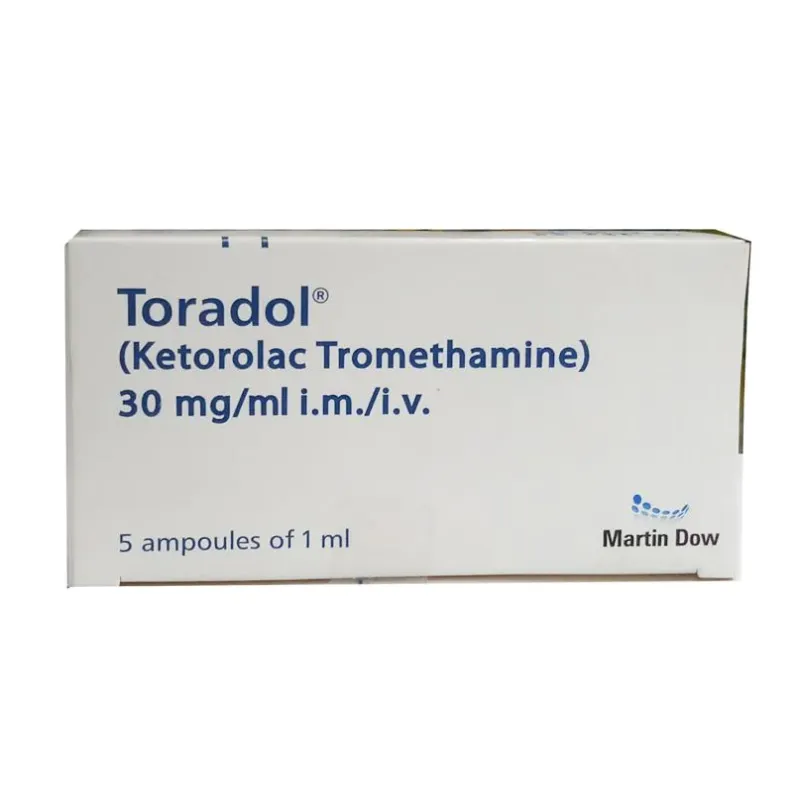

Understanding Toradol (Ketorolac Tromethamine): A Comprehensive Medical Guide
Toradol, known generically as Ketorolac tromethamine, is a potent nonsteroidal anti-inflammatory drug (NSAID) primarily utilized for the short-term management of moderate to severe pain. Unlike many other NSAIDs that are commonly available over-the-counter for minor aches, Toradol is typically reserved for clinical settings, such as emergency departments, postoperative recovery units, and orthopedic clinics, due to its powerful analgesic properties and its unique safety profile.
This guide provides an exhaustive clinical overview of Ketorolac, intended for educational purposes for healthcare providers and patients seeking a deep understanding of this pharmacological agent.
Deep-Dive: Mechanism of Action and Pharmacokinetics
To understand why Toradol is so effective, one must examine its physiological impact on the human body at the molecular level.
Mechanism of Action
Ketorolac functions by inhibiting the enzyme cyclooxygenase (COX), specifically COX-1 and COX-2. By blocking these enzymes, the medication prevents the synthesis of prostaglandins—lipid compounds that act as local mediators of pain, inflammation, and fever.
Unlike many other NSAIDs, Ketorolac possesses an exceptionally high analgesic-to-anti-inflammatory ratio. This makes it a preferred choice for acute pain management, as it effectively interrupts pain signaling pathways without the delayed onset associated with weaker anti-inflammatory agents.
Pharmacokinetics
Ketorolac is highly bioavailable, whether administered orally, intramuscularly (IM), or intravenously (IV).
| Parameter | Clinical Profile |
|---|---|
| Onset of Action | 30–60 minutes |
| Peak Plasma Time | 45–90 minutes |
| Metabolism | Primarily hepatic (glucuronidation) |
| Excretion | Renal (approximately 90%) |
| Half-Life | 4–6 hours (longer in elderly patients) |
Extensive Clinical Indications and Usage
Toradol is indicated exclusively for the short-term (not exceeding 5 days total) management of moderately severe acute pain that requires analgesia at the opioid level.
Common Orthopedic and Surgical Indications
- Postoperative Pain: Frequently used in orthopedic surgery to reduce the need for opioid analgesics, thereby minimizing opioid-related side effects such as nausea, vomiting, and respiratory depression.
- Acute Musculoskeletal Trauma: Effective in managing pain from fractures, sprains, or severe muscle spasms in the acute setting.
- Renal Colic: While not orthopedic, it is a standard of care in the ER for the management of pain associated with kidney stones due to its specific ability to reduce ureteral smooth muscle tone.
Dosage Guidelines
The dosage of Toradol must be strictly monitored to avoid renal impairment and gastrointestinal bleeding.
- Intramuscular/Intravenous: For patients < 65 years, a single dose of 30 mg (IV) or 60 mg (IM) is common. For patients > 65 years or those with renal impairment, the dose is halved (15 mg IV/30 mg IM).
- Oral: Typically 10 mg every 4–6 hours as needed.
- Maximum Duration: Total duration of therapy (parenteral and oral combined) must not exceed 5 days.
Risks, Side Effects, and Contraindications
The potency of Toradol comes with a significant safety warning profile. It carries a Black Box Warning regarding the risk of gastrointestinal (GI) ulceration, bleeding, and perforation, as well as renal impairment.
Contraindications
Patients should not receive Toradol if they have:
* Active peptic ulcer disease or history of GI bleeding.
* Advanced renal impairment or risk of renal failure due to volume depletion.
* Suspected or confirmed cerebrovascular bleeding.
* Pre-operative use (due to inhibition of platelet aggregation).
* Hypersensitivity to NSAIDs or aspirin.
Common Side Effects
- Gastrointestinal: Nausea, dyspepsia, gastrointestinal pain.
- Neurological: Headache, dizziness, drowsiness.
- Cardiovascular: Hypertension, edema.
- Renal: Increased serum creatinine, oliguria.
Drug Interactions and Pregnancy/Lactation
Drug Interactions
- Anticoagulants (e.g., Warfarin): Increases the risk of severe bleeding.
- Other NSAIDs: Concomitant use increases the risk of GI toxicity and renal failure.
- ACE Inhibitors/Diuretics: May reduce the efficacy of these antihypertensives and increase nephrotoxicity.
- Lithium: Ketorolac can reduce lithium clearance, leading to toxicity.
Pregnancy and Lactation
- Pregnancy: Use should be avoided, especially in the third trimester, as it may cause premature closure of the ductus arteriosus in the fetus.
- Lactation: Ketorolac is present in breast milk and is generally not recommended for nursing mothers.
Overdose Management
An overdose of Toradol can lead to acute renal failure, metabolic acidosis, and gastrointestinal hemorrhage.
- Immediate Action: Discontinue the drug immediately.
- Supportive Care: Monitor renal function (BUN/Creatinine), electrolyte balance, and hematological status.
- Gastric Decontamination: If the ingestion was oral and recent, activated charcoal may be considered.
- Dialysis: Hemodialysis is not effective for removing Ketorolac due to high protein binding.
Frequently Asked Questions (FAQ)
1. Is Toradol an opioid?
No. Toradol is a non-narcotic NSAID. It does not possess the addictive properties of opioids, though it is often used as a non-addictive alternative for acute pain.
2. Why is Toradol limited to 5 days of use?
The risk of serious side effects, particularly gastrointestinal bleeding and renal failure, increases significantly with prolonged use. It is intended for acute, short-term pain only.
3. Can I take Toradol with Tylenol?
Yes, in many clinical settings, Toradol is used in conjunction with Acetaminophen (Tylenol) as they work through different pathways. Always consult your physician for specific dosing.
4. Does Toradol cause addiction?
No, Ketorolac does not cause chemical dependency or "high," which makes it a preferred non-opioid analgesic in many post-surgical protocols.
5. Why is it used in the Emergency Room so often?
It is highly effective for rapid pain relief for conditions like kidney stones and severe musculoskeletal injuries without the sedation or respiratory risk associated with morphine or fentanyl.
6. Can patients with asthma take Toradol?
Patients with "aspirin-sensitive asthma" should avoid Toradol, as it can trigger severe bronchospasms in susceptible individuals.
7. Does Toradol affect blood pressure?
Yes, like most NSAIDs, it can cause fluid retention and increase blood pressure, which may be a concern for patients with pre-existing hypertension.
8. What should I do if I miss a dose?
If you are on an oral regimen, take it as soon as you remember. If it is near the time for the next dose, skip the missed dose. Do not double up.
9. Is Toradol safe for elderly patients?
The elderly are at a higher risk of adverse effects, particularly GI bleeds and renal failure. Dosage must be reduced, and the patient must be closely monitored.
10. Can Toradol be used for chronic back pain?
No. Toradol is explicitly indicated for short-term management of acute pain. It is not suitable for chronic condition management due to the cumulative risk of organ toxicity.
Conclusion
Toradol (Ketorolac) remains an indispensable tool in the medical arsenal for rapid, potent pain management. Its ability to provide opioid-level analgesia without the associated risk of addiction makes it a cornerstone in modern orthopedic and emergency medicine. However, due to its potent pharmacological profile, it must be prescribed with caution, strictly adhering to dosage limits and contraindication guidelines to ensure patient safety.
Disclaimer: This guide is for informational purposes only and does not constitute medical advice. Always consult with a qualified healthcare professional regarding medication and treatment plans.