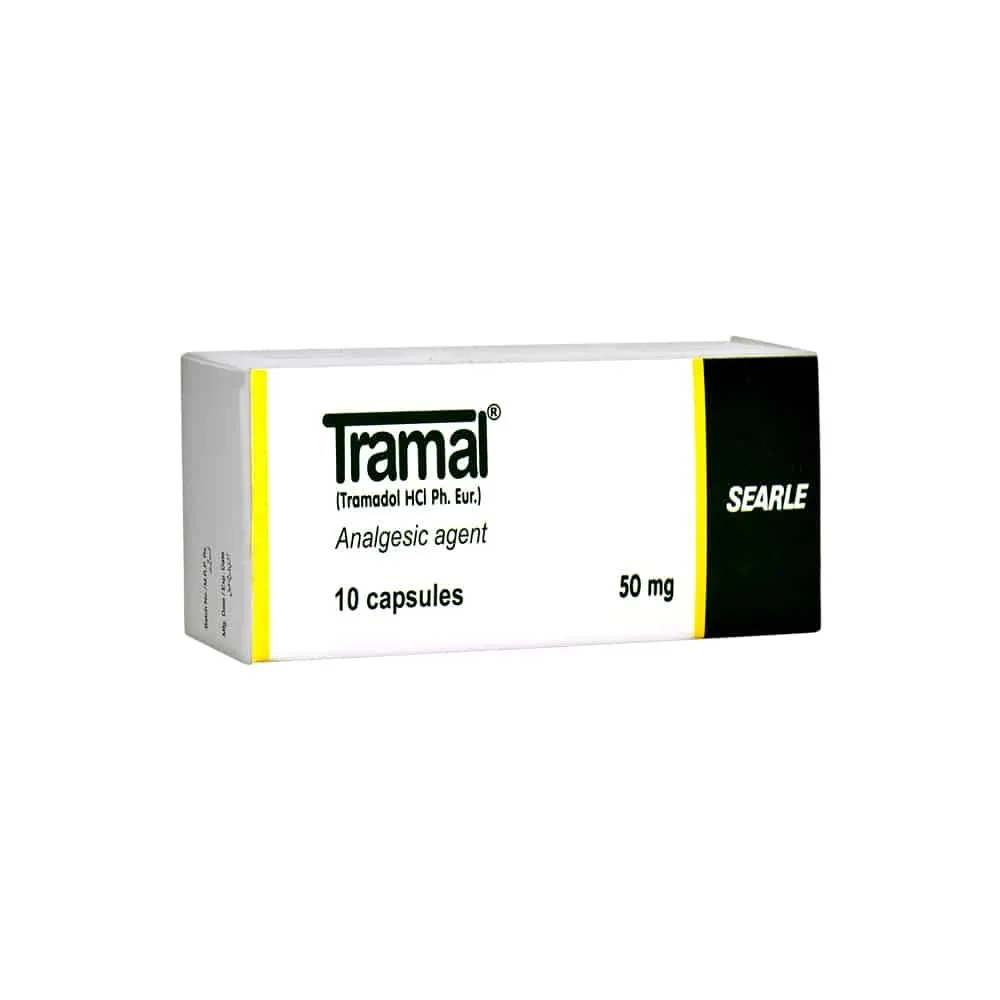

Comprehensive Guide to Tramal (Tramadol): Clinical Overview
Tramal, known generically as tramadol, is a centrally acting synthetic analgesic utilized primarily for the management of moderate to moderately severe pain. As an atypical opioid, it occupies a unique position in pain management, offering a dual mechanism of action that distinguishes it from traditional pure opioid agonists like morphine or oxycodone.
This guide serves as a clinical reference for understanding the pharmacological profile, therapeutic applications, and safety considerations associated with Tramal.
Deep-Dive: Mechanism of Action and Pharmacokinetics
The therapeutic efficacy of Tramal is derived from a complex, multimodal mechanism. Unlike conventional opioids that act solely on mu-opioid receptors, Tramal employs a dual-action pathway.
1. Dual Mechanism of Action
- Mu-Opioid Receptor Agonism: Tramadol and its primary active metabolite, O-desmethyltramadol (M1), bind with low affinity to mu-opioid receptors. This creates an analgesic effect by inhibiting the transmission of pain signals in the central nervous system.
- Monoamine Reuptake Inhibition: Tramadol inhibits the reuptake of norepinephrine and serotonin. By increasing the concentrations of these neurotransmitters in the synaptic cleft, it modulates descending inhibitory pain pathways, providing additional analgesic coverage.
2. Pharmacokinetics
Understanding how the body processes Tramal is essential for clinical dosing:
* Absorption: Tramadol is rapidly and almost completely absorbed following oral administration.
* Metabolism: It undergoes extensive hepatic metabolism via the cytochrome P450 enzyme system, specifically the CYP2D6 isoenzyme, to form the active M1 metabolite.
* Elimination: The primary route of excretion is renal. The elimination half-life of tramadol is approximately 6–7 hours.
| Parameter | Clinical Characteristic |
|---|---|
| Onset of Action | 30–60 minutes |
| Peak Plasma Time | 2 hours (immediate release) |
| Metabolism | Hepatic (CYP2D6 & CYP3A4) |
| Excretion | Renal (90%) |
Extensive Clinical Indications & Usage
Tramal is indicated for the treatment of moderate to moderately severe pain. It is frequently prescribed in orthopedic settings, post-surgical recovery, and chronic pain management where non-opioid analgesics (like NSAIDs or acetaminophen) have proven insufficient.
Primary Clinical Applications
- Post-Operative Pain: Used for managing pain after orthopedic procedures such as arthroscopy or fracture fixation.
- Chronic Musculoskeletal Pain: Often utilized for osteoarthritis or chronic low back pain when alternatives are contraindicated.
- Neuropathic Pain: Due to its serotonin and norepinephrine reuptake inhibition, it may show efficacy in certain neuropathic pain syndromes.
Dosage Guidelines (General)
Dosing must be individualized based on the severity of pain, patient age, and renal/hepatic function.
- Standard Adult Dose: 50 mg to 100 mg every 4 to 6 hours as needed.
- Maximum Daily Dose: Generally capped at 400 mg per 24 hours to minimize the risk of seizures and respiratory depression.
- Geriatric Considerations: Patients over 75 years should not exceed 300 mg daily.
Risks, Side Effects, and Contraindications
While Tramal is often perceived as "weaker" than traditional opioids, it carries significant risks, particularly concerning serotonin syndrome and seizure thresholds.
Common Side Effects
- Gastrointestinal: Nausea, vomiting, constipation, and dry mouth.
- Neurological: Dizziness, somnolence, headache, and tremors.
- Psychological: Confusion or anxiety in sensitive individuals.
Serious Risks and Contraindications
- Seizure Risk: Tramal lowers the seizure threshold. It is contraindicated in patients with epilepsy or those at high risk for seizures.
- Serotonin Syndrome: Because of its effect on serotonin reuptake, it should not be combined with SSRIs, SNRIs, or MAOIs without extreme caution.
- Respiratory Depression: While less common than with pure opioids, it can occur, especially in patients with chronic obstructive pulmonary disease (COPD).
Pregnancy and Lactation
- Pregnancy: Tramal crosses the placenta. It should only be used if the potential benefit justifies the potential risk to the fetus. Chronic use may lead to neonatal opioid withdrawal syndrome.
- Lactation: It is excreted into breast milk. It is generally not recommended for breastfeeding mothers due to the risk of opioid exposure to the infant.
Overdose Management
An overdose of Tramal is a medical emergency. Symptoms include respiratory depression, lethargy, coma, and seizures.
- Airway Management: Ensure a patent airway and provide mechanical ventilation if necessary.
- Naloxone: While naloxone may reverse the respiratory depression, it is less effective against the opioid component of Tramal than for pure agonists. It will NOT reverse the seizure activity.
- Supportive Care: Seizures should be managed with benzodiazepines (e.g., diazepam or lorazepam).
Frequently Asked Questions (FAQ)
1. Is Tramal considered a narcotic?
Yes, Tramal (tramadol) is classified as a controlled substance in many jurisdictions because it is an opioid, albeit an atypical one.
2. Can I consume alcohol while taking Tramal?
No. Alcohol significantly increases the risk of respiratory depression and central nervous system sedation.
3. Does Tramal cause constipation like other opioids?
Yes, constipation is a common side effect, though it is often reported as less severe than that caused by morphine or oxycodone.
4. How long does it take for Tramal to start working?
Most patients feel the onset of pain relief within 30 to 60 minutes of oral administration.
5. Why is there a seizure warning for Tramal?
Tramal can lower the seizure threshold, particularly in patients with a history of seizures or those taking medications that also lower the seizure threshold.
6. Can I stop taking Tramal abruptly?
If you have been taking Tramal for an extended period, you should not stop abruptly. Consult your physician to taper the dose to avoid withdrawal symptoms.
7. Does Tramal show up on a drug test?
Standard drug screens often do not test for tramadol. However, specialized or comprehensive toxicology panels can detect it.
8. Is Tramal safe for patients with kidney disease?
Dose adjustments are usually required for patients with renal impairment. Consult your doctor for specific guidance based on your creatinine clearance.
9. Can I drive while on Tramal?
Tramal can cause dizziness and drowsiness. Do not operate heavy machinery or drive until you know how the medication affects you.
10. Can Tramal be crushed or chewed?
Immediate-release tablets can be, but extended-release formulations must be swallowed whole. Crushing extended-release tablets can cause a dangerous "dose dump," leading to toxicity.
Disclaimer: This guide is for educational purposes only and does not constitute medical advice. Always consult with a licensed healthcare professional or orthopedic specialist before initiating or altering any medication regimen.