
Comprehensive Introduction to Tramal SR
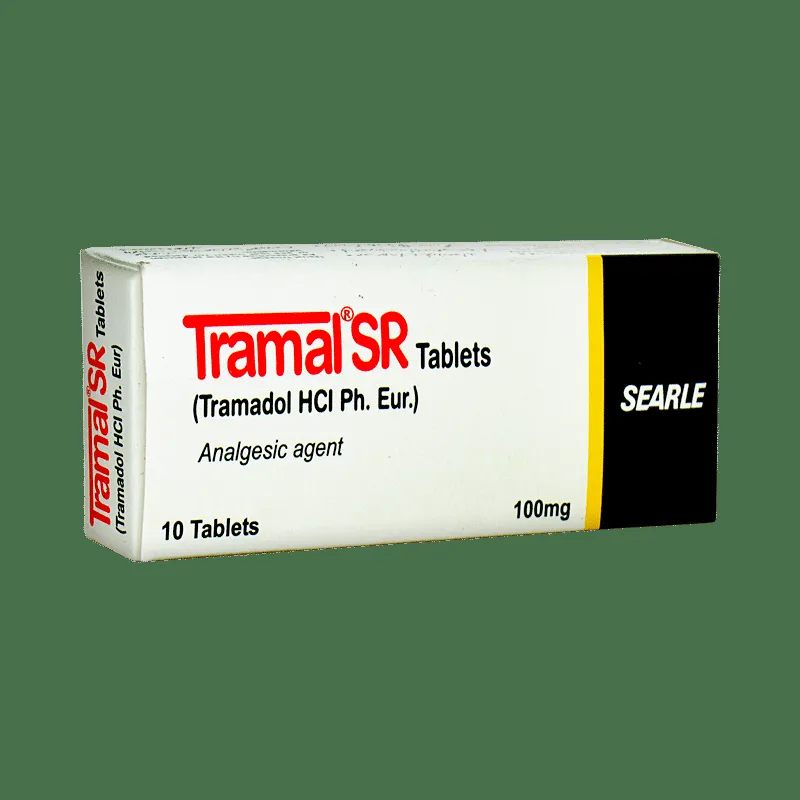
Tramal SR (Sustained Release) is a potent analgesic medication containing tramadol hydrochloride. It belongs to the class of centrally acting synthetic opioid analgesics. Unlike immediate-release formulations, the "SR" designation indicates a specialized tablet matrix designed to release the active ingredient gradually over an extended period. This provides consistent plasma concentrations, allowing for twice-daily dosing, which significantly improves patient compliance in the management of chronic pain.
Tramal SR is primarily utilized for the management of moderate to moderately severe chronic pain, particularly in conditions where non-opioid analgesics have proven insufficient. Because of its complex pharmacological profile, which involves both opioid receptor activation and the modulation of monoaminergic pathways, it is considered a unique therapeutic tool in the orthopedic and pain management landscape.
Deep-Dive: Mechanism of Action and Pharmacokinetics
Understanding how Tramal SR functions requires an appreciation of its dual-action mechanism. It is not a "classic" opioid, which is why it is often categorized differently in clinical guidelines.
The Dual-Mechanism Advantage
- Opioid Receptor Binding: Tramadol and its primary metabolite, O-desmethyltramadol (M1), bind to the mu-opioid receptors in the central nervous system. This inhibits the transmission of pain signals.
- Monoamine Reuptake Inhibition: Tramadol inhibits the reuptake of norepinephrine and serotonin in the synaptic cleft. By increasing the levels of these neurotransmitters, it enhances the endogenous descending inhibitory pain pathways.
Pharmacokinetics
The sustained-release matrix of Tramal SR ensures a slower absorption rate compared to immediate-release tramadol.
| Parameter | Clinical Note |
|---|---|
| Onset of Action | Typically 1–2 hours post-ingestion. |
| Peak Plasma Concentration | Reached in approximately 4–5 hours. |
| Metabolism | Hepatic via CYP2D6 and CYP3A4 enzymes. |
| Half-life | Approximately 6–8 hours (prolonged due to SR matrix). |
| Excretion | Primarily renal (90% excreted in urine). |
Extensive Clinical Indications & Usage
Tramal SR is indicated for the treatment of moderate to severe chronic pain. In an orthopedic context, it is frequently prescribed for:
- Osteoarthritis: Managing persistent joint pain where NSAIDs are contraindicated or insufficient.
- Chronic Lower Back Pain: Long-term management of spinal degenerative conditions.
- Post-Surgical Pain: Transitioning from acute post-operative care to maintenance therapy.
- Neuropathic Pain: When combined with adjuvant therapies, it can address pain components with a neurological origin.
Dosage Guidelines
The dosage of Tramal SR must be individualized based on the intensity of the patient's pain and their individual sensitivity.
- Standard Starting Dose: Usually 100 mg twice daily (every 12 hours).
- Titration: The dose may be increased based on clinical response, typically in increments of 50 mg to 100 mg, to a maximum of 400 mg per day.
- Administration: Tablets must be swallowed whole with liquid. They must not be crushed, chewed, or split, as this destroys the sustained-release matrix and leads to a rapid, potentially dangerous "dose dumping" of the medication.
Risks, Side Effects, and Contraindications
While Tramal SR is effective, it carries significant risks that necessitate careful patient monitoring.
Common Side Effects
- Nausea and vomiting (often transient).
- Dizziness or lightheadedness.
- Constipation (frequent, requires stool softeners).
- Somnolence or fatigue.
- Dry mouth.
Serious Risks & Contraindications
- Seizure Risk: Tramadol can lower the seizure threshold. It is contraindicated in patients with uncontrolled epilepsy.
- Serotonin Syndrome: Due to its effect on serotonin reuptake, it should not be used with MAO inhibitors or other serotonergic drugs (SSRIs, SNRIs).
- Respiratory Depression: While less common than with pure opioids, it remains a risk at high doses or when combined with CNS depressants.
- Contraindications: Acute intoxication with alcohol, hypnotics, centrally acting analgesics, or psychotropic drugs.
Pregnancy and Lactation
Tramal SR is generally not recommended during pregnancy unless the potential benefit justifies the risk to the fetus. Tramadol crosses the placental barrier. It is excreted in breast milk; therefore, it is generally advised to avoid breastfeeding while on this medication.
Drug Interactions
- CYP2D6 Inhibitors (e.g., Fluoxetine, Quinidine): Can reduce the formation of the active M1 metabolite, potentially reducing analgesic efficacy.
- CNS Depressants: Alcohol, benzodiazepines, and other opioids increase the risk of respiratory depression and sedation.
- Warfarin: Tramadol may enhance the anticoagulant effect of warfarin, requiring monitoring of INR levels.
Overdose Management
An overdose of Tramal SR is a medical emergency. Symptoms include miosis (pinpoint pupils), vomiting, cardiovascular collapse, sedation, seizures, and respiratory depression.
- Airway Management: Ensure a patent airway and provide assisted ventilation if necessary.
- Naloxone: While naloxone can reverse opioid-induced respiratory depression, it has limited effect on tramadol-induced seizures.
- Seizure Control: Benzodiazepines (e.g., diazepam) are the first-line treatment for tramadol-induced seizures.
- Supportive Care: Gastric lavage or activated charcoal may be considered if the ingestion was recent, given the sustained-release nature of the drug.
Frequently Asked Questions (FAQ)
1. Can I crush Tramal SR tablets?
No. Crushing, chewing, or splitting the tablet destroys the sustained-release mechanism, leading to an immediate overdose of the drug. Always swallow the tablet whole.
2. Is Tramal SR an addictive substance?
While it has a lower abuse potential than morphine or oxycodone, tramadol is an opioid. Long-term use can lead to physical dependence and withdrawal symptoms upon cessation.
3. What should I do if I miss a dose?
Take the missed dose as soon as you remember, unless it is close to the time for your next scheduled dose. Never double up to make up for a missed dose.
4. Can I drink alcohol while taking Tramal SR?
No. Alcohol significantly increases the sedative effects of the medication and the risk of dangerous respiratory depression.
5. Why does Tramal SR make me feel nauseous?
Nausea is a common side effect of opioid receptor stimulation in the gut and the brain's chemoreceptor trigger zone. This usually subsides after a few days of consistent use.
6. Does Tramal SR interact with antidepressants?
Yes. Many antidepressants (SSRIs/SNRIs) interact with tramadol, increasing the risk of Serotonin Syndrome, a life-threatening condition. Always consult your doctor regarding your current medication list.
7. How long can I safely take Tramal SR?
The duration of use should be strictly determined by your physician. It is intended for chronic pain, but it should be reviewed periodically to ensure the benefit still outweighs the risks.
8. Will I experience withdrawal if I stop taking it suddenly?
Yes. If you have been on the medication for an extended period, you must taper the dose gradually under medical supervision to avoid withdrawal symptoms like anxiety, sweating, and tremors.
9. Is Tramal SR safe for elderly patients?
Caution is required. Elderly patients are more sensitive to the side effects, including dizziness, confusion, and constipation. Lower starting doses are often recommended.
10. Can I drive while taking this medication?
Tramal SR may impair your cognitive and motor functions. Do not drive or operate heavy machinery until you know how the medication affects you.
Disclaimer: This guide is for informational purposes only and does not constitute medical advice. Always consult with a licensed healthcare professional or orthopedic specialist regarding your specific pain management needs and before starting or altering any medication regimen.