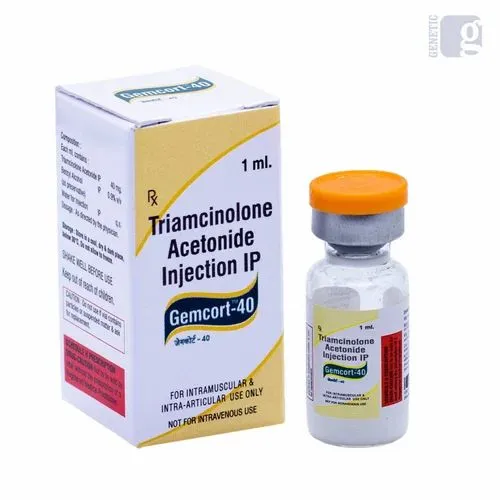
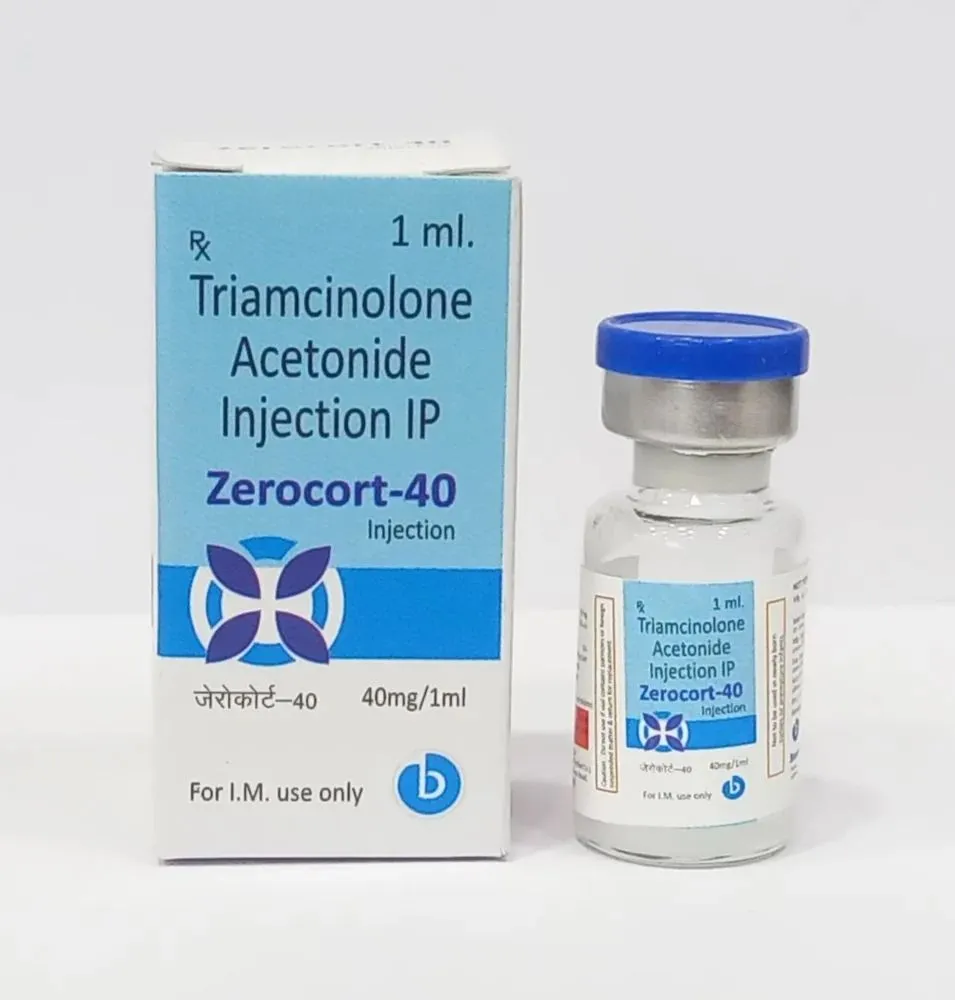
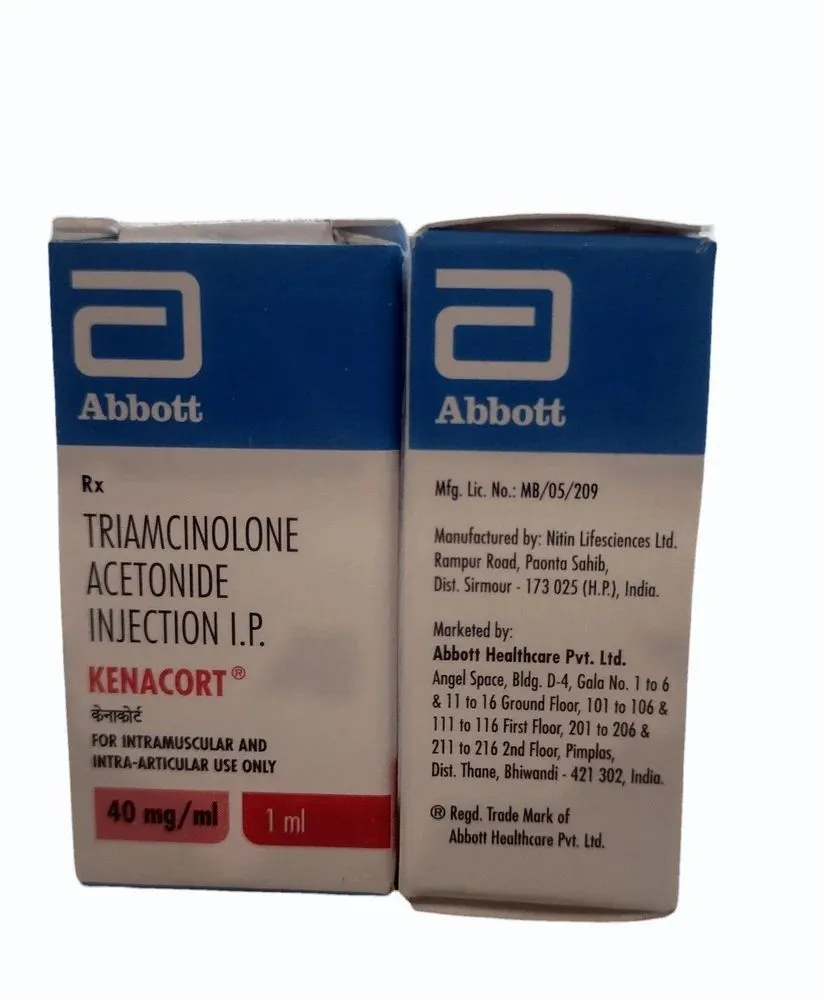

Comprehensive Guide to Triamcinolone Acetonide Injection: Clinical Excellence in Corticosteroid Therapy
Triamcinolone acetonide is a potent, synthetic corticosteroid that has served as a cornerstone in orthopedic, dermatological, and rheumatological practice for decades. As a long-acting glucocorticoid, it is primarily utilized for its profound anti-inflammatory and immunosuppressive properties. This guide provides an exhaustive clinical overview of its pharmacological profile, therapeutic applications, and safety considerations.
1. Mechanism of Action: The Molecular Pathway
Triamcinolone acetonide functions by binding to specific cytoplasmic glucocorticoid receptors. Once the drug-receptor complex is formed, it translocates into the cell nucleus, where it interacts with glucocorticoid response elements (GREs) in the DNA.
Key Pharmacological Effects:
- Gene Expression Modification: It induces the synthesis of lipocortins, which inhibit phospholipase A2, thereby preventing the release of arachidonic acid and subsequent production of potent inflammatory mediators like prostaglandins and leukotrienes.
- Leukocyte Inhibition: It suppresses the migration of polymorphonuclear leukocytes and decreases capillary permeability at the site of inflammation.
- Immune Modulation: It inhibits the production of cytokines, including IL-1, IL-2, and TNF-alpha, which are critical drivers of the inflammatory cascade in joint diseases.
2. Pharmacokinetics and Metabolism
Understanding the pharmacokinetics is essential for optimizing clinical outcomes, particularly in intra-articular injections.
| Feature | Description |
|---|---|
| Onset of Action | Gradual; typically 12–24 hours post-injection. |
| Duration of Effect | Prolonged (weeks to months) due to low solubility. |
| Metabolism | Primarily hepatic via cytochrome P450 enzymes. |
| Excretion | Renal excretion of inactive metabolites. |
| Protein Binding | High affinity for transcortin (corticosteroid-binding globulin). |
3. Clinical Indications and Therapeutic Usage
Triamcinolone acetonide is indicated for conditions where a sustained anti-inflammatory effect is required.
Orthopedic and Rheumatological Indications
- Rheumatoid Arthritis: Management of acute flares in specific joints.
- Osteoarthritis: Intra-articular injection to reduce synovitis and pain.
- Bursitis and Tendonitis: Subacromial bursitis, epicondylitis (tennis elbow), and trochanteric bursitis.
- Synovitis: Reduction of inflammation in chronic joint conditions.
Dermatological and Other Uses
- Keloids and Hypertrophic Scars: Intralesional injection to reduce collagen deposition.
- Alopecia Areata: Stimulating hair regrowth via localized immune suppression.
- Psoriatic Lesions: Reducing plaque thickness and inflammation.
4. Dosage Guidelines and Administration
Dosage must be individualized based on the disease severity, the specific joint size, and the patient's response.
General Intra-Articular Guidelines:
- Large Joints (Knee, Shoulder): 5 mg to 15 mg.
- Small Joints (Interphalangeal, Sternoclavicular): 2.5 mg to 5 mg.
- Bursa: 2.5 mg to 15 mg depending on the anatomical site.
Note: Strict aseptic technique is mandatory during all injection procedures to mitigate the risk of septic arthritis.
5. Contraindications and Safety Warnings
Despite its efficacy, Triamcinolone Acetonide is not suitable for every patient.
Absolute Contraindications:
- Systemic Fungal Infections: Corticosteroids can exacerbate systemic fungal spread.
- Hypersensitivity: Known allergy to triamcinolone or any components of the vehicle.
- Active Infection: Presence of infection at or near the intended injection site (e.g., cellulitis).
Relative Contraindications:
- Diabetes Mellitus: Can cause significant hyperglycemia.
- Hypertension: May lead to sodium and water retention.
- Osteoporosis: Long-term use may increase fracture risk.
6. Drug Interactions
Triamcinolone acetonide interacts with several classes of medications:
1. Anticoagulants: May alter the response to warfarin; frequent INR monitoring is advised.
2. Antidiabetic Agents: Increased doses of insulin or oral hypoglycemics may be required.
3. NSAIDs: Concurrent use increases the risk of gastrointestinal ulceration.
4. Vaccines: Avoid live virus vaccines due to immunosuppression.
7. Pregnancy and Lactation
Triamcinolone should be used during pregnancy only if the potential benefit justifies the potential risk to the fetus. It is classified under FDA Pregnancy Category C. It is distributed into breast milk; therefore, caution is advised when administered to nursing mothers.
8. Overdose Management
Acute overdose is rare with local injections. Chronic overdose (over-utilization) can lead to:
* Cushingoid symptoms: Moon face, buffalo hump, and central obesity.
* HPA Axis Suppression: Secondary adrenal insufficiency.
* Management: Gradual tapering of the corticosteroid dosage rather than abrupt cessation to prevent adrenal crisis.
9. Frequently Asked Questions (FAQ)
1. How long does it take for Triamcinolone to work?
Patients typically notice a reduction in pain and swelling within 24 to 48 hours, though peak efficacy is often reached within one week.
2. Can I receive multiple injections in the same joint?
Generally, clinicians limit injections to 3–4 times per year per joint to avoid cartilage degradation and tendon weakening.
3. What are the most common side effects?
Local reactions include injection site pain, skin atrophy, pigment changes, and transient post-injection flare.
4. Does this medication affect blood sugar?
Yes, triamcinolone can cause temporary elevation in blood glucose levels, especially in patients with pre-existing diabetes.
5. Is it safe for professional athletes?
Athletes should consult their governing bodies. Corticosteroids may be subject to regulations under the World Anti-Doping Agency (WADA) codes.
6. What should I do if I experience severe pain after the injection?
While mild soreness is common, severe, worsening pain accompanied by redness or fever may indicate an infection; contact your physician immediately.
7. How should the injection site be cared for post-procedure?
Keep the area clean and avoid strenuous activity or heavy loading of the treated joint for 24–48 hours.
8. Will this medication cure my arthritis?
No, triamcinolone is a palliative treatment that manages symptoms and inflammation; it does not reverse structural joint damage.
9. Can I take NSAIDs while on this treatment?
Yes, but monitor for gastrointestinal discomfort. Always consult your prescribing physician before combining medications.
10. Does Triamcinolone cause weight gain?
Local intra-articular injections typically have a low risk of systemic side effects like weight gain, which are more common with high-dose oral corticosteroids.
11. Conclusion
Triamcinolone acetonide remains a highly effective tool in the clinical arsenal for managing inflammatory conditions. By strictly adhering to aseptic technique, appropriate dosage, and careful patient selection, clinicians can significantly improve the quality of life for patients suffering from chronic pain and inflammation. Always prioritize patient education regarding the risks of repeated injections and the importance of monitoring for systemic side effects.
Disclaimer: This guide is for educational purposes for healthcare professionals and patients. It does not replace professional medical advice, diagnosis, or treatment. Always seek the advice of your physician or qualified health provider with any questions regarding a medical condition.