
Comprehensive Guide to Unitriaxon (Ceftriaxone)
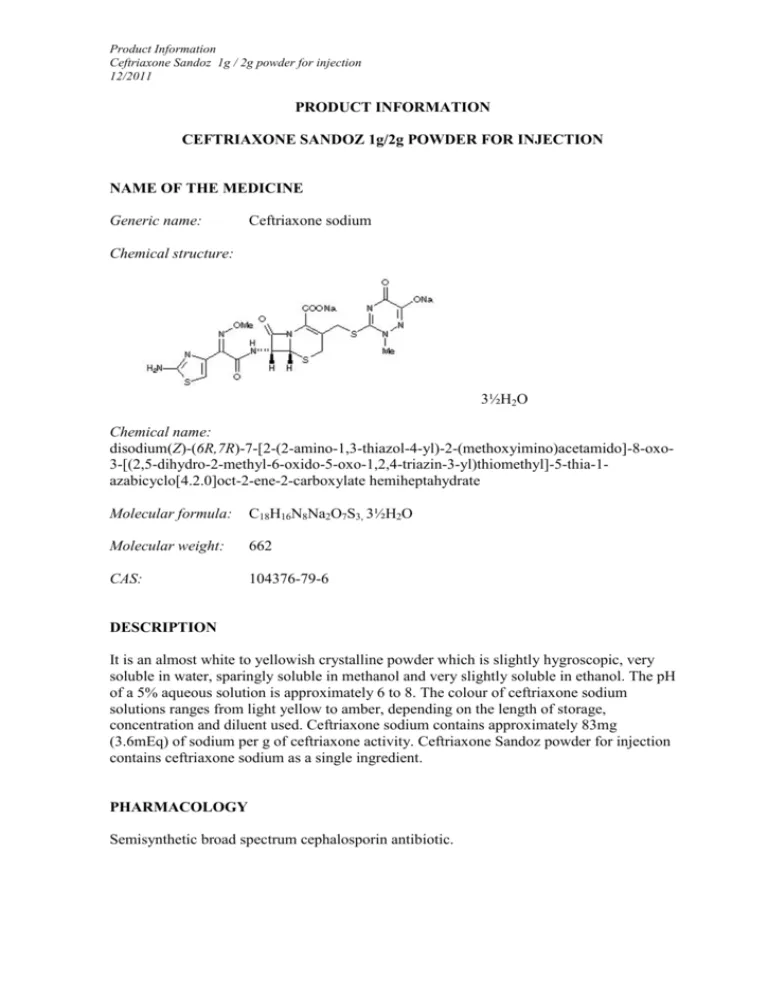
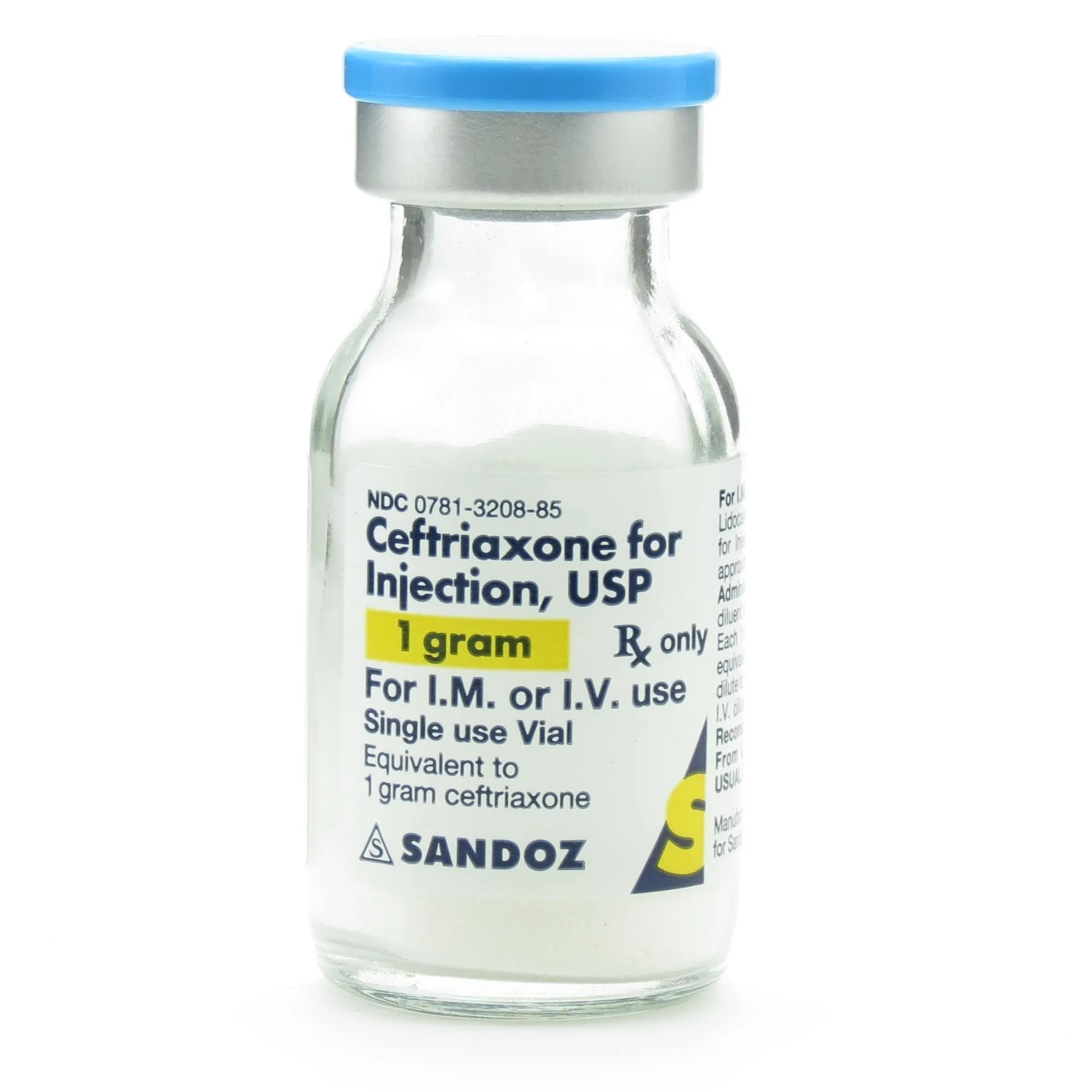
Unitriaxon, the brand name for the generic antibiotic Ceftriaxone, is a potent, third-generation cephalosporin antibiotic. It stands as a cornerstone in modern medicine, particularly in the management of severe bacterial infections. As an orthopedic specialist, I frequently encounter its utility in preventing and treating surgical site infections (SSIs), osteomyelitis, and septic arthritis. This guide provides an exhaustive clinical overview of its pharmacological profile and clinical application.
1. Mechanism of Action: How Unitriaxon Works
Ceftriaxone functions primarily as a bactericidal agent. Its mechanism is rooted in the inhibition of bacterial cell wall synthesis.
The Molecular Pathway
- Binding to PBPs: Ceftriaxone binds to specific penicillin-binding proteins (PBPs) located inside the bacterial cell wall.
- Inhibition of Peptidoglycan Synthesis: By binding to these proteins, the drug interferes with the final transpeptidation step of peptidoglycan synthesis. Peptidoglycan is the structural scaffold of the bacterial cell wall.
- Autolysis: The inhibition of cell wall construction leads to the activation of bacterial cell wall autolytic enzymes (autolysins), which effectively cause the bacteria to lyse (burst) and die.
Ceftriaxone possesses a high degree of stability against many beta-lactamases, which gives it a broader spectrum of activity compared to first and second-generation cephalosporins.
2. Pharmacokinetics and Pharmacodynamics
Understanding how the body processes Unitriaxon is vital for optimizing clinical outcomes.
| Feature | Description |
|---|---|
| Half-life | Approximately 5.8 to 8.7 hours in healthy adults. |
| Protein Binding | Highly protein-bound (85-95%), primarily to albumin. |
| Metabolism | Not metabolized systemically; excreted primarily via kidneys and bile. |
| Excretion | 33-67% excreted unchanged in urine; remainder via bile into feces. |
Because of its long half-life, Unitriaxon allows for once-daily dosing, which significantly improves patient compliance in both inpatient and outpatient settings.
3. Clinical Indications and Usage
Unitriaxon is indicated for a wide array of infections caused by susceptible organisms. Its broad-spectrum coverage makes it a "go-to" medication for empiric therapy.
Primary Indications
- Respiratory Tract Infections: Including severe community-acquired pneumonia.
- Orthopedic Infections: Used extensively for osteomyelitis and septic arthritis.
- Skin and Soft Tissue Infections: Particularly those involving complex wounds or surgical sites.
- Central Nervous System: Effective in treating bacterial meningitis due to its ability to cross the blood-brain barrier.
- Genitourinary Infections: Including complicated pyelonephritis and gonorrhea.
- Surgical Prophylaxis: Often administered pre-operatively to prevent post-surgical infections.
4. Dosage Guidelines
Dosage must be tailored to the patient's age, weight, renal function, and the severity of the infection.
Standard Adult Dosage
- General Infections: 1 to 2 grams administered intravenously (IV) or intramuscularly (IM) once daily.
- Severe Infections: Up to 4 grams daily may be administered in divided doses if clinically indicated.
- Gonorrhea: A single IM dose of 250 mg to 500 mg is standard.
Pediatric Dosage
- General Infections: 50–75 mg/kg/day, administered once daily (not to exceed 2 grams).
- Meningitis: 100 mg/kg/day, once daily.
Note: Always consult the latest infectious disease guidelines, as resistance patterns may dictate dosage adjustments.
5. Risks, Side Effects, and Contraindications
While highly effective, Unitriaxon is not without risk. Clinicians must balance the therapeutic benefit against potential adverse reactions.
Common Side Effects
- Gastrointestinal: Diarrhea, nausea, and vomiting.
- Injection Site Reactions: Pain or phlebitis at the site of administration.
- Hematological: Eosinophilia, thrombocytosis, and leukopenia.
Serious Risks
- Clostridioides difficile-associated diarrhea (CDAD): Can occur with most antibiotics; ranges from mild diarrhea to fatal colitis.
- Biliary Sludging: Precipitation of ceftriaxone-calcium salt in the gallbladder, which can mimic gallstones (biliary pseudolithiasis).
- Hypersensitivity: Anaphylaxis, Stevens-Johnson syndrome, or toxic epidermal necrolysis.
Contraindications
- Hypersensitivity: Known allergy to cephalosporin-class antibiotics.
- Neonates (Hyperbilirubinemia): Do not administer to neonates (≤ 28 days) if they require calcium-containing IV solutions, as this can lead to fatal precipitation.
6. Drug Interactions and Pregnancy/Lactation
Important Drug Interactions
- Calcium-containing products: Never mix or administer simultaneously with IV calcium-containing solutions (e.g., Ringer’s solution) in the same IV line, especially in neonates.
- Aminoglycosides: Potential for synergistic nephrotoxicity.
- Oral Contraceptives: May reduce the efficacy of oral contraceptives by altering gut flora.
Pregnancy and Lactation
- Pregnancy: Category B. Generally considered safe during pregnancy, but should only be used if clearly needed.
- Lactation: Excreted in breast milk in low concentrations. Monitor the infant for potential effects on gut flora, such as diarrhea.
7. Overdose Management
There is no specific antidote for Ceftriaxone overdose. In the event of an overdose:
1. Supportive Care: Focus on maintaining respiratory and cardiovascular function.
2. Hemodialysis/Peritoneal Dialysis: These are not effective in removing Ceftriaxone from the bloodstream.
3. Monitoring: Monitor for signs of neurotoxicity or hypersensitivity.
8. Frequently Asked Questions (FAQ)
1. Is Unitriaxon the same as Penicillin?
No. While both are beta-lactam antibiotics, they belong to different classes. Patients allergic to penicillin may have a cross-sensitivity to cephalosporins, though the risk is relatively low. Always check allergy history.
2. Why is Unitriaxon given once a day?
Due to its long elimination half-life, it maintains therapeutic concentrations in the blood for 24 hours, allowing for once-daily dosing.
3. Can I take Unitriaxon if I have kidney problems?
Dose adjustments are generally not required for renal impairment, but caution is advised in patients with both severe renal and hepatic failure.
4. Why does the doctor ask about gallstones before prescribing this?
Ceftriaxone can form calcium precipitates in the gallbladder, which may cause symptoms similar to gallstones. It is important to monitor patients for abdominal pain.
5. What should I do if I miss a dose?
Take the dose as soon as you remember. If it is almost time for your next dose, skip the missed dose and resume your regular schedule. Do not double up.
6. Can I drink alcohol while on this medication?
While alcohol does not directly interact with Ceftriaxone, it can dehydrate the body and weaken the immune system, potentially slowing recovery from infection.
7. Does it interact with other medications?
It can interact with oral contraceptives and certain anticoagulants. Always provide a full list of your medications to your healthcare provider.
8. Is it safe for children?
Yes, it is commonly used in pediatric practice for severe infections like meningitis. However, it must be avoided in neonates receiving calcium-containing IV fluids.
9. How long does it take for Unitriaxon to work?
Many patients feel improvement within 24 to 48 hours, but it is critical to complete the full course of therapy prescribed by the physician to prevent antibiotic resistance.
10. Can Unitriaxon treat a viral infection like the flu?
No. Unitriaxon is an antibiotic and is strictly for bacterial infections. It has no effect on viruses.
Conclusion
Unitriaxon (Ceftriaxone) remains a pillar of orthopedic and general clinical practice. Its efficacy in treating deep-seated infections and its favorable pharmacokinetic profile make it an indispensable tool for clinicians. However, its use must be guided by clinical judgment, adherence to safety protocols regarding calcium administration, and strict monitoring for side effects. Always consult with your healthcare provider or pharmacist regarding the specifics of your treatment plan.
Disclaimer: This guide is for educational purposes only and does not constitute medical advice. Always seek the advice of a qualified physician or healthcare professional regarding any medical condition or treatment.