
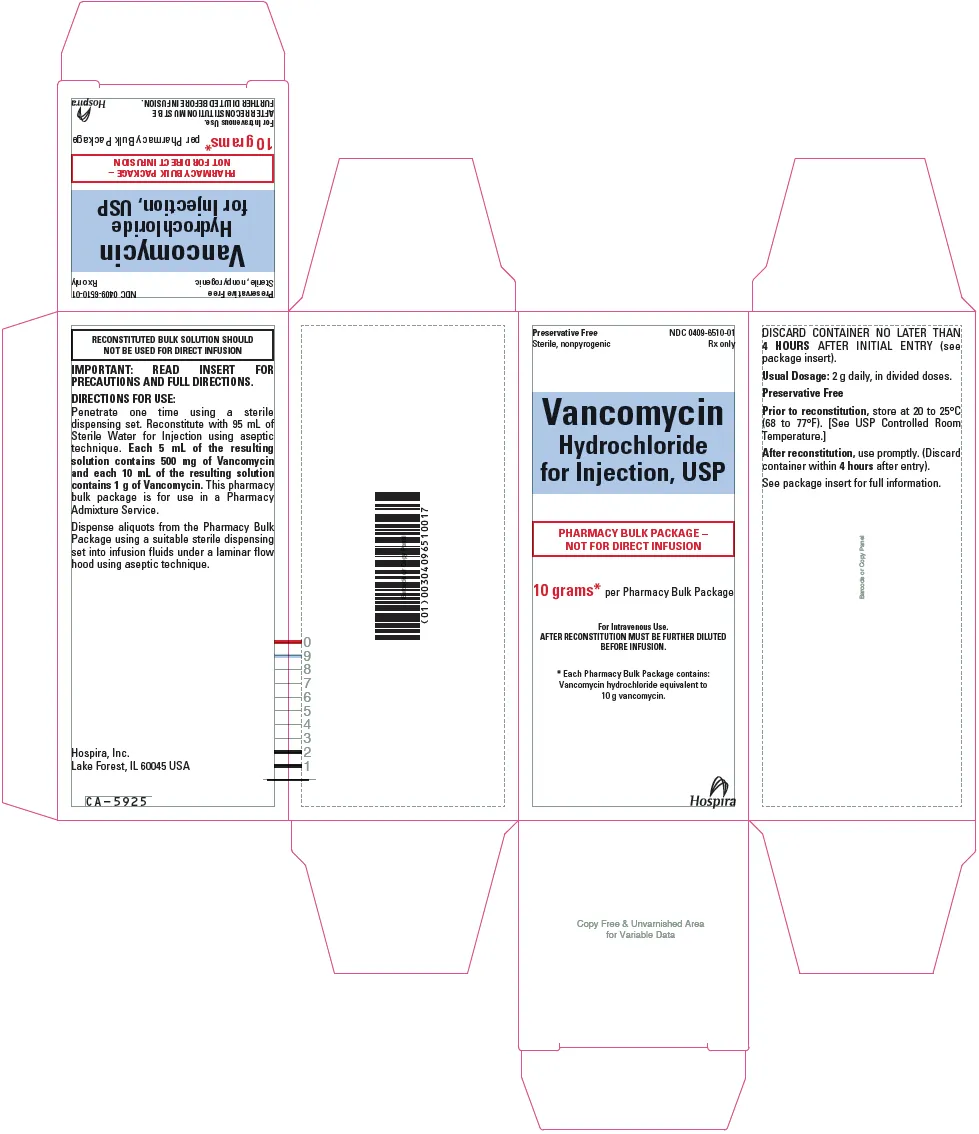
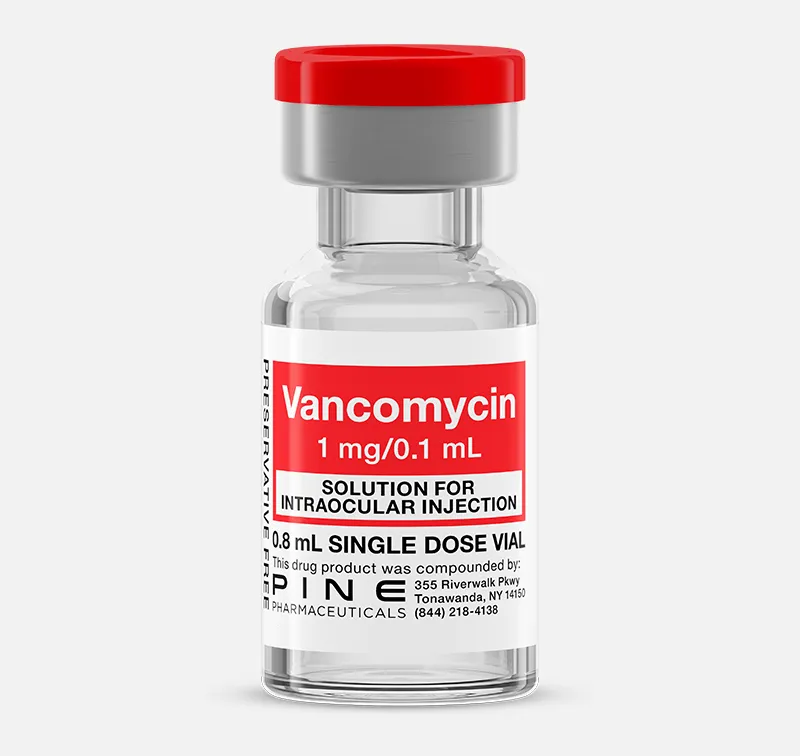
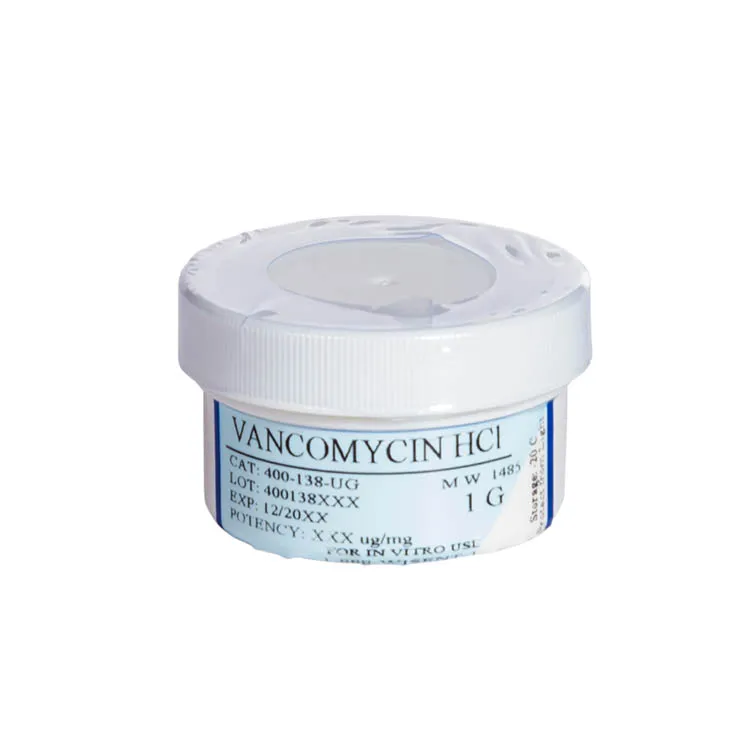

Comprehensive Overview of Vancomycin
Vancomycin is a potent glycopeptide antibiotic that serves as a cornerstone in the treatment of severe, life-threatening infections caused by Gram-positive bacteria. Since its discovery in the 1950s, it has remained a "drug of last resort" for resistant pathogens, most notably Methicillin-resistant Staphylococcus aureus (MRSA).
In the orthopedic and surgical fields, Vancomycin is frequently utilized for its efficacy in treating prosthetic joint infections (PJIs), osteomyelitis, and complicated skin and soft tissue infections. Its unique chemical structure allows it to target bacterial cell wall synthesis with high specificity, making it an indispensable tool in modern medicine.
Mechanism of Action: The Science of Bacterial Inhibition
Vancomycin is a bactericidal agent that exerts its effect by inhibiting the synthesis of the bacterial cell wall. Unlike beta-lactam antibiotics (such as penicillins or cephalosporins) which inhibit transpeptidase enzymes, Vancomycin acts through a different biochemical pathway.
The Biochemical Pathway
- Binding: Vancomycin binds with high affinity to the D-alanyl-D-alanine terminus of cell wall precursor units (lipid II).
- Steric Hindrance: By binding to these precursors, Vancomycin sterically inhibits the glycosyltransferase and transpeptidase enzymes.
- Cell Wall Breakdown: This prevents the cross-linking of peptidoglycan chains, which are essential for maintaining the structural integrity of the bacterial cell wall.
- Lysis: As the cell wall weakens, the internal osmotic pressure causes the bacterial cell to burst (lysis), resulting in cell death.
Spectrum of Activity
Vancomycin is exclusively active against Gram-positive bacteria. It does not possess activity against Gram-negative bacteria because its large molecular size prevents it from penetrating the outer membrane of those organisms.
| Target Organism | Susceptibility Status |
|---|---|
| Staphylococcus aureus (including MRSA) | Highly Susceptible |
| Staphylococcus epidermidis | Highly Susceptible |
| Streptococcus pyogenes | Susceptible |
| Enterococcus faecalis | Variable (Often requires synergy) |
| Clostridioides difficile | Susceptible (Oral route only) |
Pharmacokinetics and Clinical Indications
Understanding the pharmacokinetic profile of Vancomycin is critical for preventing toxicity while ensuring therapeutic efficacy.
Pharmacokinetic Profile
- Absorption: Poorly absorbed from the gastrointestinal tract (oral administration is only used for C. difficile colitis).
- Distribution: Widely distributed into body tissues and fluids, including pleural, pericardial, ascitic, and synovial fluids. It penetrates poorly into the cerebrospinal fluid (CSF) unless the meninges are inflamed.
- Metabolism: Not significantly metabolized.
- Excretion: Primarily excreted unchanged via glomerular filtration by the kidneys (renal clearance).
Primary Clinical Indications
- Sepsis and Bacteremia: Used for suspected or confirmed MRSA systemic infections.
- Prosthetic Joint Infections (PJI): Often used in combination with rifampin or other agents for orthopedic hardware infections.
- Endocarditis: Treatment of native or prosthetic valve endocarditis caused by susceptible staphylococci.
- Osteomyelitis: Long-term intravenous therapy for deep bone infections.
- Clostridioides difficile-associated diarrhea: Reserved for severe or refractory cases (oral formulation).
Dosage Guidelines and Therapeutic Monitoring
Vancomycin dosage must be individualized based on the patient's weight, renal function (creatinine clearance), and the severity of the infection.
Standard Intravenous Dosing
- Adults: 15–20 mg/kg (actual body weight) every 8 to 12 hours.
- Trough Concentration Monitoring: Because Vancomycin has a narrow therapeutic index, therapeutic drug monitoring (TDM) is essential. For serious infections, trough levels of 15–20 µg/mL are generally targeted.
Adjustments for Renal Impairment
Since Vancomycin is renally excreted, dosage intervals must be extended in patients with chronic kidney disease (CKD) or acute kidney injury (AKI).
| Creatinine Clearance (mL/min) | Recommended Adjustment |
|---|---|
| > 60 | Every 8–12 hours |
| 40–60 | Every 24 hours |
| 20–40 | Every 48 hours |
| < 20 | Dose based on serum levels |
Risks, Side Effects, and Contraindications
While highly effective, Vancomycin is associated with specific adverse reactions that require clinical vigilance.
Common Side Effects
- Red Man Syndrome: An infusion-related reaction caused by rapid administration, leading to histamine release. Symptoms include flushing, pruritus, and hypotension.
- Nephrotoxicity: Dose-dependent risk, especially when combined with other nephrotoxic agents (e.g., aminoglycosides, NSAIDs).
- Ototoxicity: Rare but serious; typically associated with very high serum concentrations.
Contraindications
- Hypersensitivity: Known hypersensitivity to Vancomycin.
- Pre-existing Hearing Loss: Use with extreme caution in patients with pre-existing auditory impairment.
Pregnancy and Lactation
- Pregnancy: Category B. It should only be used if clearly needed, as data on fetal safety in humans are limited.
- Lactation: Vancomycin is excreted in breast milk. Use with caution; monitor the infant for potential effects on the gastrointestinal flora.
Overdose Management
In the event of an overdose or accidental toxicity, the focus is on supportive care and the removal of the drug from the system.
- Discontinuation: Immediately stop the infusion.
- Hydration: Maintain adequate fluid intake to support renal excretion.
- Hemodialysis: Vancomycin is not efficiently removed by standard hemodialysis; however, high-flux dialysis or charcoal hemoperfusion may be considered in extreme, life-threatening toxicity cases.
- Monitoring: Closely track serum creatinine, electrolytes, and serum Vancomycin levels.
Frequently Asked Questions (FAQ)
1. What is "Red Man Syndrome" and how can it be avoided?
Red Man Syndrome is an infusion-related reaction. It can be avoided by slowing the infusion rate (typically over 60–90 minutes) or using antihistamines prior to administration.
2. Can Vancomycin be taken orally for systemic infections?
No. Oral Vancomycin has negligible systemic absorption. It is only indicated for the treatment of C. difficile infection and staphylococcal enterocolitis.
3. Why is therapeutic drug monitoring required?
Vancomycin has a narrow therapeutic index. Too low a dose leads to treatment failure, while too high a dose increases the risk of nephrotoxicity and ototoxicity.
4. Does Vancomycin kill all bacteria?
No. It is only effective against Gram-positive bacteria. It is ineffective against Gram-negative organisms like E. coli or Pseudomonas.
5. What should I do if I miss a dose?
Contact your healthcare provider immediately. Do not double the dose to make up for a missed one.
6. Can Vancomycin interact with other medications?
Yes. It interacts with anesthetics, neuromuscular blocking agents, and nephrotoxic drugs like aminoglycosides, amphotericin B, and NSAIDs.
7. How long does a typical course of Vancomycin last?
The duration depends on the infection site. PJI or osteomyelitis may require 6 to 12 weeks of therapy, whereas minor infections may resolve in 7–14 days.
8. Is Vancomycin safe for children?
Yes, but dosing must be strictly calculated based on weight and age, with frequent monitoring of serum levels.
9. What are the signs of Vancomycin-induced kidney damage?
Signs include decreased urine output, swelling in the ankles or feet, and elevated serum creatinine levels.
10. Is resistance to Vancomycin a concern?
Yes. Vancomycin-resistant Enterococcus (VRE) and reduced susceptibility in S. aureus (VISA/VRSA) are significant global health concerns, emphasizing the need for antibiotic stewardship.
Disclaimer: This guide is for educational purposes only and does not constitute medical advice. Always consult with a licensed physician or medical professional before starting, stopping, or altering any medication regimen.