

Understanding Vigantol: A Comprehensive Clinical Guide
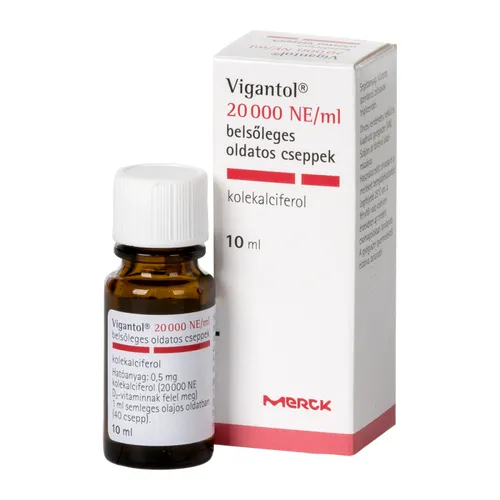
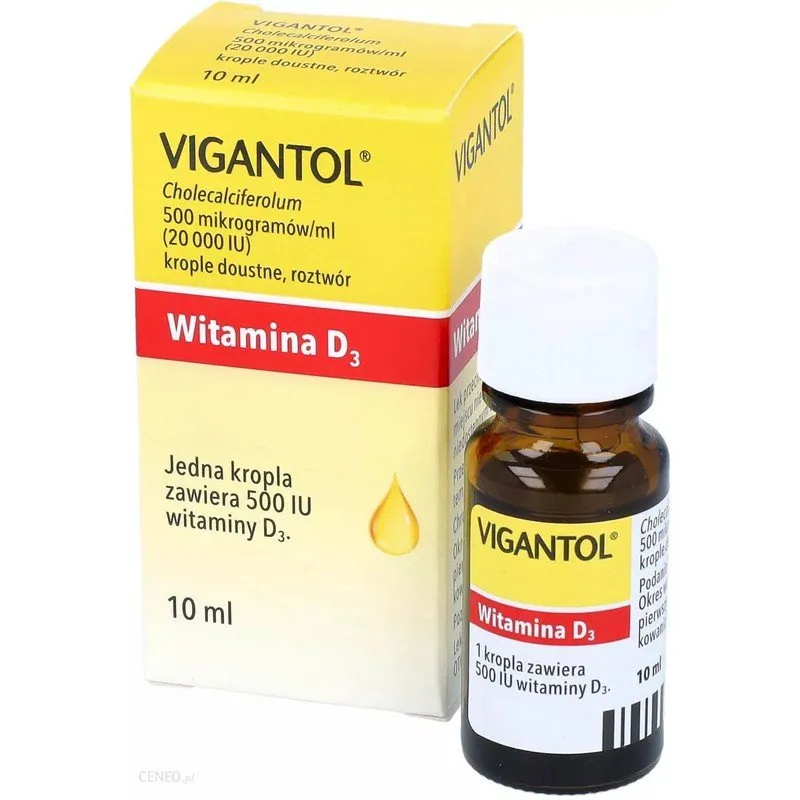
Vigantol is a widely recognized pharmaceutical-grade preparation containing Cholecalciferol (Vitamin D3). In the field of orthopedics and metabolic bone health, maintaining optimal serum levels of Vitamin D is critical for calcium homeostasis, bone mineralization, and musculoskeletal integrity. This guide serves as an authoritative resource for understanding the pharmacological profile, therapeutic application, and safety parameters of Vigantol.
1. Introduction and Overview
Vigantol is a therapeutic formulation of Vitamin D3, which is the naturally occurring form of Vitamin D synthesized in the skin upon exposure to ultraviolet B (UVB) radiation. Unlike Vitamin D2 (ergocalciferol), D3 is highly bioavailable and effective at raising and maintaining serum 25-hydroxyvitamin D [25(OH)D] levels.
In modern orthopedic medicine, Vigantol is frequently prescribed to prevent and treat conditions arising from Vitamin D deficiency, such as rickets, osteomalacia, and osteoporosis. By facilitating the intestinal absorption of calcium and phosphorus, Vigantol ensures that the skeleton remains structurally sound and resilient against fractures.
2. Mechanism of Action and Pharmacokinetics
Mechanism of Action
Vigantol operates through a sophisticated endocrine pathway. Upon ingestion, Cholecalciferol undergoes a two-step activation process:
- Hepatic Hydroxylation: In the liver, Cholecalciferol is converted into 25-hydroxyvitamin D [25(OH)D], also known as calcidiol. This serves as the major circulating storage form of the vitamin.
- Renal Hydroxylation: In the kidneys, 25(OH)D is converted into 1,25-dihydroxyvitamin D [1,25(OH)2D], also known as calcitriol. This is the biologically active hormone.
The active hormone binds to the Vitamin D Receptor (VDR), a nuclear transcription factor found in various tissues, including the intestines, bones, and kidneys. This binding regulates the expression of genes responsible for calcium transport proteins, thereby increasing the efficiency of intestinal calcium absorption.
Pharmacokinetics
- Absorption: Vitamin D3 is fat-soluble and is absorbed from the small intestine in the presence of bile salts.
- Distribution: It is transported in the blood bound to Vitamin D-binding protein (DBP).
- Metabolism: Primarily hepatic and renal, as described above.
- Elimination: Metabolites are excreted mainly via the bile into the feces, with a smaller fraction excreted in the urine.
3. Clinical Indications and Usage
Vigantol is indicated for patients where dietary intake and sun exposure are insufficient to maintain systemic health.
Primary Indications
- Prophylaxis of Rickets and Osteomalacia: Essential for pediatric development to ensure proper bone hardening.
- Osteoporosis Management: Used as an adjunct therapy in patients receiving calcium supplementation to increase bone mineral density (BMD).
- Hypocalcemia: Management of conditions related to low calcium levels secondary to Vitamin D deficiency.
- High-Risk Groups: Elderly patients, institutionalized individuals, and those with limited sun exposure.
Dosage Guidelines
Dosage must be individualized based on serum 25(OH)D concentrations and clinical presentation.
| Patient Group | Recommended Dosage Range |
|---|---|
| Healthy Adults (Maintenance) | 800 – 2,000 IU/day |
| Children (Prophylaxis) | 400 – 1,000 IU/day |
| Treatment of Deficiency | 2,000 – 5,000 IU/day (as directed) |
| Osteoporosis Adjunct | 1,000 – 2,000 IU/day |
Note: Always consult a physician for blood serum testing before initiating high-dose protocols.
4. Risks, Side Effects, and Contraindications
While Vigantol is generally safe when taken within recommended limits, excessive intake can lead to Vitamin D toxicity (hypervitaminosis D).
Contraindications
- Hypercalcemia: Elevated calcium levels in the blood.
- Hypercalciuria: Excessive calcium in the urine.
- Nephrolithiasis: History of calcium-based kidney stones.
- Severe Renal Impairment: Requires careful monitoring of calcium metabolism.
- Sarcoidosis: Patients with this condition may have increased sensitivity to Vitamin D.
Potential Side Effects
Symptoms of overdose or hypercalcemia include:
* Nausea, vomiting, and constipation.
* Polyuria (excessive urination) and polydipsia (excessive thirst).
* Muscle weakness and fatigue.
* Calcification of soft tissues (in extreme, prolonged cases).
5. Pregnancy, Lactation, and Drug Interactions
Pregnancy and Lactation
Vitamin D is essential during pregnancy for fetal skeletal development. However, high doses (megadoses) should be avoided unless medically supervised, as excessive Vitamin D can cause teratogenic effects in animal models and potential hypercalcemia in the neonate. During lactation, Vitamin D is excreted in breast milk; therefore, maternal supplementation status should be monitored.
Drug Interactions
Vigantol may interact with several medications:
1. Thiazide Diuretics: May decrease urinary calcium excretion, increasing the risk of hypercalcemia.
2. Cardiac Glycosides (Digoxin): Increased risk of cardiac arrhythmias if hypercalcemia develops.
3. Anticonvulsants (Phenytoin/Phenobarbital): May accelerate the metabolism of Vitamin D, potentially requiring higher doses.
4. Orlistat: May inhibit the absorption of fat-soluble vitamins, including Vitamin D.
6. Overdose Management
Acute toxicity is rare but serious. If an overdose is suspected, the following steps are typically taken in a clinical setting:
1. Discontinuation: Immediate cessation of all Vitamin D and calcium supplements.
2. Hydration: Aggressive fluid replacement to promote calcium excretion.
3. Monitoring: Frequent checks of serum calcium, phosphate, and creatinine levels.
4. Pharmacological Intervention: In severe cases, corticosteroids or calcitonin may be administered to lower blood calcium levels rapidly.
7. Frequently Asked Questions (FAQ)
1. How long does it take for Vigantol to work?
Vigantol begins to influence calcium metabolism shortly after absorption, but significant improvements in serum 25(OH)D levels usually require 4 to 8 weeks of consistent supplementation.
2. Should I take Vigantol with food?
Yes, because Vitamin D3 is fat-soluble, it is best absorbed when taken with a meal that contains some dietary fat.
3. Can I take Vigantol if I have kidney stones?
Caution is advised. Patients with a history of kidney stones should consult their doctor, as Vitamin D increases calcium absorption, which could potentially increase the risk of stone recurrence.
4. Is Vigantol suitable for vegetarians?
This depends on the specific formulation. Some Vigantol products use lanolin (derived from sheep's wool) as the source of Vitamin D3. Check the product labeling if you follow a strictly plant-based diet.
5. Can I overdose on Vitamin D?
Yes. While Vitamin D is vital, taking excessive doses over long periods can lead to toxic levels of calcium in the blood, which can damage the heart and kidneys.
6. Does Vigantol interact with magnesium?
There is a synergistic relationship between magnesium and Vitamin D. Magnesium is required for the enzymes that convert Vitamin D into its active form. Ensure your diet includes adequate magnesium.
7. Why is Vitamin D3 preferred over D2?
Research suggests that D3 is more effective at raising serum levels of 25(OH)D and has a longer half-life in the bloodstream compared to D2.
8. Can I take Vigantol while taking a multivitamin?
Check the total IU content of all supplements. Many multivitamins already contain Vitamin D; exceeding the upper tolerable intake level (usually 4,000 IU/day for adults) should be avoided without medical supervision.
9. Does sun exposure replace the need for Vigantol?
In many climates, especially during winter months or for those with darker skin pigmentation, sun exposure is insufficient to maintain optimal levels. Supplementation is often the most reliable method for maintaining consistent levels.
10. What is the best time of day to take Vigantol?
There is no strict rule, but many patients prefer taking it in the morning with breakfast to ensure consistency and improve absorption.
Conclusion
Vigantol is a powerful clinical tool for managing bone health and metabolic function. By understanding its mechanism, respecting its dosage limits, and monitoring for potential interactions, patients and clinicians can effectively utilize this medication to prevent deficiencies and support long-term musculoskeletal wellness. Always prioritize diagnostic blood testing to determine your personal requirement levels before starting any supplementation regimen.