
Comprehensive Guide to Vigantol Oil: Clinical Overview
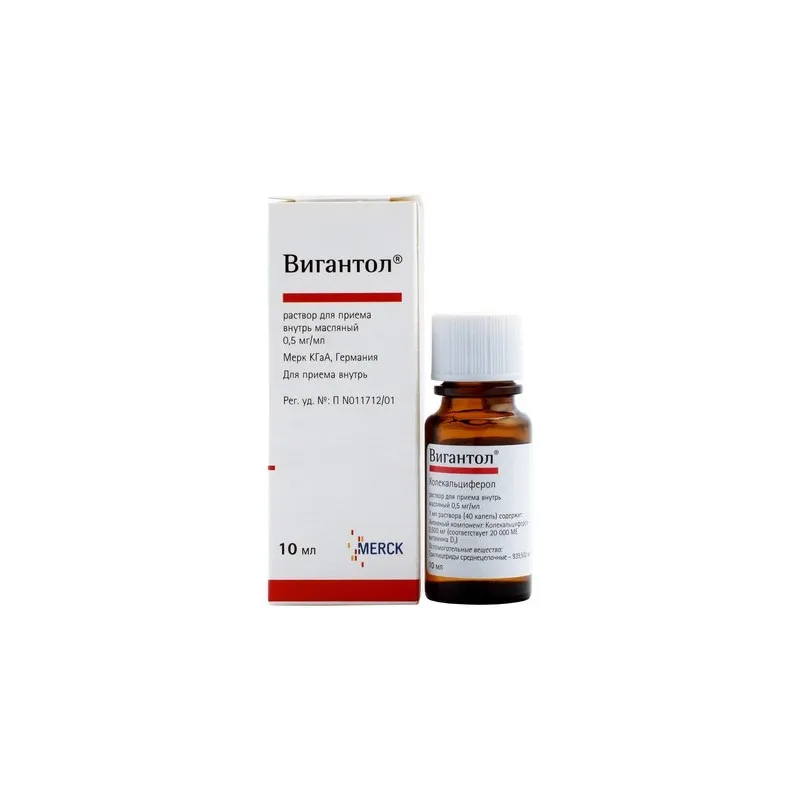
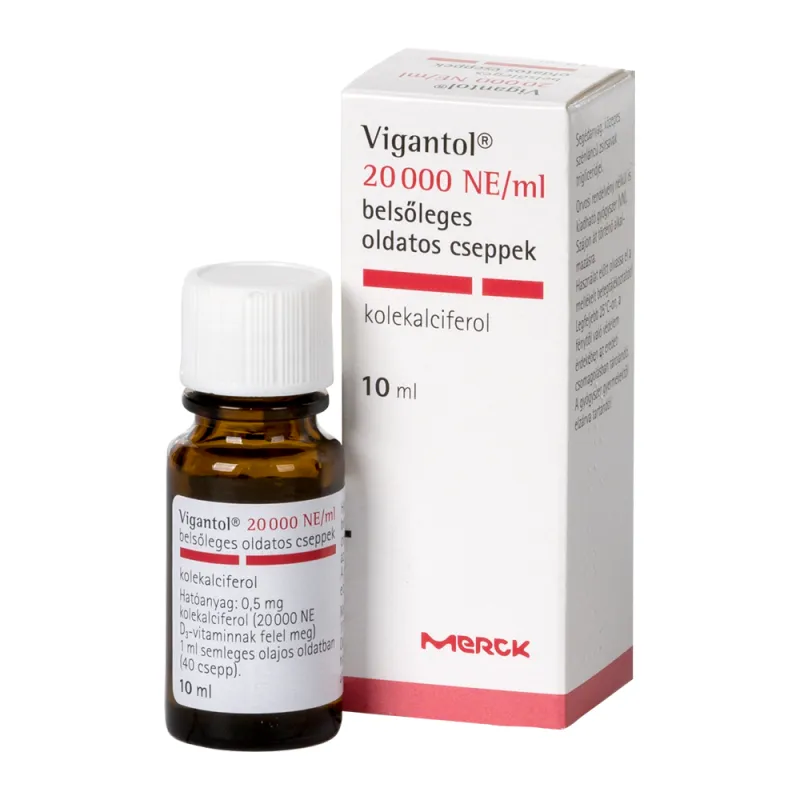
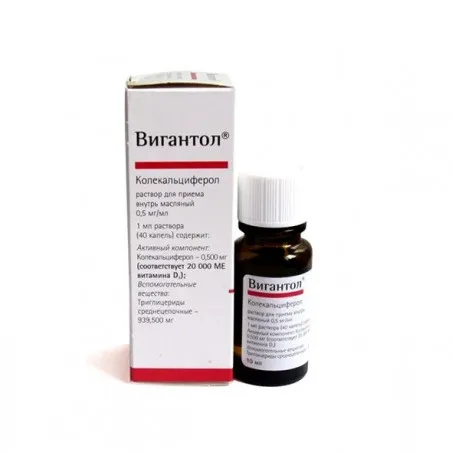
Vigantol Oil is a pharmaceutical-grade preparation of Cholecalciferol (Vitamin D3), a fat-soluble secosteroid essential for the maintenance of calcium and phosphate homeostasis in the human body. As an orthopedic specialist, I frequently encounter patients suffering from musculoskeletal pathologies stemming from hypovitaminosis D. Vigantol Oil serves as a cornerstone in the therapeutic arsenal for managing bone mineral density, preventing rickets, and supporting immune function.
This guide provides a clinical deep-dive into the pharmacology, therapeutic application, and safety profile of Vigantol Oil.
Mechanism of Action and Pharmacokinetics
Pharmacodynamics: The Vitamin D Receptor (VDR) Pathway
Vigantol Oil contains Cholecalciferol, which undergoes a two-step hydroxylation process to become biologically active.
- Hepatic Conversion: In the liver, Cholecalciferol is converted to 25-hydroxycholecalciferol (calcifediol) by the enzyme 25-hydroxylase.
- Renal Activation: In the kidneys, calcifediol is converted into 1,25-dihydroxycholecalciferol (calcitriol), the active hormonal form.
Calcitriol binds to the Vitamin D Receptor (VDR), which acts as a transcription factor. This complex regulates the expression of genes involved in:
* Intestinal Absorption: Increasing the expression of calcium-binding proteins (calbindin) in the gut.
* Bone Remodeling: Regulating osteoblast and osteoclast activity to maintain serum calcium levels.
* Immune Modulation: Influencing the differentiation of innate and adaptive immune cells.
Pharmacokinetics Profile
- Absorption: Being lipophilic, Vitamin D3 is absorbed in the small intestine, a process facilitated by the presence of dietary fats and bile salts.
- Distribution: It is transported in the blood bound to Vitamin D-binding protein (DBP).
- Storage: Excess is stored primarily in adipose tissue and the liver.
- Elimination: Metabolites are excreted primarily through the bile and feces, with minimal renal excretion.
Clinical Indications and Usage
Vigantol Oil is indicated for the prevention and treatment of conditions associated with Vitamin D deficiency.
Primary Indications
| Condition | Clinical Rationale |
|---|---|
| Rickets | Prevention and treatment of skeletal deformities in children. |
| Osteomalacia | Treatment of bone softening in adults due to mineralization defects. |
| Osteoporosis | Adjunct therapy to calcium to improve bone mineral density. |
| Hypoparathyroidism | Management of calcium-metabolism disorders. |
| Prophylaxis | Prevention of deficiency in high-risk groups (elderly, dark-skinned, indoor workers). |
Dosage Guidelines
Dosage must be strictly individualized based on serum 25(OH)D levels. As a general clinical guideline:
- Prophylaxis: Typically 400 to 1,000 IU daily, depending on age and sunlight exposure.
- Treatment of Deficiency: High-dose regimens are often required, ranging from 2,000 to 10,000 IU daily for a set period, followed by maintenance doses.
- Administration: Vigantol Oil is highly concentrated. It should be administered using the provided dropper or as prescribed by a physician. It is best taken with a meal containing fat to maximize bioavailability.
Risks, Contraindications, and Drug Interactions
Contraindications
Patients should not use Vigantol Oil if they present with:
* Hypercalcemia: Elevated serum calcium levels.
* Hypercalciuria: High calcium levels in urine.
* Nephrolithiasis: History of calcium-containing kidney stones.
* Hypervitaminosis D: Existing toxic levels of Vitamin D in the blood.
* Severe Renal Impairment: Requires cautious monitoring.
Drug Interactions
Vigantol Oil can interact with several classes of medications:
1. Cardiac Glycosides (Digoxin): Increases the risk of cardiac arrhythmias due to potential hypercalcemia.
2. Thiazide Diuretics: Risk of hypercalcemia due to decreased renal calcium excretion.
3. Corticosteroids: May counteract the effects of Vitamin D on calcium absorption.
4. Anticonvulsants (Phenytoin/Phenobarbital): These drugs can accelerate the metabolism of Vitamin D, potentially leading to deficiency.
Pregnancy and Lactation
Vitamin D is essential during pregnancy for fetal skeletal development. However, excessive doses can be teratogenic. It should only be used under strict medical supervision during pregnancy and breastfeeding, ensuring the total daily intake does not exceed safe upper limits.
Managing Overdose and Toxicity
Vitamin D toxicity (hypervitaminosis D) is a serious medical condition characterized by excessive calcium levels (hypercalcemia).
Symptoms of Overdose:
* Nausea, vomiting, and constipation.
* Polyuria (excessive urination) and polydipsia (excessive thirst).
* Muscle weakness and bone pain.
* In severe cases: Cardiac arrhythmias, kidney calcification, and neurological impairment.
Management:
1. Immediate discontinuation of the medication.
2. Low-calcium diet.
3. Hydration to promote calcium excretion.
4. Monitoring serum calcium and creatinine levels.
5. In severe cases, corticosteroid therapy or calcitonin may be administered to reduce serum calcium.
Frequently Asked Questions (FAQ)
1. Is Vigantol Oil the same as Vitamin D3?
Yes, Vigantol Oil is a brand name for a liquid preparation of Cholecalciferol (Vitamin D3).
2. How should I store Vigantol Oil?
Store in a cool, dry place, away from direct sunlight. Ensure the cap is tightly sealed after every use to prevent oxidation.
3. Can I take Vigantol Oil on an empty stomach?
While possible, it is highly recommended to take it with a meal containing healthy fats, as Vitamin D is fat-soluble and requires dietary lipids for optimal absorption.
4. How long does it take to see results?
For severe deficiencies, it may take 8 to 12 weeks of consistent supplementation to restore serum 25(OH)D levels to the normal range.
5. Does Vigantol Oil interact with other vitamins?
Generally, no. However, it is often prescribed alongside Calcium and Vitamin K2 to ensure proper bone mineralization and prevent arterial calcification.
6. Can I take more than the recommended dose to "catch up"?
Absolutely not. Vitamin D is fat-soluble and accumulates in the body. Exceeding the prescribed dose can lead to toxic levels of calcium in the blood.
7. Is Vigantol Oil suitable for vegans?
Most standard Vigantol Oil formulations are derived from lanolin (sheep's wool fat). Vegans should check the specific label or consult a pharmacist for plant-based (lichen-derived) alternatives.
8. What should I do if I miss a dose?
Take the missed dose as soon as you remember. If it is almost time for your next dose, skip the missed one. Do not take a double dose.
9. Can children use Vigantol Oil?
Yes, it is frequently prescribed for pediatric rickets prevention, but the dosage must be strictly determined by a pediatrician based on the child's age and weight.
10. Does sunlight exposure affect how much I need?
Yes. Sunlight triggers endogenous production of Vitamin D in the skin. In winter months or for individuals with limited sun exposure, higher doses of supplemental Vigantol Oil are often necessary.
Conclusion: Clinical Responsibility
Vigantol Oil is a potent therapeutic agent. When used correctly, it is highly effective in correcting deficiencies that lead to orthopedic complications. However, because it is a fat-soluble hormone precursor, it must be treated with the same clinical rigor as any other medication. Always maintain regular blood work to monitor serum 25(OH)D levels and ensure your dosage remains within the therapeutic window.
Disclaimer: This guide is for educational purposes only and does not replace professional medical advice. Always consult with your physician or an orthopedic specialist before starting or modifying any vitamin supplementation regimen.