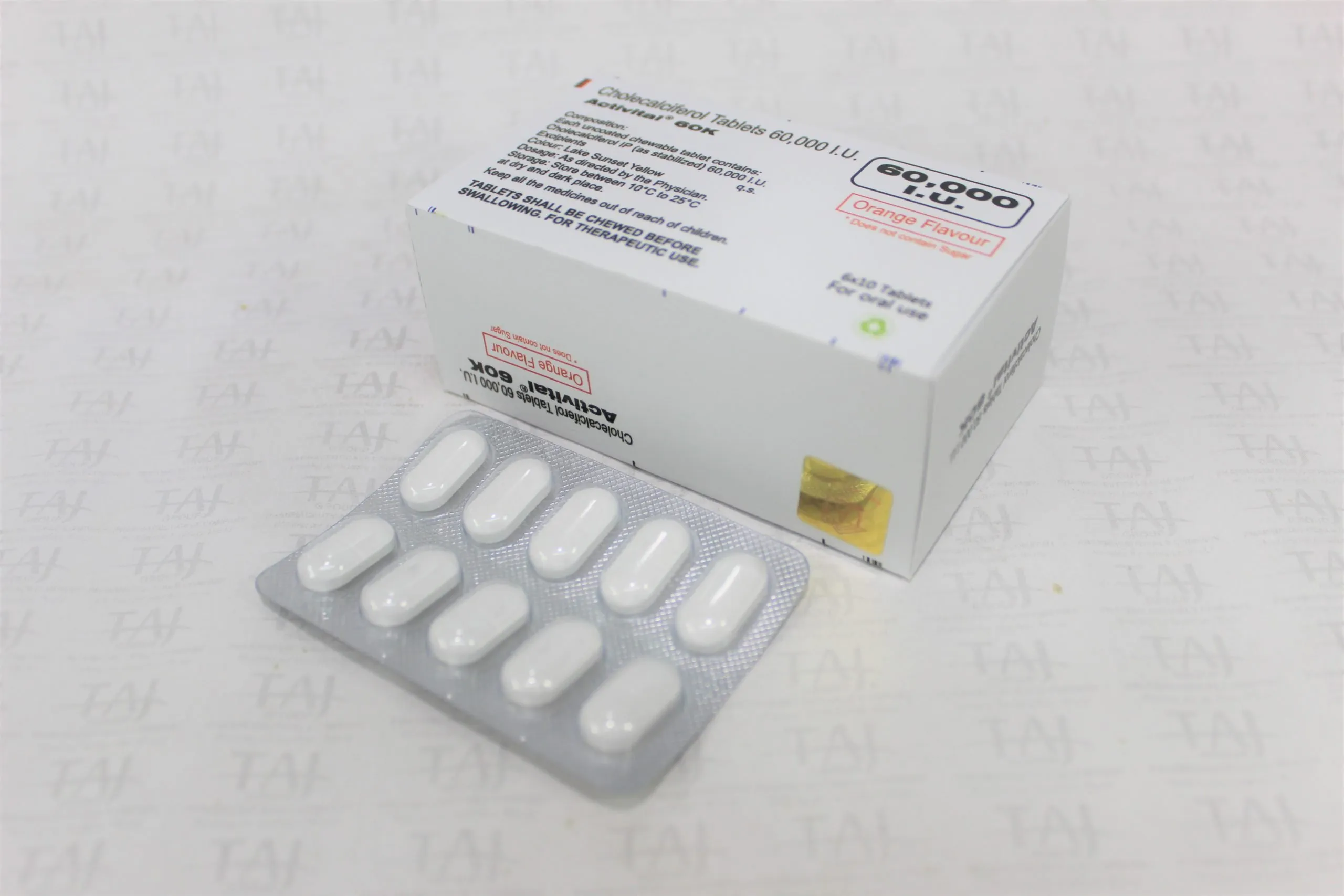
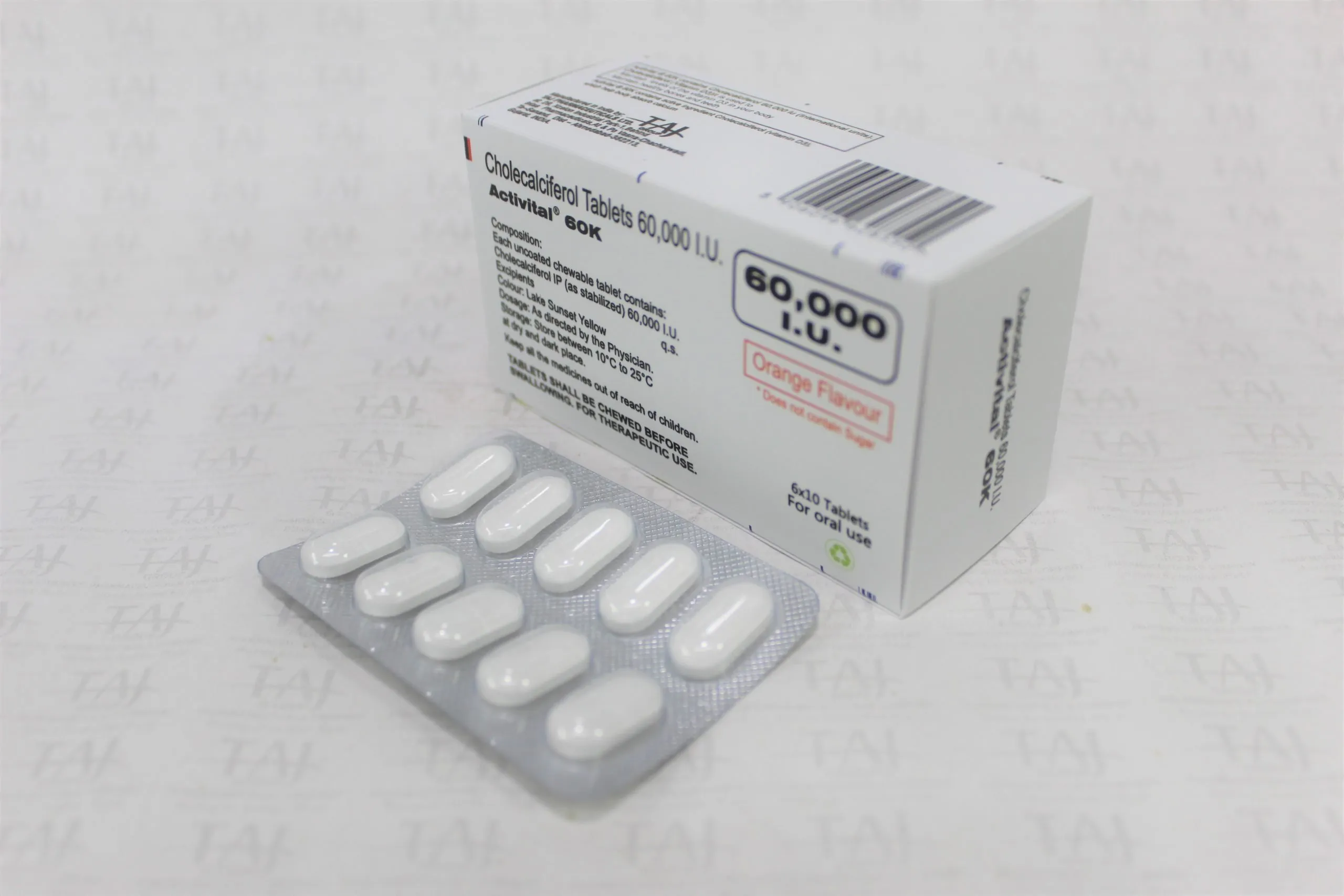
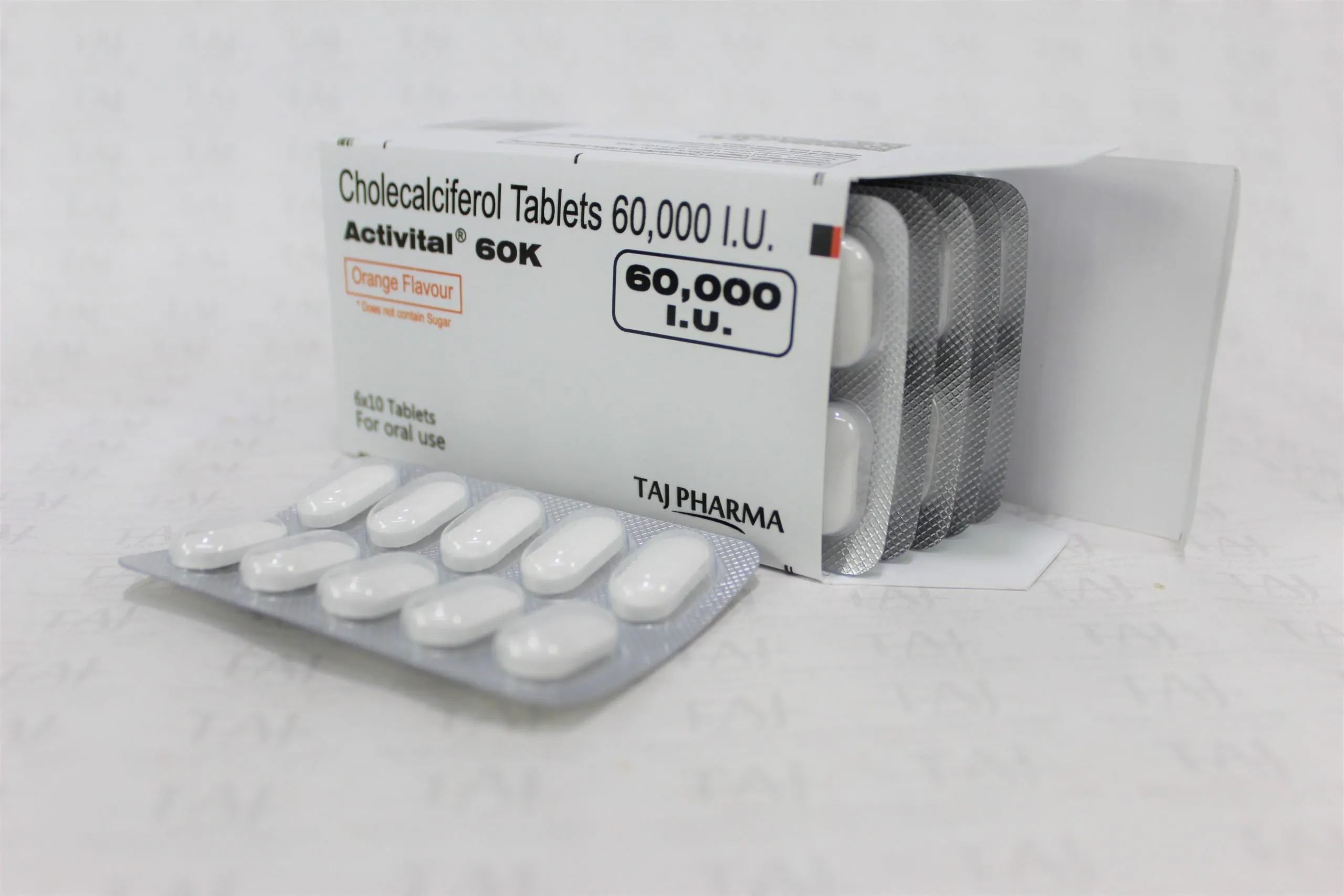
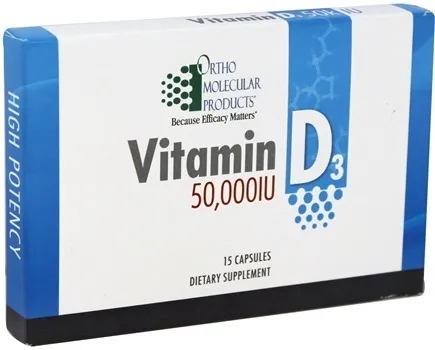
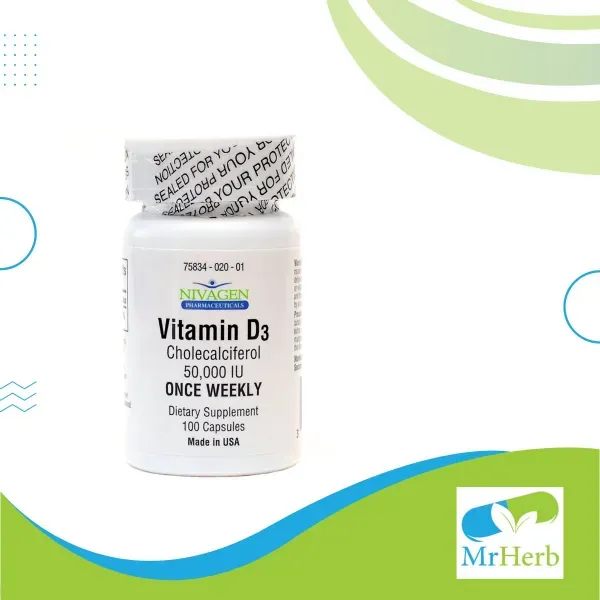

Comprehensive Guide to Vitamin D3 (Cholecalciferol)
Vitamin D3, scientifically known as Cholecalciferol, is a fat-soluble secosteroid essential for human health, particularly in skeletal integrity, immune function, and metabolic regulation. While often categorized as a vitamin, it functions more akin to a hormone, given that the body can synthesize it through exposure to ultraviolet B (UVB) radiation. In clinical orthopedics and internal medicine, Cholecalciferol is the gold standard for treating and preventing deficiency-related conditions.
Mechanism of Action
The physiological impact of Vitamin D3 is mediated through the Vitamin D Receptor (VDR), a nuclear transcription factor found in nearly every cell type in the human body.
The Activation Pathway
- Cutaneous Synthesis/Ingestion: Cholecalciferol is either synthesized in the skin from 7-dehydrocholesterol upon UVB exposure or ingested via diet/supplements.
- Hepatic Hydroxylation: In the liver, the enzyme 25-hydroxylase converts Cholecalciferol into 25-hydroxyvitamin D [25(OH)D], also known as calcifediol. This is the primary circulating form measured in blood tests.
- Renal Activation: In the kidneys, 1-alpha-hydroxylase converts 25(OH)D into 1,25-dihydroxyvitamin D [1,25(OH)2D], known as calcitriol, the biologically active form of the hormone.
Physiological Effects
- Calcium Homeostasis: Calcitriol increases the efficiency of intestinal calcium and phosphorus absorption, maintaining serum levels for normal bone mineralization.
- Bone Remodeling: It works in concert with Parathyroid Hormone (PTH) to regulate osteoblast and osteoclast activity.
- Immune Modulation: It promotes the production of cathelicidins and defensins, which are endogenous antimicrobial peptides.
Pharmacokinetics
| Parameter | Description |
|---|---|
| Absorption | Rapidly absorbed in the small intestine; requires bile salts for micelle formation. |
| Distribution | Circulates bound to Vitamin D-binding protein (DBP) and albumin. |
| Metabolism | Hepatic (25-hydroxylation) followed by Renal (1-alpha-hydroxylation). |
| Half-life | 25(OH)D has a half-life of approximately 15 to 25 days. |
| Excretion | Primarily biliary/fecal; minimal urinary excretion. |
Clinical Indications and Usage
Vitamin D3 is indicated for the management of various musculoskeletal and metabolic disorders.
1. Osteomalacia and Rickets
Cholecalciferol is the primary treatment for vitamin D-deficiency rickets in children and osteomalacia in adults, characterized by defective bone mineralization.
2. Osteoporosis Management
In patients with osteoporosis, Vitamin D3 is administered alongside calcium supplements to ensure adequate raw materials for bone matrix synthesis and to suppress secondary hyperparathyroidism.
3. Hypoparathyroidism
Used to normalize calcium metabolism in patients whose parathyroid glands are unable to produce sufficient PTH.
4. Chronic Kidney Disease (CKD)
Patients with advanced CKD often require activated forms of Vitamin D, as the renal conversion process is impaired.
Dosage Guidelines
Dosage must be individualized based on serum 25(OH)D levels.
| Condition | Typical Dosage Range |
|---|---|
| Prophylaxis (General) | 600 – 2,000 IU/day |
| Deficiency Treatment | 5,000 – 50,000 IU weekly (or as directed) |
| Maintenance | 1,000 – 2,000 IU/day |
Note: Doses exceeding 4,000 IU daily require regular monitoring of serum calcium levels to prevent toxicity.
Contraindications and Risks
Contraindications
- Hypercalcemia: Elevated serum calcium levels.
- Hypervitaminosis D: Existing toxicity.
- Malabsorption Syndromes: May require specialized delivery methods.
- Hypersensitivity: Known allergy to Cholecalciferol or components of the formulation.
Side Effects
While Vitamin D3 is generally safe, excessive intake can lead to hypercalcemia, resulting in:
* Nausea, vomiting, and constipation.
* Polyuria and polydipsia.
* Nephrolithiasis (kidney stones).
* Cardiac arrhythmias (in severe cases).
Drug Interactions
| Interacting Agent | Potential Effect |
|---|---|
| Thiazide Diuretics | Risk of hypercalcemia due to decreased urinary calcium excretion. |
| Digoxin | Vitamin D-induced hypercalcemia can potentiate digoxin toxicity. |
| Orlistat | Inhibits absorption of fat-soluble vitamins, including D3. |
| Corticosteroids | May increase Vitamin D metabolism, potentially causing deficiency. |
| Anticonvulsants | Phenytoin/Phenobarbital can accelerate Vitamin D catabolism. |
Pregnancy and Lactation
Vitamin D3 is considered safe during pregnancy when consumed in recommended doses. It is critical for fetal skeletal development. However, excessive doses should be avoided, as maternal hypercalcemia can lead to neonatal sensitivity, supravalvular aortic stenosis, and mental retardation in infants. It is excreted in breast milk; nursing mothers should maintain adequate intake to ensure the infant's Vitamin D status.
Overdose Management
Vitamin D toxicity (hypervitaminosis D) is rare but serious. It is characterized by serum 25(OH)D levels >150 ng/mL.
- Immediate Action: Discontinue Vitamin D supplementation immediately.
- Restriction: Implement a low-calcium diet.
- Hydration: Aggressive fluid resuscitation to promote calciuresis.
- Medical Intervention: In severe cases, glucocorticoids may be used to reduce intestinal calcium absorption, or bisphosphonates to inhibit bone resorption.
Frequently Asked Questions (FAQ)
1. What is the optimal serum level of Vitamin D?
Most clinical guidelines define deficiency as <20 ng/mL, insufficiency as 20–29 ng/mL, and sufficiency as 30–100 ng/mL.
2. Should I take Vitamin D with food?
Yes. Because it is a fat-soluble vitamin, absorption is significantly enhanced when taken with a meal containing dietary fats.
3. Can I get enough Vitamin D from the sun?
While possible, many factors—including latitude, skin pigmentation, age, time of day, and sunscreen use—make it difficult to achieve consistent levels through sun exposure alone.
4. What is the difference between D2 and D3?
Vitamin D3 (Cholecalciferol) is more effective at raising and maintaining serum 25(OH)D levels compared to Vitamin D2 (Ergocalciferol).
5. Can Vitamin D help with immune support?
Yes, Vitamin D plays a crucial role in regulating both the innate and adaptive immune responses.
6. Is it possible to take too much Vitamin D?
Yes. Chronic high-dose supplementation can lead to hypercalcemia, which can cause kidney damage and soft tissue calcification.
7. Does Vitamin D interact with my blood pressure medication?
Some interactions exist, particularly with thiazide diuretics. Always consult your physician before combining supplements with prescribed antihypertensives.
8. How long does it take for Vitamin D levels to rise?
It generally takes 2–3 months of consistent supplementation to reach a new steady-state level in the blood.
9. Why is Vitamin D often paired with Vitamin K2?
Vitamin K2 is thought to work synergistically with D3 by ensuring that calcium is directed into the bones and teeth rather than accumulating in the arteries or soft tissues.
10. Can I take Vitamin D if I have kidney stones?
Patients with a history of kidney stones should exercise caution. High-dose Vitamin D can increase urinary calcium, potentially increasing the risk of recurrent stones. Consult a specialist for a personalized plan.
Disclaimer: This guide is for educational purposes only and does not constitute medical advice. Always consult with a qualified healthcare provider or orthopedic specialist before beginning any new supplement regimen or changing existing medication protocols.