

Understanding Voltaren (Diclofenac): A Comprehensive Clinical Overview
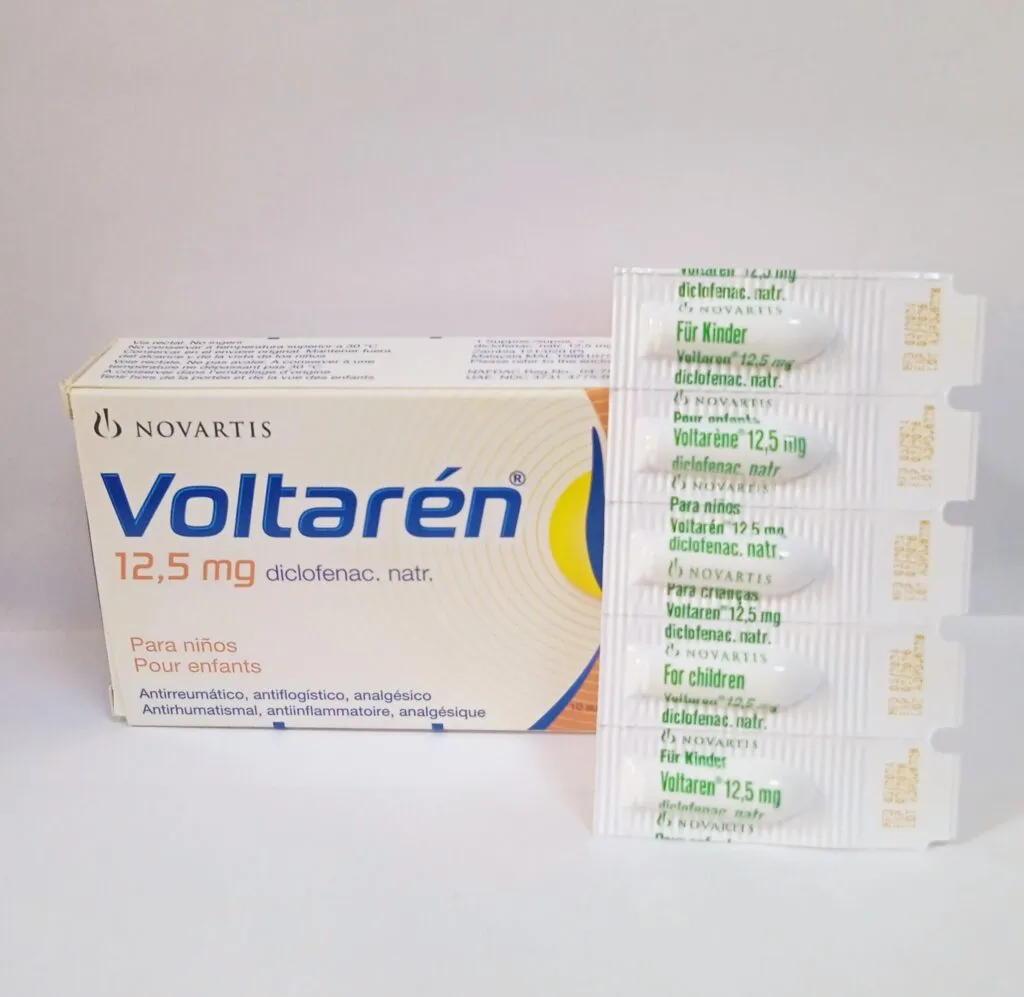
Voltaren, known generically as Diclofenac, is a potent non-steroidal anti-inflammatory drug (NSAID) widely utilized in orthopedic and general medical practice. As a phenylacetic acid derivative, it stands as a cornerstone therapy for the management of acute and chronic musculoskeletal pain, inflammatory conditions, and degenerative joint diseases. This guide provides an exhaustive review of its pharmacodynamics, clinical application, and rigorous safety protocols.
Mechanism of Action: How Diclofenac Works
At the cellular level, the therapeutic efficacy of Diclofenac is primarily derived from its ability to inhibit the enzyme cyclooxygenase (COX).
The Prostaglandin Pathway
Diclofenac acts as a non-selective inhibitor of both COX-1 and COX-2 enzymes. By suppressing these enzymes, the drug prevents the conversion of arachidonic acid into prostaglandins—lipid compounds that mediate pain, fever, and inflammation.
- Analgesic Effect: Reduction of prostaglandin synthesis at the site of peripheral tissue injury.
- Anti-inflammatory Effect: Diminished vasodilation and reduced leukocyte migration to the site of inflammation.
- Antipyretic Effect: Inhibition of prostaglandin synthesis within the hypothalamus, effectively resetting the body's temperature set-point.
Pharmacokinetics
The pharmacokinetic profile of Diclofenac is characterized by rapid and complete absorption when administered orally.
* Bioavailability: Approximately 50% due to first-pass metabolism.
* Protein Binding: Highly bound to plasma albumin (>99%).
* Metabolism: Primarily hepatic via cytochrome P450 2C9 (CYP2C9) to form 4'-hydroxydiclofenac.
* Excretion: Primarily renal (60%) and biliary (40%).
Clinical Indications and Therapeutic Usage
Diclofenac is indicated for a broad spectrum of conditions where pain and inflammation are the primary drivers of patient morbidity.
Orthopedic and Rheumatic Indications
| Condition | Clinical Application |
|---|---|
| Osteoarthritis | Symptomatic relief of joint pain and stiffness. |
| Rheumatoid Arthritis | Reduction of synovitis and long-term inflammatory management. |
| Ankylosing Spondylitis | Management of axial skeletal inflammation. |
| Acute Musculoskeletal Injury | Sprains, strains, and post-traumatic orthopedic pain. |
Other Clinical Uses
- Dysmenorrhea: Relief of primary dysmenorrhea through prostaglandin inhibition in the uterus.
- Post-operative Pain: Short-term management of pain following surgical procedures.
- Actinic Keratosis: Topical application (3% gel) for the treatment of pre-cancerous skin lesions.
Dosage Guidelines
Dosage must be individualized based on the severity of the condition and the patient’s clinical response. The goal is to utilize the lowest effective dose for the shortest duration necessary.
Standard Oral Adult Dosage
- Osteoarthritis: 100–150 mg daily in divided doses (e.g., 50 mg tid or 75 mg bid).
- Rheumatoid Arthritis: 150–200 mg daily in divided doses.
- Acute Pain: 50 mg three times daily.
Topical Administration (Gel/Emulgel)
Topical Diclofenac is favored in geriatric populations to minimize systemic exposure.
* Application: Apply 2g to 4g to the affected area 3–4 times daily, not to exceed 32g per day total body.
Contraindications and Risks
The clinical use of Diclofenac is strictly contraindicated in patients with specific medical histories due to the systemic risk of NSAID-related adverse events.
Absolute Contraindications
- Hypersensitivity: Known allergy to Diclofenac, aspirin, or other NSAIDs.
- Asthma/Urticaria: History of "aspirin-triad" (asthma, nasal polyps, and NSAID sensitivity).
- Peri-operative Pain: Specifically contraindicated in the setting of coronary artery bypass graft (CABG) surgery.
- Active GI Bleeding: History of peptic ulceration or active gastrointestinal hemorrhage.
Critical Warnings
- Cardiovascular Risk: NSAIDs may increase the risk of serious cardiovascular thrombotic events, including myocardial infarction and stroke.
- Gastrointestinal Risk: Potential for serious GI adverse events, including inflammation, bleeding, ulceration, and perforation of the stomach or intestines.
- Renal Impairment: Long-term administration can lead to renal papillary necrosis and other renal injuries.
Drug Interactions
| Interacting Drug Class | Potential Outcome |
|---|---|
| Anticoagulants (e.g., Warfarin) | Increased risk of serious GI bleeding. |
| ACE Inhibitors | Reduced antihypertensive effect; risk of renal failure. |
| Diuretics | Reduced diuretic effect; potential for nephrotoxicity. |
| Lithium | Increased plasma lithium levels; risk of toxicity. |
| Methotrexate | Increased risk of severe methotrexate toxicity. |
Pregnancy and Lactation
- Pregnancy: Diclofenac should be avoided, particularly after 30 weeks of gestation, due to the risk of premature closure of the ductus arteriosus and fetal renal impairment.
- Lactation: Diclofenac is excreted in human milk. While the amounts are generally small, clinical caution is advised. Consult with an obstetrician/pediatrician before use.
Overdose Management
Symptoms of Diclofenac overdose include lethargy, drowsiness, nausea, vomiting, and epigastric pain. In severe cases, gastrointestinal hemorrhage, hypertension, acute renal failure, and respiratory depression may occur.
- Immediate Action: Seek emergency medical attention.
- Supportive Care: Maintain airway and monitor cardiovascular/renal function.
- Decontamination: Activated charcoal may be administered if the patient presents within one hour of ingestion.
- Symptomatic Management: Proton pump inhibitors (PPIs) may be used to protect the gastric mucosa.
Frequently Asked Questions (FAQ)
1. Is Voltaren the same as aspirin?
No. While both are NSAIDs, Diclofenac is a phenylacetic acid derivative, whereas aspirin is a salicylate. They share similar mechanisms but differ in potency and side-effect profiles.
2. Can I use Voltaren gel while taking oral NSAIDs?
It is generally not recommended to combine topical and oral NSAIDs due to the risk of cumulative systemic side effects, unless specifically directed by your physician.
3. How long does it take for Voltaren to start working?
Oral Diclofenac typically provides relief within 30 to 60 minutes. Topical formulations may take several days of consistent application to reach maximum efficacy.
4. Does Diclofenac cause weight gain?
Fluid retention is a known side effect of NSAIDs, which may manifest as temporary weight gain or swelling (edema).
5. Can I drink alcohol while taking Diclofenac?
Alcohol consumption can increase the risk of gastrointestinal irritation and bleeding, which is already a side effect of Diclofenac. It is best to avoid alcohol during treatment.
6. Is Diclofenac safe for patients with high blood pressure?
NSAIDs can elevate blood pressure and interfere with the effectiveness of many antihypertensive medications. Patients with hypertension should be monitored closely.
7. What should I do if I miss a dose?
Take the missed dose as soon as you remember. If it is nearly time for your next dose, skip the missed one. Do not double the dose.
8. Is Diclofenac available over-the-counter (OTC)?
In many countries, low-dose Diclofenac gels are available OTC, but oral formulations usually require a prescription due to systemic risk factors.
9. Can Diclofenac affect my kidneys?
Yes. Diclofenac can reduce renal blood flow. Patients with pre-existing kidney disease should use it with extreme caution and under medical supervision.
10. Does Diclofenac interact with herbal supplements?
Certain supplements, such as Ginkgo biloba or garlic, can increase bleeding risk when taken alongside NSAIDs. Always inform your doctor about all supplements you are taking.
Disclaimer: This guide is for educational purposes only and does not constitute professional medical advice, diagnosis, or treatment. Always seek the advice of your physician or other qualified health provider with any questions you may have regarding a medical condition or medication.