

Comprehensive Overview of Voltaren Emulgel
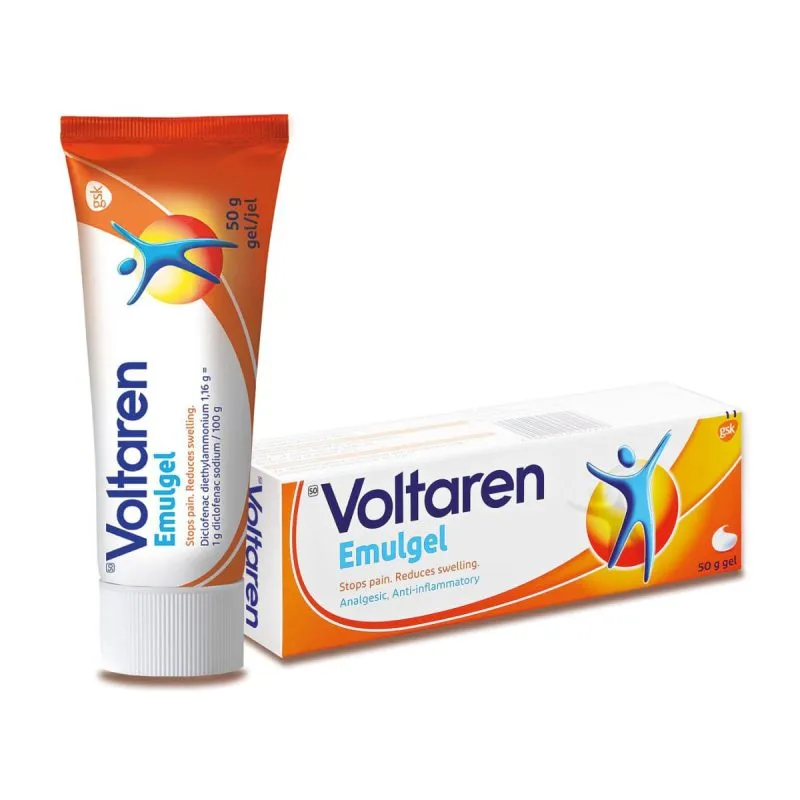
Voltaren Emulgel (diclofenac diethylammonium) is a widely recognized topical non-steroidal anti-inflammatory drug (NSAID) designed to provide targeted relief for localized pain and inflammation. Unlike oral NSAIDs, which circulate systemically, Voltaren Emulgel is engineered to penetrate the skin barrier and concentrate at the site of musculoskeletal discomfort.
As an orthopedic-focused therapeutic agent, it occupies a critical space in pain management protocols, particularly for osteoarthritis, soft tissue injuries, and sports-related trauma. By combining the properties of an emulsion and a gel, this formulation ensures rapid skin absorption while providing a cooling, soothing sensation upon application.
Mechanism of Action: The Science of Topical Diclofenac
The therapeutic efficacy of Voltaren Emulgel is rooted in the inhibition of the cyclooxygenase (COX) enzymes. Understanding the biochemical pathway is essential for clinical application.
Inhibition of Prostaglandin Synthesis
Diclofenac, the active ingredient in Voltaren Emulgel, acts as a potent inhibitor of COX-1 and COX-2 enzymes. These enzymes are responsible for the conversion of arachidonic acid into prostaglandins—lipid compounds that mediate pain, fever, and inflammation. By preventing the synthesis of these pro-inflammatory mediators at the site of application, Voltaren effectively reduces:
* Vasodilation: Reducing local swelling (edema).
* Sensitization of Nociceptors: Decreasing the sensitivity of pain receptors to chemical stimuli.
* Inflammatory Cell Infiltration: Limiting the recruitment of leukocytes to the site of injury.
Pharmacokinetics and Percutaneous Absorption
The "Emulgel" technology is a unique delivery system that facilitates the penetration of the active substance through the stratum corneum.
* Absorption: Upon application, diclofenac diethylammonium partitions into the skin. Studies indicate that while the systemic absorption is significantly lower than oral formulations (typically 6-10% of the applied dose), it achieves high local concentrations in the synovial fluid and underlying tissues.
* Distribution: Once absorbed, the drug binds extensively to plasma proteins (primarily albumin).
* Metabolism and Excretion: The systemic portion is metabolized in the liver via glucuronidation and excreted primarily through the kidneys.
Clinical Indications and Usage Guidelines
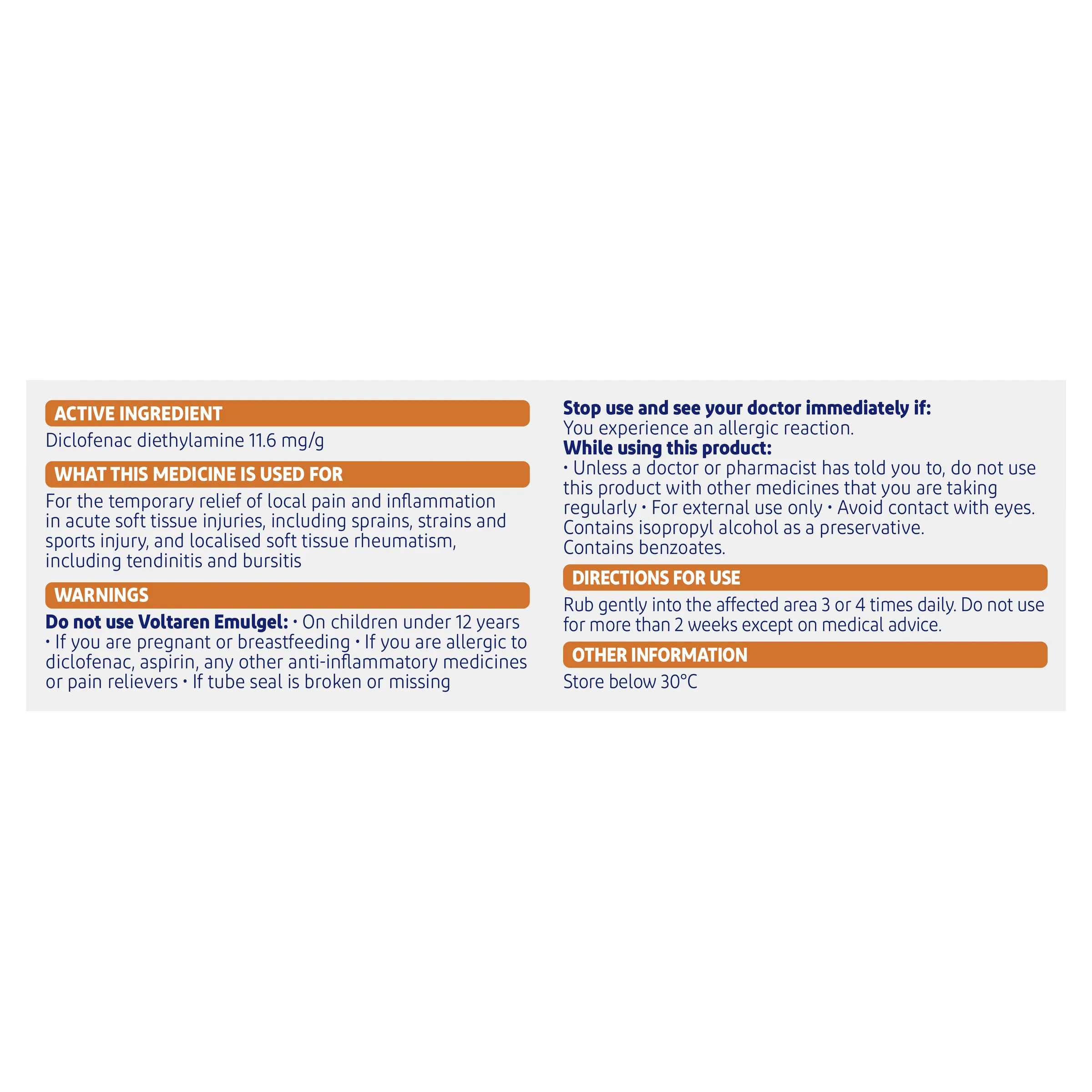
Voltaren Emulgel is indicated for the temporary relief of pain associated with acute and chronic musculoskeletal conditions.
| Condition Type | Specific Indication |
|---|---|
| Soft Tissue Injuries | Sprains, strains, contusions, and sports injuries. |
| Degenerative Disorders | Osteoarthritis of superficial joints (knees, hands, elbows). |
| Inflammatory States | Tendinitis, bursitis, and periarthropathy. |
| Minor Trauma | Localized muscle soreness and post-exertional pain. |
Dosage and Application Instructions
Proper application is critical to maximizing therapeutic outcomes and minimizing systemic absorption.
- Dosing: Apply a quantity ranging from 2g to 4g (the size of a cherry to a walnut) to the affected area.
- Frequency: Typically applied 3 to 4 times daily.
- Technique: Gently rub the gel into the skin. Do not apply under occlusive dressings or airtight bandages, as this increases systemic absorption and the risk of adverse effects.
- Hygiene: Wash hands thoroughly after application unless the hands are the site of treatment.
Risks, Side Effects, and Contraindications
While topical application is safer than oral administration, it is not without risk. Patients must be screened for hypersensitivity and systemic comorbidities.
Common Adverse Effects
Most side effects are localized to the site of application:
* Dermatitis (contact dermatitis, eczema, or erythema).
* Skin rash or pruritus.
* Photosensitivity (increased risk of sunburn if the area is exposed to UV light).
Absolute Contraindications
- Hypersensitivity: Known allergy to diclofenac, aspirin, or any other NSAID.
- Asthma: Patients with a history of asthma attacks, urticaria, or acute rhinitis precipitated by NSAIDs.
- Open Wounds: Never apply to broken, infected, or burned skin.
- Third Trimester Pregnancy: Use should be avoided due to the risk of premature closure of the ductus arteriosus.
Drug Interactions and Safety Warnings
Although systemic absorption is low, potential interactions cannot be entirely ruled out, especially in patients on oral NSAIDs or anticoagulants.
- Oral NSAIDs: Using Voltaren Emulgel concurrently with oral NSAIDs may increase the overall systemic load and risk of gastrointestinal side effects.
- Anticoagulants: Caution is advised in patients on warfarin or other anticoagulants, as even minor systemic absorption can theoretically affect platelet aggregation.
- Pregnancy and Lactation: Use during the first and second trimesters should only occur after a physician's risk-benefit assessment. It is generally advised to avoid long-term use during lactation, as diclofenac may pass into breast milk.
Overdose Management
Topical overdose is rare. However, if excessive amounts are applied over large areas of the body, systemic toxicity may occur.
* Symptoms: Nausea, vomiting, epigastric pain, or in severe cases, renal impairment.
* Management: Wash the skin thoroughly with water to remove any remaining gel. If ingestion occurs, seek immediate emergency medical assistance.
Frequently Asked Questions (FAQ)
1. How long does it take for Voltaren Emulgel to work?
Patients often report a cooling effect immediately upon application. Therapeutic reduction in pain and swelling is usually noticed within 1 to 2 days of consistent use.
2. Can I use Voltaren Emulgel for back pain?
Yes, it is effective for localized lower back pain, provided the pain is related to muscle strain or minor joint inflammation.
3. Is it safe to use with a heating pad?
No. Heat increases the blood flow to the skin and can significantly increase the systemic absorption of the drug, leading to a higher risk of side effects.
4. Does Voltaren Emulgel cause stomach ulcers?
Because it is topical, the risk of gastrointestinal ulcers is significantly lower than with oral NSAIDs. However, patients with a history of peptic ulcers should consult a doctor before use.
5. Can I use this if I am allergic to aspirin?
No. If you have a known hypersensitivity to aspirin or other NSAIDs, you should not use Voltaren Emulgel.
6. Can I apply the gel to my face or neck?
It is generally recommended for use on limbs and the back. Consult a physician before applying to sensitive areas like the face or neck.
7. How much gel should I use at one time?
The standard recommendation is 2g to 4g per application, depending on the size of the area being treated.
8. Is there an age restriction for using this medication?
It is generally not recommended for children under the age of 14 without medical supervision.
9. What should I do if I get the gel in my eyes?
Flush the eyes immediately with plenty of water or saline solution and consult a healthcare professional if irritation persists.
10. Can I shower immediately after applying the gel?
It is recommended to wait at least one hour after application before washing the area to ensure the medication has been properly absorbed.
Conclusion
Voltaren Emulgel serves as a gold-standard topical treatment for localized orthopedic pain. By utilizing a sophisticated emulgel delivery system, it provides targeted relief while mitigating the systemic risks associated with oral NSAIDs. Patients should adhere strictly to dosage guidelines and remain vigilant regarding potential skin reactions or contraindications. As with all medical treatments, consultation with a healthcare provider is essential for chronic conditions to ensure proper diagnosis and long-term management strategies.
Disclaimer: This guide is intended for informational purposes only and does not constitute medical advice, diagnosis, or treatment. Always seek the advice of your physician or qualified health provider with any questions you may have regarding a medical condition.