


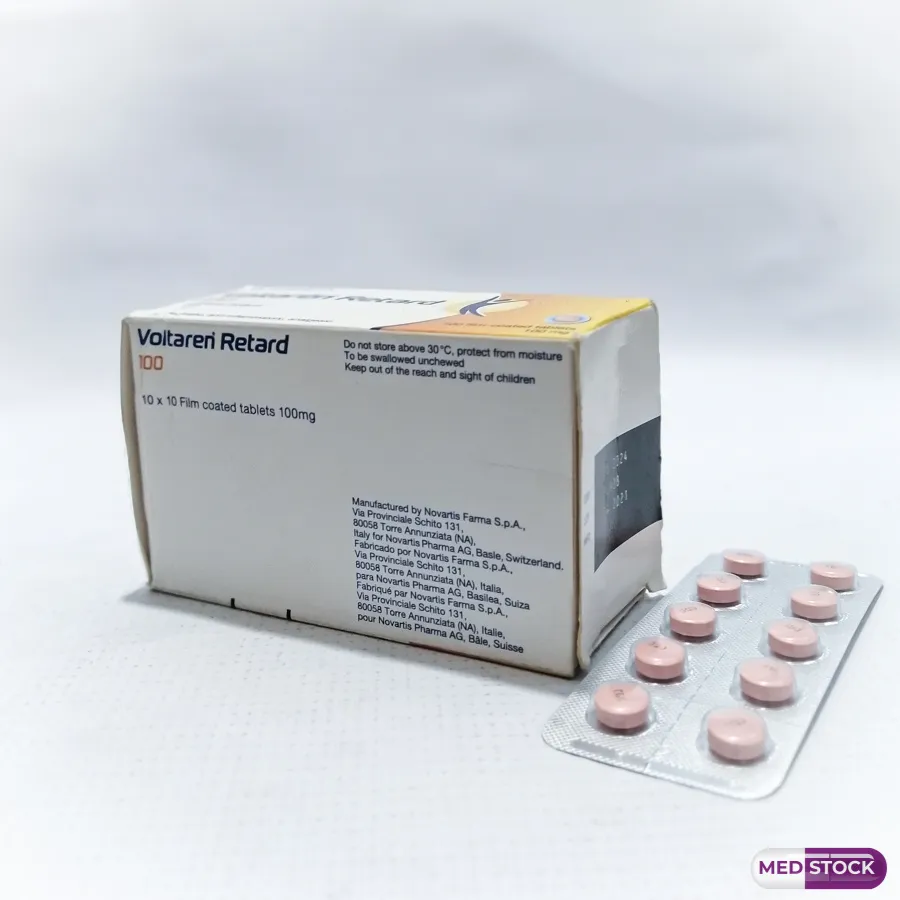

Comprehensive Guide to Voltaren Retard: Clinical Profile and Usage
Voltaren Retard is a widely recognized non-steroidal anti-inflammatory drug (NSAID) containing the active ingredient diclofenac sodium. Engineered as a sustained-release (retard) formulation, it provides prolonged analgesic and anti-inflammatory effects, making it a cornerstone in the management of chronic musculoskeletal and rheumatic conditions. This guide provides an in-depth clinical analysis of its mechanism, indications, and safety parameters.
Deep-Dive: Mechanism of Action and Pharmacokinetics
Understanding the therapeutic efficacy of Voltaren Retard requires an examination of its molecular interaction with the human body.
Mechanism of Action
The primary mechanism of diclofenac sodium is the inhibition of the cyclooxygenase (COX) enzymes, specifically COX-1 and COX-2. By inhibiting these enzymes, Voltaren Retard reduces the synthesis of prostaglandins—lipid compounds that serve as key mediators in the inflammatory response, pain signaling, and fever regulation. Unlike short-acting formulations, the "Retard" matrix ensures a controlled release of diclofenac, maintaining plasma concentrations within the therapeutic window for an extended duration.
Pharmacokinetics
- Absorption: Diclofenac is completely absorbed after oral administration. However, the retard formulation releases the drug slowly, resulting in a delayed peak plasma concentration compared to immediate-release variants.
- Distribution: Highly bound to plasma proteins (primarily albumin, >99%). It penetrates synovial fluid, where concentrations remain higher and more persistent than in plasma.
- Metabolism: Undergoes extensive first-pass hepatic metabolism, primarily through hydroxylation and conjugation.
- Elimination: Excreted primarily via the kidneys (approx. 60%) as metabolites, with the remainder excreted via bile and feces.
Extensive Clinical Indications & Usage
Voltaren Retard is indicated for patients requiring sustained relief from chronic inflammatory and degenerative conditions.
Primary Indications
| Condition | Clinical Focus |
|---|---|
| Rheumatoid Arthritis | Management of chronic joint inflammation. |
| Osteoarthritis | Symptomatic relief of degenerative joint disease. |
| Ankylosing Spondylitis | Reduction of spinal inflammation and stiffness. |
| Post-Traumatic Pain | Managing inflammation following orthopedic injuries. |
| Acute Gout | Controlling flare-ups in peripheral joints. |
Dosage Guidelines
The dosage must be individualized based on the patient's age, the severity of the condition, and the therapeutic response.
- Standard Adult Dosage: Usually 100 mg once daily.
- Administration: Tablets should be swallowed whole with liquid, preferably during or after a meal to minimize gastrointestinal irritation.
- Duration: Use the lowest effective dose for the shortest duration necessary to control symptoms.
Risks, Side Effects, and Contraindications
While highly effective, Voltaren Retard carries risks inherent to the NSAID class, particularly regarding cardiovascular and gastrointestinal safety.
Contraindications
- Known hypersensitivity to diclofenac or any excipients.
- Active gastric or intestinal ulcer, bleeding, or perforation.
- History of gastrointestinal bleeding related to previous NSAID therapy.
- Established congestive heart failure (NYHA II-IV), ischemic heart disease, or peripheral arterial disease.
- Severe hepatic or renal impairment.
- Last trimester of pregnancy.
Common Side Effects
- Gastrointestinal: Epigastric pain, nausea, vomiting, diarrhea, or flatulence.
- Central Nervous System: Headache, dizziness, or vertigo.
- Dermatological: Rash or pruritus.
- Serious Risks: Increased risk of thrombotic events (myocardial infarction or stroke), gastrointestinal ulceration, and fluid retention/edema.
Pregnancy and Lactation
- Pregnancy: Avoid during the first and second trimesters unless necessary. Strictly contraindicated during the third trimester due to the risk of premature closure of the ductus arteriosus and renal dysfunction in the fetus.
- Lactation: Diclofenac passes into breast milk in small quantities. Use is generally discouraged during breastfeeding.
Overdose Management
An overdose of Voltaren Retard is a medical emergency. Symptoms may include lethargy, tinnitus, nausea, vomiting, epigastric pain, and in severe cases, gastrointestinal hemorrhage, hypotension, acute renal failure, or convulsions.
Management Protocol:
1. Immediate Action: Seek emergency medical assistance.
2. Decontamination: If the ingestion was recent, activated charcoal may be administered to reduce absorption.
3. Supportive Care: Monitor vital signs, renal function, and hepatic enzymes. Address symptoms such as hypotension or respiratory distress. There is no specific antidote for diclofenac.
Frequently Asked Questions (FAQ)
1. Is Voltaren Retard the same as regular Voltaren?
No. Voltaren Retard is a sustained-release formulation designed to release the medication slowly over time, allowing for once-daily dosing, whereas immediate-release versions require more frequent administration.
2. Should I take Voltaren Retard on an empty stomach?
It is strongly recommended to take the tablet with or after food to reduce the risk of stomach irritation and gastrointestinal side effects.
3. Can I take Voltaren Retard if I have high blood pressure?
NSAIDs like diclofenac can increase blood pressure or interfere with antihypertensive medication. Consult your physician for a risk-benefit assessment before use.
4. How long does it take for Voltaren Retard to work?
Because it is a sustained-release medication, it may take longer to reach peak effect compared to immediate-release tablets, but it provides a more stable level of pain relief throughout the day.
5. Can I drink alcohol while on this medication?
Alcohol consumption may increase the risk of gastrointestinal irritation and bleeding, and it may exacerbate liver strain. It is best to avoid alcohol.
6. Does Voltaren Retard interact with blood thinners?
Yes. Diclofenac can increase the risk of bleeding when taken with anticoagulants like warfarin or antiplatelet agents like aspirin. Medical supervision is mandatory.
7. What should I do if I miss a dose?
Take the missed dose as soon as you remember. However, if it is almost time for your next dose, skip the missed one. Do not take a double dose to make up for a forgotten one.
8. Is this medication safe for long-term use?
Long-term use should only occur under strict medical supervision, with regular monitoring of renal, hepatic, and cardiovascular health.
9. Can children take Voltaren Retard?
Voltaren Retard is generally not recommended for children and adolescents under 14 years of age unless specifically prescribed by a specialist.
10. Will Voltaren Retard show up on a drug test?
Voltaren Retard is an NSAID and does not typically show up on standard drug screens for illicit substances. However, always disclose all medications to your healthcare provider.
Disclaimer: This guide is for informational purposes only and does not constitute medical advice. Always consult with a licensed healthcare professional or orthopedic specialist before beginning or changing any medication regimen. If you experience severe side effects or allergic reactions, seek emergency medical care immediately.