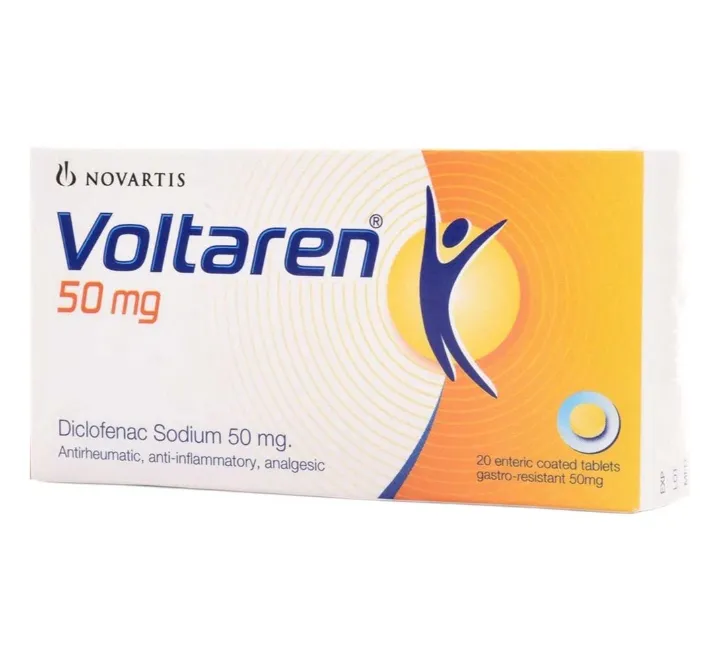
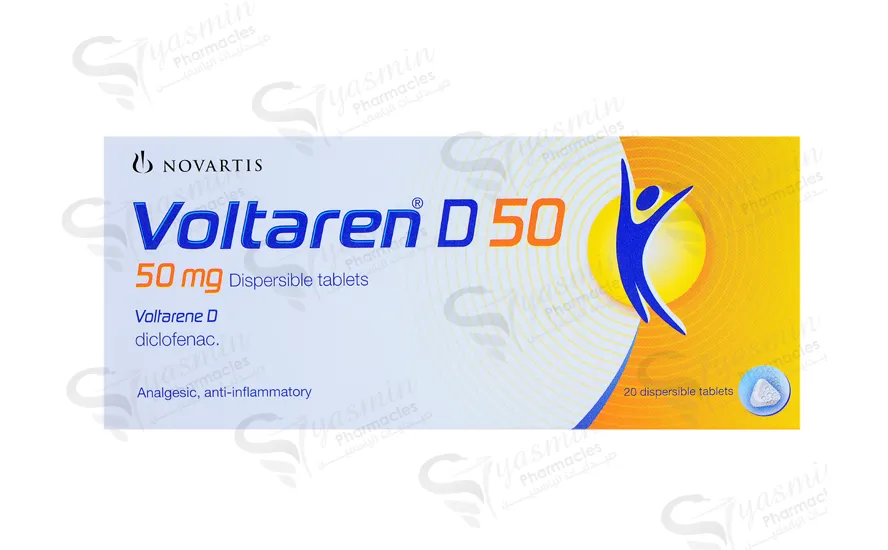
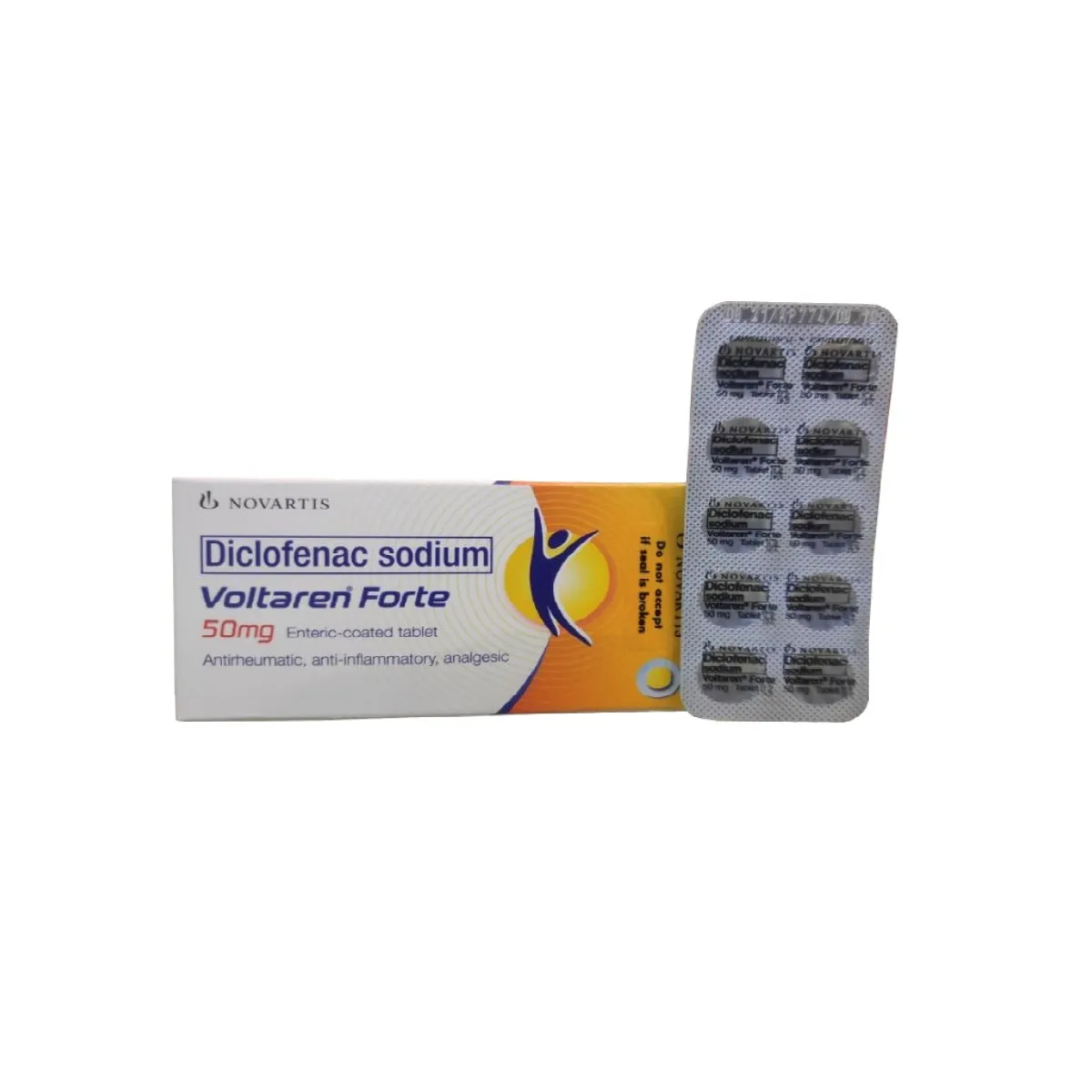

Comprehensive Guide to Voltaren Tablets (Diclofenac Sodium)
Voltaren, known generically as diclofenac sodium, is a potent non-steroidal anti-inflammatory drug (NSAID) widely utilized in orthopedic and rheumatological practice. As a gold standard for managing acute and chronic pain associated with inflammatory conditions, understanding its pharmacological profile is essential for both clinicians and patients.
This guide provides an exhaustive clinical overview of Voltaren tablets, covering its mechanism of action, pharmacokinetic properties, therapeutic indications, and critical safety parameters.
Technical Specifications and Mechanism of Action
Voltaren belongs to the phenylacetic acid derivative class of NSAIDs. Its primary therapeutic effect is derived from its ability to inhibit the cyclooxygenase (COX) enzymes, which are responsible for the biosynthesis of prostaglandins.
Pharmacodynamics: How it Works
Prostaglandins are lipid compounds that act as mediators in the inflammatory response, pain signaling, and fever regulation. By inhibiting both COX-1 and COX-2 enzymes, Voltaren reduces the production of these pro-inflammatory mediators.
- Analgesic Effect: Reduces sensitivity of pain receptors to mechanical or chemical stimulation.
- Anti-inflammatory Effect: Decreases vasodilation and leukocyte infiltration at the site of tissue injury.
- Antipyretic Effect: Acts on the hypothalamus to lower elevated body temperatures.
Pharmacokinetics
Understanding how the body processes Voltaren is vital for optimizing dosage schedules:
| Parameter | Description |
|---|---|
| Absorption | Rapidly and completely absorbed after oral administration. |
| Protein Binding | Highly bound to serum albumin (>99%). |
| Metabolism | Primarily hepatic via cytochrome P450 (CYP2C9) enzymes. |
| Half-life | Approximately 1 to 2 hours. |
| Excretion | Primarily renal (60%) and biliary (40%). |
Clinical Indications and Usage
Voltaren is indicated for the symptomatic relief of pain and inflammation in a variety of musculoskeletal and systemic conditions.
Primary Indications
- Rheumatoid Arthritis: Management of chronic inflammation and joint destruction.
- Osteoarthritis: Relief of joint pain, stiffness, and improved mobility in degenerative joint disease.
- Ankylosing Spondylitis: Reducing inflammation in the spinal vertebrae.
- Acute Musculoskeletal Injuries: Sprains, strains, and orthopedic trauma.
- Dysmenorrhea: Managing primary menstrual pain.
- Acute Migraine: Used in some formulations for rapid abortive therapy.
Dosage Guidelines
Dosage must be individualized based on the severity of the condition and the patient's response. The general rule in NSAID therapy is to use the lowest effective dose for the shortest duration possible.
- Adults: Usually 100 mg to 150 mg daily, divided into 2 or 3 doses.
- Maximum Dose: Should not exceed 150 mg/day unless specifically directed by a rheumatologist.
- Administration: Ideally taken with food or milk to minimize gastrointestinal (GI) irritation.
Risks, Side Effects, and Contraindications
While highly effective, Voltaren carries risks, particularly regarding gastrointestinal, cardiovascular, and renal health.
Common Side Effects
- Gastrointestinal: Nausea, dyspepsia, abdominal pain, diarrhea, or constipation.
- Central Nervous System: Headache, dizziness, or drowsiness.
- Dermatological: Rashes or pruritus.
Serious Risks (Black Box Warnings)
- Cardiovascular Risk: Increased risk of serious thrombotic events, myocardial infarction, and stroke.
- Gastrointestinal Risk: Increased risk of serious GI adverse events including bleeding, ulceration, and perforation of the stomach or intestines.
Contraindications
Voltaren should be avoided in patients with:
* Known hypersensitivity to diclofenac or any components of the medication.
* History of asthma, urticaria, or allergic-type reactions after taking aspirin or other NSAIDs.
* Active peptic ulcer disease or gastrointestinal bleeding.
* Severe hepatic or renal impairment.
* Congestive heart failure (NYHA II-IV).
* Perioperative pain management in the setting of coronary artery bypass graft (CABG) surgery.
Pregnancy, Lactation, and Special Populations
Pregnancy Warnings
Voltaren is classified under FDA Pregnancy Category C (early pregnancy) and Category D (starting at 30 weeks gestation).
* Third Trimester: Use should be avoided as it may cause premature closure of the ductus arteriosus in the fetus and potential renal dysfunction.
Lactation
Diclofenac is excreted in breast milk in small amounts. While the risk to the infant is considered low, caution is advised, and clinicians often suggest alternative analgesics (e.g., acetaminophen) for nursing mothers.
Renal and Hepatic Impairment
- Renal: NSAIDs can cause fluid retention and potential renal failure. Monitor serum creatinine in elderly patients.
- Hepatic: Periodic monitoring of liver enzymes (ALT/AST) is recommended for long-term therapy.
Overdose Management
Acute overdose of Voltaren requires immediate medical intervention. Symptoms include lethargy, drowsiness, nausea, vomiting, and epigastric pain.
- Immediate Action: Seek emergency medical services.
- Decontamination: Activated charcoal may be administered if the patient presents within 1-2 hours of ingestion.
- Supportive Care: Monitor respiratory and cardiac function. Gastric lavage is rarely indicated unless the ingestion was massive and recent.
- Dialysis: Due to high protein binding, hemodialysis is generally ineffective in removing diclofenac from the blood.
Frequently Asked Questions (FAQ)
1. Can I take Voltaren on an empty stomach?
It is generally recommended to take Voltaren with food or a glass of milk to reduce the risk of stomach irritation and gastric side effects.
2. How long does it take for Voltaren to start working?
Most patients report onset of pain relief within 30 to 60 minutes after oral administration.
3. Is Voltaren the same as Tylenol?
No. Voltaren is an NSAID (anti-inflammatory), while Tylenol (acetaminophen) is an analgesic and antipyretic that lacks significant anti-inflammatory properties.
4. Can I drink alcohol while taking Voltaren?
Combining alcohol with Voltaren significantly increases the risk of gastrointestinal bleeding and potential liver stress. It is best to avoid or limit alcohol intake.
5. Does Voltaren interact with blood thinners?
Yes. Voltaren can increase the antiplatelet effect of drugs like warfarin, significantly raising the risk of severe bleeding. Always consult a physician before combining these medications.
6. Can I take Voltaren for a headache?
While Voltaren can treat pain, it is not the first-line treatment for tension headaches. It is specifically indicated for inflammatory pain. Consult a doctor for persistent headaches.
7. Why do I need to monitor my blood pressure on Voltaren?
NSAIDs can cause sodium and water retention, which can lead to elevated blood pressure or worsen existing hypertension.
8. Is Voltaren safe for long-term use?
Long-term use requires medical supervision. Physicians usually monitor kidney function, liver enzymes, and cardiovascular health periodically for patients on chronic NSAID therapy.
9. What should I do if I miss a dose?
Take the missed dose as soon as you remember. If it is almost time for your next dose, skip the missed one. Do not take two doses at once.
10. Can children take Voltaren?
Voltaren is generally not recommended for children unless specifically prescribed by a pediatrician for juvenile rheumatoid arthritis.
Conclusion
Voltaren (diclofenac) remains a cornerstone in the management of inflammatory pain. However, its therapeutic utility must be balanced against its potential for systemic side effects. By adhering to prescribed dosages, monitoring for contraindications, and maintaining open communication with healthcare providers, patients can safely manage their conditions and improve their quality of life.
Disclaimer: This guide is for educational purposes only and does not constitute professional medical advice, diagnosis, or treatment. Always seek the advice of your physician or qualified health provider with any questions regarding a medical condition or medication.