

Comprehensive Overview of the Wrist Brace
In the field of orthopedic medicine, the wrist brace—often classified in therapeutic catalogs as a non-pharmacological medical device—serves as a cornerstone for conservative management of musculoskeletal disorders. Unlike systemic medications, a wrist brace functions through mechanical stabilization, proprioceptive feedback, and the limitation of range of motion (ROM) to facilitate healing in the carpal and radiocarpal joints.
Whether utilized for acute trauma, chronic inflammatory conditions, or post-operative rehabilitation, the wrist brace acts as an external skeletal support system. Its primary objective is to offload the stressed anatomical structures, reduce the metabolic demand on inflamed tissues, and prevent secondary injury caused by repetitive or improper movement patterns.
Mechanism of Action: The Biomechanics of Stabilization
To understand the efficacy of a wrist brace, one must view it through the lens of biomechanical engineering. The device functions via three distinct physiological pathways:
1. Mechanical Immobilization
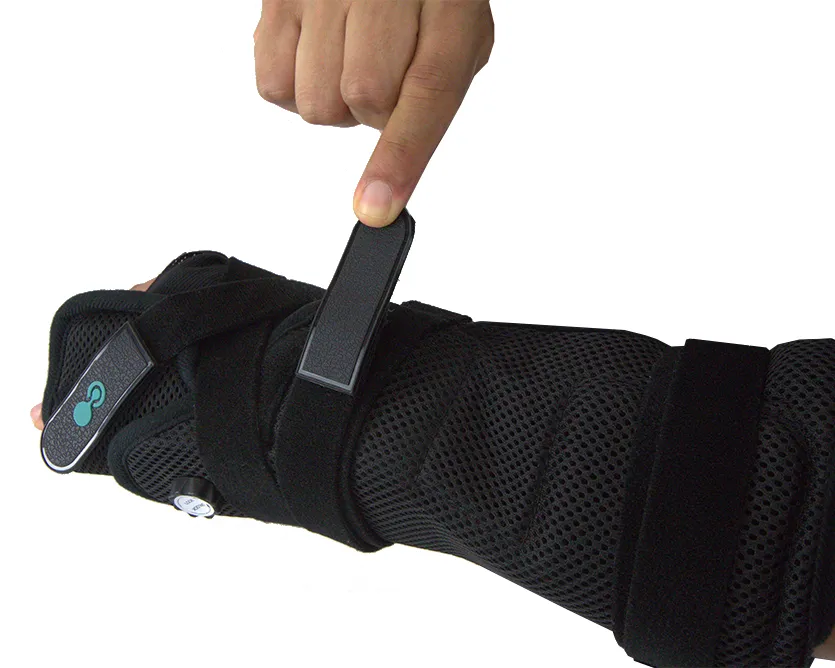
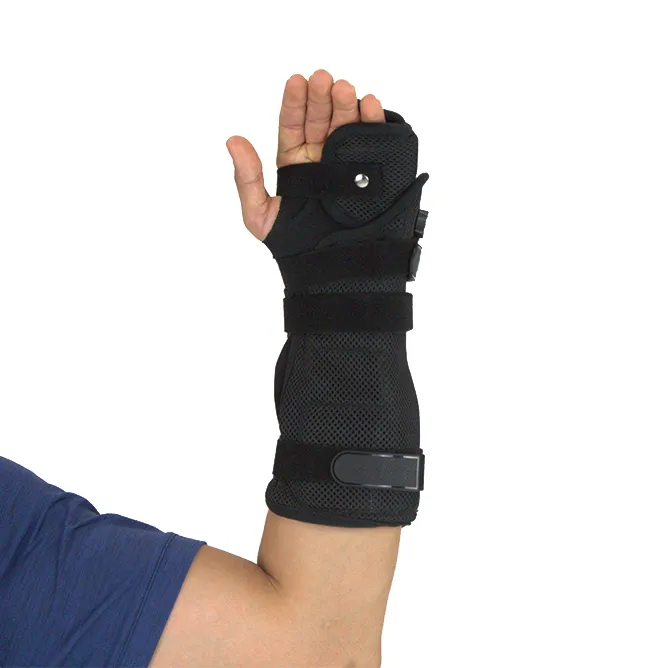
By incorporating rigid stays—typically constructed from malleable aluminum or high-density thermoplastic—the brace restricts the flexion and extension of the radiocarpal joint. This immobilization effectively "rests" the tendons and ligaments, preventing the micro-trauma associated with daily activity.
2. Proprioceptive Enhancement
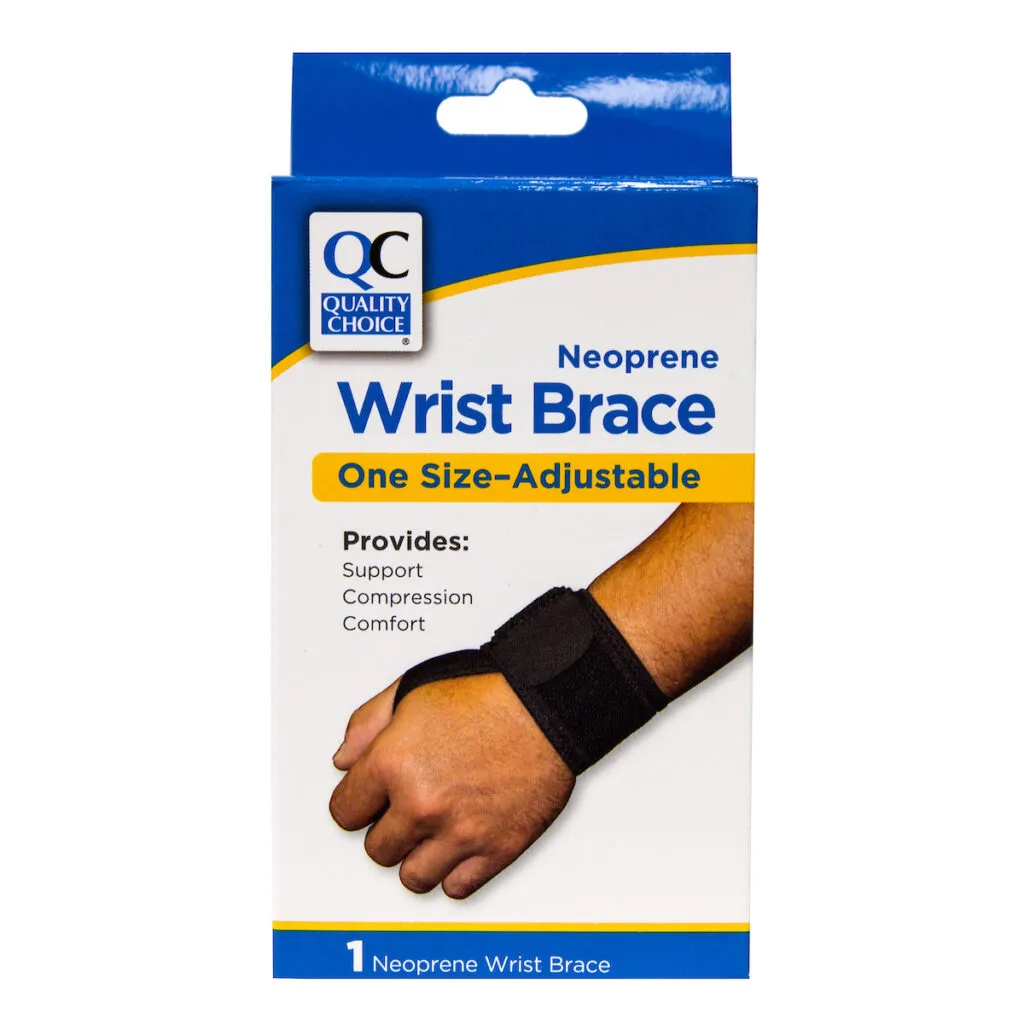
The compression provided by the fabric (usually neoprene, elastic knit, or breathable mesh) increases the sensory input to the mechanoreceptors in the skin and underlying tissues. This heightened proprioception allows the patient to become more aware of their joint position, leading to subconscious protective muscle activation.
3. Pressure Distribution
The brace redistributes mechanical loads away from the carpal tunnel and the triangular fibrocartilage complex (TFCC). By maintaining the wrist in a "neutral" or "functional" position, the brace minimizes the intra-articular pressure that contributes to nerve compression syndromes.
Detailed Clinical Indications and Usage
Wrist braces are prescribed based on the specific clinical diagnosis. The following table outlines the most common indications:
| Condition | Primary Objective | Recommended Brace Type |
|---|---|---|
| Carpal Tunnel Syndrome (CTS) | Nerve decompression | Neutral-position cock-up splint |
| De Quervain's Tenosynovitis | Thumb/Wrist immobilization | Spica splint (includes thumb) |
| Distal Radius Fracture | Post-reduction support | Rigid cast-brace or immobilizer |
| Wrist Sprain/Strain | Ligament protection | Elastic support with stays |
| Rheumatoid Arthritis | Inflammation reduction | Soft, adjustable compression brace |
| Post-Operative Recovery | Tendon protection | Hinged or rigid immobilizer |
Dosage Guidelines (Wear Protocol)
While not a pharmaceutical, the "dosage" of a wrist brace is critical to prevent muscle atrophy.
* Acute Phase: 24/7 wear, excluding hygiene routines, for 1–2 weeks.
* Chronic Management: Nighttime wear only, or during high-intensity tasks (e.g., typing, lifting).
* Weaning Phase: Gradual reduction of hours as pain subsides and functional stability returns.
Pharmacokinetics and Physiological Integration
Though the wrist brace is a mechanical device, its "pharmacokinetics"—how it moves through the body's functional systems—is defined by its impact on edema and blood flow.
- Absorption: The "therapeutic effect" is absorbed almost immediately upon application as the joint is stabilized.
- Metabolism: The brace does not undergo metabolic breakdown. However, it affects the "metabolic cost" of the joint. By reducing movement, it lowers the inflammatory response (cytokine release) at the site of injury.
- Excretion: The brace is removed. The long-term "excretion" of the device is marked by the restoration of full, pain-free range of motion.
Risks, Contraindications, and Side Effects
Despite its utility, improper use can lead to adverse events.
Contraindications
- Severe Ischemia: Do not apply compression-style braces if there is compromised distal circulation.
- Infected Wounds: Do not place a brace directly over open wounds or skin infections.
- Compartment Syndrome: A tight brace may exacerbate pressure in acute trauma cases.
Potential Side Effects
- Muscle Atrophy: Prolonged immobilization without physical therapy will lead to the weakening of the forearm flexors and extensors.
- Skin Dermatitis: Sweat accumulation under neoprene or synthetic materials can cause contact dermatitis.
- Dependency: Psychological reliance on the brace, where the patient feels unable to move the wrist without support.
- Circulatory Impairment: If the brace is fastened too tightly, it can lead to paresthesia (tingling) or cyanosis in the fingers.
Drug Interactions (Device-External Factors)
While the brace does not interact with oral medications directly, it can affect the efficacy of topical treatments:
* Topical Analgesics: Applying NSAID gels (e.g., Diclofenac) under a brace is generally discouraged as the occlusive nature of the brace can lead to excessive absorption or skin irritation.
* Edema Management: If a patient is taking anticoagulants (e.g., Warfarin), a very tight brace may increase the risk of localized hematoma if the skin is traumatized.
Pregnancy and Lactation Warnings
There are no systemic contraindications for the use of wrist braces during pregnancy. In fact, many pregnant women experience carpal tunnel syndrome due to fluid retention and hormonal shifts. A wrist brace is considered the first line of defense, as it avoids the need for systemic anti-inflammatory drugs that may be contraindicated during gestation.
Overdose Management: The "Tightness" Crisis
An "overdose" of a wrist brace manifests as over-tightening. If a patient experiences the following, they must immediately loosen the straps:
* Numbness or tingling in the thumb, index, and middle fingers.
* Skin discoloration (pale or blue).
* Increased pain upon movement.
* Coolness of the fingertips.
Frequently Asked Questions (FAQ)
1. Should I wear my wrist brace while sleeping?
For conditions like Carpal Tunnel Syndrome, nighttime wear is highly recommended because it prevents the subconscious curling of the wrist during sleep, which exacerbates nerve compression.
2. Can a wrist brace cure a fracture?
No. A wrist brace is for immobilization and support. A fracture requires professional medical reduction and imaging to ensure proper alignment before a brace or cast is applied.
3. How do I clean my wrist brace?
Most braces are hand-washable with mild soap and cold water. Avoid high-heat drying, as it can warp the plastic stays and ruin the elasticity of the fabric.
4. How tight should the brace be?
The brace should be snug enough to provide support and limit motion but loose enough to allow two fingers to slide underneath the straps. You should be able to move your fingers freely.
5. Will wearing a brace make my wrist weaker?
If worn 24/7 for months without exercises, yes. It is essential to perform prescribed wrist and forearm strengthening exercises during the weaning phase to prevent muscle atrophy.
6. Can I wear a wrist brace for tendonitis?
Yes, it is a standard treatment. By limiting the movement of the inflamed tendon, the brace allows the inflammatory process to subside.
7. What is the difference between a wrist splint and a brace?
Generally, a "splint" implies a more rigid, often physician-molded device, while a "brace" is a commercially available, adjustable support. Both serve similar biomechanical functions.
8. How long does it take to see results?
For inflammation or mild CTS, patients often report symptomatic relief within 3 to 7 days of consistent use.
9. Can I play sports with a wrist brace?
Many athletes use wrist braces for protection. However, ensure the brace does not have rigid edges that could injure other players, and confirm with your coach or trainer.
10. When should I stop wearing the brace?
You should stop wearing the brace when your physician confirms that the underlying injury has healed and you have regained sufficient strength and stability through physical therapy.
Conclusion
The wrist brace is an indispensable clinical tool that bridges the gap between acute injury and functional recovery. By understanding its biomechanical mechanism, adhering to proper wear protocols, and remaining vigilant for signs of improper usage, patients can effectively manage their orthopedic health. Always consult with a physical therapist or orthopedic surgeon to ensure the brace selected aligns with your specific clinical requirements.