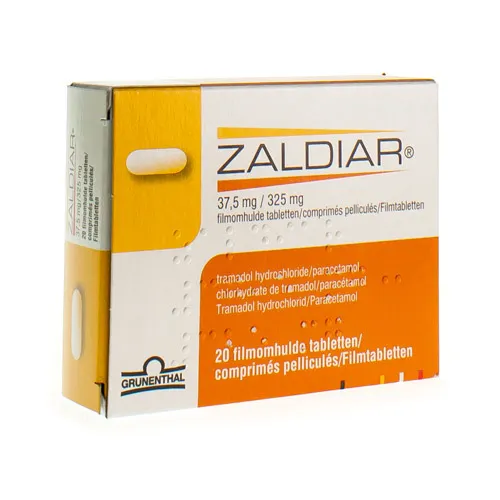

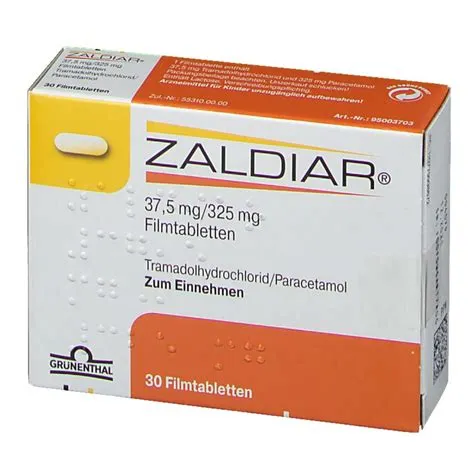

Comprehensive Guide to Zaldiar: Clinical Overview
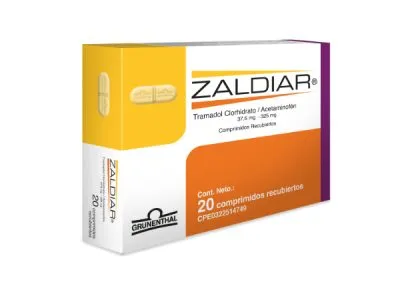
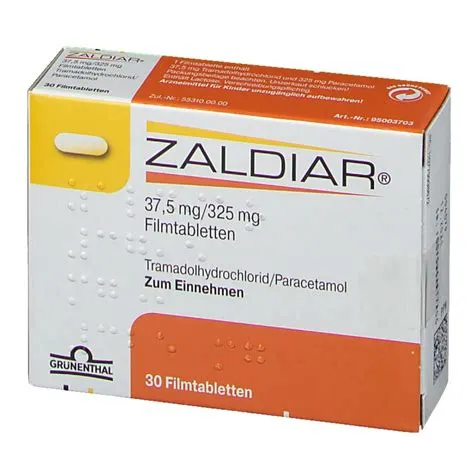
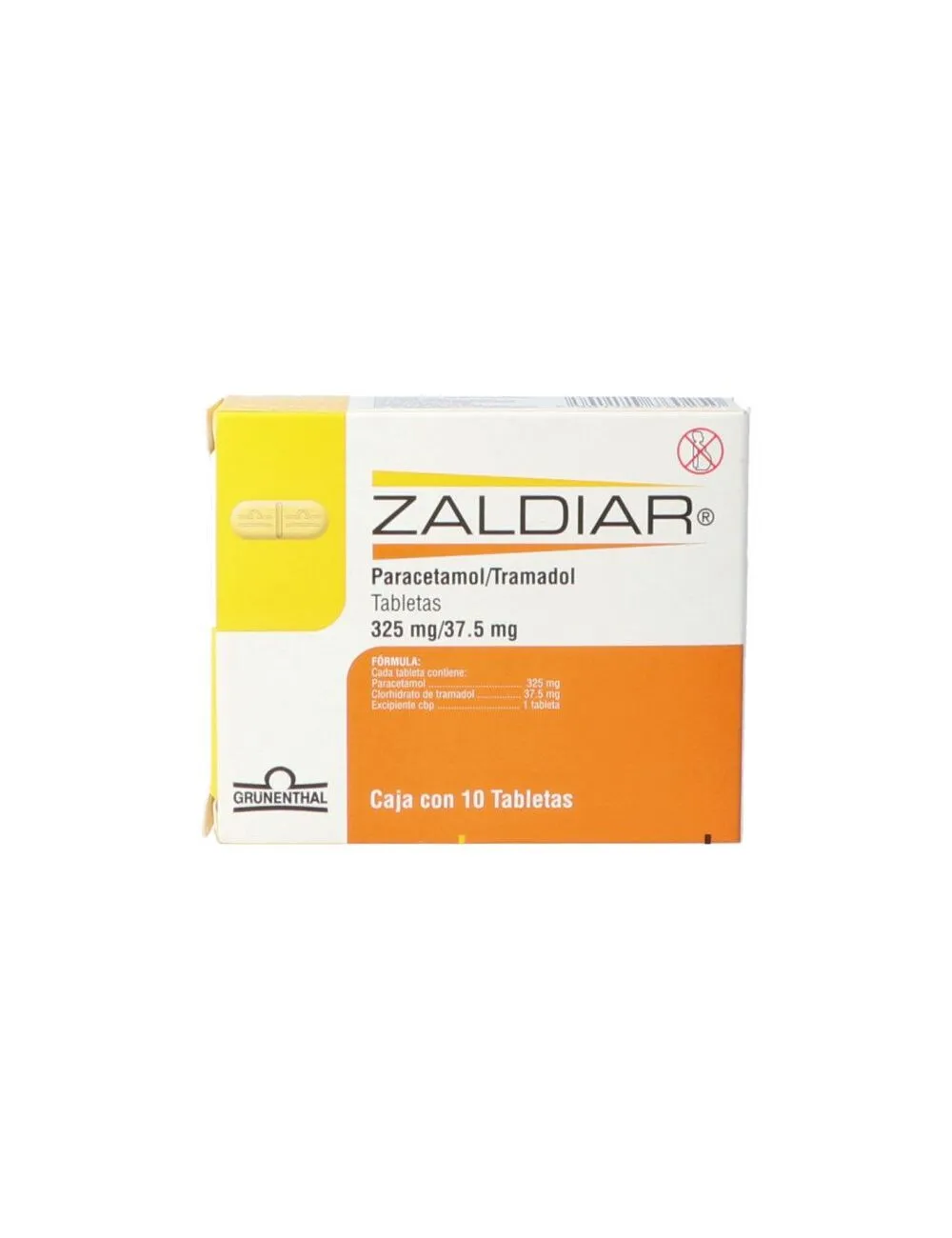
Zaldiar is a potent, fixed-dose combination analgesic medication widely prescribed in orthopedic and pain management settings. It combines two distinct active pharmaceutical ingredients—Tramadol hydrochloride and Paracetamol (Acetaminophen)—to provide a synergistic approach to pain relief. By targeting pain through complementary pathways, Zaldiar is often utilized for moderate to severe pain that has proven unresponsive to monotherapy with simple analgesics.
As an expert medical resource, this guide provides a rigorous analysis of Zaldiar’s pharmacological profile, clinical indications, safety parameters, and administration protocols.
Technical Specifications and Mechanisms of Action
The efficacy of Zaldiar lies in the dual-action mechanism of its components. Understanding these pathways is essential for clinicians to optimize patient outcomes while minimizing the risk of adverse events.
1. Tramadol Hydrochloride
Tramadol is a centrally acting synthetic analgesic. Its mechanism is twofold:
* μ-opioid receptor agonism: It binds weakly to μ-opioid receptors, which modulates the transmission of pain signals in the central nervous system.
* Monoamine reuptake inhibition: It inhibits the reuptake of norepinephrine and serotonin, which enhances descending inhibitory pain pathways in the spinal cord.
2. Paracetamol (Acetaminophen)
Paracetamol is a non-opioid, non-salicylate analgesic and antipyretic. While its exact mechanism is not fully elucidated, it is believed to:
* Inhibit prostaglandin synthesis in the central nervous system.
* Elevate the pain threshold by acting on the hypothalamic heat-regulating center.
Pharmacokinetic Profile
| Feature | Tramadol | Paracetamol |
|---|---|---|
| Absorption | Rapid and almost complete | Rapid and complete |
| Metabolism | Hepatic (CYP2D6) | Hepatic (Glucuronidation/Sulfation) |
| Elimination | Renal (primarily) | Renal (metabolites) |
| Half-life | ~6 hours | ~2-3 hours |
Clinical Indications and Dosage Guidelines
Zaldiar is indicated for the symptomatic treatment of moderate to severe pain. Its use should be restricted to patients whose pain intensity requires the combination of both tramadol and paracetamol.
Dosage Guidelines
Dosage must be individualized based on the intensity of pain and the clinical response of the patient.
- Adults and Adolescents (12+ years): The initial recommended dose is usually 2 tablets. Additional doses may be taken as needed, not exceeding 8 tablets (equivalent to 300 mg tramadol and 2600 mg paracetamol) per day.
- Dosing Interval: The interval between doses should not be less than 6 hours.
- Renal/Hepatic Impairment: In cases of severe renal impairment (creatinine clearance < 10 mL/min), the dosage interval should be extended. Zaldiar is contraindicated in patients with severe hepatic impairment.
Risks, Side Effects, and Contraindications
Zaldiar carries a specific risk profile necessitated by its dual-component nature. Clinicians must perform a thorough risk-benefit assessment before initiation.
Common Adverse Reactions
- Central Nervous System: Dizziness, somnolence, headache, and confusion.
- Gastrointestinal: Nausea, vomiting, constipation, and dry mouth.
- Dermatological: Hyperhidrosis (excessive sweating) and pruritus.
Severe Risks and Warnings
- Serotonin Syndrome: Due to tramadol’s effect on serotonin reuptake, combining Zaldiar with SSRIs, SNRIs, or MAO inhibitors significantly increases the risk of serotonin syndrome.
- Respiratory Depression: Although less common than with pure opioids, high doses can lead to respiratory depression.
- Hepatotoxicity: Paracetamol overdose is the leading cause of acute liver failure in many developed nations. Patients must be warned never to exceed the maximum daily dose.
- Seizure Risk: Tramadol can lower the seizure threshold, particularly in patients with a history of epilepsy or those taking medications that also lower this threshold.
Contraindications
- Hypersensitivity to tramadol, paracetamol, or any excipients.
- Acute intoxication with alcohol, hypnotics, centrally acting analgesics, or psychotropic drugs.
- Patients currently receiving MAO inhibitors or those who have taken them within the last 14 days.
- Severe hepatic or renal impairment.
- Uncontrolled epilepsy.
Pregnancy, Lactation, and Special Populations
Pregnancy
Zaldiar is generally not recommended during pregnancy. Tramadol crosses the placenta, and chronic use may lead to neonatal withdrawal symptoms. Paracetamol is considered safer, but the combination should only be used if the potential benefit outweighs the risk to the fetus.
Lactation
Tramadol is excreted into breast milk. It is not recommended for use in breastfeeding mothers as it may cause opioid-related side effects in the nursing infant.
Elderly Patients
In patients over 75 years, the elimination of tramadol may be prolonged. Dosage intervals should be adjusted accordingly to prevent accumulation.
Overdose Management
An overdose of Zaldiar is a medical emergency that involves the toxic effects of both tramadol and paracetamol.
- Paracetamol Toxicity: The primary concern is severe liver damage. N-acetylcysteine (NAC) should be administered as an antidote as soon as possible, ideally within 8 hours of ingestion.
- Tramadol Toxicity: Symptoms include respiratory depression, seizures, and coma. Naloxone may be used to reverse respiratory depression; however, it has a limited effect on the seizure risk associated with tramadol.
- General Management: Gastric lavage or activated charcoal may be considered if the patient presents shortly after ingestion. Supportive care, including airway management and hemodynamic stabilization, is critical.
Frequently Asked Questions (FAQ)
1. Can I take Zaldiar with other paracetamol-containing products?
No. Taking additional paracetamol while on Zaldiar significantly increases the risk of severe liver damage. Always check the labels of other medications for paracetamol content.
2. Does Zaldiar cause addiction?
Tramadol is an opioid-like medication and carries a risk of physical and psychological dependence. It should only be used for the shortest duration necessary.
3. What should I do if I miss a dose?
Do not take a double dose to make up for a missed one. Simply take your next scheduled dose at the normal time.
4. Can I consume alcohol while on Zaldiar?
Alcohol should be strictly avoided. It increases the sedative effects of tramadol and compounds the risk of paracetamol-induced hepatotoxicity.
5. How long does it take for Zaldiar to start working?
Most patients experience pain relief within 30 to 60 minutes of oral administration.
6. Is Zaldiar safe for children under 12?
No, Zaldiar is not recommended for children under 12 years of age due to lack of safety and efficacy data.
7. Can Zaldiar cause constipation?
Yes, constipation is a common side effect of the tramadol component. Increasing fluid and fiber intake is often recommended.
8. Will Zaldiar show up on a drug test?
Yes, the tramadol component can trigger a positive result on certain opioid screenings, depending on the sensitivity of the test.
9. Can I stop taking Zaldiar abruptly?
If you have been taking the medication for a long time, it is recommended to taper the dose gradually under medical supervision to avoid withdrawal symptoms.
10. Does Zaldiar affect my ability to drive?
Yes, Zaldiar can cause dizziness and drowsiness. Do not drive or operate heavy machinery if you feel impaired by the medication.
Disclaimer: This guide is for educational purposes only and does not constitute medical advice. Always consult with a licensed healthcare professional or pharmacist before starting, stopping, or modifying any medication regimen. If you suspect an overdose, contact emergency services immediately.