1. Comprehensive Introduction & Overview
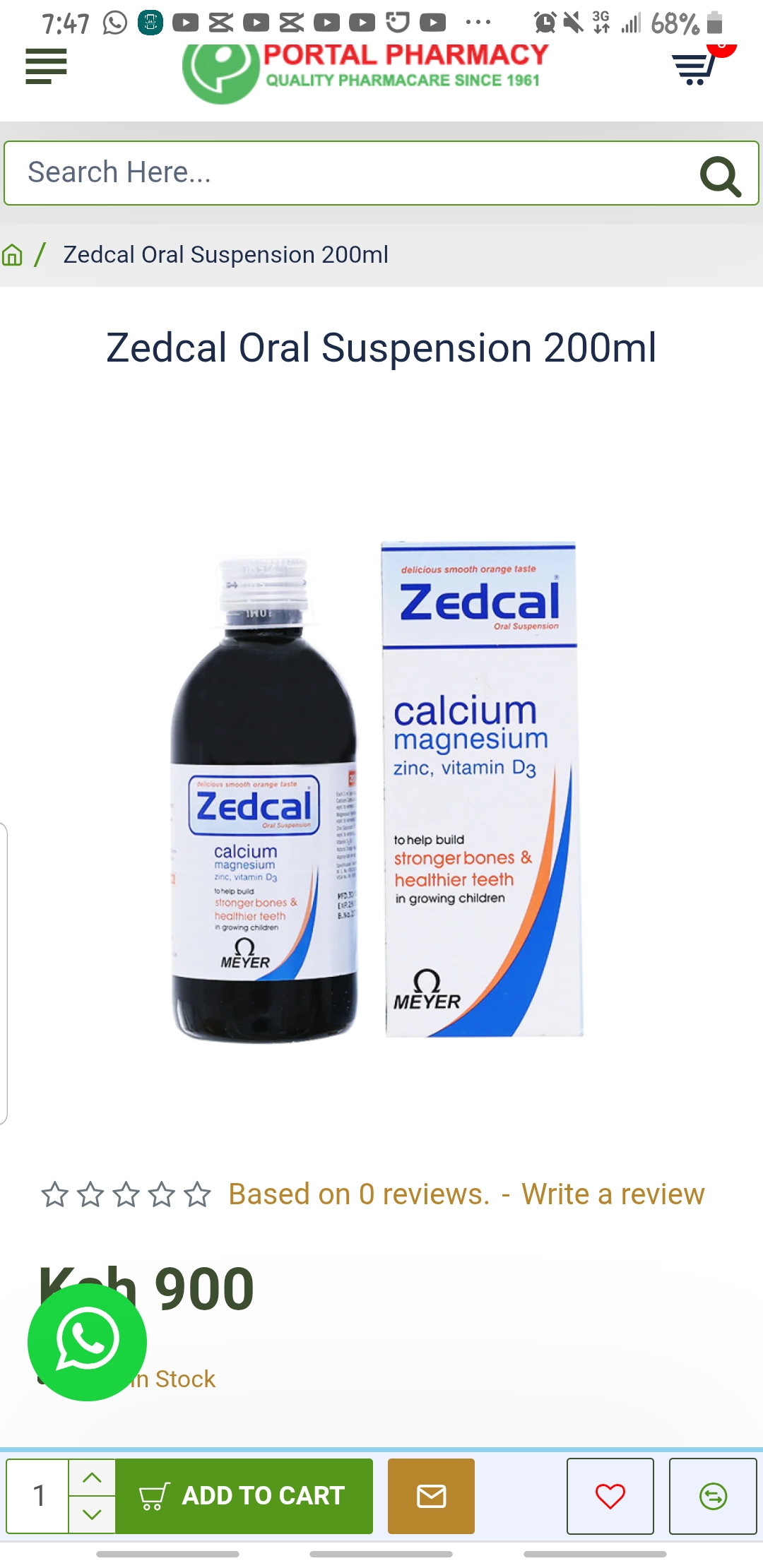
Zedcal Syrup (Syr) is a sophisticated, multi-micronutrient formulation primarily categorized as a calcium and vitamin supplement. Designed to address the physiological requirements of bone mineralization, neuromuscular function, and metabolic homeostasis, Zedcal serves as a foundational therapeutic agent in orthopedics, geriatrics, and pediatrics.
In clinical practice, the efficacy of bone-building supplements is dictated by the bioavailability of the calcium salt and the synergistic presence of regulatory vitamins. Zedcal syrup typically integrates elemental calcium with Vitamin D3 (Cholecalciferol) and, in various formulations, trace minerals like Magnesium and Zinc. This combination is engineered to optimize the absorption of calcium in the gastrointestinal tract and its subsequent deposition into the bone matrix.
This guide provides an exhaustive clinical overview intended for medical professionals, pharmacists, and healthcare providers to ensure the safe and efficacious administration of Zedcal Syrup.
2. Deep-Dive: Technical Specifications and Mechanism of Action
To understand the therapeutic impact of Zedcal Syrup, one must analyze the pharmacodynamics of its constituents.
The Calcium-Vitamin D3 Axis
The primary mechanism of action involves the maintenance of serum calcium levels within the narrow physiological range required for cellular signaling and structural integrity.
- Calcium (as Calcium Carbonate/Gluconate/Citrate): Calcium serves as the structural backbone of the hydroxyapatite crystal in bone. Beyond structural support, it acts as a secondary messenger in intracellular signaling pathways, muscle contraction, and blood coagulation.
- Vitamin D3 (Cholecalciferol): Vitamin D3 is the indispensable regulator of calcium homeostasis. Upon ingestion, it is hydroxylated in the liver to 25-hydroxyvitamin D [25(OH)D] and subsequently in the kidneys to its active form, 1,25-dihydroxyvitamin D [1,25(OH)2D] or Calcitriol. This active hormone binds to the Vitamin D Receptor (VDR) in the intestinal epithelium, upregulating the expression of calcium-binding proteins (calbindin), thereby facilitating the active transport of calcium across the gut wall.
Pharmacokinetics
- Absorption: Calcium absorption occurs primarily in the duodenum and jejunum. The process is partially dependent on the presence of Vitamin D and the pH of the gastric environment.
- Distribution: Once absorbed, calcium enters the exchangeable calcium pool in the extracellular fluid. Approximately 99% of body calcium is sequestered in the skeleton.
- Metabolism: Vitamin D3 undergoes hepatic and renal metabolism. Calcium is not metabolized but is instead utilized in systemic physiological processes.
- Excretion: Excess calcium is excreted primarily through the feces (unabsorbed) and urine (filtered load). Renal excretion is tightly regulated by Parathyroid Hormone (PTH) and Calcitonin.
3. Extensive Clinical Indications & Usage
Zedcal Syrup is indicated for conditions where dietary intake is insufficient or physiological demand is heightened.
| Indication | Clinical Rationale |
|---|---|
| Osteoporosis | To maintain bone mineral density (BMD) and reduce fracture risk in post-menopausal women and elderly patients. |
| Osteomalacia/Rickets | To correct Vitamin D and calcium deficiency, preventing softening and demineralization of bones. |
| Hypocalcemia | As a corrective measure for low serum calcium levels associated with hypoparathyroidism or malabsorption. |
| Pregnancy/Lactation | To meet the increased fetal demand for skeletal development and to prevent maternal bone loss. |
| Growth Spurts | To support the rapid skeletal expansion seen in pediatric populations. |
| Post-Fracture Recovery | To accelerate the callus formation and mineralization process during the healing phase. |
Dosage Guidelines
Dosage must be individualized based on the patient's age, baseline serum calcium, and the specific severity of the deficiency.
- Adults: Typically 10–20 ml once or twice daily, or as directed by a physician.
- Pediatrics (1–12 years): 5–10 ml once daily, depending on nutritional status and age.
- Pregnant/Lactating Women: Dosage should be adjusted based on the prenatal vitamin intake to avoid hypercalcemia.
Important Note: Administration should ideally be timed with meals to optimize gastric acidity for calcium dissolution.
4. Risks, Side Effects, and Contraindications
While Zedcal Syrup is generally well-tolerated, clinical vigilance is required to mitigate risks.
Contraindications
- Hypercalcemia: Absolute contraindication due to the risk of cardiac arrhythmias and metastatic calcification.
- Hypercalciuria: Patients with a history of recurrent calcium-containing renal stones.
- Severe Renal Impairment: Requires dose adjustment; risk of hyperphosphatemia and nephrocalcinosis.
- Hypersensitivity: Known allergic reactions to any component of the syrup (e.g., stabilizers, sweeteners, or active ingredients).
- Sarcoidosis: Often associated with hypercalcemia due to increased sensitivity to Vitamin D.
Potential Side Effects
| System | Side Effects |
|---|---|
| Gastrointestinal | Constipation, flatulence, abdominal distension, nausea. |
| Renal | Nephrolithiasis (kidney stones) with chronic over-supplementation. |
| Metabolic | Hypercalcemia (manifesting as confusion, polyuria, polydipsia). |
Drug Interactions
- Bisphosphonates: Calcium can decrease the absorption of bisphosphonates; administer at least 2 hours apart.
- Tetracycline/Quinolone Antibiotics: Calcium forms insoluble complexes with these drugs, significantly reducing their efficacy. Separate administration by 2–4 hours.
- Thiazide Diuretics: May cause hypercalcemia by decreasing urinary calcium excretion.
- Levothyroxine: Calcium interferes with the absorption of thyroid hormone.
5. Pregnancy and Lactation Warnings
During pregnancy, the maternal skeleton provides calcium for the developing fetus. Zedcal Syrup is a standard intervention for preventing maternal bone demineralization and supporting fetal skeletal growth.
- Safety Profile: Generally considered safe when taken within the Recommended Dietary Allowance (RDA).
- Monitoring: Serum calcium levels should be monitored in the third trimester to prevent maternal hypercalcemia, which can lead to fetal parathyroid suppression and neonatal hypocalcemia.
- Lactation: Calcium is excreted in breast milk. Supplementation helps maintain maternal bone stores while providing adequate calcium for the infant.
6. Overdose Management
Acute overdose of calcium and Vitamin D is a medical emergency.
- Symptoms: Nausea, vomiting, severe constipation, mental status changes, polyuria, and in extreme cases, cardiac arrhythmias or coma.
- Immediate Actions:
- Discontinue the supplement immediately.
- Initiate rehydration with intravenous normal saline to promote calciuresis.
- If serum calcium is critically elevated, consider the use of loop diuretics (e.g., furosemide) once the patient is adequately hydrated.
- Monitor ECG for signs of shortened QT interval or arrhythmias.
- In severe cases, bisphosphonates or calcitonin may be administered under strict hospital supervision.
7. Frequently Asked Questions (FAQ)
1. Should Zedcal be taken with food?
Yes. Taking Zedcal with meals increases the gastric acid concentration, which significantly improves the dissolution and absorption of the calcium salt.
2. Can I take Zedcal with my morning coffee?
It is not recommended. Caffeine and tannins in tea/coffee can interfere with the absorption of calcium. Allow a 1-hour gap between consumption.
3. Will Zedcal cause kidney stones?
In healthy individuals with adequate hydration, standard doses are unlikely to cause stones. However, patients with a pre-existing history of calcium oxalate stones should consult their urologist before starting supplementation.
4. Is there an age limit for taking Zedcal?
No, it is safe for all ages, but the dosage must be adjusted according to age-specific requirements.
5. What should I do if I miss a dose?
Take the missed dose as soon as you remember. If it is almost time for your next dose, skip the missed one. Do not double the dose to make up for a missed one.
6. Can Zedcal be used to treat arthritis?
Zedcal is not a treatment for arthritis (which is an inflammatory joint condition). It is used to support bone density, which may be compromised in patients with long-term arthritis due to reduced mobility or corticosteroid use.
7. Does Zedcal contain sugar?
Most syrups contain sweeteners for palatability. Diabetic patients should check the label or consult their doctor regarding the carbohydrate content.
8. How long should I take Zedcal?
The duration depends on the underlying deficiency. Osteoporosis patients may require long-term supplementation, whereas others may only need it during recovery from a fracture.
9. Can I take other vitamins with Zedcal?
Yes, but be cautious of "stacking" Vitamin D. Ensure the total daily intake of Vitamin D from all sources does not exceed the upper tolerable limit (typically 4,000 IU/day for adults, unless specified otherwise by a physician).
10. Does Zedcal interact with blood pressure medication?
Calcium supplements can potentially interfere with Calcium Channel Blockers (CCBs) like amlodipine. Always inform your doctor if you are on antihypertensive medication.
8. Conclusion
Zedcal Syrup represents a robust, clinically validated solution for the management of calcium and Vitamin D deficiencies. By adhering to the prescribed dosage, respecting interaction warnings, and maintaining regular clinical follow-ups, patients can effectively support their skeletal health and overall metabolic function. As with any pharmacological agent, the "start low, go slow" approach in dosage, combined with periodic monitoring of serum calcium and renal function, remains the gold standard for long-term therapeutic success.
Disclaimer: This document is intended for educational purposes for healthcare professionals. It does not replace professional medical advice, diagnosis, or treatment. Always refer to the specific product insert provided by the manufacturer for the most current information.