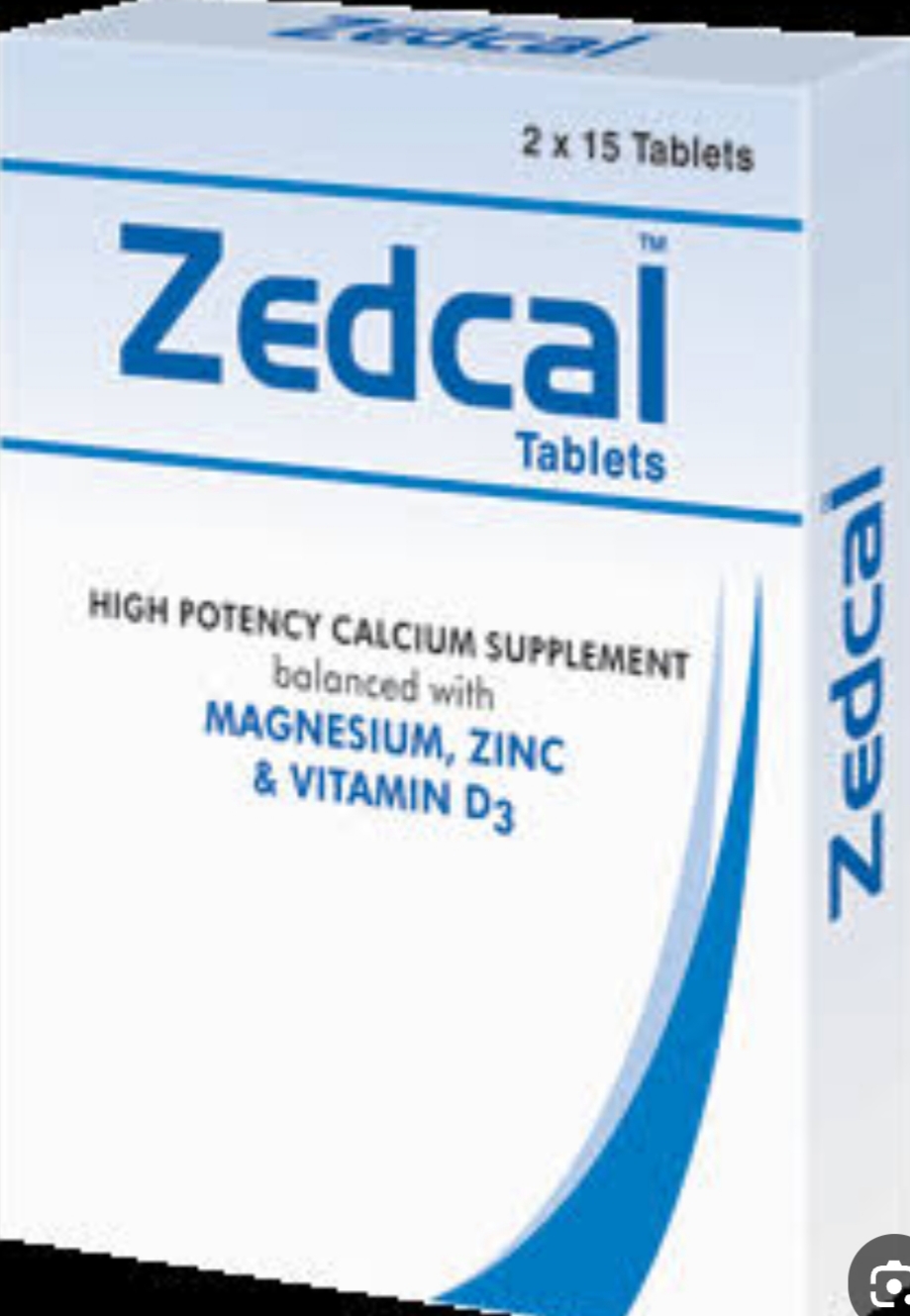
Comprehensive Clinical Guide: Zedcal Tablet
1. Introduction and Overview
Zedcal tablet is a specialized pharmaceutical formulation primarily utilized in the management and prevention of calcium deficiencies and associated bone-related pathologies. As a multi-component therapeutic agent, Zedcal is engineered to optimize bone mineral density (BMD) and maintain systemic calcium homeostasis.
In the clinical landscape, Zedcal is categorized as a nutritional supplement and bone health adjunct. It is frequently prescribed to address the gap between dietary intake and physiological requirements, particularly in populations at high risk for osteoporosis, osteopenia, and metabolic bone disorders. By integrating essential minerals and co-factors, Zedcal ensures not only the structural integrity of the skeletal system but also the proper functioning of neuromuscular and cardiac pathways.
2. Technical Specifications and Mechanism of Action
The efficacy of Zedcal is derived from the synergistic interaction of its active ingredients, which typically include Calcium (often as Calcium Citrate or Carbonate), Vitamin D3 (Cholecalciferol), and occasionally trace minerals like Magnesium, Zinc, or Manganese depending on the specific regional formulation.
Pharmacodynamics
- Calcium Ion Homeostasis: Calcium is the fundamental building block of hydroxyapatite crystals in the bone matrix. Zedcal facilitates the maintenance of serum calcium levels, which are tightly regulated by parathyroid hormone (PTH), calcitonin, and vitamin D. By ensuring sufficient bioavailability, the tablet prevents the body from resorbing calcium from the skeletal stores to maintain blood levels.
- Vitamin D3 (Cholecalciferol) Activation: Vitamin D3 acts as a pro-hormone. Upon ingestion, it undergoes hydroxylation in the liver to 25-hydroxyvitamin D, and subsequently in the kidneys to the active form, 1,25-dihydroxyvitamin D (calcitriol). Calcitriol binds to the Vitamin D Receptor (VDR), promoting the expression of calcium-binding proteins (calbindin) in the intestinal epithelium, thereby increasing the active transport of calcium across the gut lining.
- Synergistic Mineral Support: Trace elements like Zinc and Magnesium act as enzymatic co-factors in bone mineralization, stabilization of the bone matrix, and supporting the activity of osteoblasts—the cells responsible for bone formation.
Pharmacokinetics
- Absorption: Calcium absorption occurs primarily in the small intestine via both active transport (vitamin D-dependent) and passive diffusion. The citrate salt form often found in high-end Zedcal formulations is pH-independent, making it superior for patients with achlorhydria or those on proton pump inhibitors.
- Distribution: Once absorbed, calcium enters the exchangeable calcium pool in the blood and extracellular fluid. It is highly regulated by homeostatic mechanisms.
- Metabolism: Vitamin D3 is metabolized in the hepatic and renal systems.
- Elimination: Excess calcium is excreted primarily via the kidneys (urine) and the gastrointestinal tract (feces).
3. Clinical Indications and Usage
Zedcal is indicated for the prevention and treatment of conditions where calcium and vitamin D levels are insufficient.
| Indication | Clinical Rationale |
|---|---|
| Osteoporosis | Prevention of bone density loss in post-menopausal women and elderly patients. |
| Osteomalacia/Rickets | Treatment of bone softening caused by severe Vitamin D deficiency. |
| Hypocalcemia | Correction of low serum calcium levels secondary to hypoparathyroidism or malabsorption. |
| Pregnancy/Lactation | Supplementation to meet the increased fetal/neonatal demand for calcium. |
| Corticosteroid Therapy | Mitigating bone loss induced by long-term glucocorticoid usage. |
| Geriatric Care | Prophylactic use to prevent fractures and falls associated with frailty. |
Dosage Guidelines
- Adults (General): 1 tablet once or twice daily, preferably with a meal to enhance absorption and minimize GI distress.
- Post-menopausal Women: 1 tablet twice daily or as directed by an endocrinologist.
- Pediatric Use: Only under strict medical supervision and dose adjustment based on weight.
Note: Always consult a healthcare provider for personalized dosage, as excessive calcium intake can lead to hypercalcemia.
4. Risks, Side Effects, and Contraindications
While generally well-tolerated, Zedcal must be administered with clinical oversight to avoid adverse reactions.
Potential Side Effects
- Gastrointestinal: Constipation, flatulence, abdominal bloating, or nausea. (Increasing fluid intake and fiber is often recommended).
- Hypercalcemia: Excessive levels of calcium in the blood, characterized by polyuria, polydipsia, confusion, and cardiac arrhythmias.
- Renal Stones: Patients with a history of nephrolithiasis should be monitored, as high calcium excretion can contribute to stone formation in susceptible individuals.
Contraindications
- Hypercalcemia: Known elevated serum calcium levels.
- Hypercalciuria: Excessive calcium excretion in the urine.
- Nephrolithiasis: Active or recurrent kidney stones.
- Severe Renal Impairment: Patients with renal failure may require specialized dosing or may be contraindicated due to poor mineral clearance.
- Sarcoidosis: Often associated with hypercalcemia due to ectopic vitamin D production.
Drug Interactions
- Bisphosphonates: Calcium can decrease the absorption of bisphosphonates; take at least 2 hours apart.
- Tetracycline/Quinolone Antibiotics: Calcium forms insoluble complexes with these drugs, significantly reducing their efficacy.
- Thyroid Medication (Levothyroxine): Separate dosing by 4 hours to prevent interaction.
- Thiazide Diuretics: May increase the risk of hypercalcemia by decreasing urinary calcium excretion.
5. Pregnancy, Lactation, and Pediatric Use
- Pregnancy: Calcium supplementation is vital during pregnancy to support fetal skeletal development. Zedcal is generally safe, but supplementation should be aligned with prenatal vitamin intake to avoid excessive Vitamin D levels.
- Lactation: Calcium is excreted in breast milk. Supplementation is beneficial for the mother to prevent bone density depletion during the nursing period.
- Pediatric: Use is generally reserved for children with documented deficiency or specific metabolic bone diseases.
6. Overdose Management
In the event of an overdose:
1. Immediate Action: Discontinue the medication immediately.
2. Clinical Assessment: Monitor serum calcium and creatinine levels.
3. Treatment: In mild cases, hydration and temporary cessation of calcium/vitamin D intake are sufficient. In severe hypercalcemia, clinicians may employ forced diuresis with saline, loop diuretics, or intravenous bisphosphonates/calcitonin to lower serum calcium.
7. Frequently Asked Questions (FAQ)
1. Should I take Zedcal with or without food?
It is highly recommended to take Zedcal with food. The presence of food increases gastric acidity (if the formulation is carbonate-based) and improves the overall absorption profile, while also reducing the risk of stomach upset.
2. Can I take Zedcal alongside other multivitamins?
Yes, but you must check the total dosage of Vitamin D and Calcium in your other supplements. Taking multiple supplements may lead to accidental overdose (Hypervitaminosis D or Hypercalcemia).
3. Does Zedcal cause kidney stones?
In healthy individuals, normal calcium supplementation does not cause stones. However, in patients predisposed to kidney stones, excessive calcium intake without adequate hydration can increase the risk. Always maintain high fluid intake.
4. How long should I take Zedcal for osteoporosis?
Osteoporosis management is typically long-term. You should continue the course as prescribed by your orthopedic specialist, typically accompanied by periodic DEXA scans to monitor bone density.
5. Is Zedcal suitable for vegetarians?
Most Zedcal formulations are synthetic; however, always check the label for gelatin or animal-derived ingredients if you have strict dietary restrictions.
6. Can Zedcal help with muscle cramps?
Yes. Calcium and Magnesium are essential for proper muscle contraction and relaxation. If cramps are due to a mineral deficiency, Zedcal can provide significant relief.
7. What if I miss a dose?
Take the missed dose as soon as you remember. If it is almost time for your next dose, skip the missed one. Do not take two tablets at once to compensate.
8. Does Zedcal interact with blood pressure medication?
Certain diuretics (thiazides) can interact with calcium supplements. Inform your doctor about all medications you are currently taking to avoid adverse interactions.
9. Can children take Zedcal?
Only if prescribed by a pediatrician. Pediatric dosage is significantly lower than adult dosage and is based on specific clinical needs.
10. How should I store Zedcal tablets?
Store in a cool, dry place, away from direct sunlight and moisture. Keep the bottle tightly closed and out of reach of children.
8. Expert Clinical Conclusion
Zedcal tab represents a robust therapeutic option for the maintenance of skeletal health. Its clinical utility is predicated on the bioavailability of its calcium source and the presence of Vitamin D3. When utilized as part of a comprehensive management plan—including weight-bearing exercise, a balanced diet, and periodic monitoring of serum calcium and Vitamin D levels—it is an essential tool for preventing the long-term morbidity associated with bone density loss. Patients are advised to adhere strictly to the prescribed regimen and report any symptoms suggestive of hypercalcemia immediately to their physician.
Disclaimer: This guide is for informational purposes only and does not constitute medical advice. Always consult with a licensed healthcare professional or orthopedic specialist before beginning any new medication or supplement regimen.