



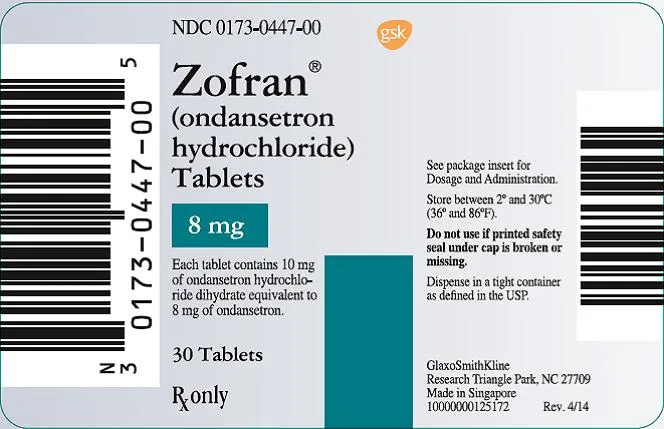
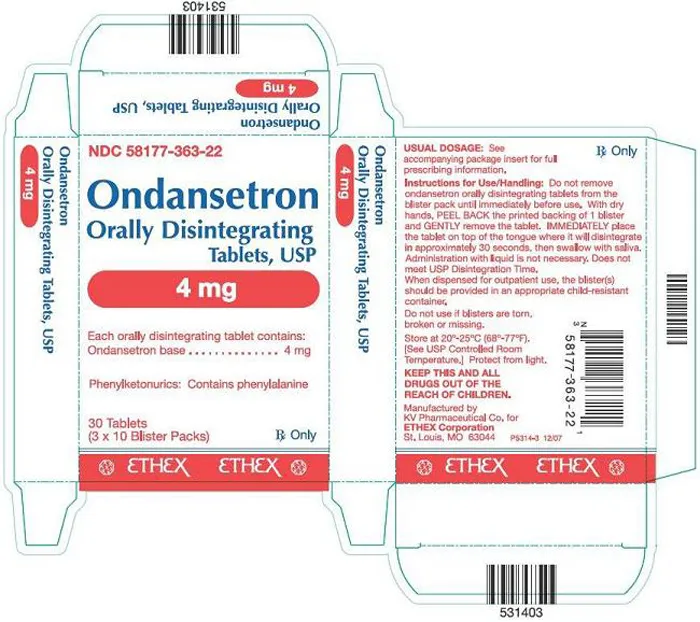

Comprehensive Guide to Zofran (Ondansetron): Mechanism, Clinical Use, and Safety
Zofran, known generically as ondansetron, is a cornerstone medication in modern pharmacotherapy for the prevention and treatment of nausea and vomiting. As a selective 5-HT3 receptor antagonist, it has revolutionized the management of chemotherapy-induced nausea and vomiting (CINV), radiotherapy-induced nausea and vomiting (RINV), and postoperative nausea and vomiting (PONV). This guide provides an exhaustive clinical overview intended for healthcare professionals and patients seeking detailed medical insights.
1. Deep-Dive: Mechanism of Action and Pharmacokinetics
Mechanism of Action
Ondansetron is a potent, highly selective serotonin 5-HT3 receptor antagonist. The emetic reflex is complex, involving both peripheral and central pathways. During chemotherapy or surgery, serotonin (5-HT) is released from the enterochromaffin cells of the small intestine. This serotonin stimulates the vagal afferents via 5-HT3 receptors, initiating the vomiting reflex.
Ondansetron acts by binding to these 5-HT3 receptors both peripherally on the vagal nerve terminals and centrally in the chemoreceptor trigger zone (CTZ) of the area postrema in the brainstem. By blocking these receptors, it effectively interrupts the signaling pathway that triggers the emetic response.
Pharmacokinetics
Understanding the pharmacokinetic profile of ondansetron is essential for optimizing clinical outcomes:
* Absorption: Rapidly absorbed after oral administration, reaching peak plasma concentration within 1.5 to 2 hours.
* Bioavailability: Approximately 60% due to first-pass metabolism.
* Distribution: Highly distributed in the body with a volume of distribution of approximately 1.9 L/kg.
* Metabolism: Extensively metabolized in the liver via multiple cytochrome P450 enzymes (CYP3A4, CYP2D6, and CYP1A2).
* Elimination: Primarily excreted as metabolites in urine (approx. 45-60%) and feces. The terminal elimination half-life is roughly 3 to 6 hours in healthy adults.
2. Clinical Indications and Usage
Ondansetron is indicated for the prevention and treatment of emesis in various clinical settings.
| Indication | Target Population | Clinical Rationale |
|---|---|---|
| CINV | Cancer Patients | Prevention of highly/moderately emetogenic chemotherapy |
| RINV | Oncology Patients | Prevention of nausea/vomiting following total body irradiation |
| PONV | Surgical Patients | Prevention and treatment of post-operative nausea/vomiting |
Dosage Guidelines
Dosage varies significantly based on the indication and the patient's hepatic function.
- Chemotherapy (Highly Emetogenic): Typically 24 mg orally administered 30 minutes before the start of chemotherapy.
- Chemotherapy (Moderately Emetogenic): 8 mg orally twice daily, with the first dose 30 minutes before chemotherapy, followed by a second dose 8 hours later.
- PONV: 16 mg orally one hour before induction of anesthesia, or 4 mg intravenously immediately before induction or post-operatively.
- Hepatic Impairment: In patients with severe hepatic impairment, the total daily dose should not exceed 8 mg.
3. Risks, Side Effects, and Contraindications
While generally well-tolerated, ondansetron carries specific risks that clinicians must monitor.
Common Adverse Reactions
- Headache: The most frequently reported side effect.
- Constipation: Due to the impact on gastrointestinal motility.
- Dizziness/Fatigue: Occasional reports of malaise.
Serious Risks
- QT Prolongation: Ondansetron can cause dose-dependent prolongation of the QT interval. This can lead to Torsade de Pointes, a potentially fatal cardiac arrhythmia. Electrocardiogram (ECG) monitoring is recommended for patients with congenital long QT syndrome, electrolyte abnormalities (hypokalemia or hypomagnesemia), or those taking other QT-prolonging drugs.
- Serotonin Syndrome: Rare but serious, particularly when co-administered with other serotonergic agents (SSRIs, SNRIs, MAOIs).
Contraindications
- Hypersensitivity: Known hypersensitivity to ondansetron or any component of the formulation.
- Apomorphine Use: Concomitant use with apomorphine is strictly contraindicated due to the risk of profound hypotension and loss of consciousness.
4. Pregnancy and Lactation Warnings
The use of ondansetron during pregnancy has been a subject of significant clinical debate. While it is frequently used to manage hyperemesis gravidarum (severe morning sickness), caution is advised.
- Pregnancy Category: Generally considered to have a lack of evidence for major birth defects, but it should only be used if the potential benefit justifies the potential risk to the fetus.
- Lactation: It is unknown if ondansetron is excreted in human milk. However, many studies suggest that the amount passed into breast milk is likely low. Consult with an obstetrician before use while breastfeeding.
5. Drug Interactions
Clinicians should review the patient's medication list for the following interactions:
- CYP450 Inducers: Drugs like phenytoin, carbamazepine, and rifampin may decrease the blood levels of ondansetron, reducing its efficacy.
- QT Prolonging Agents: Antiarrhythmics (amiodarone), antipsychotics, and certain antibiotics (macrolides) increase the risk of cardiac events.
- Serotonergic Agents: Increased risk of serotonin syndrome when combined with SSRIs/SNRIs.
6. Overdose Management
There is no specific antidote for ondansetron overdose. Management is primarily supportive:
* Monitoring: Continuous ECG monitoring is mandatory due to the risk of QT prolongation.
* Symptomatic Care: Manage symptoms as they arise.
* Gastric Lavage: Generally not recommended unless a massive ingestion has occurred within a very short timeframe.
7. Frequently Asked Questions (FAQ)
1. Can I take Zofran with food?
Yes, ondansetron can be taken with or without food. It does not significantly alter the absorption profile.
2. How long does it take for Zofran to start working?
Oral tablets typically begin to take effect within 30 to 60 minutes. Intravenous administration acts much faster, usually within minutes.
3. Is Zofran available over the counter?
No, Zofran (ondansetron) is a prescription-only medication and requires a healthcare provider's evaluation.
4. What should I do if I miss a dose?
Take the missed dose as soon as you remember. If it is almost time for your next scheduled dose, skip the missed one. Do not double up on doses.
5. Does Zofran cause drowsiness?
While sedation is not a primary effect, some patients report feeling tired or dizzy. It is advised to avoid driving until you know how the medication affects you.
6. Can children take Zofran?
Yes, it is used in pediatric patients, but the dosage must be strictly calculated based on weight or body surface area by a pediatrician.
7. Why is ECG monitoring required for some patients?
Because ondansetron can prolong the QT interval on an ECG, which can lead to dangerous irregular heartbeats.
8. Can I drink alcohol while taking Zofran?
Alcohol may worsen nausea and increase the risk of side effects like dizziness. It is best to avoid alcohol while using this medication.
9. What is the difference between oral tablets and ODT (Orally Disintegrating Tablets)?
ODT tablets are designed to dissolve on the tongue without needing water, which is helpful for patients who are actively vomiting and cannot keep liquids down.
10. Is it safe for the elderly?
Elderly patients may be more susceptible to the side effects of ondansetron, particularly constipation and cardiac effects. Dosage adjustments may be necessary.
Disclaimer: This guide is intended for informational purposes only and does not constitute medical advice, diagnosis, or treatment. Always seek the advice of your physician or other qualified health provider with any questions you may have regarding a medical condition or medication.