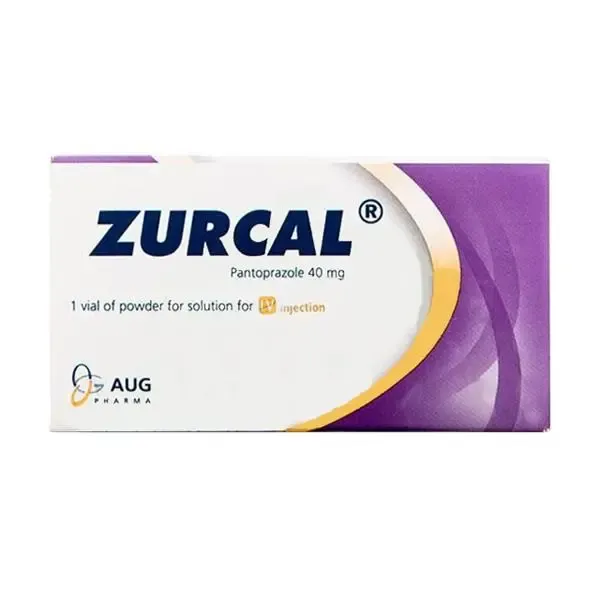
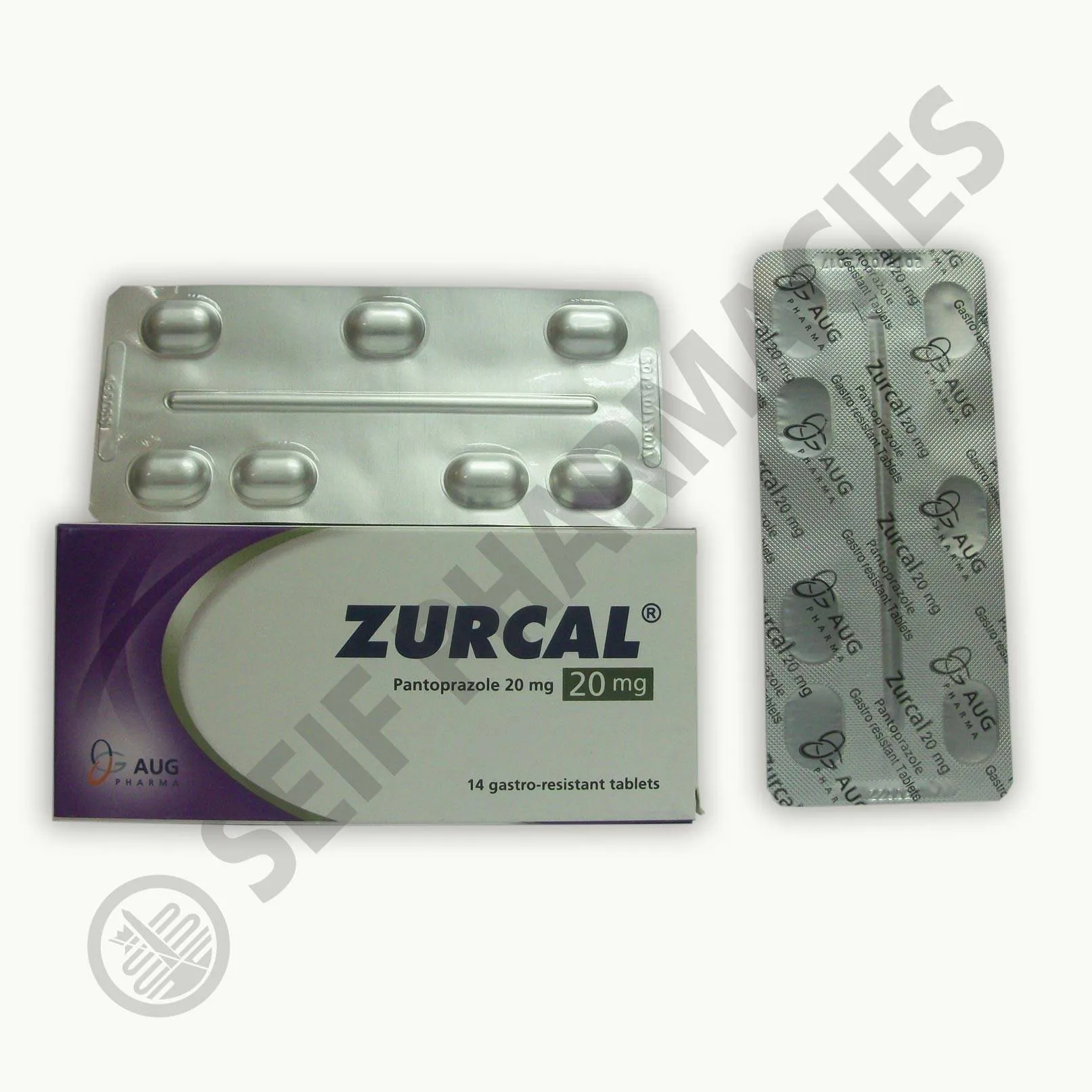
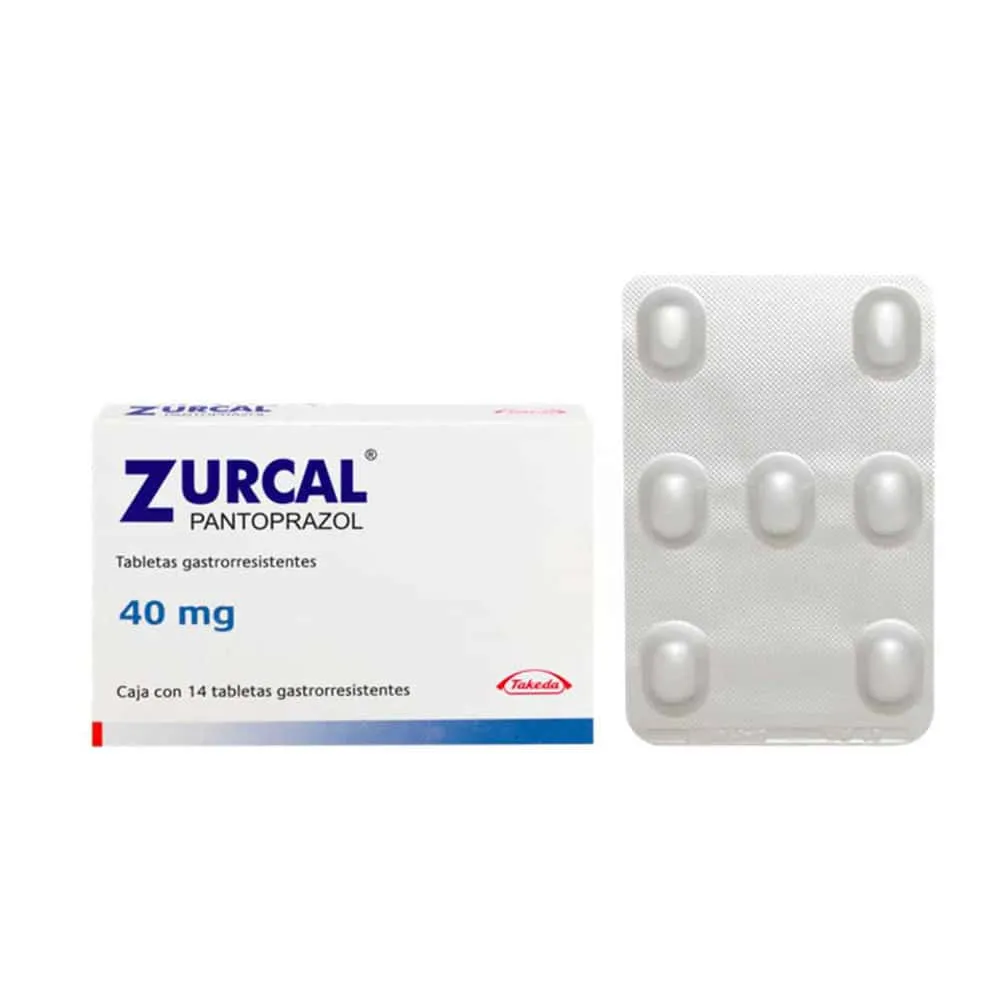

Comprehensive Guide to Zurcal (Pantoprazole Sodium)
In the field of gastroenterology and internal medicine, the management of acid-related disorders remains a cornerstone of patient care. Zurcal, known generically as Pantoprazole, is a potent Proton Pump Inhibitor (PPI) that has become a gold-standard treatment for various gastric acid-related pathologies. This guide provides an exhaustive clinical overview of Zurcal, its pharmacological properties, and its application in modern medical practice.
1. Introduction and Overview
Zurcal is a substituted benzimidazole that acts as a proton pump inhibitor. Unlike H2-receptor antagonists, which merely block one of the pathways for acid secretion, Zurcal irreversibly binds to the H+/K+-ATPase enzyme system in the gastric parietal cells. This action effectively shuts down the final step of gastric acid production, regardless of the stimulus (histamine, gastrin, or acetylcholine).
By suppressing both basal and stimulated acid secretion, Zurcal provides superior healing rates for esophageal and gastric mucosal lesions compared to older classes of anti-secretory agents.
2. Mechanism of Action and Pharmacokinetics
The Proton Pump Inhibition Process
Zurcal is a prodrug. Upon oral or intravenous administration, it reaches the acidic environment of the parietal cell canaliculi. Here, it undergoes a transformation into its active form: a cyclic sulfenamide. This active metabolite forms covalent disulfide bonds with the H+/K+-ATPase enzyme, effectively neutralizing the "proton pump."
Pharmacokinetics Profile
Understanding the metabolic pathway of Zurcal is essential for clinical dosing:
| Parameter | Data |
|---|---|
| Bioavailability | Approximately 77% |
| Protein Binding | ~98% (primarily albumin) |
| Metabolism | Hepatic (via CYP2C19 and CYP3A4) |
| Half-life | ~1 to 2 hours |
| Elimination | Renal (80%), Fecal (20%) |
Because Zurcal is metabolized by the hepatic cytochrome P450 system, clinicians must remain vigilant regarding drug-drug interactions, particularly in patients with impaired liver function.
3. Clinical Indications and Usage
Zurcal is indicated for the treatment of conditions where the suppression of gastric acid is essential for healing or symptom management.
Primary Indications
- Gastroesophageal Reflux Disease (GERD): Treatment of erosive esophagitis and maintenance of healing.
- Peptic Ulcer Disease: Healing of gastric and duodenal ulcers.
- Zollinger-Ellison Syndrome: Management of hypersecretory conditions.
- Prophylaxis: Prevention of stress-induced ulcers in critically ill patients (often via IV administration).
- H. pylori Eradication: Used in combination with antibiotics (e.g., Clarithromycin and Amoxicillin) to treat Helicobacter pylori infections.
Dosage Guidelines
Note: Dosage must be individualized by a physician based on the severity of the condition.
- Erosive Esophagitis: 40 mg once daily for 8 weeks.
- GERD Maintenance: 20 mg to 40 mg once daily.
- Zollinger-Ellison Syndrome: Starting dose is typically 40 mg twice daily, titrated upwards based on acid output measurements.
4. Risks, Side Effects, and Contraindications
While Zurcal is generally well-tolerated, long-term PPI use has been associated with specific clinical risks that warrant monitoring.
Common Side Effects
- Headache
- Diarrhea or Nausea
- Abdominal pain
- Flatulence
Serious Warnings and Precautions
- Clostridioides difficile-associated diarrhea: PPIs may increase the risk of C. difficile infection.
- Bone Fractures: Long-term, high-dose usage may be associated with an increased risk of osteoporosis-related fractures of the hip, wrist, or spine.
- Vitamin B12 Deficiency: Chronic acid suppression can lead to malabsorption of vitamin B12.
- Hypomagnesemia: Symptomatic and asymptomatic hypomagnesemia has been reported in patients treated for at least three months.
- Acute Interstitial Nephritis (AIN): A rare but serious renal complication.
Contraindications
- Hypersensitivity: Known hypersensitivity to Pantoprazole or any component of the formulation.
- Concurrent Rilpivirine: PPIs are contraindicated in patients taking Rilpivirine-containing products due to significantly decreased Rilpivirine concentrations.
5. Drug Interactions and Pregnancy/Lactation
Drug Interactions
- pH-Dependent Absorption: Drugs such as ketoconazole, atazanavir, and iron salts require an acidic environment for absorption. Zurcal may decrease their bioavailability.
- Warfarin: Increased INR and prothrombin time have been reported; monitor patients closely.
- Methotrexate: PPIs may increase methotrexate levels, particularly in high-dose therapy.
Pregnancy and Lactation
- Pregnancy: Category B. Animal studies have not revealed evidence of impaired fertility or harm to the fetus. However, use only if clearly needed.
- Lactation: Pantoprazole is excreted in human milk. A decision must be made whether to discontinue nursing or discontinue the drug, taking into account the importance of the drug to the mother.
6. Overdose Management
There is no specific antidote for Zurcal overdose. In the event of an overdose, treatment should be symptomatic and supportive. Pantoprazole is not removed by hemodialysis. Gastric lavage and charcoal administration may be considered if the ingestion is recent and significant.
7. Frequently Asked Questions (FAQ)
1. Is Zurcal the same as Omeprazole?
No, while both are Proton Pump Inhibitors (PPIs), they are different molecules. Zurcal is Pantoprazole, which is often preferred for its lower potential for drug-drug interactions compared to Omeprazole.
2. When is the best time to take Zurcal?
It is most effective when taken 30 to 60 minutes before the first meal of the day. This allows the medication to peak in the blood as the proton pumps are activated by food.
3. Can I crush or chew Zurcal tablets?
No. Zurcal tablets are enteric-coated to protect the active ingredient from stomach acid. Crushing or chewing them destroys this coating and renders the medication ineffective.
4. How long can I safely stay on Zurcal?
This should be determined by your physician. While short-term use is common, long-term use requires periodic evaluation for potential side effects like bone density issues or vitamin deficiencies.
5. Does Zurcal cause weight gain?
Weight gain is not a recognized side effect of Zurcal. If you experience unexpected weight changes, consult your doctor to rule out other underlying conditions.
6. Can I take Zurcal with other pain medications?
Generally, yes, but if you are taking NSAIDs (like Ibuprofen or Naproxen), Zurcal is often prescribed alongside them to protect the stomach lining from NSAID-induced ulcers.
7. What should I do if I miss a dose?
Take the missed dose as soon as you remember. If it is almost time for your next dose, skip the missed dose. Do not take two doses at once.
8. Does Zurcal interact with alcohol?
Alcohol can irritate the stomach lining and worsen GERD symptoms, potentially counteracting the benefits of Zurcal. It is recommended to limit alcohol consumption.
9. Can Zurcal cause kidney problems?
In rare cases, PPIs have been linked to acute interstitial nephritis. If you notice a change in your urine output or symptoms of kidney distress, seek medical attention.
10. Is a prescription required for Zurcal?
In most jurisdictions, Zurcal is a prescription-only medication. Always follow the specific instructions provided by your healthcare provider.
Disclaimer: This guide is for educational purposes only and does not constitute medical advice, diagnosis, or treatment. Always seek the advice of your physician or other qualified health provider with any questions you may have regarding a medical condition or medication.