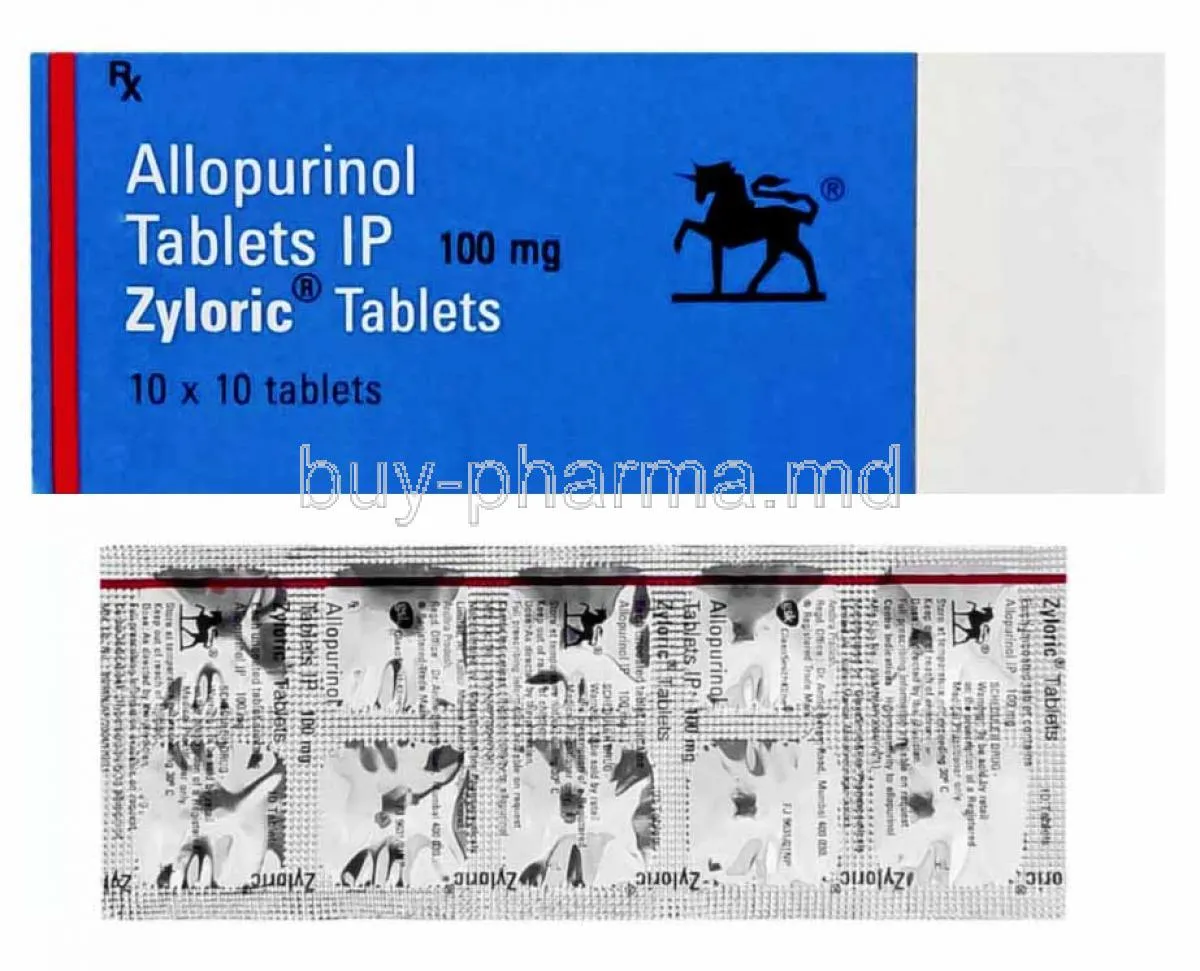
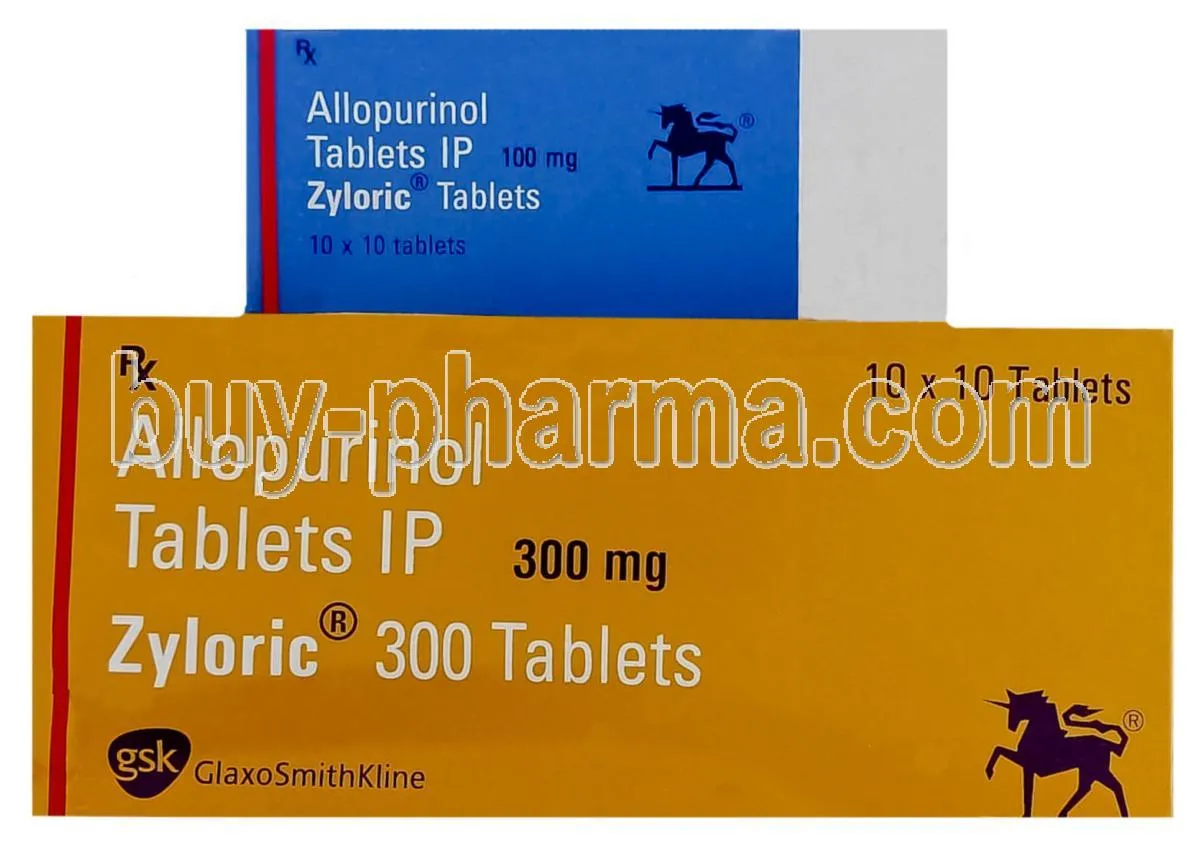
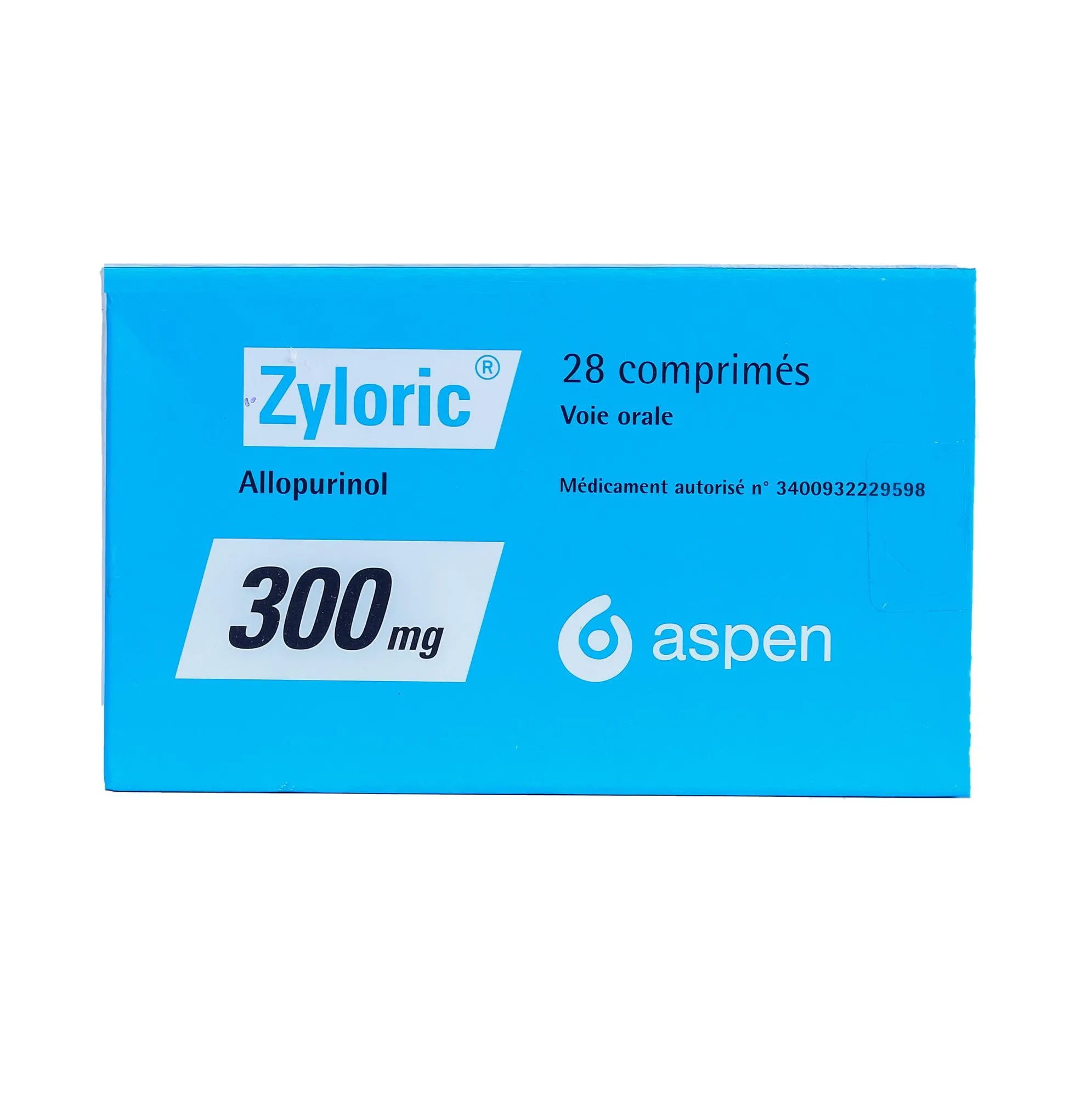

Comprehensive Guide to Zyloric (Allopurinol)
Zyloric, the brand name for the active pharmaceutical ingredient Allopurinol, remains the gold standard in the long-term management of hyperuricemia and chronic gout. As an orthopedic and rheumatological mainstay, this xanthine oxidase inhibitor is essential for patients suffering from recurrent gouty arthritis, uric acid nephrolithiasis, and other metabolic conditions associated with elevated serum uric acid levels.
This guide provides an exhaustive clinical overview of Zyloric, intended for healthcare professionals and patients seeking a deep understanding of its pharmacological profile, safety parameters, and therapeutic applications.
1. Mechanism of Action: The Science of Urate Lowering
To understand Zyloric, one must understand the metabolic pathway of purines. In the human body, purines are metabolized into hypoxanthine and xanthine, which are subsequently converted into uric acid by the enzyme xanthine oxidase.
The Xanthine Oxidase Inhibition
Zyloric works as a structural isomer of hypoxanthine. It acts as a potent inhibitor of xanthine oxidase. By binding to this enzyme, Zyloric prevents the conversion of hypoxanthine and xanthine into uric acid.
- Primary Effect: Significant reduction in both serum and urinary uric acid concentrations.
- Secondary Effect: The accumulation of hypoxanthine and xanthine is pharmacologically benign, as these substances are more soluble than uric acid and are easily excreted by the kidneys.
Pharmacokinetics
Understanding how the body processes Zyloric is vital for dosing safety:
* Absorption: Approximately 80-90% of an oral dose is absorbed from the gastrointestinal tract.
* Metabolism: Zyloric is rapidly metabolized into oxypurinol, which is also an active xanthine oxidase inhibitor. Oxypurinol has a significantly longer half-life (18–30 hours) compared to allopurinol (1–2 hours).
* Excretion: Primarily renal. Because oxypurinol is excreted via the kidneys, dosage adjustments are mandatory in patients with renal impairment to prevent accumulation and potential toxicity.
2. Clinical Indications and Therapeutic Usage
Zyloric is not a treatment for acute gout flares; rather, it is a prophylactic, urate-lowering therapy (ULT).
Primary Indications
| Indication | Clinical Context |
|---|---|
| Chronic Gout | Prevention of recurrent tophaceous and non-tophaceous gouty arthritis. |
| Uric Acid Nephrolithiasis | Prevention of recurrent uric acid kidney stones. |
| Tumor Lysis Syndrome | Management of hyperuricemia in patients receiving chemotherapy for malignancies. |
| Calcium Oxalate Stones | Recurrent stones in patients with hyperuricosuria. |
Dosage Guidelines
Dosage must be titrated based on serum uric acid levels, with the clinical goal of maintaining levels below 6 mg/dL (360 µmol/L).
- Starting Dose: Typically 100 mg daily to minimize the risk of triggering an acute gout flare during the initiation phase.
- Maintenance: The dose is gradually increased (usually every 2-4 weeks) until the target serum uric acid is achieved.
- Maximum Dose: Generally 800 mg/day, though individual tolerance varies.
- Renal Adjustment: If creatinine clearance is <30 mL/min, the dose should be reduced (e.g., 100 mg/day or less, or longer dosing intervals).
3. Risks, Side Effects, and Contraindications
While Zyloric is highly effective, it carries risks that require monitoring, particularly in the first few months of therapy.
Common Side Effects
- Acute Gout Flares: Paradoxical flares often occur when starting therapy due to the mobilization of urate deposits. It is standard practice to prescribe NSAIDs or colchicine concurrently for the first 3–6 months.
- Gastrointestinal: Nausea, vomiting, or diarrhea.
- Dermatological: Mild skin rashes.
Severe Adverse Reactions (The "Allopurinol Hypersensitivity Syndrome")
Though rare, Allopurinol Hypersensitivity Syndrome (AHS) is a life-threatening condition. It is characterized by:
* Severe skin reactions (Stevens-Johnson Syndrome or Toxic Epidermal Necrolysis).
* Eosinophilia and systemic symptoms (fever, hepatitis, interstitial nephritis).
* Risk Factors: Genetic predisposition (HLA-B*5801 allele), particularly in patients of Han Chinese, Thai, or Korean descent. Screening for this allele is recommended in high-risk populations.
Contraindications
- Hypersensitivity: Known history of severe allergic reactions to Allopurinol.
- Acute Gout Attacks: Should not be initiated until the acute inflammatory phase has completely subsided.
4. Drug Interactions and Pregnancy Warnings
Critical Drug Interactions
- Azathioprine / Mercaptopurine: Zyloric inhibits the metabolism of these drugs. If co-administered, the dose of Azathioprine or Mercaptopurine must be reduced by 50–75% to prevent severe bone marrow suppression.
- Warfarin: Allopurinol may increase the anticoagulant effect of warfarin; monitor INR closely.
- Diuretics: Thiazide diuretics may increase serum uric acid levels and decrease the efficacy of Zyloric.
- Ampicillin/Amoxicillin: Increased incidence of skin rashes has been observed when these antibiotics are taken with Zyloric.
Pregnancy and Lactation
- Pregnancy: There is limited data on the safety of Zyloric during pregnancy. It should only be used if the potential benefit outweighs the potential risk to the fetus.
- Lactation: Allopurinol and its active metabolite oxypurinol are excreted in breast milk. Use caution and consult a specialist.
5. Frequently Asked Questions (FAQ)
1. Does Zyloric stop an acute gout attack?
No. Zyloric lowers uric acid over time. Starting it during an active flare may actually prolong or worsen the attack. Continue current acute medications (like colchicine) as prescribed.
2. Why do I have more gout attacks after starting Zyloric?
This is known as "mobilization gout." As your uric acid levels drop, existing crystals in your joints begin to dissolve and move into the bloodstream, triggering an inflammatory response. This is temporary.
3. How long do I need to take Zyloric?
For most patients with chronic gout, Zyloric is a lifelong medication. Stopping the medication usually leads to a return of high uric acid levels and gout recurrence.
4. What should I do if I miss a dose?
Take it as soon as you remember. If it is nearly time for your next dose, skip the missed dose. Do not double up.
5. Does diet matter while taking Zyloric?
Yes. While Zyloric is powerful, maintaining a low-purine diet (avoiding organ meats, high-fructose corn syrup, and excessive alcohol) helps improve therapeutic outcomes.
6. Can I drink alcohol while on Zyloric?
Alcohol, particularly beer, is high in purines and can increase uric acid production, potentially counteracting the effects of Zyloric. Moderate consumption is generally advised against.
7. Is there a genetic test for Zyloric safety?
Yes, the HLA-B*5801 test. It is highly recommended for patients of Asian descent to prevent severe hypersensitivity reactions.
8. How is "overdose" managed?
There is no specific antidote. Management involves gastric lavage, maintaining hydration to ensure excretion, and supportive care for symptoms. If an overdose is suspected, seek emergency medical attention immediately.
9. Does Zyloric affect kidney function?
Zyloric is generally protective of the kidneys by preventing urate nephropathy. However, in patients with pre-existing renal failure, the dose must be strictly monitored to prevent toxic accumulation of oxypurinol.
10. Can I switch from Zyloric to Febuxostat?
Yes, if you experience side effects or inadequate control on Zyloric, your rheumatologist may consider switching you to Febuxostat, another xanthine oxidase inhibitor.
Conclusion
Zyloric (Allopurinol) remains a cornerstone of orthopedic and rheumatological care. By understanding its mechanism, respecting its drug interactions, and ensuring proper titration, patients can effectively manage hyperuricemia and prevent the debilitating effects of chronic gout. Always consult with your primary care physician or rheumatologist before adjusting your medication regimen.
Disclaimer: This guide is for educational purposes only and does not constitute professional medical advice. Always seek the advice of your physician or other qualified health provider with any questions regarding a medical condition or medication.