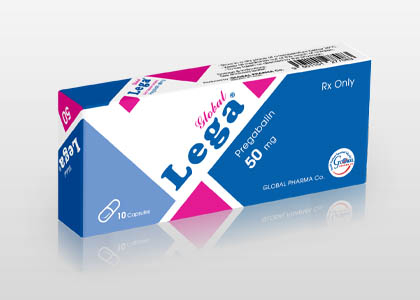
Clinical Assessment & Protocol
Typical Presentation (HPI)
EN: Patient complains of persistent tingling and burning sensations in the hands and feet. AR: يشكو المريض من وخز مستمر وإحساس بالحرقان في اليدين والقدمين.
General Examination
EN: Unremarkable or not routinely indicated. AR: طبيعي أو غير مطلوب روتينياً.
Treatment Protocol
EN: Tricyclic antidepressants for neuropathic symptoms and stress reduction. AR: مضادات الاكتئاب ثلاثية الحلقات للأعراض العصبية وتقليل التوتر.
Patient Education
EN: AR:
Systemic & Specialized Examinations
EN: S1, S2 present. No murmurs. AR: صوتا القلب الأول والثاني طبيعيان. لا توجد نفخات.
EN: Lungs clear to auscultation. AR: الرئتان صافيتان عند التسمع.
EN: Abdomen soft, non-tender. AR: البطن لين ولا يوجد ألم.
EN: Alert, oriented x3. No focal deficits. AR: المريض واعي ومدرك. لا يوجد عجز عصبي بؤري.
EN: Unremarkable or not routinely indicated. AR: طبيعي أو غير مطلوب روتينياً.
EN: Sensory testing shows hypersensitivity in distal dermatomes without motor deficit. AR: يظهر اختبار الحس فرط حساسية في القطاعات الجلدية البعيدة دون قصور حركي.
EN: Unremarkable or not routinely indicated. AR: طبيعي أو غير مطلوب روتينياً.
EN: Unremarkable or not routinely indicated. AR: طبيعي أو غير مطلوب روتينياً.
EN: Unremarkable or not routinely indicated. AR: طبيعي أو غير مطلوب روتينياً.
Comprehensive Clinical Guide: Acrodysesthesia
1. Introduction & Overview
Acrodysesthesia is a complex, multifaceted clinical syndrome characterized by persistent, abnormal, and often painful sensory disturbances localized to the distal extremities—specifically the hands and feet. Derived from the Greek akron (extremity) and dysthesia (abnormal sensation), the condition represents a diagnostic challenge in neurology, orthopedics, and rheumatology.
Unlike simple paresthesia, which is often transient, acrodysesthesia involves a chronic or recurrent alteration in sensory perception, frequently accompanied by vasomotor disturbances. Patients typically describe sensations ranging from burning, tingling, and "pins and needles" to profound numbness, hyperesthesia, or cold-induced hypersensitivity. Because it is a symptomatic diagnosis rather than a distinct disease entity, it often acts as a harbinger for underlying systemic, metabolic, or neurological pathology.
2. Technical Specifications & Pathophysiology
The pathophysiology of acrodysesthesia is rooted in the disruption of distal sensory nerve signaling and microvascular autoregulation. The phenomenon generally arises from one of three primary mechanisms:
A. Neuropathic Mechanism
The distal sensory afferents (A-delta and C-fibers) undergo morphological or functional degradation. This often involves Wallerian degeneration or the demyelination of peripheral nerve endings, leading to aberrant spontaneous firing of nociceptors.
B. Vasomotor/Microvascular Mechanism
Dysregulation of the autonomic control of peripheral arterioles can lead to localized ischemia or reperfusion injury. When the sympathetic tone is disrupted, the resulting vasospasm or prolonged vasodilation can compress sensory nerves or alter the chemical environment (pH and oxygen tension) surrounding the nerve endings.
C. Metabolic/Endocrine Mechanism
Accumulation of metabolic byproducts (e.g., advanced glycation end-products in diabetes) or deficiencies in neurotrophic factors can alter the threshold for neuronal depolarization, leading to the hallmark "dysesthesia" seen in distal extremities.
| Mechanism | Primary Physiological Impact | Clinical Manifestation |
|---|---|---|
| Axonal Degeneration | Loss of distal sensory conduction | Numbness, loss of proprioception |
| Sympathetic Dysautonomia | Inappropriate vasoconstriction | Cold intolerance, cyanosis |
| Inflammatory Infiltration | Sensitization of nociceptors | Burning pain, hyperalgesia |
3. Clinical Indications & Usage
Acrodysesthesia is not a condition that is "used," but rather a state that is "indicated" through physical examination and patient history. Clinicians should monitor for the following markers:
Diagnostic Criteria
- Symmetry: Bilateral involvement of hands or feet is more indicative of systemic disease; unilateral involvement suggests focal compression or trauma.
- Temporal Pattern: Does it worsen at night? (Suggests nerve compression or metabolic flux). Does it worsen with cold? (Suggests vasomotor involvement).
- Triggering Factors: Evaluation of vibration, pressure, or thermal stimulus.
Staging/Grading Scale
Clinical progression is often categorized to determine the urgency of intervention:
- Grade 1 (Mild): Intermittent paresthesia, no loss of function, normal sensory threshold on monofilament testing.
- Grade 2 (Moderate): Constant tingling, mild hyperalgesia, detectable reduction in tactile discrimination.
- Grade 3 (Severe): Persistent burning pain, significant sensory loss, visible vasomotor changes (edema, color shifts), potential for early trophic skin changes.
- Grade 4 (Advanced): Chronic pain syndrome, muscle atrophy, ulceration, or autonomic failure.
4. Differential Diagnosis
Distinguishing acrodysesthesia from other neurological conditions is critical for effective management.
- Peripheral Neuropathy (Diabetic/Alcoholic): Typically presents with a "stocking-glove" distribution.
- Raynaud’s Phenomenon: Characterized by episodic vasospasm triggered by cold/stress, usually with distinct color changes (white-blue-red).
- Erythromelalgia: A rare condition characterized by burning pain, redness, and increased temperature of the extremities.
- Complex Regional Pain Syndrome (CRPS): Usually follows trauma and includes autonomic/trophic changes far exceeding the initial injury.
- Thoracic Outlet Syndrome (TOS): Compression of the brachial plexus resulting in distal sensory symptoms.
5. Key Diagnostic Tests
To achieve an accurate diagnosis, a structured diagnostic workup is required:
- Nerve Conduction Studies (NCS) & Electromyography (EMG): To identify demyelinating vs. axonal loss.
- Laboratory Panel:
- HbA1c (Diabetes)
- Vitamin B12, Folate, and Methylmalonic Acid (Nutritional deficiency)
- TSH (Thyroid dysfunction)
- ANA/RF/ESR (Autoimmune/Inflammatory markers)
- Vascular Studies: Doppler ultrasound to assess distal limb perfusion.
- Skin Biopsy: Epidermal nerve fiber density (ENFD) testing to confirm small-fiber neuropathy.
6. Risks, Side Effects, and Contraindications
Risks of Untreated Acrodysesthesia
- Trophic Ulceration: Due to lack of sensory feedback, patients may not notice micro-trauma leading to infection.
- Chronic Pain Syndrome: Central sensitization can lead to irreversible pain pathways.
- Falls/Instability: Loss of proprioception in the feet increases fall risk.
Contraindications for Management
- Vasoconstrictors: Contraindicated in patients where acrodysesthesia is linked to vasomotor insufficiency (e.g., Raynaud’s).
- High-Dose NSAIDs: Should be avoided in patients with renal impairment or those with acrodysesthesia secondary to chronic systemic inflammation without monitoring.
7. Prognosis and Long-Term Management
The prognosis for acrodysesthesia is highly dependent on the underlying etiology.
* Reversible Causes: (e.g., B12 deficiency, thyroid issues) often show significant recovery with appropriate supplementation or metabolic control.
* Progressive Causes: (e.g., Idiopathic neuropathy, MS) require symptom-based management including gabapentinoids, tricyclic antidepressants, and specialized physical therapy.
Management focuses on:
* Glycemic Control: Maintaining tight glucose levels for diabetic patients.
* Nerve Health: Supplementation with Alpha-Lipoic Acid or Acetyl-L-Carnitine.
* Physical Therapy: Desensitization techniques and gait training.
8. Frequently Asked Questions (FAQ)
Q1: Is acrodysesthesia a disease or a symptom?
A: It is a clinical symptom complex. It serves as a sign that the distal sensory nerves or their vascular supply are being compromised.
Q2: Can stress cause acrodysesthesia?
A: Stress can exacerbate the symptoms by altering autonomic nervous system tone, which may worsen vasomotor-based dysesthesia.
Q3: Is it permanent?
A: Not necessarily. If the underlying cause (e.g., vitamin deficiency, nerve compression) is addressed early, symptoms can resolve. Long-standing nerve damage, however, may be permanent.
Q4: What is the first step if I suspect I have this?
A: Consult a neurologist or an orthopedic specialist for a thorough physical examination and sensory mapping.
Q5: Does diet affect acrodysesthesia?
A: Yes, particularly for those with metabolic causes. High-sugar diets can worsen diabetic neuropathy, while deficiencies in B-vitamins can directly cause nerve dysfunction.
Q6: What is the difference between acrodysesthesia and erythromelalgia?
A: Erythromelalgia is a specific condition characterized by redness and burning heat. Acrodysesthesia is a broader term encompassing various types of abnormal sensations, including coldness and numbness.
Q7: Can surgery help?
A: If the acrodysesthesia is caused by nerve entrapment (e.g., Carpal Tunnel Syndrome or Tarsal Tunnel Syndrome), surgical decompression is often the primary and most effective treatment.
Q8: Are there non-medical ways to manage the pain?
A: Yes, techniques such as graded motor imagery, desensitization therapy, and in some cases, mild compressive garments can help modulate sensory input.
Q9: How common is this condition?
A: While "acrodysesthesia" as a term is less common in clinical literature than "peripheral neuropathy," the symptoms are extremely common, particularly in aging populations and those with metabolic syndrome.
Q10: Should I use heat or cold for relief?
A: This depends on the cause. If the cause is vasomotor (like Raynaud's), heat is usually helpful. If the cause is inflammatory or neuropathic, extreme heat can actually aggravate the burning sensation. Always consult a physician before applying thermal therapy to neuropathic limbs.
9. Conclusion
Acrodysesthesia serves as a critical clinical indicator requiring a systematic, evidence-based approach. By moving beyond symptomatic relief and focusing on the underlying pathophysiology—whether metabolic, mechanical, or vascular—clinicians can significantly improve patient outcomes. Early detection through nerve conduction studies and comprehensive blood panels remains the gold standard for navigating this complex clinical landscape. As our understanding of small-fiber neuropathies and autonomic regulation evolves, so too will our ability to manage the persistent discomfort associated with this challenging diagnosis.