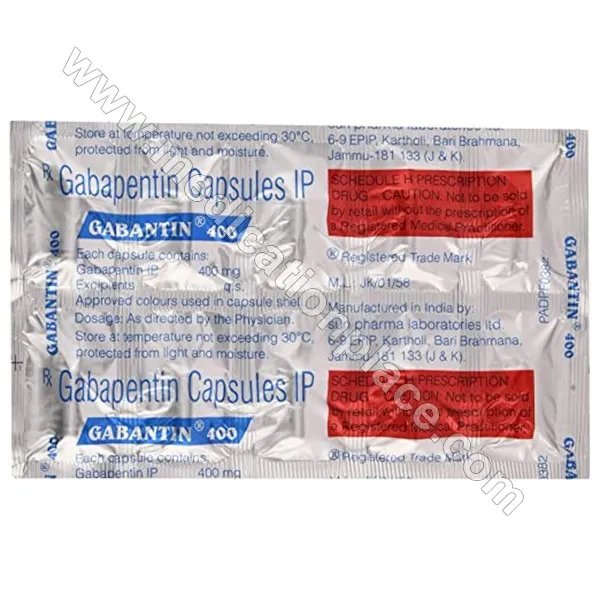

Introduction to Gabantin (Gabapentin)
Gabantin is a brand name for the pharmaceutical compound Gabapentin, a medication primarily classified as an anticonvulsant and an analgesic. Since its approval, it has become a cornerstone therapy in neurology and pain management. Unlike traditional pain relievers that target inflammation or prostaglandin synthesis, Gabantin addresses the electrical signaling of the nervous system.
It is widely prescribed for the management of neuropathic pain—a form of chronic pain caused by damaged or dysfunctional nerves—and as an adjunctive treatment for partial seizures in patients with epilepsy. Understanding the nuances of this medication is critical for both clinicians and patients to maximize therapeutic efficacy while minimizing adverse events.
Mechanism of Action: How Gabantin Works
The pharmacological profile of Gabantin is unique among anti-epileptic drugs (AEDs). While its chemical structure resembles the inhibitory neurotransmitter gamma-aminobutyric acid (GABA), it does not bind to GABA receptors, nor does it inhibit GABA uptake or degradation.
The Alpha-2-Delta Ligand Effect
The primary mechanism of action involves binding to the alpha-2-delta (α2δ) subunit of voltage-gated calcium channels in the central nervous system. By binding to these subunits, Gabantin modulates the influx of calcium into neurons. This modulation reduces the excessive release of excitatory neurotransmitters (such as glutamate, norepinephrine, and substance P) that are responsible for hyper-excitability in damaged nerves.
| Feature | Mechanism Detail |
|---|---|
| Primary Target | Alpha-2-Delta subunit of voltage-gated Ca2+ channels |
| Neurotransmitter Impact | Decreased release of glutamate and norepinephrine |
| GABA Interaction | Does not bind directly to GABA receptors |
| Effect on Pain | Reduces central sensitization and nerve hyperexcitability |
Pharmacokinetics
Understanding how the body processes Gabantin is essential for dose titration, especially in patients with renal impairment.
- Absorption: Gabantin is absorbed via a saturable L-amino acid transport system in the small intestine. Because this transporter has a finite capacity, the bioavailability of Gabantin decreases as the oral dose increases.
- Distribution: It is not significantly plasma-protein bound (<3%) and has a volume of distribution of approximately 58 liters.
- Metabolism: Gabantin is not metabolized by the liver. It does not induce or inhibit hepatic enzymes (CYP450).
- Elimination: It is excreted entirely unchanged by the kidneys. The elimination half-life is typically 5 to 7 hours in patients with normal renal function.
Clinical Indications and Usage
Gabantin is indicated for specific neurological and pain-related conditions. It is important to note that it is often used "off-label" for various other conditions, though evidence varies.
FDA-Approved Indications
- Postherpetic Neuralgia (PHN): Management of pain following an outbreak of shingles.
- Epilepsy: Adjunctive therapy in the treatment of partial-onset seizures in adults and pediatric patients (3 years and older).
Common Off-Label Uses
- Diabetic Neuropathy: Managing the burning, stabbing pain associated with nerve damage in diabetes.
- Restless Legs Syndrome (RLS): Providing relief for involuntary limb movements during sleep.
- Fibromyalgia: Used to manage widespread musculoskeletal pain.
- Anxiety Disorders: Sometimes used for social anxiety or generalized anxiety, though it is not a first-line treatment.
Dosage Guidelines
Dosage must be individualized based on the patient's renal function and clinical response.
Typical Titration Schedule for Neuropathic Pain
- Day 1: 300 mg once daily.
- Day 2: 300 mg twice daily.
- Day 3: 300 mg three times daily.
- Maintenance: Can be titrated up to 1800 mg/day (600 mg TID). In some cases, doses up to 3600 mg/day are used, but efficacy gains often plateau.
Renal Adjustment Table
Since Gabantin is cleared renally, patients with chronic kidney disease require dose adjustments:
| Creatinine Clearance (mL/min) | Recommended Daily Dose |
|---|---|
| > 60 | 900–3600 mg/day |
| 30–60 | 400–1400 mg/day |
| 15–30 | 200–700 mg/day |
| < 15 | 100–300 mg/day |
Contraindications and Safety Warnings
Contraindications
- Hypersensitivity: Known allergy to Gabapentin or any component of the formulation.
Essential Warnings
- Respiratory Depression: Gabantin can cause serious breathing difficulties, especially when combined with opioids or other CNS depressants.
- Suicidal Ideation: Like most AEDs, there is a small increased risk of suicidal thoughts or behavior. Patients must be monitored for mood changes.
- Withdrawal Symptoms: Abrupt discontinuation can lead to status epilepticus or withdrawal symptoms (anxiety, insomnia, nausea). Always taper the dose over at least one week.
- Dizziness and Somnolence: These are the most common side effects and can impair the ability to drive or operate heavy machinery.
Pregnancy and Lactation
- Pregnancy: Gabantin is classified as Pregnancy Category C. It should only be used if the potential benefit outweighs the potential risk to the fetus. Exposure to AEDs in utero has been associated with a potential increase in congenital malformations.
- Lactation: Gabantin is excreted in human breast milk. While the clinical significance is unknown, caution is advised when administering to breastfeeding mothers.
Drug Interactions
Gabantin has a favorable interaction profile compared to other anticonvulsants because it is not metabolized by the liver. However, caution is required with:
* Antacids: Aluminum and magnesium-based antacids may reduce the absorption of Gabantin. It should be taken at least 2 hours after an antacid.
* Opioids: Morphine and other opioids can increase the bioavailability of Gabantin and exacerbate CNS depression.
* CNS Depressants: Alcohol, benzodiazepines, and sedatives may increase the sedative effects of the medication.
Overdose Management
Symptoms of an overdose may include dizziness, double vision, slurred speech, drowsiness, lethargy, and diarrhea.
- Supportive Care: There is no specific antidote for Gabantin. Treatment is primarily supportive.
- Gastric Decontamination: If the ingestion is recent, activated charcoal may be considered.
- Hemodialysis: Because Gabantin is removed by hemodialysis, this may be considered in patients with severe renal failure or massive overdose.
Frequently Asked Questions (FAQ)
1. How long does it take for Gabantin to start working?
For nerve pain, it may take 2 to 4 weeks of consistent dosing to see significant relief. For seizures, it is effective as soon as therapeutic blood levels are reached, but titrating up slowly is necessary.
2. Can I stop taking Gabantin suddenly?
No. Stopping abruptly can cause withdrawal symptoms or "rebound" seizures. Always follow a physician-prescribed tapering schedule.
3. Does Gabantin cause weight gain?
Yes, weight gain is a documented side effect in some patients, likely due to increased appetite or fluid retention.
4. Is Gabantin an opioid?
No. Gabantin is not an opioid, nor is it a controlled substance in many jurisdictions (though this varies by region). It does not produce the same type of "high" as narcotics.
5. Can I drink alcohol while on Gabantin?
It is generally advised to avoid or strictly limit alcohol, as it significantly increases the risk of drowsiness, dizziness, and respiratory depression.
6. What should I do if I miss a dose?
Take the missed dose as soon as you remember. If it is almost time for your next dose, skip the missed dose. Do not take two doses at once.
7. Does Gabantin interact with common pain relievers like Ibuprofen?
There are no significant pharmacokinetic interactions between Gabantin and NSAIDs like Ibuprofen or Naproxen.
8. Will Gabantin show up on a drug test?
Standard urine drug screens typically do not test for Gabantin. However, specialized toxicology screens can detect it.
9. Why is my doctor prescribing Gabantin for nerve pain instead of a regular painkiller?
Traditional painkillers (like NSAIDs or Tylenol) act on inflammatory pathways. Neuropathic pain is caused by the nerves themselves being "overactive." Gabantin targets the electrical signals of the nerves, making it more effective for this specific type of pain.
10. Can children take Gabantin?
Yes, it is FDA-approved as an adjunctive treatment for epilepsy in children aged 3 years and older. Dosage is weight-based.
Disclaimer: This guide is for informational purposes only and does not constitute medical advice. Always consult with a licensed healthcare professional or pharmacist before starting, stopping, or changing any medication regimen.