Clinical Assessment & Protocol
Typical Presentation (HPI)
EN: Progressive aortic valve stiffening and dark urine history. AR: تصلب متزايد في الصمام الأبهري وتاريخ مرضي للبول الداكن.
General Examination
EN: Unremarkable or not routinely indicated. AR: طبيعي أو غير مطلوب روتينياً.
Treatment Protocol
EN: Aortic valve replacement and dietary restriction of phenylalanine. AR: استبدال الصمام الأبهري وتقييد غذائي للفينيل ألانين.
Patient Education
EN: Long-term metabolic management to prevent further valve damage. AR: إدارة استقلابية طويلة الأمد لمنع المزيد من تلف الصمامات.
Systemic & Specialized Examinations
EN: Ochronotic skin pigmentation and systolic ejection murmur. AR: تصبغ جلدي مغري ولغط قذفي انقباضي.
EN: Lungs clear to auscultation. AR: الرئتان صافيتان عند التسمع.
EN: Abdomen soft, non-tender. AR: البطن لين ولا يوجد ألم.
EN: Alert, oriented x3. No focal deficits. AR: المريض واعي ومدرك. لا يوجد عجز عصبي بؤري.
EN: Unremarkable or not routinely indicated. AR: طبيعي أو غير مطلوب روتينياً.
EN: Unremarkable or not routinely indicated. AR: طبيعي أو غير مطلوب روتينياً.
EN: Unremarkable or not routinely indicated. AR: طبيعي أو غير مطلوب روتينياً.
EN: Unremarkable or not routinely indicated. AR: طبيعي أو غير مطلوب روتينياً.
EN: Unremarkable or not routinely indicated. AR: طبيعي أو غير مطلوب روتينياً.
1. Comprehensive Introduction & Overview
Alkaptonuria (AKU), historically known as "black urine disease," is a rare, autosomal recessive metabolic disorder characterized by the deficiency of the enzyme homogentisate 1,2-dioxygenase (HGD). This enzymatic failure leads to the accumulation of homogentisic acid (HGA) within the body. While the classical clinical presentation involves ochronosis (pigmentation of connective tissues) and severe early-onset arthropathy, one of the most critical and life-threatening systemic manifestations is the development of valvular calcification, particularly affecting the aortic and mitral valves.
Alkaptonuria with valvular calcification represents a multisystem failure where systemic HGA deposition acts as a pro-calcific agent. The oxidation and polymerization of HGA into pigment polymers—resembling melanin—deposit in the collagenous matrices of heart valves, leading to stiffness, stenosis, and eventual heart failure. This guide serves as a clinical reference for orthopedic specialists, cardiologists, and geneticists managing the long-term sequelae of this metabolic error.
2. Deep-Dive: Technical Specifications and Mechanisms
Etiology and Genetics
AKU is caused by mutations in the HGD gene located on chromosome 3q13.33. The absence of functional HGD enzyme prevents the breakdown of tyrosine and phenylalanine, resulting in a systemic buildup of HGA.
Pathophysiology of Valvular Calcification
The progression from metabolic defect to cardiac pathology follows a distinct molecular pathway:
- HGA Accumulation: Plasma levels of HGA rise significantly, exceeding the renal threshold.
- Oxidation: HGA is oxidized into benzoquinone acetic acid (BQA).
- Polymerization: BQA polymerizes into dark, ochronotic pigment.
- Connective Tissue Deposition: The pigment binds to collagen fibers in the cardiac valves.
- Calcification Cascade: The ochronotic pigment alters the mechanical properties of the valve, inducing an inflammatory response. This inflammation recruits osteoblast-like cells to the valve leaflets, resulting in dystrophic calcification.
| Stage | Metabolic Marker | Cardiac Involvement |
|---|---|---|
| Early | Elevated Urinary HGA | Minimal; asymptomatic |
| Intermediate | Ochronosis (Sclera/Ears) | Mild valvular thickening |
| Advanced | Systemic Pigmentation | Aortic/Mitral Stenosis; Calcification |
| Terminal | Severe Arthropathy | Heart Failure; Valve Replacement |
3. Extensive Clinical Indications & Usage
Standard Clinical Presentation
Patients often present in their 40s or 50s with a history of dark urine and joint stiffness. Cardiac symptoms are often masked by musculoskeletal complaints until they reach a threshold of severity.
- Cardiac Symptoms: Dyspnea on exertion, angina pectoris, syncope, and heart murmurs (typically ejection systolic).
- Musculoskeletal Symptoms: Early-onset spondylosis, ochronotic arthropathy of the knees and hips, and tendon ruptures.
- Dermatological Symptoms: Bluish-black discoloration of the ears, nose, and sclera.
Diagnostic Workup
A high index of suspicion is required for patients with known AKU or unexplained early-onset valvular calcification.
- Urinalysis: Ferric chloride test (turns blue/black) or alkali exposure.
- Biochemical Assay: Quantitative gas chromatography-mass spectrometry (GC-MS) for HGA in 24-hour urine collection.
- Echocardiography: Gold standard for assessing valvular calcification. Look for increased echogenicity of valve leaflets and commissural fusion.
- Cardiac CT: Highly sensitive for quantifying the extent of calcium score in the aortic valve and mitral annulus.
- Genetic Testing: Sequencing of the HGD gene to confirm the diagnosis.
4. Risks, Side Effects, and Contraindications
Risks of Untreated AKU-Associated Valvular Disease
- Severe Aortic Stenosis: Leading to sudden cardiac death or refractory heart failure.
- Conduction Abnormalities: Pigment deposition in the conduction system can lead to heart block.
- Surgical Risks: Calcified valves in AKU patients are notoriously brittle. Valve replacement surgery carries a higher risk of perivalvular leaks due to the poor quality of the surrounding ochronotic annulus.
Clinical Contraindications
- High-Protein Diets: Should be avoided, as tyrosine and phenylalanine intake directly increases HGA production.
- Certain NSAIDs: Long-term use in AKU patients with cardiac involvement must be monitored due to the potential for renal impairment, which could further exacerbate HGA retention.
- Nitisinone Caution: While nitisinone is the primary treatment for AKU (inhibiting 4-hydroxyphenylpyruvate dioxygenase), its long-term impact on existing valvular calcification is still being studied. It is not a "cure" for existing calcified valves.
5. Massive FAQ Section
Q1: What is the primary cause of valvular death in AKU patients?
A1: The primary cause is severe aortic stenosis resulting from progressive calcification and thickening of the valve leaflets.
Q2: Can valvular calcification be reversed?
A2: No. Once ochronotic pigment has induced calcification, the process is largely irreversible. Management is focused on slowing progression and surgical intervention.
Q3: Is heart valve replacement successful in AKU patients?
A3: Yes, but it is technically challenging. Surgeons must account for the fragile, "blackened" tissues of the heart, which may require specialized suturing techniques.
Q4: At what age should cardiac screening begin for AKU patients?
A4: Baseline echocardiography is recommended by age 30, with follow-up scans every 2–3 years, or sooner if symptoms arise.
Q5: Does Nitisinone prevent valvular calcification?
A5: Nitisinone significantly reduces HGA levels. Early initiation is believed to slow the progression of systemic ochronosis, though evidence for reversing existing valvular calcification is limited.
Q6: Why is the urine black in these patients?
A6: The urine is initially normal but turns black upon exposure to air due to the oxidation of HGA into benzoquinone acetic acid.
Q7: Are there specific dietary restrictions?
A7: Yes, a low-protein diet is often recommended to reduce the substrate (tyrosine/phenylalanine) for HGA production.
Q8: What is the prognosis for a patient with Alkaptonuria?
A8: AKU is not typically fatal, but morbidity is high. Prognosis depends heavily on the management of cardiac and arthritic complications.
Q9: How common is cardiac involvement in AKU?
A9: It is a hallmark of the disease in older patients. Studies suggest that over 50% of patients over age 50 will show some form of valvular thickening or calcification.
Q10: Can genetic counseling help?
A10: Absolutely. Since AKU is autosomal recessive, siblings of an affected individual have a 25% chance of being affected and a 50% chance of being a carrier.
6. Long-Term Prognosis and Management Strategies
The management of Alkaptonuria with valvular calcification requires a multidisciplinary approach involving:
- The Metabolic Specialist: To manage nitisinone therapy and dietary compliance.
- The Cardiologist: To monitor valvular gradients, left ventricular function, and rhythm disturbances.
- The Orthopedic Surgeon: To manage the inevitable ochronotic arthropathy.
Clinical Strategy Table
| Goal | Intervention | Frequency |
|---|---|---|
| Metabolic Control | Nitisinone (1-2mg daily) | Daily |
| Cardiac Monitoring | Transthoracic Echo | Bi-annual |
| Surgical Evaluation | Valve Replacement (AVR/MVR) | As clinically indicated |
| Physical Therapy | Range of motion/joint preservation | Ongoing |
Conclusion
Alkaptonuria is far more than a "joint disease." The systemic deposition of ochronotic pigment represents a significant risk to cardiovascular health. By integrating early biochemical screening, proactive cardiac imaging, and modern pharmacological therapies like Nitisinone, clinicians can significantly improve the quality of life and longevity of patients afflicted with this rare condition. The key to successful management lies in recognizing that cardiac valvular calcification is an expected, rather than incidental, feature of advanced Alkaptonuria.
Related Clinical Integration
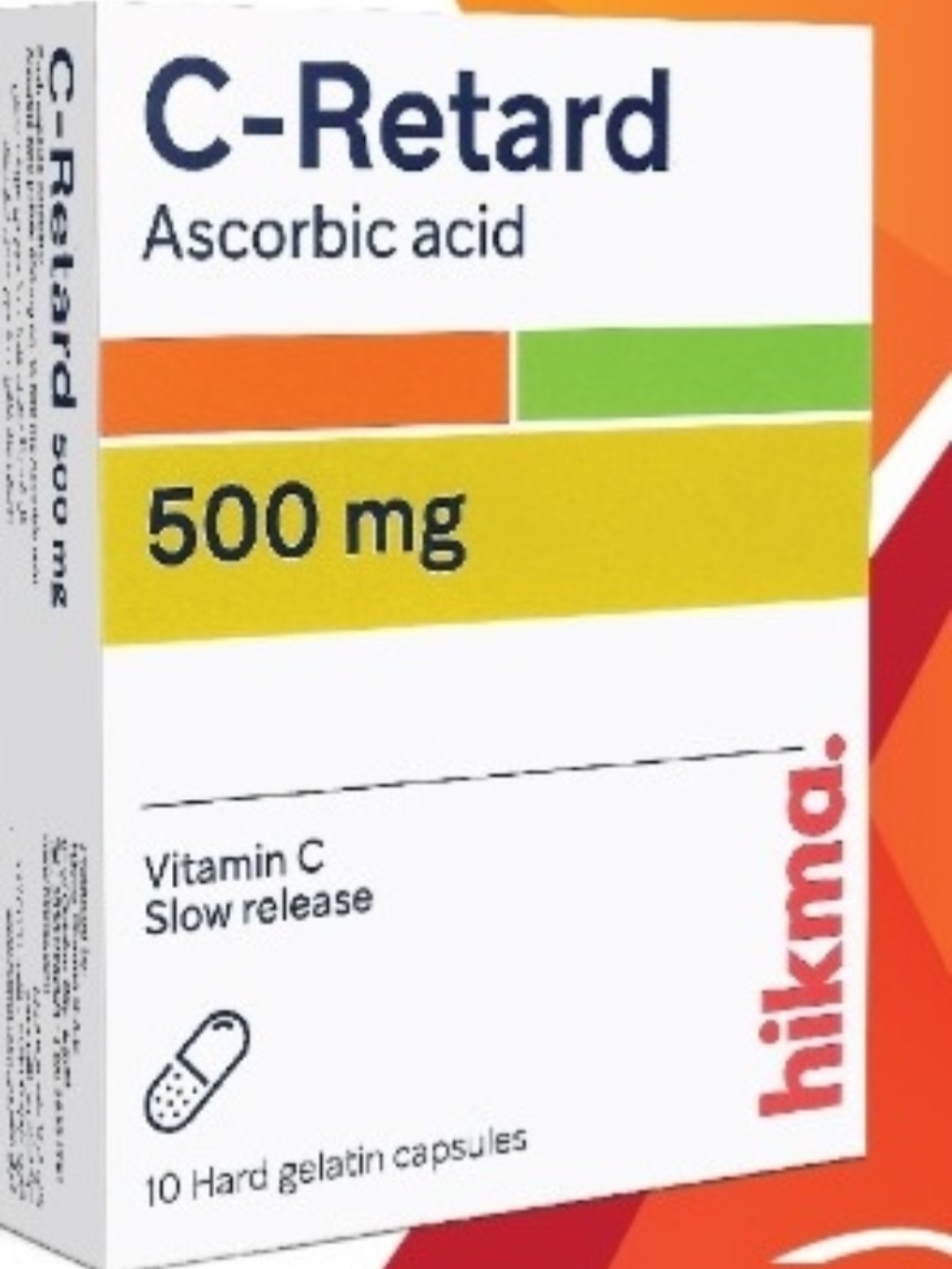
In the management of Alkaptonuria with Valvular Calcification, clinical intervention focuses on both systemic stabilization and the surgical correction of ochronotic valvular damage. While high-dose C-Retard / سي-ريتارد 500mg is often utilized as an adjunctive therapy to mitigate oxidative stress and slow the progression of homogentisic acid deposition, patients presenting with severe hemodynamic compromise typically require definitive surgical management. In such cases, an Aortic Valve Replacement - Bioprosthetic / استبدال الصمام الأبهري - صمام حيوي صناعي (عملية كبرى في غرف العمليات) is the gold-standard procedure to address the calcified, rigid valve leaflets characteristic of the disease. During this complex cardiothoracic procedure, specialized equipment such as the Sternal Saw (Battery-Powered) / منشار القص (يعمل بالبطارية) is essential for a precise median sternotomy, ensuring optimal surgical access and patient safety throughout the operative course.