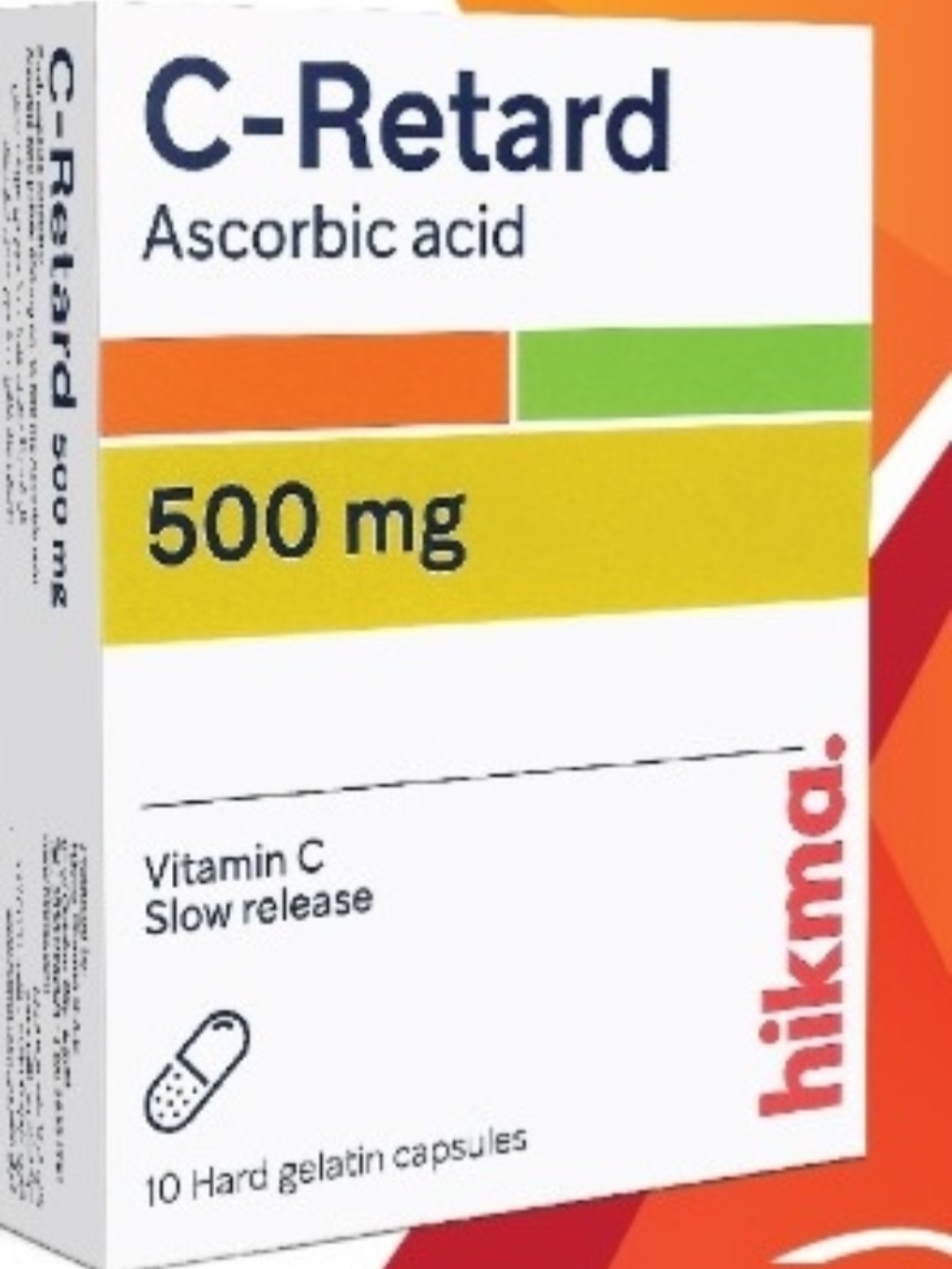
Comprehensive Guide to C-Retard: Clinical Pharmacology and Therapeutic Applications
C-Retard represents a specialized pharmaceutical formulation of Ascorbic Acid (Vitamin C), engineered with a sustained-release (retard) delivery mechanism. Unlike conventional Vitamin C tablets that result in a rapid "peak and trough" plasma concentration curve, C-Retard is designed to provide a steady, prolonged release of the active ingredient into the gastrointestinal tract. This optimization minimizes the rapid renal excretion typically associated with high-dose aqueous Vitamin C, thereby enhancing bioavailability and therapeutic efficacy.
This guide serves as a clinical reference for healthcare providers and patients seeking a deep understanding of the pharmacological profile, indications, and safety parameters of C-Retard.
1. Mechanism of Action and Pharmacokinetics
Pharmacodynamics
Ascorbic acid acts as a vital cofactor for several enzymes involved in collagen biosynthesis, carnitine metabolism, and neurotransmitter synthesis. It functions primarily as a potent antioxidant, protecting cells from reactive oxygen species (ROS) and facilitating the reduction of ferric iron to ferrous iron, which enhances intestinal iron absorption.
The "Retard" Mechanism
The sustained-release matrix of C-Retard utilizes a specialized polymer coating or hydrophobic lipid-based delivery system. This allows the tablet to release ascorbic acid gradually over 8 to 12 hours. This mechanism is critical because:
* Reduced Urinary Excretion: High doses of conventional Vitamin C often exceed the renal threshold, leading to rapid excretion.
* Enhanced Tissue Saturation: By maintaining steady plasma levels, C-Retard ensures that tissues requiring high concentrations of Vitamin C (such as the adrenal glands, leukocytes, and connective tissue) remain saturated.
Pharmacokinetics
- Absorption: Sustained-release ensures absorption occurs throughout the small intestine, bypassing the limited capacity of the sodium-dependent vitamin C transporters (SVCT1) in the proximal duodenum.
- Distribution: Highly distributed in metabolically active tissues.
- Metabolism: Partially metabolized to dehydroascorbate and subsequently to oxalate.
- Elimination: Primarily renal, with the rate of excretion being more controlled compared to immediate-release formulations.
2. Clinical Indications and Usage
C-Retard is indicated for the prevention and treatment of Vitamin C deficiency (scurvy) and in clinical scenarios where increased metabolic demand for ascorbic acid is present.
Primary Indications
| Condition | Clinical Context |
|---|---|
| Scurvy | Severe deficiency causing impaired collagen synthesis. |
| Wound Healing | Post-operative recovery and chronic wound management. |
| Iron Deficiency Anemia | Adjunctive therapy to enhance absorption of oral iron. |
| Increased Metabolic Stress | Recovery from major trauma, burns, or severe infections. |
| Chronic Illness | Support for patients with malabsorption syndromes. |
Dosage Guidelines
Dosage must be individualized based on the patient’s clinical status and baseline serum levels.
- Prophylactic Adult Dose: 500 mg once daily.
- Therapeutic Dose (Deficiency): 500 mg to 1000 mg daily, depending on the severity of symptoms.
- Post-Operative/Wound Care: 500 mg to 1000 mg daily for 2–4 weeks.
- Administration: Tablets should be swallowed whole with plenty of water. Do not crush, chew, or break the tablet, as this destroys the sustained-release mechanism, leading to a "dose dump."
3. Risks, Side Effects, and Contraindications
While Vitamin C is generally regarded as safe due to its water-soluble nature, excessive intake through high-dose supplementation can lead to adverse effects.
Potential Side Effects
- Gastrointestinal: Although the sustained-release formulation is gentler on the gastric mucosa, some patients may experience mild diarrhea, abdominal cramps, or bloating at very high doses.
- Renal: Increased production of urinary oxalate may predispose susceptible individuals to the formation of calcium oxalate kidney stones.
- Hematological: In patients with G6PD deficiency, massive doses of Vitamin C have been associated with hemolysis.
Contraindications
- Hyperoxaluria: Patients with a history of recurrent calcium oxalate kidney stones should avoid high-dose supplementation.
- Hemochromatosis: Because Vitamin C enhances iron absorption, it is contraindicated in patients with iron-overload disorders.
- Renal Insufficiency: Caution is advised for patients with severe kidney disease, as impaired excretion can lead to toxic accumulation.
4. Drug Interactions and Special Populations
Drug Interactions
- Oral Iron: Vitamin C increases iron bioavailability; this is often a desired effect, but monitor for iron overload.
- Warfarin: Very high doses of Vitamin C may potentially interfere with the anticoagulant effect of warfarin, requiring monitoring of INR.
- Chemotherapy: Vitamin C's antioxidant properties may theoretically interfere with the efficacy of certain chemotherapy agents that rely on ROS-mediated cell death. Consult an oncologist before use.
Pregnancy and Lactation
Vitamin C crosses the placenta and is excreted in breast milk. At recommended dietary allowance (RDA) levels, it is safe. However, excessive doses (megadosing) during pregnancy should be avoided, as the fetus may adapt to high levels, potentially leading to rebound scurvy after birth.
5. Frequently Asked Questions (FAQ)
1. What makes C-Retard different from regular Vitamin C?
C-Retard uses a specialized matrix to release the vitamin slowly over several hours, preventing rapid spikes and ensuring better absorption compared to immediate-release tablets.
2. Can I crush the C-Retard tablet?
No. Crushing or chewing the tablet destroys the sustained-release coating, causing the entire dose to be released at once, which negates the intended benefits and may cause stomach irritation.
3. Does C-Retard help with the common cold?
While it does not prevent colds, consistent supplementation may slightly reduce the duration and severity of symptoms in some individuals.
4. Is it possible to overdose on C-Retard?
Vitamin C is water-soluble, meaning the body excretes excess amounts. However, excessive intake can cause diarrhea and increase the risk of kidney stones.
5. Should I take C-Retard with food?
It is generally recommended to take it with a glass of water, either with or without food. If you experience mild gastric discomfort, taking it with a meal is advised.
6. Can C-Retard cause kidney stones?
In patients prone to calcium oxalate stones, high doses of Vitamin C can increase urinary oxalate levels, potentially facilitating stone formation.
7. How long should I take C-Retard?
The duration depends on your specific medical condition. Follow the duration prescribed by your physician; do not self-medicate with high doses for extended periods without professional guidance.
8. Does C-Retard interact with other medications?
Yes, it can interact with iron supplements and certain anticoagulants like warfarin. Always inform your doctor of all supplements you are taking.
9. Is C-Retard safe for children?
Dosage for children should be strictly determined by a pediatrician based on age, weight, and clinical requirements.
10. What should I do if I miss a dose?
Take the dose as soon as you remember. If it is nearly time for your next dose, skip the missed one. Do not take a double dose to compensate.
Conclusion
C-Retard provides a scientifically robust method for maintaining physiological levels of ascorbic acid. By leveraging sustained-release technology, it optimizes the bioavailability of Vitamin C, making it an excellent choice for patients requiring therapeutic supplementation for wound healing, iron deficiency, or general immune support. As with all pharmaceutical agents, it should be used judiciously, with careful consideration given to individual patient history, particularly regarding renal health and iron metabolism.
Disclaimer: This guide is for educational purposes only and does not constitute medical advice. Always consult with a licensed healthcare professional before starting any new medication or supplement regimen.