Clinical Assessment & Protocol
Typical Presentation (HPI)
EN: Child with recurrent bacterial infections, partial albinism, and photophobia. AR: طفل يعاني من عدوى بكتيرية متكررة، مهق جزئي، ورهاب الضوء.
General Examination
EN: Giant granules in leukocytes, silvery hair, and pigmentary changes. AR: حبيبات عملاقة في الكريات البيض، شعر فضي، وتغيرات صبغية.
Treatment Protocol
EN: Allogeneic hematopoietic stem cell transplantation is the definitive treatment. AR: زراعة الخلايا الجذعية المكونة للدم من متبرع هو العلاج الجذري.
Patient Education
EN: Strict infection precautions and genetic counseling for parents. AR: احتياطات صارمة للعدوى وتقديم المشورة الوراثية للوالدين.
Systemic & Specialized Examinations
EN: S1, S2 present. No murmurs. AR: صوتا القلب الأول والثاني طبيعيان. لا توجد نفخات.
EN: Lungs clear to auscultation. AR: الرئتان صافيتان عند التسمع.
EN: Abdomen soft, non-tender. AR: البطن لين ولا يوجد ألم.
EN: Alert, oriented x3. No focal deficits. AR: المريض واعي ومدرك. لا يوجد عجز عصبي بؤري.
EN: Unremarkable or not routinely indicated. AR: طبيعي أو غير مطلوب روتينياً.
EN: Unremarkable or not routinely indicated. AR: طبيعي أو غير مطلوب روتينياً.
EN: Unremarkable or not routinely indicated. AR: طبيعي أو غير مطلوب روتينياً.
EN: Unremarkable or not routinely indicated. AR: طبيعي أو غير مطلوب روتينياً.
EN: Unremarkable or not routinely indicated. AR: طبيعي أو غير مطلوب روتينياً.
Orthopedic & Trauma Assessments
EN: Unremarkable or not routinely indicated. AR: طبيعي أو غير مطلوب روتينياً.
EN: Unremarkable or not routinely indicated. AR: طبيعي أو غير مطلوب روتينياً.
Chediak-Higashi Syndrome: A Comprehensive Medical Guide
1. Introduction & Overview
Chediak-Higashi Syndrome (CHS) is a rare, autosomal recessive disorder characterized by a primary defect in lysosomal trafficking and fusion. This fundamental cellular dysfunction leads to a spectrum of clinical manifestations affecting multiple organ systems, most notably the immune system, nervous system, and skin. The hallmark of CHS at the cellular level is the presence of abnormally enlarged lysosomes and other organelles within various cell types, particularly leukocytes. This morphological abnormality underlies the immune deficiencies and neurological deficits that define the syndrome. While historically considered uniformly fatal in early childhood, advances in hematopoietic stem cell transplantation (HSCT) have significantly improved the long-term prognosis for some affected individuals.
2. Etiology and Pathophysiology
2.1 Genetic Basis
CHS is caused by mutations in the LYST gene (also known as CHS1). This gene, located on chromosome 1q42.1, encodes a large protein called lysosomal trafficking regulator (LYST). The LYST protein plays a crucial role in the transport and fusion of late endosomes and lysosomes with other cellular compartments. Mutations in LYST lead to a loss-of-function or altered function of the LYST protein, disrupting the normal intracellular trafficking pathways.
2.2 Molecular Mechanisms of Lysosomal Dysfunction
The precise mechanisms by which LYST regulates lysosomal trafficking are complex and still being elucidated. However, current understanding suggests that LYST is involved in:
- Vesicular Transport: LYST is thought to interact with various proteins involved in vesicular budding, movement, and fusion. It may act as a scaffold or regulator for motor proteins (like dynein and kinesin) or tethering factors that facilitate the movement of vesicles along the cytoskeleton.
- Lysosomal Maturation and Fusion: LYST is essential for the proper maturation of late endosomes into functional lysosomes. It appears to be involved in the fusion of late endosomes with autophagosomes and phagosomes, enabling their degradation.
- Organelle Size Regulation: The characteristic enlarged lysosomes in CHS are believed to result from a failure to properly segregate and sort lysosomal components, leading to their abnormal accumulation. This may involve defects in the budding of smaller vesicles from larger lysosomal structures or impaired fusion of smaller vesicles into larger ones.
- Other Organelle Defects: Beyond lysosomes, LYST's dysfunction also affects other organelles, including melanosomes (leading to partial albinism), platelet dense granules (contributing to bleeding diathesis), and neuronal vesicles, which may explain the neurological complications.
2.3 Cellular Manifestations
The primary cellular hallmark of CHS is the presence of abnormal giant granules within the cytoplasm of various cells. These are most readily observed in:
- Leukocytes: Neutrophils, lymphocytes, and monocytes exhibit prominent, irregularly shaped, and abnormally large granules. These granules can impair cellular function, particularly in phagocytosis and cytotoxic T-cell activity.
- Melanocytes: Abnormal melanosomes lead to reduced melanin production and its uneven distribution, resulting in partial oculocutaneous albinism.
- Platelets: Giant platelet granules can lead to impaired platelet aggregation and release of clotting factors, contributing to a bleeding tendency.
- Other Cells: Similar abnormalities can be seen in fibroblasts, neurons, and other cell types, contributing to the multisystemic nature of the disease.
3. Clinical Presentation and Staging
CHS typically presents in infancy or early childhood, although milder, later-onset forms have been described. The clinical manifestations are highly variable and depend on the severity of the LYST mutation.
3.1 Standard Presentation
The classic presentation of CHS includes a triad of:
- Oculocutaneous Albinism:
- Partial Albinism: Light-colored hair, fair skin, and photophobia. The iris may have a reddish or purplish hue due to visible blood vessels. Nystagmus is common.
- Photophobia: Extreme sensitivity to light due to reduced melanin in the iris and retina.
- Recurrent Infections:
- Neutropenia and Impaired Phagocytosis: While neutrophil counts may be normal or low, the function of neutrophils is severely compromised. Their ability to migrate to sites of infection, engulf pathogens (phagocytosis), and kill them intracellularly is defective due to the abnormal granules.
- Lymphocyte Dysfunction: T-cell and natural killer (NK) cell functions are also impaired, leading to susceptibility to bacterial, viral, and fungal infections. Common infections include recurrent pneumonia, otitis media, skin infections (e.g., cellulitis, impetigo), and opportunistic infections.
- Fever: Persistent or recurrent fevers are common due to underlying infections.
- Neurological Deficits:
- Developmental Delay: Impaired motor and cognitive development is frequently observed.
- Hypotonia: Decreased muscle tone.
- Tremors and Ataxia: Incoordination and involuntary muscle movements.
- Seizures: Can occur in some individuals.
- Peripheral Neuropathy: Can contribute to sensory and motor deficits.
3.2 Other Clinical Features
- Bleeding Tendency: Due to platelet dysfunction, patients may experience easy bruising, epistaxis, gingival bleeding, and prolonged bleeding after minor trauma or surgery.
- Hepatomegaly and Splenomegaly: Enlargement of the liver and spleen due to infiltration by abnormal cells and extramedullary hematopoiesis.
- Lymphadenopathy: Enlarged lymph nodes, often due to chronic inflammation and immune activation.
- Gastrointestinal Issues: Poor feeding, failure to thrive, and chronic diarrhea can occur.
- Cardiac Involvement: Cardiomyopathy has been reported in some cases.
3.3 Clinical Staging/Grading
There is no universally established formal clinical staging system for CHS due to its variable presentation and the lack of distinct progressive stages in the same way as some cancers. However, severity can be broadly categorized based on the age of onset and the presence and severity of key symptoms:
- Severe Infantile Form: Presents within the first few months of life with profound immunodeficiency, rapid neurological deterioration, and a poor prognosis without intervention.
- Milder Childhood/Adolescent Onset: May present later with less severe immunodeficiency and neurological deficits, potentially having a better initial response to treatment.
- Adult-Onset (Extremely Rare): Described in a few cases, these individuals may have milder symptoms and a longer survival without early intervention.
The progression of the disease is often characterized by an "accelerated phase" which can occur in childhood or adolescence. This phase is marked by severe, life-threatening infections, neurological deterioration, and often hepatosplenomegaly, leading to rapid decline and death if untreated. The development of this accelerated phase is a critical indicator for the need for aggressive management, particularly HSCT.
4. Differential Diagnosis
The differential diagnosis for CHS is broad and depends on the predominant symptoms. Key conditions to consider include:
| Condition | Key Differentiating Features
Related Clinical Integration
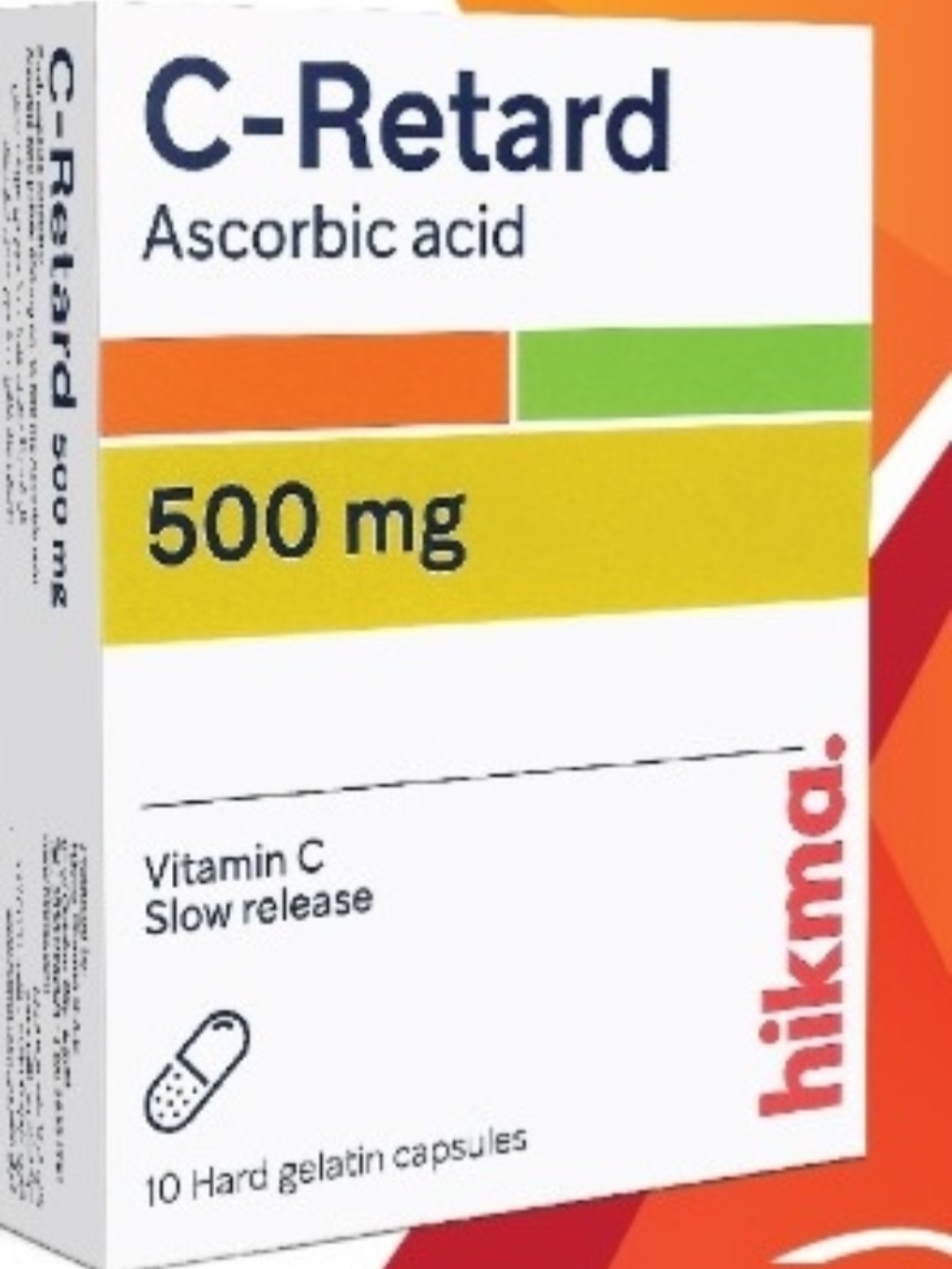
In the comprehensive management of Chediak-Higashi Syndrome, a multidisciplinary clinical approach is essential to address both the underlying genetic pathology and the associated systemic complications. Diagnostic confirmation is primarily achieved through Genetic Testing / الفحص الجيني (خدمات رعاية عامة), which is critical for identifying the specific mutations in the LYST gene that characterize this rare immunodeficiency. Supportive therapeutic regimens often include the administration of C-Retard / سي-ريتارد 500mg to assist in modulating leukocyte function and mitigating oxidative stress, while specialized ophthalmological or neurological evaluations may necessitate the use of a Surgical Operating Microscope / مجهر جراحي to manage the ocular albinism and progressive neurological deficits frequently observed in these patients.