Clinical Assessment & Protocol
Typical Presentation (HPI)
EN: Red/purple plaques on fingers exacerbated by cold. AR: لويحات حمراء/أرجوانية على الأصابع تتفاقم بالبرد.
General Examination
EN: AR:
Treatment Protocol
EN: AR:
Patient Education
EN: AR:
Systemic & Specialized Examinations
EN: S1, S2 present. No murmurs. AR: صوتا القلب الأول والثاني طبيعيان. لا توجد نفخات.
EN: Lungs clear to auscultation. AR: الرئتان صافيتان عند التسمع.
EN: Abdomen soft, non-tender. AR: البطن لين ولا يوجد ألم.
EN: Alert, oriented x3. No focal deficits. AR: المريض واعي ومدرك. لا يوجد عجز عصبي بؤري.
EN: Unremarkable or not routinely indicated. AR: طبيعي أو غير مطلوب روتينياً.
EN: Unremarkable or not routinely indicated. AR: طبيعي أو غير مطلوب روتينياً.
EN: Unremarkable or not routinely indicated. AR: طبيعي أو غير مطلوب روتينياً.
EN: Unremarkable or not routinely indicated. AR: طبيعي أو غير مطلوب روتينياً.
EN: Unremarkable or not routinely indicated. AR: طبيعي أو غير مطلوب روتينياً.
Comprehensive Clinical Guide: Chilblain Lupus (Vasculitic)
Chilblain Lupus (CL), historically referred to as lupus erythematosus chilblain or chilblain lupus erythematosus (CLE), represents a distinct and often challenging clinical manifestation within the spectrum of cutaneous lupus erythematosus. As a specialized sub-type of chronic cutaneous lupus, it presents as acral, inflammatory, violaceous, or erythematous lesions triggered or exacerbated by cold exposure.
While it shares clinical similarities with idiopathic chilblains (perniosis), Chilblain Lupus is fundamentally distinct due to its underlying autoimmune pathology and its frequent, though not exclusive, association with systemic lupus erythematosus (SLE). Understanding this condition requires a nuanced approach to rheumatological and dermatological evaluation, as it serves as a critical sentinel for systemic autoimmune disease.
1. Clinical Definition and Overview
Chilblain Lupus is characterized by the development of papules, plaques, or nodules on acral sites—primarily the fingers, toes, nose, and ears—following exposure to cold or damp environments. Unlike simple perniosis, which typically resolves upon rewarming, lesions in Chilblain Lupus are persistent, often painful, and may ulcerate or crust.
Key Clinical Differentiators
| Feature | Idiopathic Chilblains (Perniosis) | Chilblain Lupus (CLE) |
|---|---|---|
| Duration | Self-limiting (weeks) | Chronic, recurrent |
| Ulceration | Rare | Common |
| Systemic Symptoms | Absent | Often present (ANA positive) |
| Histopathology | Superficial/deep perivascular infiltrate | Interface dermatitis + vascular damage |
| Prognosis | Excellent | Variable; risk of SLE progression |
2. Etiology and Pathophysiology
The pathophysiology of Chilblain Lupus is a complex interplay between genetic predisposition, environmental triggers, and aberrant immune activation.
Genetic Drivers
Recent genomic studies have identified significant associations between CL and mutations in the TREX1 (three-prime repair exonuclease 1) gene. Mutations in TREX1 lead to an accumulation of intracellular DNA, triggering a constitutive activation of the Type I interferon (IFN) pathway. This mimics a viral infection state, leading to systemic inflammation and vascular damage.
The Type I Interferon Signature
The "Interferon Signature" is the cornerstone of CL pathophysiology. The upregulation of interferon-alpha (IFN-α) induces:
1. Endothelial Dysfunction: Direct damage to the microvasculature in the acral regions.
2. Vasospasm: Exaggerated response to cold-induced sympathetic activity.
3. Leukocyte Recruitment: Promotion of lymphocytic and neutrophilic infiltration into the dermal-epidermal junction.
Cold-Induced Pathogenesis
Cold exposure acts as a physical trigger that lowers the activation threshold for these already primed immune cells, leading to localized hypoxia and subsequent necrosis of the keratinocytes in the basal layer of the epidermis.
3. Clinical Staging and Presentation
Clinical staging in Chilblain Lupus is less about a numerical score and more about the classification of disease activity and extent of involvement.
Standard Presentation
- Lesion Morphology: Violaceous, tender, erythematous papules or plaques.
- Distribution: Dorsal aspects of fingers and toes, helix of the ear, and the nose.
- Symptomatology: Burning, pruritus, and localized pain. In severe cases, the patient may report secondary Raynaud’s phenomenon.
- Evolution: Lesions often evolve from erythematous macules to raised plaques, eventually forming hyperkeratotic crusts or ulcerative lesions.
The Progression Spectrum
- Early Stage: Transient erythema upon cold exposure.
- Active Stage: Persistent violaceous plaques, often with scaling.
- Complicated Stage: Development of central ulceration, secondary infection (staphylococcal), and potential scarring (atrophy).
4. Differential Diagnosis
A rigorous differential diagnosis is mandatory to distinguish CL from other vasculitic and inflammatory conditions.
- Idiopathic Perniosis: Usually lacks the autoimmune markers and chronic persistence of CL.
- Discoid Lupus Erythematosus (DLE): Often presents with more pronounced follicular plugging and scarring; usually spares the acral digits.
- Vasculitis (Small Vessel): Palpable purpura is more common here; CL usually presents with fixed papules/plaques rather than the petechiae seen in leucocytoclastic vasculitis.
- Cryoglobulinemia: Characterized by circulating cryoglobulins and often associated with Hepatitis C infection.
- Dermatomyositis: Can mimic the violaceous hue of CL (e.g., Gottron’s papules), but usually associated with proximal muscle weakness and characteristic eyelid rashes.
5. Key Diagnostic Tests
A multi-modal approach is required for definitive diagnosis.
Laboratory Workup
- ANA (Antinuclear Antibody): High sensitivity for underlying SLE.
- Anti-dsDNA, Anti-Sm, Anti-Ro/La: To assess for systemic involvement.
- Complement levels (C3, C4): Often low in systemic disease.
- Cryoglobulins: To rule out cryoglobulinemia.
- Complete Blood Count (CBC): To monitor for leukopenia or thrombocytopenia.
Histopathology (The Gold Standard)
A punch biopsy of a fresh lesion is essential. Key findings include:
* Interface Dermatitis: Vacuolar degeneration of the basal layer.
* Perivascular/Periadnexal Infiltrate: A dense lymphocytic infiltrate.
* Dermal Edema: Significant papillary dermal edema.
* Vascular Changes: Swelling of endothelial cells and, in advanced cases, fibrinoid necrosis of the vessel walls.
6. Management and Therapeutic Strategies
Management is focused on both lifestyle modification and pharmacological intervention.
Non-Pharmacological
- Strict Cold Protection: Use of insulated gloves, socks, and hand warmers.
- Smoking Cessation: Essential, as nicotine exacerbates vasospasm.
- Avoidance of Beta-Blockers: These can worsen vasospastic episodes.
Pharmacological Interventions
| Medication Class | Drug Examples | Clinical Role |
|---|---|---|
| Topical Corticosteroids | Clobetasol, Betamethasone | First-line for inflammation control |
| Calcineurin Inhibitors | Tacrolimus (topical) | Reduces inflammation without atrophy |
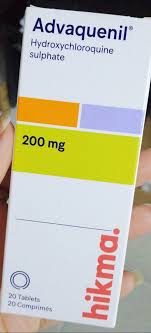
| Antimalarials | Hydroxychloroquine | Foundation of systemic treatment for CL/SLE |
| Calcium Channel Blockers | Nifedipine | Vasodilatory support for resistant cases |
| JAK Inhibitors | Tofacitinib/Baricitinib | Emerging therapy for refractory, IFN-driven cases |
7. Risks, Side Effects, and Contraindications
When treating Chilblain Lupus, practitioners must be wary of treatment-related complications:
* Topical Steroid Atrophy: Long-term use on thin skin (fingers/ears) can lead to permanent thinning and telangiectasia.
* Hydroxychloroquine Retinopathy: Requires annual ophthalmologic monitoring.
* Immunosuppression Risks: When using systemic agents, monitor for opportunistic infections.
* Drug Interactions: Ensure calcium channel blockers do not significantly induce hypotension in the patient.
8. Long-Term Prognosis
The prognosis of Chilblain Lupus is highly variable. Patients must be stratified based on their systemic risk.
1. Isolated CL: May remain localized for years but requires annual screening for SLE.
2. Systemic-Associated CL: These patients have a higher risk of developing severe SLE complications, including nephritis and neuropsychiatric lupus.
3. Morbidity: Chronic ulceration can lead to scarring, digit deformity, and secondary bacterial infections.
9. Frequently Asked Questions (FAQ)
1. Is Chilblain Lupus the same as Raynaud’s Phenomenon?
No, they are distinct. Raynaud’s involves color changes (white-blue-red) due to vasospasm. Chilblain Lupus involves fixed inflammatory lesions. However, patients with CL often have concurrent Raynaud’s.
2. Can I get Chilblain Lupus without having SLE?
Yes, "Idiopathic Chilblain Lupus" can occur in individuals without systemic lupus, though these patients should be monitored for the future development of autoimmune disease.
3. Does smoking make it worse?
Absolutely. Smoking constricts blood vessels, which directly compounds the vascular damage and hypoxia caused by Chilblain Lupus.
4. Are there specific lab tests I should ask for?
Yes, you should request an ANA, ENA panel (including Ro/La/Sm), and possibly a skin biopsy if the diagnosis is clinically uncertain.
5. Why do my lesions hurt more in the winter?
Cold exposure triggers the interferon-mediated vascular damage, and cold also increases the viscosity of blood, reducing perfusion to already damaged vessels.
6. Is this condition permanent?
It is chronic, meaning it can recur. However, with consistent medical management and environmental protection, it can be managed into long-term remission.
7. What is the role of JAK inhibitors?
JAK inhibitors block the signaling pathways of interferons. They are currently being explored for refractory CL cases where standard antimalarials have failed.
8. Is this condition contagious?
No. Chilblain Lupus is an autoimmune condition, not an infection.
9. Can I use hot water to warm my hands?
No. Sudden heat can cause paradoxical vasodilation and increased pain. Warm your hands gradually using ambient heat or gentle friction.
10. How often should I see a rheumatologist?
If you have a confirmed diagnosis of Chilblain Lupus, a minimum of biannual rheumatology visits is recommended to monitor for systemic disease progression.
10. Conclusion
Chilblain Lupus is a diagnostic challenge that bridges the gap between dermatological presentation and systemic rheumatological disease. By recognizing the clinical markers—specifically the persistence of acral lesions and the underlying Type I interferon pathway activation—clinicians can provide early intervention. Through a combination of photoprotection, aggressive management of the IFN-signature, and regular systemic monitoring, the morbidity associated with this vasculitic condition can be significantly mitigated.
Disclaimer: This guide is for educational and professional reference only. It does not replace professional medical judgment. Always consult with a board-certified rheumatologist or dermatologist when managing complex autoimmune conditions.