Clinical Assessment & Protocol
Typical Presentation (HPI)
EN: Patient presents for follow-up of chronic pancreatitis, currently in a painless phase. Primary complaints include signs of exocrine pancreatic insufficiency (EPI), specifically steatorrhea, bloating, and unintentional weight loss. Denies abdominal pain, nausea, or vomiting. Reports adherence to current pancreatic enzyme replacement therapy (PERT) but notes persistent loose, malodorous stools. No history of recent alcohol intake or tobacco use. AR: يراجع المريض للمتابعة في حالة التهاب البنكرياس المزمن، وهو حالياً في مرحلة خالية من الألم. تشمل الشكاوى الرئيسية علامات قصور البنكرياس الإفرازي (EPI)، وتحديداً الإسهال الدهني، والانتفاخ، وفقدان الوزن غير المتعمد. ينفي المريض وجود ألم بطني أو غثيان أو قيء. يشير المريض إلى الالتزام بالعلاج الحالي ببدائل إنزيمات البنكرياس (PERT) لكنه يلاحظ استمرار البراز الرخو ذو الرائحة الكريهة. لا يوجد تاريخ حديث لاستهلاك الكحول أو استخدام التبغ.
General Examination
EN: General: Patient appears well-nourished but shows signs of recent weight loss. Vitals stable. Abdomen: Soft, non-distended, non-tender to palpation. No guarding or rebound. Bowel sounds present and normal. No organomegaly or palpable masses. Skin: No jaundice or pallor. Extremities: No peripheral edema. AR: الحالة العامة: يبدو المريض متغذياً بشكل جيد ولكنه يظهر علامات فقدان وزن حديث. العلامات الحيوية مستقرة. البطن: لينة، غير متمددة، ولا يوجد ألم عند الجس. لا توجد علامات دفاع عضلي أو ارتداد. أصوات الأمعاء مسموعة وطبيعية. لا يوجد تضخم في الأعضاء أو كتل محسوسة. الجلد: لا يوجد يرقان أو شحوب. الأطراف: لا يوجد وذمة محيطية.
Treatment Protocol
EN: 1. Pancreatic Enzyme Replacement Therapy (PERT): Continue [Dose] units with meals and [Dose] units with snacks. 2. Nutritional Support: High-calorie, high-protein diet; monitor for fat-soluble vitamin deficiencies (A, D, E, K). 3. Lifestyle: Strict abstinence from alcohol and tobacco. 4. Monitoring: Repeat fecal elastase-1 and nutritional labs (albumin, prealbumin, vitamin levels) in 3 months. AR: 1. العلاج ببدائل إنزيمات البنكرياس (PERT): الاستمرار على جرعة [الجرعة] وحدة مع الوجبات الرئيسية و[الجرعة] وحدة مع الوجبات الخفيفة. 2. الدعم الغذائي: حمية عالية السعرات الحرارية والبروتين؛ مراقبة نقص الفيتامينات الذائبة في الدهون (A, D, E, K). 3. نمط الحياة: الامتناع التام عن الكحول والتبغ. 4. المتابعة: إعادة فحص إيلاستاز البراز-1 والتحاليل الغذائية (الألبومين، بري-ألبومين، مستويات الفيتامينات) خلال 3 أشهر.
Patient Education
EN: Chronic pancreatitis is a progressive condition. Even without pain, your pancreas is not producing enough enzymes to digest food properly, leading to malabsorption. It is critical to take your enzymes with every meal to prevent malnutrition and weight loss. Avoid alcohol completely, as it accelerates pancreatic damage. Report any new abdominal pain, persistent diarrhea, or significant weight changes immediately. AR: التهاب البنكرياس المزمن حالة تقدمية. حتى في غياب الألم، لا ينتج البنكرياس ما يكفي من الإنزيمات لهضم الطعام بشكل صحيح، مما يؤدي إلى سوء الامتصاص. من الضروري جداً تناول الإنزيمات مع كل وجبة لمنع سوء التغذية وفقدان الوزن. تجنب الكحول تماماً، لأنه يسرع من تلف البنكرياس. أبلغ الطبيب فوراً عن أي ألم بطني جديد، أو إسهال مستمر، أو تغيرات كبيرة في الوزن.
Systemic & Specialized Examinations
EN: S1, S2 present. No murmurs. Normal rate and rhythm. AR: صوتا القلب الأول والثاني طبيعيان. لا توجد نفخات.
EN: Lungs clear to auscultation bilaterally. AR: الرئتان صافيتان عند التسمع.
EN: Palpable mass, Courvoisier's law (painless jaundice + palpable gallbladder). AR: كتلة ملموسة، قانون كورفازييه.
EN: Alert, oriented x3. No focal deficits. AR: المريض واعي ومدرك. لا يوجد عجز بؤري.
EN: Unremarkable or not routinely indicated for this specific gastrointestinal pathology. AR: طبيعي أو غير مطلوب روتينياً لهذا المرض الهضمي.
EN: Unremarkable or not routinely indicated for this specific gastrointestinal pathology. AR: طبيعي أو غير مطلوب روتينياً لهذا المرض الهضمي.
EN: Unremarkable or not routinely indicated for this specific gastrointestinal pathology. AR: طبيعي أو غير مطلوب روتينياً لهذا المرض الهضمي.
EN: Unremarkable or not routinely indicated for this specific gastrointestinal pathology. AR: طبيعي أو غير مطلوب روتينياً لهذا المرض الهضمي.
EN: Unremarkable or not routinely indicated for this specific gastrointestinal pathology. AR: طبيعي أو غير مطلوب روتينياً لهذا المرض الهضمي.
Orthopedic & Trauma Assessments
EN: Unremarkable or not routinely indicated for this specific gastrointestinal pathology. AR: طبيعي أو غير مطلوب روتينياً لهذا المرض الهضمي.
EN: Unremarkable or not routinely indicated for this specific gastrointestinal pathology. AR: طبيعي أو غير مطلوب روتينياً لهذا المرض الهضمي.
EN: Unremarkable or not routinely indicated for this specific gastrointestinal pathology. AR: طبيعي أو غير مطلوب روتينياً لهذا المرض الهضمي.
EN: Unremarkable or not routinely indicated for this specific gastrointestinal pathology. AR: طبيعي أو غير مطلوب روتينياً لهذا المرض الهضمي.
EN: Unremarkable or not routinely indicated for this specific gastrointestinal pathology. AR: طبيعي أو غير مطلوب روتينياً لهذا المرض الهضمي.
EN: Unremarkable or not routinely indicated for this specific gastrointestinal pathology. AR: طبيعي أو غير مطلوب روتينياً لهذا المرض الهضمي.
EN: Unremarkable or not routinely indicated for this specific gastrointestinal pathology. AR: طبيعي أو غير مطلوب روتينياً لهذا المرض الهضمي.
EN: Unremarkable or not routinely indicated for this specific gastrointestinal pathology. AR: طبيعي أو غير مطلوب روتينياً لهذا المرض الهضمي.
EN: Unremarkable or not routinely indicated for this specific gastrointestinal pathology. AR: طبيعي أو غير مطلوب روتينياً لهذا المرض الهضمي.
1. Executive Overview: Chronic Pancreatitis and the Malabsorption Syndrome
Chronic pancreatitis (CP) is a progressive, irreversible inflammatory disorder characterized by the permanent destruction of pancreatic parenchyma and the subsequent replacement of functional tissue with fibrotic connective tissue. While the classic clinical presentation of CP is often associated with debilitating abdominal pain, a distinct and clinically challenging phenotype exists: Painless Chronic Pancreatitis with Malabsorption (K86.0_3).
In this variant, the patient may lack the classic "pancreatic pain" triad, making diagnosis significantly more difficult. Instead, the condition manifests primarily through the complications of Exocrine Pancreatic Insufficiency (EPI). As the pancreas loses its ability to secrete vital digestive enzymes (lipase, protease, and amylase), the digestive process is severely impaired. This leads to malabsorption, micronutrient deficiencies, and rapid weight loss, which can go undiagnosed for years if clinicians do not maintain a high index of suspicion.
2. Pathophysiology, Etiology, and Risk Factors
The Pathophysiological Cascade
The hallmark of chronic pancreatitis is the "sentinel acute pancreatitis event" (SAPE) hypothesis. This suggests that an initial insult triggers a cascade of inflammation that leads to the activation of pancreatic stellate cells (PSCs). Once activated, these cells proliferate and secrete excessive collagen, resulting in:
* Fibrosis: Progressive hardening of the pancreatic gland.
* Ductal Distortion: Strictures and calcifications within the pancreatic ductal system.
* Atrophy: The loss of acinar cells, which are responsible for enzyme production.
When acinar cell loss exceeds 90%, the pancreas can no longer secrete sufficient enzymes to break down dietary fats and proteins, leading to clinical malabsorption.
Etiology and Risk Factors (TIGAR-O Classification)
The risk factors for CP are categorized by the TIGAR-O system:
| Category | Primary Drivers |
|---|---|
| Toxic-Metabolic | Chronic alcohol consumption, hypercalcemia, hypertriglyceridemia, smoking. |
| Idiopathic | Early or late-onset disease with no identifiable cause. |
| Genetic | Mutations in PRSS1, SPINK1, CFTR, and CTRC genes. |
| Autoimmune | IgG4-related disease or systemic autoimmune conditions. |
| Recurrent/Severe | History of recurrent acute pancreatitis or severe traumatic injury. |
| Obstructive | Pancreatic divisum, ductal stones, or tumor-related obstructions. |
3. Signs, Symptoms, and Clinical Presentation
In the painless variant, the absence of pain often leads patients to dismiss early symptoms. However, the metabolic consequences are profound.
- Steatorrhea: The most common symptom. Stools are characteristically bulky, foul-smelling, oily, and difficult to flush. This is a direct result of fat malabsorption.
- Weight Loss and Malnutrition: Patients often experience unintentional weight loss despite adequate caloric intake due to the inability to absorb nutrients.
- Fat-Soluble Vitamin Deficiency: Clinical manifestations of low Vitamins A, D, E, and K (e.g., night blindness, bone density loss, coagulopathy).
- Secondary Diabetes Mellitus (Type 3c Diabetes): As the fibrosis involves the Islets of Langerhans, patients may develop brittle diabetes requiring complex insulin management.
- Bloating and Flatulence: Caused by the fermentation of undigested nutrients by colonic bacteria.
4. Standard Diagnostic Evaluation & Workup
Diagnosing "painless" CP requires a combination of functional and structural assessment.
Diagnostic Modalities
- Fecal Elastase-1 (FE-1) Test: The gold standard for non-invasive screening of EPI. A value <200 μg/g indicates pancreatic insufficiency.
- Magnetic Resonance Cholangiopancreatography (MRCP) with Secretin Stimulation: The gold standard for visualizing ductal anatomy. Secretin stimulation enhances the visibility of ductal dilation and strictures.
- Endoscopic Ultrasound (EUS): Provides superior sensitivity for detecting early structural changes (e.g., lobularity, hyperechoic foci, or honeycombing) that may be missed on CT or MRI.
- Serum Assays: Checking for hemoglobin A1c (for diabetes), fat-soluble vitamin levels (A, D, E, K), and nutritional markers like prealbumin.
Diagnostic Criteria (M-ANNHEIM)
The M-ANNHEIM classification is often used to stage the severity of the disease based on the combination of clinical, imaging, and functional evidence.
5. Therapeutic Interventions
Management of painless chronic pancreatitis focuses on three pillars: nutritional support, enzyme replacement, and monitoring for complications.
Pancreatic Enzyme Replacement Therapy (PERT)
PERT is the cornerstone of treatment for malabsorption.
* Mechanism: Enteric-coated microspheres containing lipase, protease, and amylase.
* Dosing: Must be taken with every meal and snack. The dose is titrated based on the reduction of steatorrhea and weight gain.
* Adjuvant Therapy: Proton Pump Inhibitors (PPIs) are often prescribed to prevent the gastric acid destruction of the enzymes.
Nutritional Rehabilitation
- Dietary Modification: A balanced diet with moderate fat intake is usually tolerated once PERT is initiated.
- Supplementation: Multivitamin supplementation is critical, specifically targeting fat-soluble vitamins and minerals like calcium and magnesium.
- Alcohol/Smoking Cessation: Mandatory, as continued exposure accelerates fibrosis and increases the risk of pancreatic cancer.
Surgical/Endoscopic Intervention
If the "painless" CP is caused by a dominant stricture or a large stone obstructing the main pancreatic duct, endoscopic stenting or surgery (e.g., Puestow procedure) may be required to restore ductal flow and prevent further atrophy.
6. Frequently Asked Questions (FAQ)
1. Can you have chronic pancreatitis without any pain?
Yes. While pain is common, a significant subset of patients experiences "painless" disease where the primary manifestation is exocrine pancreatic insufficiency and malnutrition.
2. What is the most reliable test for pancreatic malabsorption?
The Fecal Elastase-1 (FE-1) test is the standard non-invasive diagnostic tool to confirm if the pancreas is failing to produce enough enzymes.
3. Why do I have oily stools?
Oily stools (steatorrhea) occur because your pancreas isn't producing enough lipase to break down dietary fat, which then passes into the stool undigested.
4. Is chronic pancreatitis reversible?
No. Fibrosis and acinar cell loss are irreversible. Treatment focuses on managing symptoms and preventing further damage.
5. How does smoking affect my pancreas?
Smoking is a major independent risk factor for the progression of CP and significantly increases the risk of developing pancreatic cancer.
6. Will I need insulin if I have chronic pancreatitis?
Many patients with long-standing CP eventually develop "Type 3c" diabetes because the inflammatory process damages the cells that produce insulin.
7. Can I drink alcohol if I have this diagnosis?
No. Alcohol is a toxin to the pancreatic tissue and will accelerate the disease process regardless of the cause.
8. How do I take pancreatic enzymes correctly?
Enzymes must be taken with the first bite of your meal. They work by mixing with your food in the stomach to aid digestion.
9. What is the long-term outlook for this condition?
With proper enzyme replacement and nutritional management, most patients live full lives, though they require lifelong medical monitoring.
10. Is this condition considered a precursor to cancer?
Chronic pancreatitis is considered a risk factor for pancreatic adenocarcinoma. Regular surveillance with imaging is often recommended for high-risk patients.
Disclaimer: This guide is for educational purposes and does not constitute medical advice. If you suspect you have symptoms of chronic pancreatitis, you must consult a gastroenterologist for a formal evaluation and diagnostic workup.
Related Clinical Integration
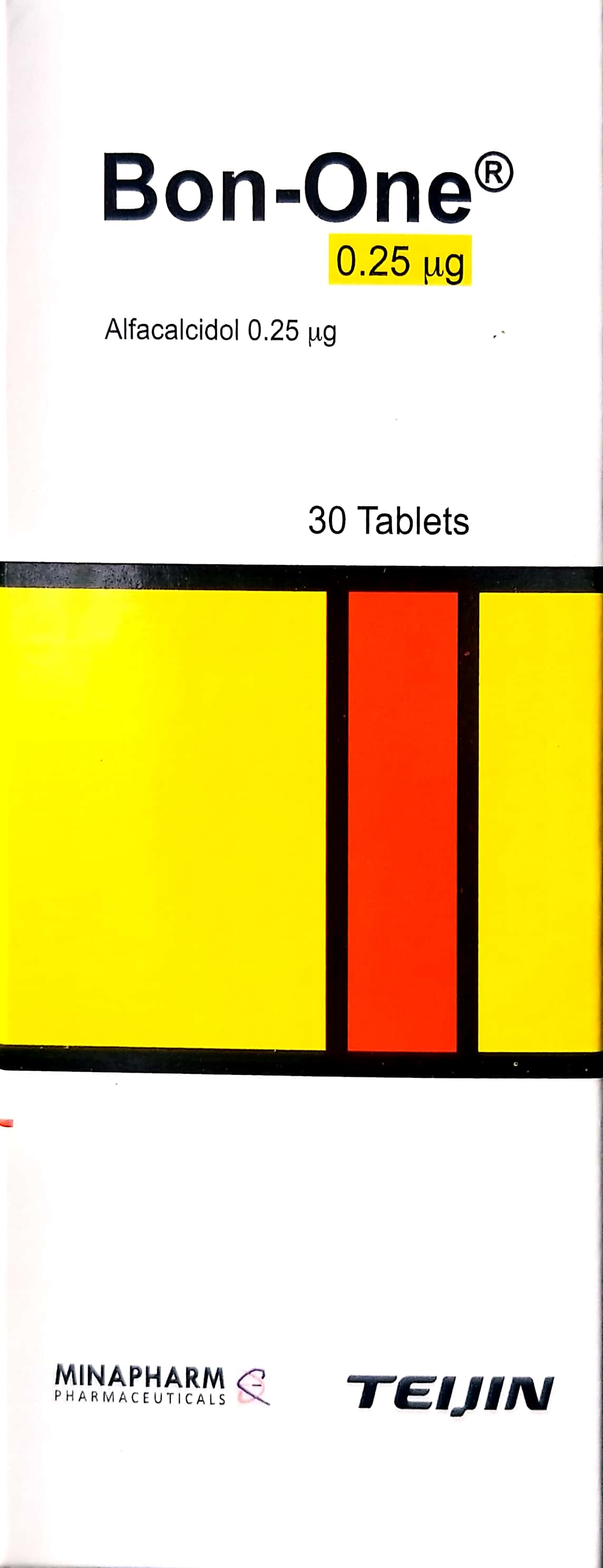
In the management of painless chronic pancreatitis characterized by malabsorption, a multidisciplinary approach is essential to address both exocrine pancreatic insufficiency and secondary metabolic complications. Patients typically require pancreatic enzyme replacement therapy, such as Pancrelipase / بانكريليباز 10,000 USP, to facilitate nutrient absorption, while the chronic malabsorption of fat-soluble vitamins often necessitates bone density support through agents like Bon-one / بون-ون 0.25mcg and specialized Nutritional Counseling (Bone Health) / استشارة غذائية (لصحة العظام) (خدمات رعاية عامة). While the primary focus remains on metabolic stabilization, clinicians should maintain a broad awareness of systemic patient health, including the management of complex orthopedic conditions that may arise in patients with chronic systemic illness, such as Miscellaneous Hand Infections: Surgical Management, Management of Chronic Unreduced Glenohumeral Dislocations: A Comprehensive Surgical Guide, General Treatment Considerations in Neuromuscular Orthopaedics, Amputation for Chronic Osteomyelitis: Indications, Surgical Strategies, and Outcomes, and Tibialis Anterior Tendon Reconstruction with EHL Transfer: An Intraoperative Masterclass, ensuring that surgical interventions are optimized for patients with underlying nutritional deficiencies.