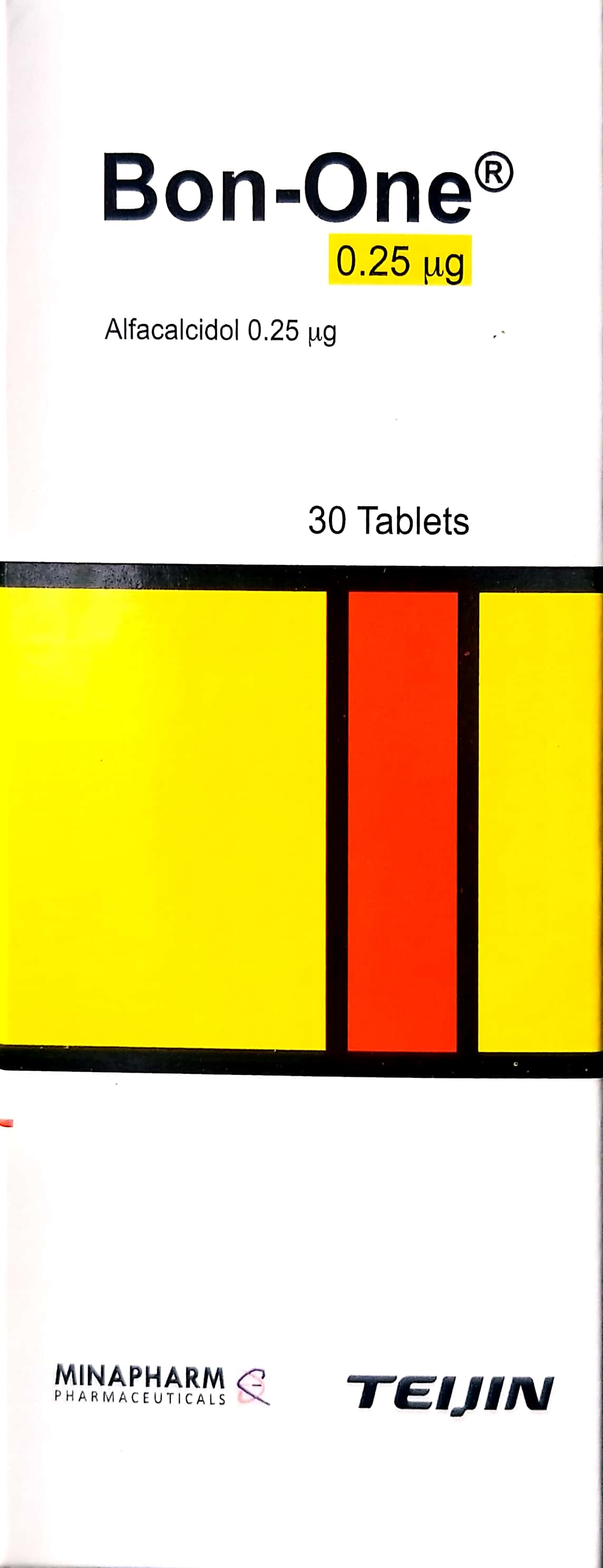
Comprehensive Guide to Bon-one (Alfacalcidol): Clinical Overview
Bon-one, known generically as Alfacalcidol (1α-hydroxyvitamin D3), is a potent synthetic analog of vitamin D3. In the field of orthopedics and endocrinology, it serves as a critical therapeutic agent for managing disorders characterized by impaired calcium metabolism and bone mineralization. Unlike native vitamin D, which requires two-stage hydroxylation in the liver and kidneys to become biologically active, Bon-one is already hydroxylated at the 1α-position, allowing it to bypass renal activation.
This guide provides an exhaustive review of Bon-one, intended for healthcare professionals and patients seeking a deep understanding of its pharmacological profile, clinical application, and safety considerations.
1. Mechanism of Action: The Path to Bioactivation
The therapeutic efficacy of Bon-one is rooted in its unique pharmacokinetic bypass of renal metabolic pathways.
The Metabolic Pathway
- Ingestion: Bon-one is administered orally.
- Hepatic Conversion: Once absorbed, Alfacalcidol undergoes rapid conversion in the liver by the enzyme 25-hydroxylase to form 1,25-dihydroxyvitamin D3 (Calcitriol).
- Biological Activity: Calcitriol is the active form of vitamin D. It binds to the Vitamin D Receptor (VDR) in target tissues, primarily the intestines, kidneys, and bone.
Physiological Effects
- Intestinal Absorption: Increases the active transport of dietary calcium and phosphate across the intestinal mucosa.
- Bone Mineralization: Promotes osteoblastic activity and mineral deposition, essential for reversing osteomalacia and managing osteoporosis.
- Parathyroid Regulation: Suppresses the synthesis and secretion of Parathyroid Hormone (PTH), thereby preventing secondary hyperparathyroidism.
2. Pharmacokinetics and Pharmacodynamics
Understanding how the body processes Bon-one is vital for optimizing therapeutic outcomes.
| Parameter | Description |
|---|---|
| Absorption | Rapidly absorbed from the gastrointestinal tract. |
| Metabolism | Hepatic conversion to 1,25-dihydroxyvitamin D3. |
| Peak Plasma Concentration | Typically reached within 8 to 12 hours post-administration. |
| Elimination | Primarily excreted through bile and feces; minor renal excretion. |
3. Detailed Clinical Indications
Bon-one is indicated for a wide range of conditions where calcium homeostasis is compromised.
Primary Indications
- Osteoporosis: Used to increase bone mineral density and reduce the risk of fractures in postmenopausal women and elderly patients.
- Renal Osteodystrophy: Essential for patients with chronic kidney disease (CKD) who cannot adequately synthesize active vitamin D.
- Hypoparathyroidism: Manages low serum calcium levels resulting from insufficient parathyroid hormone.
- Osteomalacia and Rickets: Corrects vitamin D-resistant rickets and nutritional osteomalacia.
4. Dosage Guidelines and Administration
Dosage must be individualized based on serum calcium and phosphate levels. Monitoring is critical to avoid toxicity.
Standard Dosing Protocols
- Adults: The typical starting dose ranges from 0.5 mcg to 1.0 mcg daily.
- Maintenance: Adjusted based on biochemical response, usually between 0.25 mcg and 1.0 mcg.
- Pediatric: Dosage is calculated based on body weight and severity of the condition; must be strictly supervised by a specialist.
Critical Monitoring Requirements
Patients undergoing Bon-one therapy must have regular blood work, including:
1. Serum Calcium: To prevent hypercalcemia.
2. Serum Phosphate: To prevent metastatic calcification.
3. Creatinine/BUN: To monitor renal function.
5. Contraindications and Risks
While Bon-one is highly effective, it is not suitable for everyone.
Absolute Contraindications
- Hypercalcemia: Pre-existing high levels of serum calcium.
- Hyperphosphatemia: Except when associated with hypoparathyroidism.
- Vitamin D Toxicity: Patients already exhibiting signs of vitamin D overdose.
- Hypersensitivity: Known allergic reactions to Alfacalcidol or any excipients in the medication.
Side Effects
- Gastrointestinal: Nausea, constipation, or abdominal pain.
- Neurological: Headache, fatigue, or irritability.
- Metabolic: Hypercalcemia (if dosage is excessive), which may manifest as polydipsia, polyuria, or muscle weakness.
6. Drug Interactions and Warnings
Significant Interactions
- Digitalis Glycosides: Hypercalcemia may increase the risk of cardiac arrhythmias in patients taking digoxin.
- Thiazide Diuretics: Concurrent use with diuretics increases the risk of hypercalcemia.
- Magnesium-containing Antacids: Can lead to hypermagnesemia in patients with chronic renal failure.
- Cholestyramine/Orlistat: May interfere with the intestinal absorption of Bon-one.
Pregnancy and Lactation
- Pregnancy: Use only if the potential benefit outweighs the risk to the fetus. High doses of vitamin D metabolites have been shown to be teratogenic in animal studies.
- Lactation: Alfacalcidol may be excreted in breast milk. Caution is advised, and serum calcium levels of the infant should be monitored if the mother is on high-dose therapy.
7. Overdose Management
Acute or chronic overdose leads to severe hypercalcemia and metastatic calcification.
- Immediate Actions: Discontinue Bon-one immediately.
- Supportive Care: Increase fluid intake (hydration) to promote calcium excretion.
- Medical Intervention: In severe cases, use of glucocorticoids, loop diuretics, or calcitonin may be required to lower serum calcium levels rapidly.
- Dialysis: In cases of severe renal impairment, hemodialysis may be necessary.
8. Frequently Asked Questions (FAQ)
1. What is the difference between Bon-one and regular Vitamin D?
Bon-one (Alfacalcidol) is a pre-activated form of vitamin D. It does not require kidney processing, making it effective for patients with renal failure.
2. How long does it take to see results?
Bone density changes take time. While biochemical markers (like calcium levels) change within days or weeks, improvements in bone mass are usually assessed via DEXA scans after 6–12 months.
3. Can I take Bon-one with food?
Yes, Bon-one can be taken with or without food. Consistency is key to maintaining stable plasma levels.
4. What happens if I miss a dose?
Take the missed dose as soon as you remember. If it is almost time for your next dose, skip the missed one. Do not double the dose.
5. Should I take calcium supplements with Bon-one?
Often, yes. Your doctor will likely prescribe calcium supplements to ensure there is enough mineral available for the Bon-one to deposit into the bones.
6. Is Bon-one safe for children?
It is used in children for specific conditions like rickets, but it must be dosed strictly by a pediatric endocrinologist.
7. Does Bon-one cause kidney stones?
Excessive use leading to hypercalcemia can increase the risk of kidney stones. Regular monitoring prevents this.
8. Can I drink alcohol while on Bon-one?
Alcohol does not have a direct interaction, but it can impair bone health and interfere with the effectiveness of the treatment.
9. What are the signs of too much calcium?
Symptoms include persistent nausea, vomiting, excessive thirst, frequent urination, and confusion.
10. How should I store Bon-one?
Store at room temperature away from moisture and direct sunlight. Keep out of reach of children.
Conclusion
Bon-one (Alfacalcidol) remains a cornerstone in the management of metabolic bone diseases. By bypassing the renal activation step, it provides a reliable therapeutic solution for patients with impaired kidney function and chronic calcium deficiencies. However, due to its potency, it requires diligent clinical oversight. Patients are encouraged to adhere strictly to the prescribed dosage and maintain regular check-ups to ensure the therapy remains safe and effective.
Disclaimer: This guide is for informational purposes only and does not constitute medical advice. Always consult with a licensed healthcare provider or orthopedic specialist before starting or modifying any medication regimen.