Clinical Assessment & Protocol
Typical Presentation (HPI)
EN: Patient presents with clinical features of Class IV Lupus Nephritis, including persistent proteinuria, hematuria, and active urinary sediment. Recent labs demonstrate elevated serum creatinine, hypoalbuminemia, and active serologic markers (low C3/C4, elevated anti-dsDNA). Patient reports symptoms of fluid retention, including peripheral edema and hypertension. AR: يعاني المريض من أعراض سريرية تتوافق مع التهاب الكلية الذئبي من الدرجة الرابعة، بما في ذلك بيلة بروتينية مستمرة، وبيلة دموية، ورواسب بولية نشطة. أظهرت التحاليل المخبرية الأخيرة ارتفاعاً في الكرياتينين في المصل، ونقص ألبومين الدم، وعلامات مصلية نشطة (انخفاض C3/C4، وارتفاع الأجسام المضادة dsDNA). يشتكي المريض من أعراض احتباس السوائل، بما في ذلك الوذمة المحيطية وارتفاع ضغط الدم.
General Examination
EN: General appearance: Patient appears chronically ill. Vitals: Hypertension (BP >140/90 mmHg). Skin: Malar rash, alopecia, or vasculitic lesions noted. Extremities: Significant pitting edema (1+ to 3+) noted in lower extremities. Weight: Increased due to fluid retention. AR: المظهر العام: يبدو المريض في حالة مرضية مزمنة. العلامات الحيوية: ارتفاع ضغط الدم (أكثر من 140/90 مم زئبقي). الجلد: لوحظ وجود طفح جلدي على شكل فراشة (Malar rash)، أو ثعلبة، أو آفات وعائية. الأطراف: لوحظ وجود وذمة انطباعية واضحة (من 1+ إلى 3+) في الأطراف السفلية. الوزن: زيادة في الوزن نتيجة احتباس السوائل.
Treatment Protocol
EN: Induction therapy initiated with high-dose corticosteroids and immunosuppressive agents (e.g., Mycophenolate Mofetil or Cyclophosphamide) per protocol. ACE inhibitors/ARBs prescribed for antiproteinuric effect and blood pressure control. Monitor for opportunistic infections and cytopenias. AR: تم البدء بعلاج تحريضي باستخدام جرعات عالية من الكورتيكوستيرويدات وعوامل مثبطة للمناعة (مثل ميكوفينولات موفيتيل أو سيكلوفوسفاميد) وفقاً للبروتوكول العلاجي. تم وصف مثبطات الإنزيم المحول للأنجيوتنسين (ACE) أو حاصرات مستقبلات الأنجيوتنسين (ARBs) للتأثير المضاد للبيلة البروتينية والتحكم في ضغط الدم. يجب المراقبة الدورية للكشف عن أي عدوى انتهازية أو نقص في خلايا الدم.
Patient Education
EN: Strict adherence to immunosuppressive regimen is critical to prevent irreversible renal damage. Monitor daily weights and blood pressure at home. Report any signs of infection (fever, cough, dysuria) immediately. Maintain a low-sodium diet and avoid NSAIDs to protect renal function. AR: الالتزام الصارم بنظام الأدوية المثبطة للمناعة أمر بالغ الأهمية لمنع حدوث ضرر كلوي لا رجعة فيه. يجب مراقبة الوزن اليومي وضغط الدم في المنزل. أبلغ الطبيب فوراً عن أي علامات للعدوى (حمى، سعال، عسر تبول). حافظ على نظام غذائي قليل الصوديوم وتجنب مضادات الالتهاب غير الستيرويدية (NSAIDs) لحماية وظائف الكلى.
Systemic & Specialized Examinations
EN: Cardiac exam: Regular rate and rhythm, S1/S2 normal. No murmurs, rubs, or gallops. Monitor for volume overload (JVD, pulmonary crackles) secondary to renal impairment and hypertension. AR: فحص القلب: معدل ونظم القلب منتظم، أصوات القلب (S1/S2) طبيعية. لا توجد لغطات أو احتكاكات أو أصوات إضافية. يجب مراقبة علامات زيادة حجم السوائل (مثل انتفاخ الوريد الوداجي، أو الخراخر الرئوية) الناتجة عن القصور الكلوي وارتفاع ضغط الدم.
EN: Abdominal exam: Soft, non-tender, non-distended. Bowel sounds present. Note: Monitor for gastrointestinal side effects secondary to high-dose corticosteroids or immunosuppressants, including gastritis or peptic ulcer symptoms. AR: فحص البطن: البطن لين، غير مؤلم، وغير متمدد. أصوات الأمعاء مسموعة. ملاحظة: يجب مراقبة الآثار الجانبية الهضمية الناتجة عن الجرعات العالية من الكورتيكوستيرويدات أو مثبطات المناعة، بما في ذلك التهاب المعدة أو أعراض القرحة الهضمية.
1. Executive Overview: Understanding Class IV Lupus Nephritis
Class IV Diffuse Proliferative Lupus Nephritis (LN) represents one of the most severe and clinically significant manifestations of Systemic Lupus Erythematosus (SLE). Classified under the International Society of Nephrology/Renal Pathology Society (ISN/RPS) criteria, Class IV LN is characterized by immune-complex-mediated inflammation affecting more than 50% of the glomeruli.
In clinical practice, this condition is considered an aggressive, organ-threatening manifestation of autoimmune disease. If left untreated, the repetitive cycle of inflammation, scarring (glomerulosclerosis), and interstitial fibrosis can rapidly progress to End-Stage Renal Disease (ESRD). This guide provides an authoritative overview of the pathophysiology, diagnostic rigor required for management, and the current therapeutic standards based on KDIGO (Kidney Disease: Improving Global Outcomes) guidelines.
2. Pathophysiology, Etiology, and Risk Factors
The hallmark of Class IV LN is the deposition of immune complexes—primarily IgG, IgA, IgM, and complement components (C3, C1q)—within the glomerular capillary walls and the mesangium.
Pathophysiological Mechanisms
- Glomerular Pathology: The "diffuse" nature implies that >50% of glomeruli are involved. This leads to endocapillary hypercellularity, wire-loop lesions, and subendothelial deposits. These deposits trigger the complement cascade, leading to the recruitment of neutrophils and macrophages, which release inflammatory cytokines and reactive oxygen species.
- Tubular Pathology: While primarily a glomerular disease, Class IV LN often involves secondary tubulointerstitial inflammation. Chronic inflammation leads to tubular atrophy and interstitial fibrosis (TA/IF), which are the strongest predictors of long-term renal failure.
- The Nephritic/Nephrotic Continuum: Patients often present with a mixed picture. The inflammatory damage to the glomerular basement membrane (GBM) causes hematuria and hypertension (nephritic), while the disruption of the podocyte slit diaphragm leads to significant proteinuria (nephrotic).
Risk Factors
- Genetic Predisposition: HLA-DR2 and HLA-DR3 alleles are frequently associated with increased susceptibility.
- Demographics: Higher prevalence in African American, Hispanic, and Asian populations, often presenting with more aggressive clinical phenotypes.
- Serological Markers: High anti-dsDNA titers and persistent hypocomplementemia (low C3/C4) are strong indicators of active systemic disease and renal involvement.
3. Signs, Symptoms, and Clinical Presentation
The clinical presentation of Class IV LN is highly variable, necessitating a low threshold for renal biopsy in SLE patients with any urinary abnormality.
| Clinical Feature | Mechanism |
|---|---|
| Hematuria | Rupture of glomerular capillaries due to active inflammation. |
| Proteinuria | Podocyte foot process effacement and GBM damage. |
| Hypertension | Activation of the RAAS system due to decreased renal perfusion. |
| Edema | Primarily peripheral and periorbital, secondary to hypoalbuminemia. |
| Uremia | Elevated BUN/Creatinine indicating declining glomerular filtration rate (GFR). |
Clinical Red Flags:
* Rapidly Progressive Glomerulonephritis (RPGN): A rapid rise in serum creatinine over days or weeks.
* Nephrotic Syndrome: Presence of edema, hypoalbuminemia (<3.5 g/dL), and massive proteinuria (>3.5 g/day).
* Active Urinary Sediment: Presence of "dysmorphic" red blood cells and red cell casts, confirming a glomerular source of bleeding.
4. Standard Diagnostic Evaluation & Workup
The diagnosis of Class IV LN cannot be established by serology alone; a renal biopsy is the gold standard.
The Renal Biopsy Protocol
A biopsy is indicated for:
1. Persistent proteinuria >0.5 g/day.
2. Unexplained decline in eGFR.
3. Active urinary sediment (casts, hematuria).
Histopathological Scoring:
* Activity Index (AI): Measures reversible inflammatory lesions (e.g., endocapillary hypercellularity, cellular crescents).
* Chronicity Index (CI): Measures irreversible scarring (e.g., glomerulosclerosis, tubular atrophy, interstitial fibrosis).
Laboratory Assays
- eGFR/Creatinine Trends: Essential for staging Chronic Kidney Disease (CKD).
- Urinalysis & UPC Ratio: The Urine Protein-to-Creatinine ratio is the preferred method for quantifying proteinuria.
- Immunology: Anti-dsDNA, C3, C4, and ANA titers to correlate systemic disease activity with renal findings.
5. Therapeutic Interventions
Management is divided into two distinct phases: Induction Therapy (to achieve remission) and Maintenance Therapy (to prevent relapse).
Induction Therapy (KDIGO Standards)
The goal is to suppress the immune system rapidly to prevent permanent scarring.
* Corticosteroids: Usually initiated with high-dose intravenous methylprednisolone (pulse therapy), followed by oral prednisone with a slow taper.
* Immunosuppressants:
* Mycophenolate Mofetil (MMF): Generally preferred for its efficacy and safety profile.
* Cyclophosphamide (CYC): Reserved for severe, life-threatening, or refractory cases (Euro-Lupus or NIH regimens).
* Biologics: Belimumab or Rituximab may be added in refractory cases or to reduce steroid exposure.
Chronic Management & Complications
- CKD-MBD: Patients with reduced eGFR require monitoring of calcium, phosphate, and parathyroid hormone levels to manage Mineral and Bone Disorder.
- Renoprotection: ACE inhibitors or ARBs are standard-of-care to reduce intraglomerular pressure and proteinuria, provided the patient is not hyperkalemic.
- Lifestyle: Strict blood pressure control (<120/80 mmHg), smoking cessation, and a low-sodium, protein-controlled diet.
6. Frequently Asked Questions (FAQ)
1. Is Class IV Lupus Nephritis reversible?
Yes, if caught early. The goal of induction therapy is to reverse active inflammatory lesions before they transition into permanent scarring (fibrosis).
2. How often do I need a kidney biopsy?
A baseline biopsy is mandatory. Repeat biopsies are often indicated if there is a clinical flare, a failure to respond to therapy, or to assess for chronic damage before changing medications.
3. What is the difference between Class III and Class IV?
Class III is "focal" (involving <50% of glomeruli), while Class IV is "diffuse" (involving >50%). Class IV is generally more aggressive and carries a higher risk of progression to kidney failure.
4. Can I live a normal life with this diagnosis?
With modern immunosuppressive regimens, many patients achieve long-term remission. However, it requires lifelong adherence to medication and strict clinical monitoring.
5. What is the role of the eGFR in monitoring?
eGFR tracks how well your kidneys filter blood. A downward trend is a critical indicator of deteriorating renal function, requiring urgent medical review.
6. Does this condition lead to dialysis?
If uncontrolled, the inflammation leads to scarring (glomerulosclerosis), which can result in CKD and eventually the need for dialysis or kidney transplantation.
7. Are there dietary restrictions?
Most patients require a low-salt diet to manage blood pressure and potentially a protein-controlled diet if kidney function is significantly impaired.
8. What are the most common side effects of treatment?
Immunosuppressants increase the risk of infection. Steroids can cause weight gain, bone density loss, and glucose intolerance.
9. Can I get pregnant with Class IV Lupus Nephritis?
Pregnancy is possible, but it is considered high-risk. It must be planned during a period of clinical remission and managed by a multidisciplinary team (Rheumatology/Nephrology/OB-GYN).
10. What is the "Activity Index" in a biopsy report?
It is a score that tells your doctor how much "active" inflammation is present. A high activity score usually suggests a good response to immunosuppressive treatment.
Disclaimer: This guide is for educational purposes only and does not substitute professional medical advice. Always consult with your nephrologist or rheumatologist regarding specific clinical decisions or treatment plans.
Related Clinical Integration
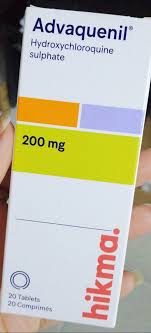
The management of Class IV Diffuse Proliferative Lupus Nephritis requires a multidisciplinary approach centered on precise diagnostic evaluation and aggressive immunosuppressive therapy. Initial clinical assessment relies on Serum Creatinine Measurement, 24-hour Urine Collection for Proteinuria, and Serum Complement Levels (C3, C4) to monitor disease activity, while Renal Ultrasound and definitive Kidney Biopsy or Renal biopsy are essential for histological confirmation and staging. Therapeutic protocols typically involve induction and maintenance regimens utilizing Prednisolone, Cyclophosphamide, Mycophenolate Mofetil, Azathioprine / آزاثيوبرين 50mg, Advaquenil 200mg 200mg, Rituximab, and various