Clinical Assessment & Protocol
Typical Presentation (HPI)
EN: Patient presents with persistent, disproportionate pain in the left lower extremity, following a [insert inciting event/injury]. Pain is described as burning, throbbing, and aching, associated with allodynia and hyperalgesia. Symptoms are exacerbated by light touch and temperature changes. Patient reports associated vasomotor and sudomotor changes, including localized edema, skin color fluctuations, and temperature asymmetry compared to the contralateral limb. AR: يراجع المريض بشكوى ألم مستمر وغير متناسب في الطرف السفلي الأيسر، تالٍ لـ [أدخل الحدث المسبب/الإصابة]. يوصف الألم بأنه حارق ونابض، مع وجود ألم خيفي (allodynia) وفرط تألم. تتفاقم الأعراض مع اللمس الخفيف وتغيرات درجات الحرارة. يبلغ المريض عن تغيرات وعائية وحركية عرقية مصاحبة، تشمل وذمة موضعية، وتقلبات في لون الجلد، وعدم تماثل في درجة الحرارة مقارنة بالطرف المقابل.
General Examination
EN: Physical examination of the left lower extremity reveals significant sensory abnormalities, including mechanical allodynia to light touch. Vasomotor findings include skin temperature asymmetry (left cooler/warmer than right) and visible mottling or cyanosis. Sudomotor changes noted, including localized edema and hyperhidrosis. Trophic changes observed, including [nail/hair/skin texture] alterations. Motor examination shows limited range of motion due to pain and guarding, with no evidence of focal neurological deficit. AR: يكشف الفحص السريري للطرف السفلي الأيسر عن تشوهات حسية كبيرة، بما في ذلك ألم خيفي ميكانيكي عند اللمس الخفيف. تشمل النتائج الوعائية عدم تماثل في درجة حرارة الجلد (الطرف الأيسر أبرد/أدفأ من الأيمن) مع وجود تبقع أو زرقة واضحة. لوحظت تغيرات في التعرق تشمل وذمة موضعية وفرط تعرق. لوحظت تغيرات تغذوية تشمل تغيرات في [الأظافر/الشعر/ملمس الجلد]. يظهر الفحص الحركي محدودية في نطاق الحركة بسبب الألم والتحفظ الحركي، مع عدم وجود دليل على عجز عصبي بؤري.
Treatment Protocol
EN: Multimodal treatment plan initiated for CRPS Type I: 1. Pharmacotherapy: Initiation of neuropathic pain agents (e.g., gabapentinoids, SNRIs) and topical analgesics. 2. Physical Therapy: Desensitization techniques, graded motor imagery, and gentle range-of-motion exercises. 3. Interventional: Consideration for sympathetic nerve blocks if refractory to conservative management. 4. Psychological support: Cognitive behavioral therapy for pain coping strategies. AR: تم البدء بخطة علاجية متعددة الوسائط لمتلازمة الألم الناحي المركب (CRPS) من النوع الأول: 1. العلاج الدوائي: البدء بأدوية الألم العصبي (مثل الغابابنتينويدات، ومثبطات استرداد السيروتونين والنورأدرينالين) والمسكنات الموضعية. 2. العلاج الطبيعي: تقنيات إزالة التحسس، التصور الحركي المتدرج، وتمارين نطاق الحركة اللطيفة. 3. التدخلات: النظر في إمكانية إجراء حقن الأعصاب الودية في حال عدم الاستجابة للعلاج التحفظي. 4. الدعم النفسي: العلاج السلوكي المعرفي لاستراتيجيات التأقلم مع الألم.
Patient Education
EN: CRPS is a chronic condition involving the nervous system. Key management goals include maintaining limb function and reducing pain sensitivity. Patient advised to avoid complete immobilization of the left lower extremity to prevent secondary complications. Desensitization exercises (e.g., stroking the skin with different textures) should be performed daily as instructed. Report any sudden increase in swelling, skin breakdown, or worsening neurological symptoms immediately. AR: متلازمة الألم الناحي المركب (CRPS) هي حالة مزمنة تشمل الجهاز العصبي. تشمل أهداف العلاج الرئيسية الحفاظ على وظيفة الطرف وتقليل حساسية الألم. يُنصح المريض بتجنب التثبيت الكامل للطرف السفلي الأيسر لمنع حدوث مضاعفات ثانوية. يجب إجراء تمارين إزالة التحسس (مثل ملامسة الجلد بمواد ذات ملامس مختلفة) يومياً حسب التعليمات. يجب الإبلاغ فوراً عن أي زيادة مفاجئة في التورم، أو تقرحات جلدية، أو تفاقم في الأعراض العصبية.
Systemic & Specialized Examinations
EN: Distal neurovascular status intact globally. AR: الحالة العصبية والوعائية الطرفية سليمة تماماً.
Orthopedic & Trauma Assessments
EN: Insidious degenerative wear and tear. No acute trauma. AR: تآكل تنكسي تدريجي. لا توجد صدمة حادة.
EN: Antalgic gait. Reduced stance phase on the affected side. Trendelenburg or varus thrust may be present. AR: مشية متألمة. قصر في مرحلة الوقوف على الجانب المصاب. قد يوجد اندفاع تقوسي أو علامة ترندلينبورغ.
EN: Moderate chronic joint effusion/thickening. Obvious malalignment in the coronal plane. Mild surrounding muscle atrophy. AR: انصباب/تسمك مفصلي مزمن. سوء محاذاة واضح. ضمور خفيف في العضلات المحيطة.
EN: Grind tests (Patellar/FABER) strongly positive. Ligament tests negative. AR: اختبارات الطحن (مثل FABER) إيجابية بقوة. اختبارات الأربطة سلبية.
EN: 4/5 strength in proximal muscles due to pain inhibition. Distal strength 5/5. AR: قوة 4/5 في العضلات القريبة بسبب تثبيط الألم. القوة الطرفية 5/5.
EN: Sensation intact to light touch in all dermatomes. AR: الإحساس سليم للمس الخفيف في جميع التوزيعات العصبية.
EN: 2+ symmetric deep tendon reflexes. AR: المنعكسات العميقة 2+ ومتماثلة.
EN: DP and PT pulses 2+ bounding. Capillary refill < 2 seconds. AR: نبضات القدم 2+ قوية. عودة امتلاء الشعيرات < ثانيتين.
1. Comprehensive Introduction & Overview
Complex Regional Pain Syndrome (CRPS), formerly known as Reflex Sympathetic Dystrophy (RSD), represents one of the most challenging and debilitating chronic pain conditions in clinical orthopedics and neurology. Specifically, CRPS Type I (formerly RSD) occurs without a confirmed nerve lesion, typically following a minor or major tissue injury to an extremity—in this case, the left lower extremity.
CRPS Type I of the left lower extremity is a multisystem disorder characterized by regional pain that is disproportionate in magnitude or duration to the typical course of any known injury. It is not confined to the distribution of a single peripheral nerve and usually manifests with distal predominance of abnormal sensory, vasomotor, sudomotor, motor, and trophic changes.
Clinical Definition
The Budapest Criteria serves as the gold standard for clinical diagnosis. For a diagnosis of CRPS Type I, the patient must meet the following:
* Continuing pain disproportionate to any inciting event.
* At least one symptom in three of the four following categories:
* Sensory: Hyperesthesia or allodynia.
* Vasomotor: Temperature asymmetry or skin color changes.
* Sudomotor/Edema: Edema or sweating changes.
* Motor/Trophic: Decreased range of motion, motor dysfunction (weakness, tremor, dystonia), or trophic changes (hair, nail, skin).
* At least one sign at the time of evaluation in two or more of the categories above.
* No other diagnosis that better explains the signs and symptoms.
2. Deep-Dive: Etiology and Pathophysiology
The pathophysiology of CRPS Type I is multifactorial and remains a subject of intense investigation. It is generally understood as a maladaptive response of the nervous system to tissue trauma.
The Mechanism of Action
The development of CRPS in the left lower extremity involves a complex interplay between the peripheral and central nervous systems:
| Mechanism | Description |
|---|---|
| Neurogenic Inflammation | Release of pro-inflammatory cytokines (TNF-α, IL-1β, IL-6) from peripheral nerve endings, causing vasodilation and plasma extravasation. |
| Peripheral Sensitization | Increased sensitivity of nociceptors due to chemical mediators, lowering the threshold for pain activation. |
| Central Sensitization | "Wind-up" phenomenon in the dorsal horn of the spinal cord, leading to increased excitability of central neurons. |
| Sympathetic-Afferent Coupling | Up-regulation of alpha-adrenergic receptors on nociceptors, causing pain to be triggered by sympathetic nervous system activity. |
| Cortical Reorganization | Maladaptive neuroplasticity in the primary somatosensory cortex, where the representation of the affected limb physically shrinks or shifts. |
Etiological Triggers
While CRPS Type I occurs without direct nerve injury, common triggers for the lower extremity include:
* Distal radius or ankle fractures (immobilization-related).
* Soft tissue contusions or crush injuries.
* Post-surgical inflammatory responses (e.g., following foot/ankle reconstruction).
* Prolonged casting or rigid bracing leading to ischemia or nerve compression.
3. Clinical Staging and Standard Presentation
CRPS is historically categorized into three clinical stages, though modern medicine recognizes these as a spectrum rather than rigid chronological steps.
Clinical Staging Table
| Stage | Name | Characteristics |
|---|---|---|
| Stage I | Acute | Burning pain, severe allodynia, localized edema, hyperhidrosis, and increased hair/nail growth. |
| Stage II | Dystrophic | Pain intensifies, skin becomes cyanotic/mottled, hair/nail growth slows, muscle wasting begins, joints become stiff. |
| Stage III | Atrophic | Irreversible changes, skin becomes thin and shiny, severe muscle atrophy, joint contractures (e.g., equinus deformity of the ankle). |
Standard Presentation (Left Lower Extremity)
Patients often present with "guarding" behavior of the left leg. The skin may appear pale or dusky compared to the right leg. The patient often reports that even the weight of a bedsheet or the touch of a sock causes intense, burning pain (allodynia).
4. Diagnostic Tests and Differential Diagnosis
Key Diagnostic Tests
- Three-Phase Bone Scan: Often shows increased uptake in the periarticular regions of the left lower extremity, though sensitivity is lower in chronic stages.
- Quantitative Sudomotor Axon Reflex Test (QSART): Evaluates sweat gland function, which is often impaired in CRPS.
- Thermography: Infrared imaging to detect temperature asymmetry between the left and right lower limbs.
- MRI: Useful for ruling out occult fractures, osteomyelitis, or deep tissue abscesses.
Differential Diagnosis
Before finalizing a CRPS diagnosis, clinicians must exclude:
* Peripheral Arterial Disease (PAD): Characterized by claudication rather than burning allodynia.
* Deep Vein Thrombosis (DVT): Presents with edema and pain but usually lacks the sensory allodynia of CRPS.
* Small Fiber Neuropathy: Often bilateral and systemic rather than regional.
* Cellulitis: Characterized by systemic signs (fever, elevated WBC) and localized heat/erythema.
5. Risks, Side Effects, and Contraindications
Risks of Delayed Treatment
- Permanent Contractures: Equinus deformities or claw toes due to long-term immobilization.
- Bone Density Loss: Regional osteoporosis (Sudeck’s atrophy) occurs rapidly in the affected limb.
- Psychological Impact: High correlation with depression, anxiety, and suicidal ideation due to intractable pain.
Contraindications for Treatment
- Avoid Aggressive Immobilization: Prolonged casting of the left lower extremity is contraindicated as it exacerbates the syndrome.
- Avoid Unnecessary Surgery: Surgical intervention in an active, "hot" CRPS limb often causes a massive flare-up of symptoms.
- Sympathetic Block Limitations: If the patient does not respond to a diagnostic sympathetic block, repeated blocks are generally contraindicated.
6. Comprehensive Management Strategy
Management must be multidisciplinary, involving pain management specialists, physical therapists, and psychologists.
- Pharmacotherapy:
- Neuropathic Agents: Gabapentin, Pregabalin, or Amitriptyline.
- Bisphosphonates: For regional osteoporosis.
- Topical Agents: Lidocaine 5% patches or compounded Ketamine creams.
- Physical Therapy (Graded Motor Imagery):
- Laterality Training: Identifying left vs. right images.
- Motor Imagery: Imagining movement without executing it.
- Mirror Therapy: Utilizing a mirror to trick the brain into believing the left limb is moving normally.
- Interventional Procedures:
- Lumbar Sympathetic Blocks: Often used for both diagnosis and therapeutic relief.
- Spinal Cord Stimulation (SCS): Indicated for refractory cases where conservative management fails for >6 months.
7. Frequently Asked Questions (FAQ)
1. Is CRPS Type I in the left lower extremity permanent?
While many patients experience significant improvement or remission with early, aggressive intervention, some cases become chronic and require long-term pain management.
2. Can I exercise my left leg if I have CRPS?
Yes. Movement is critical to prevent contractures. However, it must be performed under the guidance of a therapist using "pacing" techniques to avoid over-triggering the pain response.
3. Why is my left foot always cold compared to my right?
This is a hallmark of vasomotor dysfunction where the blood vessels in the affected limb are constricted due to sympathetic nervous system dysregulation.
4. Does CRPS spread to other limbs?
Yes, CRPS can spread to other extremities (contralateral or ipsilateral) in a small percentage of patients, usually via the spinal cord's central sensitization pathways.
5. Are there dietary changes that help?
While no specific diet cures CRPS, an anti-inflammatory diet (high in Omega-3s, low in processed sugars) may help reduce overall systemic inflammation.
6. Is surgery ever an option for my foot?
Only after the CRPS is stabilized. If surgery is absolutely necessary, surgeons often use nerve blocks or vitamin C supplementation to mitigate the risk of a CRPS flare.
7. How do I distinguish CRPS from a simple sprain?
A sprain typically improves with rest, ice, and time. CRPS pain gets worse over time, is disproportionate to the injury, and involves non-painful stimuli (like light touch) becoming painful.
8. What is the role of Vitamin C?
Clinical studies suggest that high-dose Vitamin C (500mg daily) following a fracture may reduce the incidence of CRPS in the lower extremities.
9. Can stress trigger a flare-up?
Absolutely. The sympathetic nervous system is linked to the "fight or flight" response; high emotional stress can increase sympathetic outflow, worsening CRPS symptoms.
10. What is the success rate of Spinal Cord Stimulation?
For patients who meet the criteria, SCS provides significant pain relief (typically >50% reduction) for the majority, though it does not "cure" the underlying pathology.
8. Long-Term Prognosis
The prognosis for CRPS Type I depends heavily on the "Time-to-Treatment" window. Patients treated within the first 3–6 months have the highest likelihood of achieving full functional recovery. Chronic, long-standing CRPS (Stage III) is often managed as a chronic pain syndrome, focusing on functional optimization and quality-of-life improvements rather than complete resolution.
Patients are encouraged to maintain a proactive stance:
* Maintain Mobility: Use the limb as much as tolerated.
* Desensitization: Gradually introduce different textures to the skin of the left lower extremity.
* Psychological Support: Cognitive Behavioral Therapy (CBT) is highly effective for managing the secondary emotional burdens of chronic pain.
Disclaimer: This guide is for educational purposes only and does not constitute medical advice. Always consult with a board-certified orthopedic surgeon or pain management specialist for clinical diagnosis and treatment planning.
Related Clinical Integration
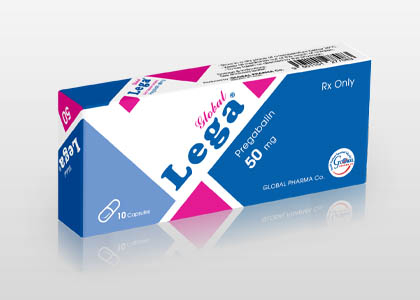
Managing Complex Regional Pain Syndrome (CRPS), Type I, in the left lower extremity requires a multidisciplinary approach that integrates pharmacological intervention, physical support, and evidence-based clinical education. To address neuropathic pain and hypersensitivity, clinicians may prescribe Lega / ليغا 50 mg or utilize the Lidocaine Patch / لصقة الليدوكايين 5% for localized relief, while simultaneously employing a TENS Unit (Transcutaneous Electrical Nerve Stimulator) / وحدة تحفيز العصب الكهربائي عبر الجلد (TENS) (أجهزة مراقبة وتتبع الحيوية) to modulate pain signaling. When mobility is compromised, the use of Axillary (Underarm) Crutches / عكازات إبطية (أدوات ومساعدات الحركة (عكازات/كراسي)) is essential to offload the affected limb and prevent secondary complications. For a deeper understanding of the diagnostic and therapeutic landscape, providers and patients should consult specialized resources such as Complex Regional Pain Syndrome in Orthopaedic Surgery: Pathophysiology, Diagnosis, and Interventional Management, Clinical Diagnosis and Management of Peripheral Nerve Injuries and Complex Regional Pain Syndrome, Peripheral Nerve Injuries: Principles of Diagnosis, Microsurgical Repair, and Management of Complex Regional Pain Syndrome, [إدارة الألم المزمن: دليل شامل لاستعادة حياتك مع الأستاذ الدكتور محمد هطيف](https://www.hutaifortho.com/ar/hub/msk-hutaif-%D8%A5%D8%AF%D8%A1%D8%A7%D8%B1%D8%A9-%D8%A7%D9%84%