

Comprehensive Guide to Lidocaine Patch Therapy
The Lidocaine patch is a topical therapeutic agent widely utilized in orthopedic and pain management settings to provide localized analgesia. Unlike systemic pain medications that circulate through the bloodstream to affect the central nervous system, the Lidocaine patch acts locally at the site of application. This guide provides an exhaustive clinical overview of its pharmacological properties, indications, and safety profiles.
Mechanism of Action and Pharmacokinetics
Pharmacodynamics
Lidocaine is a Class IB antiarrhythmic agent and a local anesthetic of the amide type. Its primary mechanism of action involves the stabilization of neuronal membranes by inhibiting the ionic fluxes required for the initiation and conduction of impulses. Specifically, Lidocaine binds to and blocks voltage-gated sodium channels in the neuronal cell membrane.
In the context of the topical patch, the drug penetrates the skin and blocks the sodium channels of peripheral nociceptors. By preventing the influx of sodium ions, the patch effectively blocks the generation and conduction of action potentials, thereby raising the threshold for pain sensation in the treated area.
Pharmacokinetics
The systemic absorption of Lidocaine from the topical patch is significantly lower than that of intravenous or oral administration.
* Absorption: The amount of Lidocaine absorbed is dependent on the duration of application and the surface area covered.
* Distribution: Once absorbed into the systemic circulation, Lidocaine is approximately 60% to 80% protein-bound.
* Metabolism: It undergoes extensive first-pass metabolism in the liver via the cytochrome P450 system (primarily CYP3A4 and CYP1A2) into inactive metabolites.
* Excretion: Metabolites are primarily excreted through the kidneys.
Detailed Clinical Indications
Lidocaine patches are primarily indicated for the relief of pain associated with post-herpetic neuralgia (PHN). However, in orthopedic and rehabilitative practice, they are frequently utilized off-label for various musculoskeletal conditions.
| Condition | Clinical Context |
|---|---|
| Post-Herpetic Neuralgia | FDA-approved indication for nerve pain following shingles. |
| Osteoarthritis | Used as an adjunct for localized joint pain. |
| Myofascial Pain | Applied to trigger points to reduce muscle spasms and pain. |
| Chronic Back Pain | Utilized for localized radicular pain or soft tissue injury. |
| Post-Surgical Pain | Applied near incision sites to reduce local sensitivity. |
Application Guidelines
- Preparation: Clean and dry the skin area thoroughly before application.
- Application: Apply the patch to the most painful area of the skin.
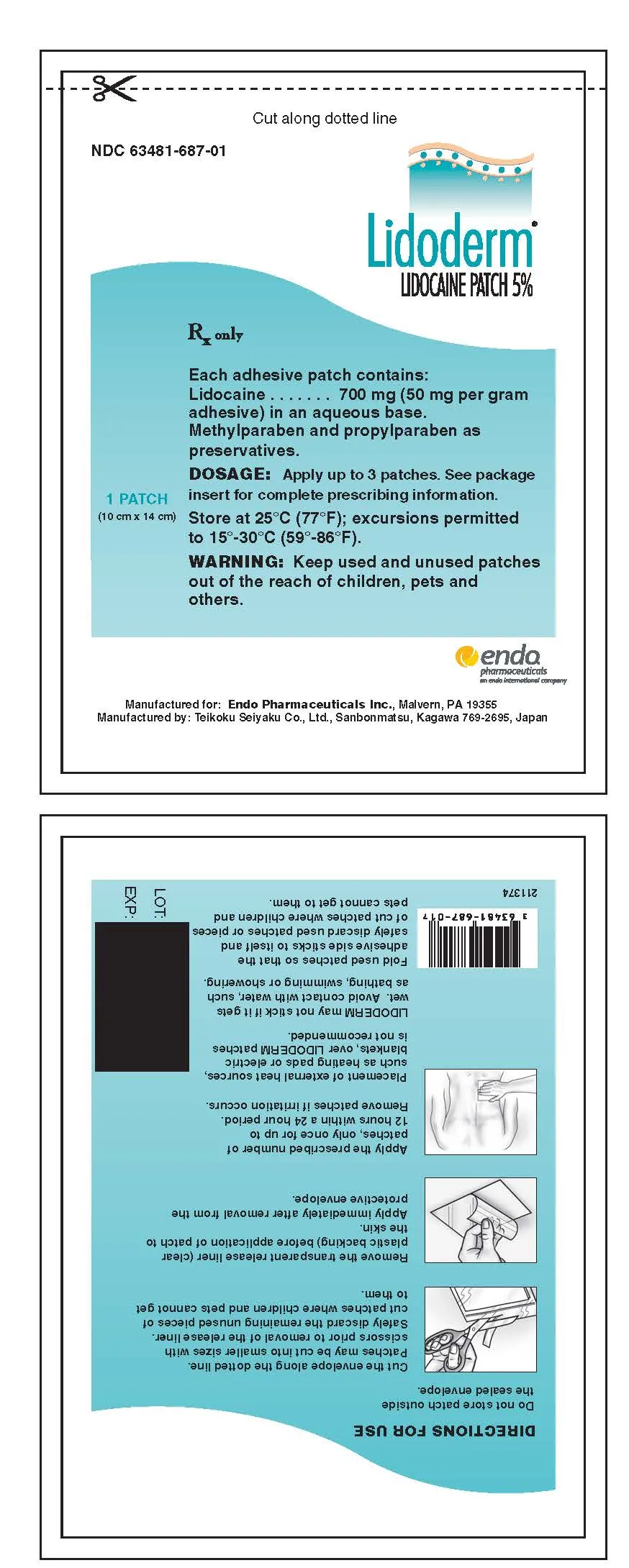
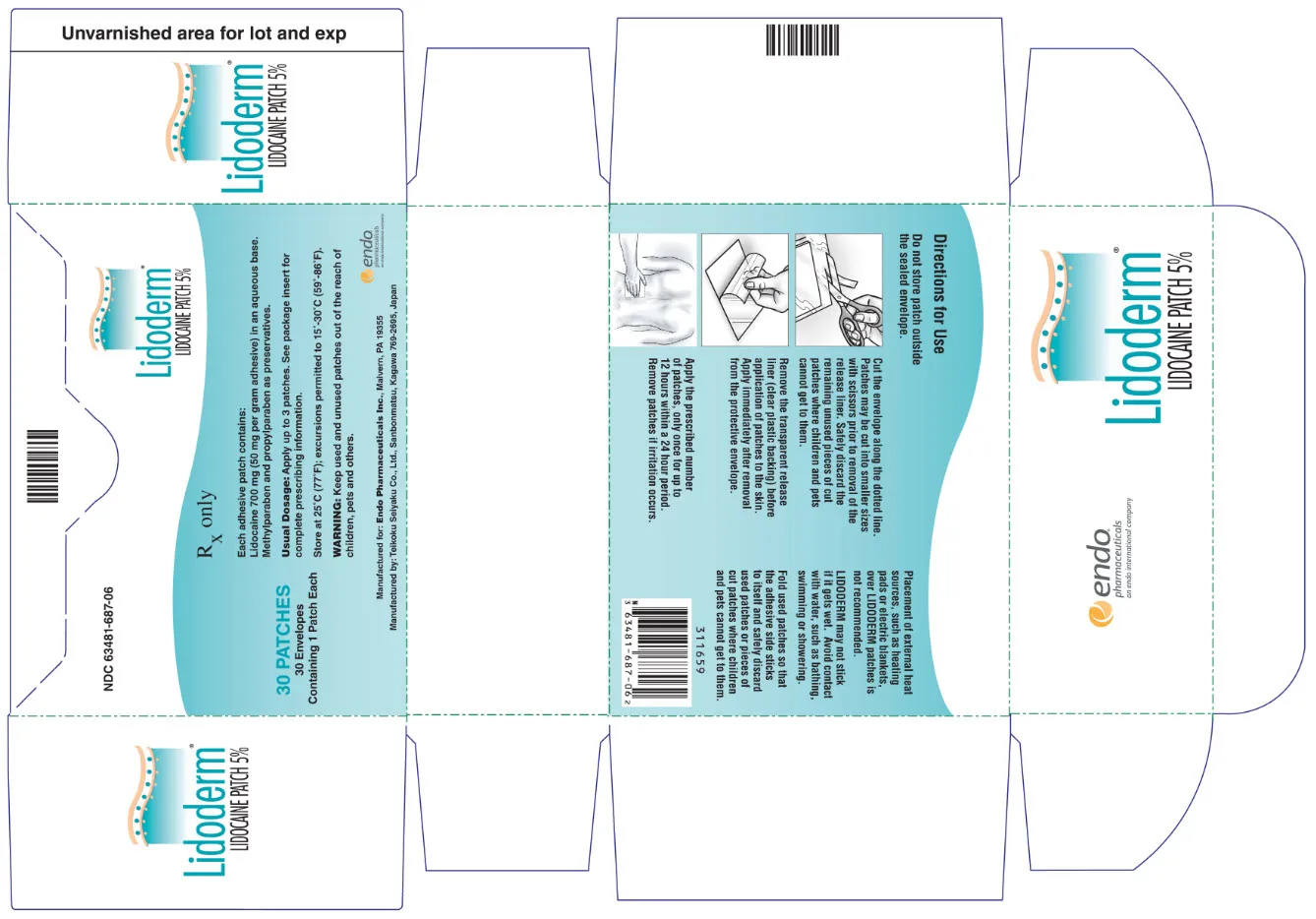
- Dosing: The standard guideline is the application of up to three patches at one time, for a duration of no longer than 12 hours within a 24-hour period.
- Disposal: Used patches should be folded so the adhesive side sticks to itself and kept away from children and pets, as they still contain active medication.
Risks, Side Effects, and Contraindications
While generally considered safe due to low systemic absorption, Lidocaine patches carry specific risks that clinicians and patients must monitor.
Common Adverse Reactions
- Application Site Reactions: Erythema (redness), pruritus (itching), and burning sensations are common.
- Systemic Effects: If the patch is left on too long or applied to damaged skin, systemic absorption may increase, leading to dizziness, headache, or nausea.
Contraindications
- Hypersensitivity: Patients with a known history of allergy to local anesthetics of the amide type (e.g., bupivacaine, mepivacaine).
- Damaged Skin: Patches should not be applied to broken, blistered, or inflamed skin, as this drastically increases systemic absorption and toxicity risk.
- Antiarrhythmic Therapy: Patients receiving Class I antiarrhythmic drugs (e.g., tocainide, mexiletine) should avoid Lidocaine patches to prevent additive toxic effects.
Pregnancy and Lactation
- Pregnancy: Lidocaine is categorized as FDA Pregnancy Category B. It should be used during pregnancy only if clearly needed.
- Lactation: Lidocaine is excreted in breast milk. Caution should be exercised when administering to nursing mothers.
Overdose Management
Systemic toxicity from a topical patch is rare but possible if the drug is ingested or applied to an excessively large surface area for too long. Symptoms of Lidocaine toxicity include:
* Circumoral paresthesia (numbness around the mouth)
* Tinnitus (ringing in the ears)
* Dizziness and blurred vision
* Seizures or cardiac arrhythmias (in severe, rare cases)
Management: Remove the patch immediately. If systemic symptoms occur, the patient should seek emergency medical attention. Treatment is supportive, focusing on airway management and seizure control if necessary.
Frequently Asked Questions (FAQ)
1. Can I cut a Lidocaine patch?
Yes, the patch can be cut into smaller sizes with scissors to fit the specific area of pain before removing the backing.
2. How long does it take for the patch to start working?
Most patients report a reduction in pain within 30 to 60 minutes of application.
3. Can I wear the patch while swimming?
It is not recommended. Water may cause the adhesive to lose its grip, and the heat from certain environments may increase drug absorption.
4. What should I do if I experience a skin rash?
Remove the patch immediately and cleanse the area with water. If the rash persists or is severe, consult your healthcare provider.
5. Can I use a heating pad over the patch?
No. External heat sources significantly increase the rate of drug absorption, which may lead to dangerous systemic levels of Lidocaine.
6. Are there drug interactions with Lidocaine patches?
While limited, caution is advised when using other local anesthetics or Class I antiarrhythmic medications simultaneously.
7. How many patches can I use at once?
Standard clinical practice limits usage to three patches at a time. Always follow the specific instructions provided by your physician.
8. Is the Lidocaine patch addictive?
No. Lidocaine is a local anesthetic and does not have the addictive properties associated with opioid analgesics.
9. Can I use the patch for headaches?
Lidocaine patches are not indicated for headaches. They are designed for localized musculoskeletal or neuropathic pain.
10. Should I rotate the application site?
Yes, rotating the site of application helps prevent local skin irritation and allows the skin to recover.
Disclaimer: This guide is for educational purposes only and does not constitute medical advice. Always consult with a licensed orthopedic specialist or primary care physician regarding your specific pain management needs and before starting any new medication.