Clinical Assessment & Protocol
Typical Presentation (HPI)
EN: Patient presents with chronic, severe, burning pain in the right foot, following a documented peripheral nerve injury. Pain is disproportionate to any inciting event and is associated with sensory, vasomotor, sudomotor, and motor/trophic changes. Reports allodynia to light touch and hyperalgesia in the right foot distribution. Symptoms are exacerbated by cold exposure and emotional stress. AR: يراجع المريض بشكوى ألم مزمن وشديد وحارق في القدم اليمنى، وذلك عقب إصابة موثقة في العصب المحيطي. الألم غير متناسب مع أي حدث محفز، ويرتبط بتغيرات حسية، وعائية حركية، وعرقية، وحركية/تغذوية. يبلغ المريض عن وجود ألم خيفي (allodynia) عند اللمس الخفيف وفرط تألم (hyperalgesia) في منطقة القدم اليمنى. تتفاقم الأعراض عند التعرض للبرد والتوتر العاطفي.
General Examination
EN: Right foot examination reveals significant edema, skin color changes (mottled/cyanotic), and temperature asymmetry compared to the left foot. Trophic changes noted, including nail bed abnormalities and hair growth changes. Presence of allodynia to light touch and pinprick hyperalgesia. Decreased range of motion in the right ankle and toes due to pain and guarding. No signs of acute infection or deep vein thrombosis. AR: كشف فحص القدم اليمنى عن وجود وذمة ملحوظة، وتغيرات في لون الجلد (متبقع/مزرق)، وعدم تماثل في درجة الحرارة مقارنة بالقدم اليسرى. لوحظت تغيرات تغذوية، بما في ذلك تشوهات في فراش الظفر وتغيرات في نمو الشعر. وجود ألم خيفي عند اللمس الخفيف وفرط تألم عند وخز الدبوس. انخفاض في مدى حركة الكاحل وأصابع القدم اليمنى بسبب الألم والتقلص الدفاعي. لا توجد علامات على وجود عدوى حادة أو تخثر وريدي عميق.
Treatment Protocol
EN: Multimodal approach initiated: 1. Pharmacotherapy: Gabapentinoids and/or tricyclic antidepressants for neuropathic pain management. 2. Physical Therapy: Desensitization techniques, graded motor imagery, and gentle range-of-motion exercises. 3. Interventional: Consider sympathetic nerve blocks if refractory to conservative management. 4. Topical: Lidocaine 5% patches as needed for localized allodynia. AR: تم البدء بنهج علاجي متعدد الوسائط: 1. العلاج الدوائي: استخدام أدوية الغابابنتينويدات و/أو مضادات الاكتئاب ثلاثية الحلقات للسيطرة على الألم العصبي. 2. العلاج الطبيعي: تقنيات إزالة التحسس، والتخيل الحركي المتدرج، وتمارين المدى الحركي اللطيفة. 3. العلاج التداخلي: النظر في إجراء حقن الأعصاب الودية (sympathetic blocks) في حال عدم الاستجابة للعلاج التحفظي. 4. العلاج الموضعي: لصقات الليدوكائين 5% عند الحاجة لتخفيف الألم الخيفي الموضعي.
Patient Education
EN: CRPS is a chronic condition requiring a long-term management strategy. Avoid complete immobilization of the right foot; gentle movement is essential to prevent secondary complications. Protect the foot from extreme temperatures and trauma. Adherence to the physical therapy regimen is critical for functional recovery. Monitor for signs of worsening neurovascular compromise and report immediately. AR: متلازمة الألم الإقليمي المعقدة (CRPS) هي حالة مزمنة تتطلب استراتيجية إدارة طويلة الأمد. يجب تجنب التثبيت الكامل للقدم اليمنى؛ فالحركة اللطيفة ضرورية لمنع المضاعفات الثانوية. احرص على حماية القدم من درجات الحرارة المتطرفة والإصابات. الالتزام ببرنامج العلاج الطبيعي أمر بالغ الأهمية للتعافي الوظيفي. يرجى مراقبة أي علامات لتدهور الحالة العصبية الوعائية وإبلاغ الطبيب فوراً.
Systemic & Specialized Examinations
EN: Distal neurovascular status intact globally. AR: الحالة العصبية والوعائية الطرفية سليمة تماماً.
Orthopedic & Trauma Assessments
EN: Insidious degenerative wear and tear. No acute trauma. AR: تآكل تنكسي تدريجي. لا توجد صدمة حادة.
EN: Antalgic gait. Reduced stance phase on the affected side. Trendelenburg or varus thrust may be present. AR: مشية متألمة. قصر في مرحلة الوقوف على الجانب المصاب. قد يوجد اندفاع تقوسي أو علامة ترندلينبورغ.
EN: Moderate chronic joint effusion/thickening. Obvious malalignment in the coronal plane. Mild surrounding muscle atrophy. AR: انصباب/تسمك مفصلي مزمن. سوء محاذاة واضح. ضمور خفيف في العضلات المحيطة.
EN: Grind tests (Patellar/FABER) strongly positive. Ligament tests negative. AR: اختبارات الطحن (مثل FABER) إيجابية بقوة. اختبارات الأربطة سلبية.
EN: 4/5 strength in proximal muscles due to pain inhibition. Distal strength 5/5. AR: قوة 4/5 في العضلات القريبة بسبب تثبيط الألم. القوة الطرفية 5/5.
EN: Sensation intact to light touch in all dermatomes. AR: الإحساس سليم للمس الخفيف في جميع التوزيعات العصبية.
EN: 2+ symmetric deep tendon reflexes. AR: المنعكسات العميقة 2+ ومتماثلة.
EN: DP and PT pulses 2+ bounding. Capillary refill < 2 seconds. AR: نبضات القدم 2+ قوية. عودة امتلاء الشعيرات < ثانيتين.
Comprehensive Clinical Guide: Complex Regional Pain Syndrome (CRPS), Type II, Right Foot
1. Introduction and Overview
Complex Regional Pain Syndrome (CRPS) Type II, formerly known as causalgia, represents one of the most challenging and debilitating chronic pain conditions in orthopedic and neurological medicine. Unlike Type I, which occurs without a confirmed nerve injury, CRPS Type II is defined by the presence of a distinct, identifiable peripheral nerve lesion following trauma, surgery, or crush injury.
When localized to the right foot, CRPS Type II presents a unique biomechanical and clinical profile. The complex innervation of the distal lower extremity—involving the tibial, peroneal, and sural nerves—means that localized nerve damage can trigger a systemic-like autonomic and inflammatory response that radiates throughout the foot, ankle, and sometimes the distal calf. This guide serves as a clinical reference for practitioners managing the multifaceted pathophysiology of this condition.
2. Etiology and Pathophysiology
The etiology of CRPS Type II in the right foot is rooted in the "maladaptive neuroplasticity" model. While the initial trigger is a nerve injury, the chronic state is maintained by a complex interplay between the peripheral and central nervous systems.
The Triad of Pathophysiology
| Mechanism | Clinical Implication |
|---|---|
| Peripheral Sensitization | Increased sensitivity of nociceptors at the site of nerve damage in the foot. |
| Central Sensitization | Hyperexcitability of neurons in the dorsal horn of the spinal cord (wind-up phenomenon). |
| Sympathetic-Afferent Coupling | Abnormal interaction between the sympathetic nervous system and sensory afferents. |
Key Pathophysiological Drivers:
* Neurogenic Inflammation: Release of neuropeptides (substance P, calcitonin gene-related peptide) from peripheral nerve endings, leading to vasodilation, plasma extravasation, and edema.
* Sympathetic Dysregulation: The right foot may exhibit fluctuating vasomotor changes, alternating between vasoconstriction (cold, cyanotic) and vasodilation (warm, erythematous).
* Cortical Reorganization: Functional MRI studies demonstrate that the somatosensory cortex undergoes "smudging," where the cortical representation of the right foot expands or shifts, contributing to sensory distortion.
3. Clinical Staging and Presentation
CRPS does not follow a linear progression, but clinicians generally categorize the condition into three phases. Understanding these phases is critical for prognosticating recovery.
Clinical Grading Table
| Stage | Duration | Characteristics |
|---|---|---|
| Acute (I) | 0–3 Months | Severe burning pain, edema, warmth, rapid nail/hair growth changes. |
| Dystrophic (II) | 3–12 Months | Constant pain, skin thinning (atrophy), muscle wasting, joint stiffness. |
| Atrophic (III) | 1 Year+ | Irreversible tissue changes, severe contractures, bone demineralization (osteoporosis). |
Standard Presentation in the Right Foot:
* Allodynia: Pain triggered by non-painful stimuli (e.g., the touch of a sock or bedsheet).
* Hyperalgesia: Exaggerated response to pinprick or thermal stimuli.
* Sudomotor Changes: Excessive localized sweating (hyperhidrosis) or anhidrosis of the right foot.
* Motor Dysfunction: Distal weakness, tremors, or dystonic posturing of the toes (e.g., clawing).
4. Diagnostic Criteria (Budapest Criteria)
The diagnosis of CRPS Type II is clinical, adhering to the IASP-endorsed Budapest Criteria. To establish a diagnosis, the patient must meet the following:
- Continuing pain that is disproportionate to any inciting event.
- Must report at least one symptom in three of the four following categories:
- Sensory: Hyperesthesia or allodynia.
- Vasomotor: Temperature asymmetry or skin color changes.
- Sudomotor/Edema: Edema or sweating changes.
- Motor/Trophic: Decreased range of motion, motor dysfunction (weakness, tremor, dystonia), or trophic changes (hair, nail, skin).
- Must display at least one sign at the time of evaluation in two or more of the following categories:
- Sensory: Evidence of hyperalgesia or allodynia.
- Vasomotor: Evidence of temperature or color asymmetry.
- Sudomotor/Edema: Evidence of edema or sweating asymmetry.
- Motor/Trophic: Evidence of motor dysfunction or trophic changes.
- No other diagnosis better explains the signs and symptoms.
5. Differential Diagnosis
Because CRPS Type II mimics several other pathologies, it is imperative to rule out:
* Peripheral Arterial Disease (PAD): Often presents with cold, pale feet but lacks the extreme allodynia characteristic of CRPS.
* Diabetic Neuropathy: Usually bilateral and symmetrical; CRPS is typically unilateral.
* Cellulitis: Lacks the neurological pain profile; responds to antibiotics.
* DVT (Deep Vein Thrombosis): Must be ruled out immediately if acute edema and warmth are present in the right foot.
* Radiculopathy (L4-S1): Nerve root compression can mimic distal pain but usually follows a dermatomal pattern rather than a regional, limb-wide pattern.
6. Diagnostic Testing and Imaging
While clinical assessment is primary, objective testing supports the diagnosis and tracks progression:
* Three-Phase Bone Scan: Can reveal periarticular uptake, though sensitivity decreases in chronic stages.
* Quantitative Sensory Testing (QST): Measures thresholds for thermal and mechanical pain.
* Sympathetic Blockade: A diagnostic lumbar sympathetic block can provide temporary relief, confirming the sympathetic component of the pain.
* Electromyography (EMG) / Nerve Conduction Studies (NCS): Essential for confirming the underlying nerve lesion required for the Type II diagnosis.
7. Risks, Complications, and Contraindications
Managing CRPS II requires extreme caution regarding invasive interventions.
- Contraindications:
- Unnecessary Surgery: Aggressive surgical intervention on the right foot often exacerbates CRPS symptoms. Surgery should only be performed under strict anesthetic management (e.g., regional blocks).
- Prolonged Immobilization: Lack of use leads to rapid cortical reorganization and worsened dystonia.
- Risks:
- Psychological Morbidity: High correlation with depression and suicide risk.
- Osteoporosis: Disuse and localized inflammatory markers lead to rapid bone density loss (Sudeck’s atrophy).
- Contractures: Permanent loss of range of motion in the ankle and toes.
8. Treatment Modalities
- Pharmacotherapy: Gabapentinoids (Gabapentin, Pregabalin), Tricyclic antidepressants (Amitriptyline), and bisphosphonates for bone pain.
- Physical/Occupational Therapy: Graded Motor Imagery (GMI) and mirror therapy are gold standards for cortical remapping.
- Interventional Pain Management: Spinal Cord Stimulation (SCS) or Dorsal Root Ganglion (DRG) stimulation has shown high efficacy for localized foot pain.
9. FAQ Section (Frequently Asked Questions)
1. Is CRPS Type II in the right foot permanent?
While not always permanent, it is a chronic condition. Early intervention significantly improves the probability of remission or functional restoration.
2. Why is it called "Type II"?
Type II indicates there is a documented peripheral nerve injury (e.g., a crushed nerve or post-surgical nerve damage), whereas Type I has no confirmed nerve lesion.
3. Can I walk on a foot with CRPS?
Weight-bearing is encouraged as tolerated. Total immobilization is discouraged as it accelerates muscle atrophy and cortical "smudging."
4. What is the most effective treatment?
There is no "cure-all." Multidisciplinary care involving physical therapy, pain medication, and psychological support is the most effective approach.
5. Does the weather affect my CRPS?
Yes. Many patients report increased pain during barometric pressure drops and temperature fluctuations due to the sensitivity of the vasomotor system.
6. Is CRPS contagious or genetic?
No. It is not contagious. While there may be a genetic predisposition to inflammatory responses, it is not considered an inherited disease.
7. Should I use ice or heat on my foot?
Avoid extreme temperatures. Because of the vasomotor instability, ice can trigger vasoconstriction and heat can trigger vasodilation, both of which may worsen pain. Use lukewarm or room-temperature therapies.
8. Will I need an amputation?
Amputation is generally contraindicated for CRPS. In most cases, the pain persists in the residual limb or the "phantom" limb, and the condition often migrates to other limbs.
9. How do I know if it’s spreading?
Spread can be contiguous (up the leg) or mirror-image (to the left foot). Early signs include increased sensitivity or temperature changes in previously unaffected areas.
10. What is "Mirror Therapy"?
It is a rehabilitation technique where the patient looks at a mirror reflection of their healthy foot while moving it, tricking the brain into perceiving the painful right foot as healthy, which helps reduce central sensitization.
10. Long-term Prognosis
The prognosis for CRPS Type II is highly variable. Patients who engage in aggressive, early-stage physical therapy and specialized neurological pain management have the highest success rates for returning to daily activities. However, patients with long-standing trophic changes (Stage III) face a higher likelihood of permanent disability, necessitating long-term pain management strategies to maintain quality of life.
Disclaimer: This guide is for educational purposes only. Always consult with a board-certified orthopedic surgeon, neurologist, or pain management specialist for clinical diagnosis and treatment plans.
Related Clinical Integration
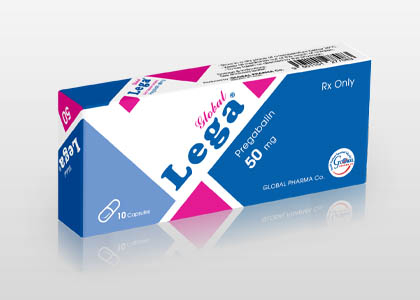
The management of Complex Regional Pain Syndrome (CRPS), Type II, involving the right foot requires a multidisciplinary approach that integrates evidence-based pharmacological interventions with comprehensive clinical education. To address the neuropathic pain associated with this condition, clinicians often utilize targeted therapies such as Gabantin / غابانتين 400mg, Lega / ليغا 50 mg, and topical Ketamine Cream / كريم كيتامين 10% to modulate central and peripheral sensitization. These therapeutic strategies are best supported by a deep understanding of the underlying pathophysiology and diagnostic criteria, which are extensively detailed in our specialized resources, including Complex Regional Pain Syndrome in Orthopaedic Surgery: Pathophysiology, Diagnosis, and Interventional Management, Clinical Diagnosis and Management of Peripheral Nerve Injuries and Complex Regional Pain Syndrome, and Peripheral Nerve Injuries: Principles of Diagnosis, Microsurgical Repair, and Management of Complex Regional Pain Syndrome. Furthermore, to assist practitioners in navigating the diagnostic complexities and modern treatment paradigms of this syndrome, we recommend reviewing Is it CRPS? Unraveling Complex Regional Pain Syndrome's Mysteries and Solving the Pain Syndrome Complex: Modern Insights for CRPS, which provide essential insights for optimizing patient outcomes in a modern hospital setting.