Clinical Assessment & Protocol
Typical Presentation (HPI)
EN: Infant with neonatal hypocalcemic seizures and heart murmur. AR: رضيع يعاني من نوبات نقص كالسيوم الدم الوليدي ولغط قلبي.
General Examination
EN: Dysmorphic facial features, low-set ears, and cleft palate. AR: ملامح وجه مشوهة، آذان منخفضة، وحنك مشقوق.
Treatment Protocol
EN: AR:
Patient Education
EN: AR:
Systemic & Specialized Examinations
EN: S1, S2 present. No murmurs. AR: صوتا القلب الأول والثاني طبيعيان. لا توجد نفخات.
EN: Lungs clear to auscultation. AR: الرئتان صافيتان عند التسمع.
EN: Abdomen soft, non-tender. AR: البطن لين ولا يوجد ألم.
EN: Alert, oriented x3. No focal deficits. AR: المريض واعي ومدرك. لا يوجد عجز عصبي بؤري.
EN: Unremarkable or not routinely indicated. AR: طبيعي أو غير مطلوب روتينياً.
EN: Unremarkable or not routinely indicated. AR: طبيعي أو غير مطلوب روتينياً.
EN: Unremarkable or not routinely indicated. AR: طبيعي أو غير مطلوب روتينياً.
EN: Unremarkable or not routinely indicated. AR: طبيعي أو غير مطلوب روتينياً.
EN: Unremarkable or not routinely indicated. AR: طبيعي أو غير مطلوب روتينياً.
Comprehensive Clinical Guide: DiGeorge Syndrome (22q11.2 Deletion Syndrome)
DiGeorge Syndrome, clinically recognized as 22q11.2 Deletion Syndrome (22q11.2DS), represents one of the most common microdeletion syndromes in humans. Characterized by a wide phenotypic spectrum, it is a multisystem disorder resulting from a hemizygous deletion on the long arm of chromosome 22. Because of the vast array of clinical manifestations—ranging from congenital heart defects and immune deficiencies to neurodevelopmental delays—it is often referred to as a "clinical chameleon."
This guide serves as an authoritative resource for clinicians, medical students, and healthcare professionals to understand the pathophysiology, diagnostic pathways, and long-term management strategies associated with 22q11.2DS.
1. Etiology and Pathophysiology
Genetic Mechanism
The disorder is caused by a microdeletion of approximately 3 million base pairs on chromosome 22q11.2. This region contains approximately 30 to 40 genes. The deletion occurs due to non-allelic homologous recombination (NAHR) mediated by low-copy repeats (LCRs) flanking the region.
- Inheritance: In approximately 90% of cases, the deletion occurs de novo. In the remaining 10%, it is inherited from an affected parent in an autosomal dominant pattern.
- Key Genes: The TBX1 gene, located within the deleted region, is widely considered the primary driver of the clinical phenotype. It plays a critical role in the development of the pharyngeal arches during embryogenesis.
Embryological Impact
The syndrome is essentially a developmental field defect of the third and fourth pharyngeal pouches. Disruptions in these structures lead to hypoplasia or aplasia of the thymus and parathyroid glands, as well as malformations of the cardiac outflow tract.
2. Clinical Indications and Multisystem Presentation
The clinical presentation of 22q11.2DS is highly variable, even among family members with the same genetic deletion. Clinicians should maintain a high index of suspicion based on the following indicators:
Cardiovascular Anomalies (75% of patients)
Congenital heart defects (CHDs) are the most common life-threatening complications.
* Conotruncal Defects: Tetralogy of Fallot, interrupted aortic arch, truncus arteriosus, and ventricular septal defects (VSD).
* Vascular Rings: Right-sided aortic arch and aberrant subclavian arteries.
Immunological Deficiencies
Thymic hypoplasia results in T-cell lymphopenia and impaired cell-mediated immunity.
* Clinical manifestation: Recurrent infections (viral, fungal, and bacterial).
* Laboratory findings: Reduced CD3+ T-cell counts. While severe combined immunodeficiency (SCID) is rare, many patients exhibit varying degrees of immune dysregulation.
Endocrine Manifestations
- Hypocalcemia: Often presents in the neonatal period due to parathyroid hypoplasia. It may manifest as seizures or tetany.
- Hypoparathyroidism: May be transient or permanent.
Craniofacial Features
While subtle, certain dysmorphic features are classic:
* Hypertelorism (widely spaced eyes).
* Micrognathia (small jaw).
* Low-set, posteriorly rotated ears.
* Palatal abnormalities (velopharyngeal insufficiency, cleft palate, or bifid uvula).
3. Diagnostic Pathways and Testing
Diagnosis is confirmed via molecular genetic testing. Clinical suspicion should trigger the following diagnostic cascade:
| Diagnostic Test | Clinical Application |
|---|---|
| Chromosomal Microarray (CMA) | First-line test to detect microdeletions/duplications. |
| FISH (Fluorescence In Situ Hybridization) | Used if clinical suspicion is extremely high and rapid results are needed. |
| Quantitative PCR (qPCR) | Useful for targeted testing if the deletion is known in a family member. |
| Echocardiogram | Mandatory for all suspected cases to screen for structural cardiac defects. |
| Serum Calcium/PTH Levels | Baseline screening for hypoparathyroidism. |
| Immunological Panel | CBC with differential, T-cell subsets, and immunoglobulin levels. |
4. Risks, Complications, and Long-Term Prognosis
Neurodevelopmental and Psychiatric Risks
As patients survive the neonatal period, focus shifts to developmental and behavioral health:
* Cognitive: Average IQ is often in the low-average range (70–85).
* Psychiatric: Significantly increased risk of ADHD, anxiety, and autism spectrum disorders in childhood. In adolescence and early adulthood, there is a 20–30% risk of developing schizophrenia or schizoaffective disorder.
Long-Term Management
- Multidisciplinary Approach: Requires coordination between cardiology, immunology, endocrinology, speech-language pathology, and psychiatry.
- Prognosis: Most individuals with 22q11.2DS live into adulthood. Prognosis is largely determined by the severity of the cardiac defect and the presence of psychiatric comorbidities.
5. Differential Diagnosis
Clinicians must distinguish 22q11.2DS from other conditions with overlapping phenotypes:
1. CHARGE Syndrome: Shares cardiac defects and craniofacial features but typically presents with coloboma and choanal atresia.
2. VACTERL Association: Involves vertebral, anal, cardiac, tracheoesophageal, renal, and limb defects.
3. Fetal Alcohol Spectrum Disorder: Can present with similar facial dysmorphology and developmental delay.
4. Alagille Syndrome: Involves cardiac defects and cholestasis, but distinct genetic etiology.
6. Frequently Asked Questions (FAQ)
1. Is DiGeorge Syndrome always inherited?
No. Approximately 90% of cases are de novo mutations, meaning they occur for the first time in the affected individual and are not present in the parents.
2. Can a patient with 22q11.2DS have a normal heart?
Yes. While cardiac defects are common, approximately 25% of patients do not have structural heart disease.
3. What is the most common cause of mortality in infancy?
Congenital heart defects, specifically complex conotruncal anomalies like truncus arteriosus, remain the leading cause of early mortality.
4. Are vaccines safe for patients with 22q11.2DS?
Generally, yes. However, live vaccines (e.g., MMR, Varicella) should be approached with caution in patients with documented severe T-cell lymphopenia. Immunology consultation is advised.
5. Does the syndrome affect life expectancy?
With modern surgical interventions for heart defects and careful management of calcium levels, most individuals have a near-normal life expectancy, provided they receive appropriate psychiatric and medical support.
6. What is "Velopharyngeal Insufficiency" (VPI)?
VPI is a common speech issue in these patients where the soft palate fails to close against the back of the throat, leading to hypernasal speech. It often requires evaluation by a cleft palate team.
7. How often should calcium levels be checked?
In the neonatal period, frequent monitoring is essential. In stable older children and adults, annual monitoring is usually sufficient, though levels should be checked during periods of physiological stress or illness.
8. Is there a cure for 22q11.2DS?
There is no "cure" for the genetic deletion. Treatment is focused on the management of symptoms and organ-system support.
9. Are there specific psychiatric medications to avoid?
There are no absolute contraindications, but patients with 22q11.2DS may be more sensitive to side effects of antipsychotic medications, requiring careful titration.
10. Should parents of an affected child undergo genetic testing?
Yes. Even if the child’s case appears de novo, parents should undergo testing to determine if one of them carries a balanced translocation or a mosaic deletion, which would impact recurrence risk for future pregnancies.
7. Clinical Summary for Practitioners
The management of 22q11.2 Deletion Syndrome is a lifelong journey. The "orthopedic" or physical structural focus is primarily on the cardiac and orofacial systems in early life, while the "clinical" focus shifts to neuro-psychiatric surveillance in adolescence.
Key Takeaways for the Specialist:
* Early Identification: Screen for hypocalcemia in all newborns with cardiac defects or typical facial features.
* Cardiac Screening: A baseline echocardiogram is non-negotiable for all confirmed cases.
* Developmental Surveillance: Early intervention services (PT, OT, Speech) should be initiated as soon as a diagnosis is made to maximize neurodevelopmental outcomes.
* Psychiatric Vigilance: Do not wait for symptoms of schizophrenia; provide baseline developmental screening to identify ADHD or anxiety early, which can improve long-term functional status.
By maintaining a proactive, multisystem approach, clinicians can significantly improve the quality of life for individuals living with this complex genetic syndrome.
Disclaimer: This guide is intended for educational purposes for healthcare professionals and does not replace professional clinical judgment or institutional protocols. Always refer to current genomic guidelines and multidisciplinary team consensus when managing complex genetic cases.
Related Clinical Integration
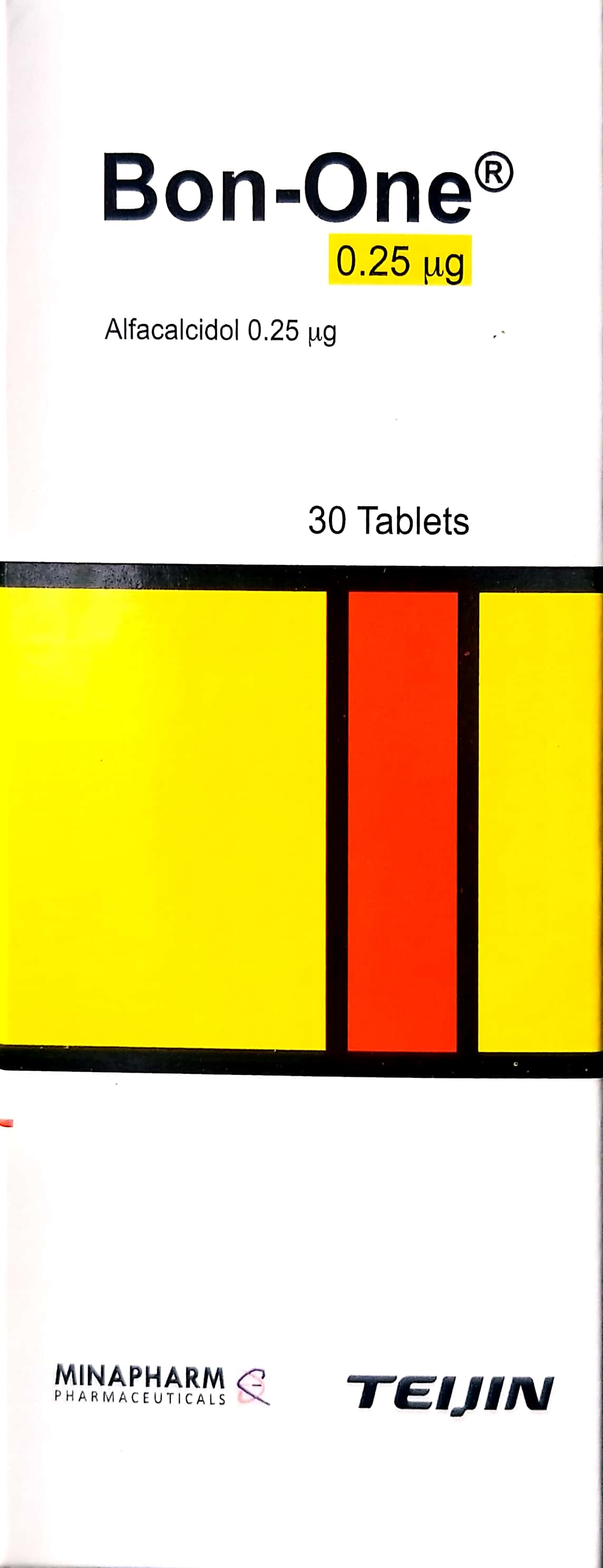
In the management of patients diagnosed with DiGeorge Syndrome (22q11.2 Deletion), clinical care must prioritize the stabilization of hypocalcemia and the assessment of associated congenital cardiac anomalies. Hypocalcemia, resulting from hypoparathyroidism, is typically addressed through acute intervention with Calcium Gluconate / غلوكونات الكالسيوم 10ml followed by long-term maintenance therapy using Bon-one / بون-ون 0.25mcg to ensure metabolic stability. Concurrently, given the high prevalence of structural heart defects in this population, advanced diagnostic imaging is essential; clinicians may utilize Intracardiac Echocardiography (ICE) / تخطيط صدى القلب داخل القلب (ICE) (فحص بالمنظار أو أخذ عينات) to provide high-resolution visualization for the precise evaluation or procedural guidance of complex intracardiac anatomy.